Konstnärshemmet Brucebo, Gotland Travel Guide
An intimate turn-of-the-century artist home and museum on Gotland where house, studio and coastal landscape remain as the Brucees left them.
Konstnärshemmet Brucebo is the turn-of-the-century artist home and museum of Carolina Benedicks Bruce and William Blair Bruce, set in a wooded coastal estate north of Visby on Gotland. The house, studios and surrounding nature reserve preserve original interiors, paintings, sculptures and the couple’s garden in a style that blends national romantic architecture with an artist’s intimate domesticity. Seasonal guided visits and bookings let you see works, archives and the landscape that inspired them.
A brief summary to Konstnärshemmet Brucebo
- Själsö Själsövägen 5, Visby, 622 76, SE
- Click to display
- Duration: 0.5 to 2 hours
- Mid ranged
-
 Mixed
Mixed
- Mobile reception: 4 out of 5

Know before you go
Hi, I'm Eve. Here are a few practical things to know before exploring Konstnärshemmet Brucebo.
- Book a guided tour in advance, especially in summer and for groups — some visits require prebooking and there is a minimum fee for private group tours.
- Wear sturdy shoes to explore the garden and coastal paths; the site mixes cultivated paths with uneven natural terrain.
- Look for studio details: north-facing windows, canvas storage and traces of sculptural practice — bring a notebook rather than a tripod or large equipment.
Do you manage this location?
Take control to get all the benefits, like improved information, better appearance, and stronger visibility across AI-powered discovery. Learn more about listing your business on Evendo
Activate your presenceOther nearby places you may find interesting
The closest places of the same kind, if this one is not quite what you had in mind.
Explore Konstnärshemmet Brucebo on the Map
A handpicked selection of must-see spots near Konstnärshemmet Brucebo, mapped for you.
Getting There
-
Car (regional)
Drive from central Visby by car: typical travel time is about 15–25 minutes depending on traffic and season; parking is limited near the estate and may be informal on nearby lanes, so allow extra time for few available spaces and for short uneven surfaces from the parking area to the house. There is no toll; fuel costs vary by vehicle.
-
Regional bus
Take the regional bus serving routes north of Visby with a journey time of approximately 25–40 minutes depending on service and timetable; services run more frequently in summer and are reduced in winter, and stops may be a short walk over minor roads and uneven ground to the estate. Pay by local transport card or onboard ticket; typical single fares are modest and depend on operator.
-
Walking from nearby village
If you are staying in a nearby village or hamlet, walking can take 30–60 minutes over mixed terrain: country lanes, short grassy tracks and gentle slopes. The route includes unpaved sections and is not fully step-free, so assess mobility needs before setting out and wear appropriate footwear.
For the on-the-go comforts that matter to you
-
 Information Boards
-
 Seating Areas
Discover more about Konstnärshemmet Brucebo
Origins of an artists' refuge
Brucebo began as a personal project by the artist couple Carolina Benedicks Bruce and William Blair Bruce at the turn of the 20th century, conceived as a place where living and making art would be inseparable. The main house and studios were built from 1900 in a style influenced by national romanticism; materials, detailing and room flow were chosen with an artist’s eye so light, views and sheltered outdoor corners all became part of the creative process. Over time the estate acquired the couple’s paintings, sculptures and sketch material that still populate the rooms.House, studios and preserved interiors
Inside the residence you move through domestic rooms that still show traces of studio life: north-facing ateliers, high windows, built-in storage for canvases and plinths for sculptures. Furnishings, textiles and finishes reflect early 20th-century tastes and the family’s international life, with objects and artworks arranged to suggest both everyday living and ongoing artistic practice. The property is curated as an artists’ home rather than a neutral gallery, so the atmosphere is intimate and layered with evidence of work in progress and private collections.Gardens and the coastal landscape
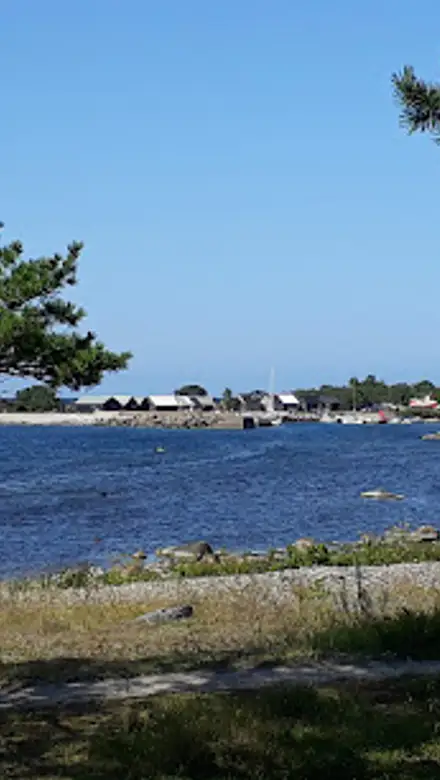
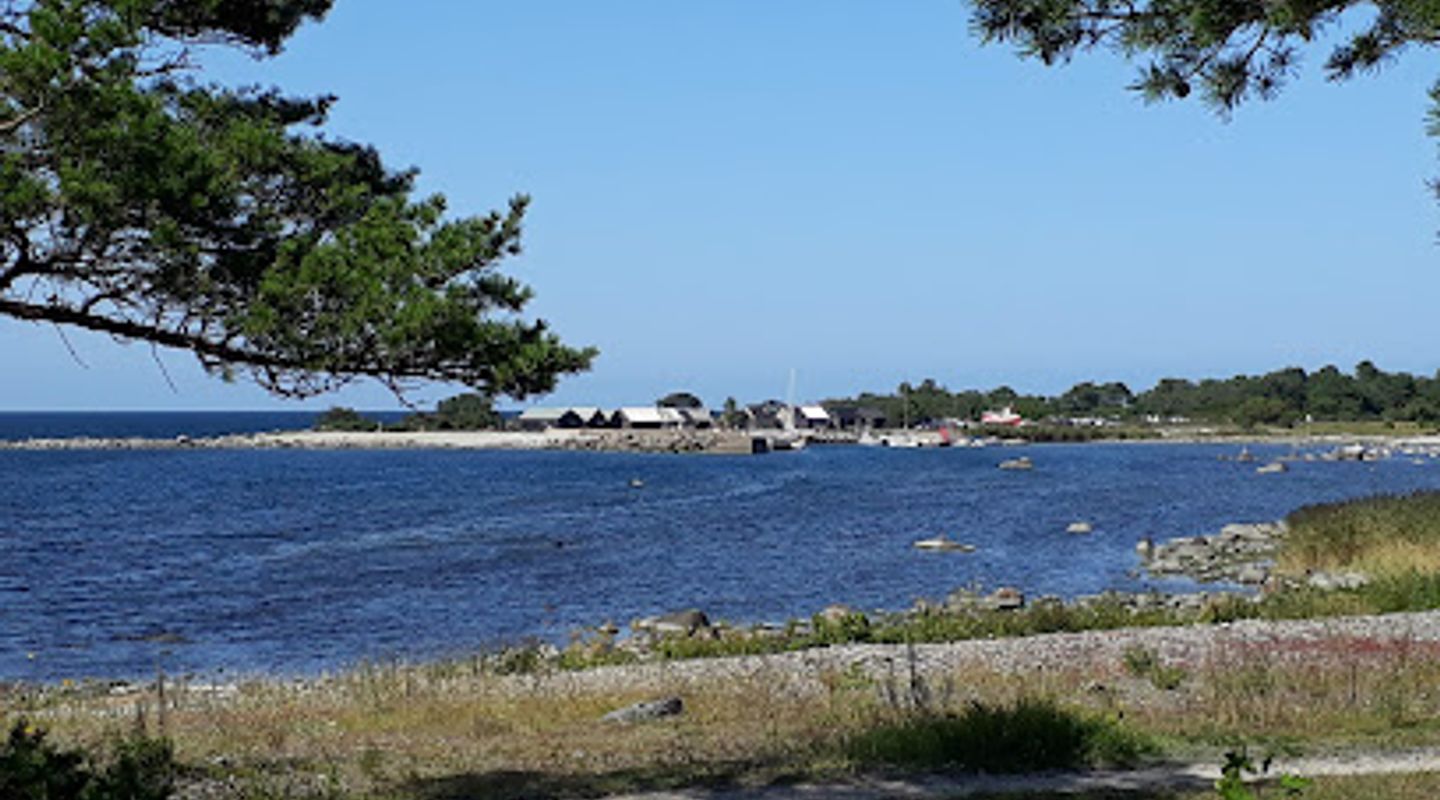
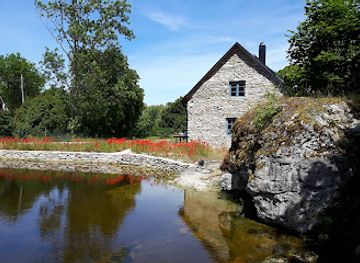
Brucebo’s setting is as much a feature as the house: wooded grounds slope toward the Baltic shoreline and include sheltered garden rooms, rocky outcrops and mixed woodland that provided recurring motifs in the couple’s output. Planting and stonework retain a handmade quality, with paths that open to sea glimpses and quiet niches. The surrounding land is protected, and the estate’s relationship with the Gotland coastline gives the place a strong sense of site — where the island’s light, winds and seasons shaped sketches and finished canvases alike.Artistic legacy and collections
The permanent holdings include William Blair Bruce’s large-scale paintings and numerous sketches alongside Carolina Benedicks Bruce’s sculptures and watercolours, presenting both artists’ practice across media. Many works remain in situ, allowing visitors to see compositions in the rooms and views that informed them. Archival material and documentary items add context: letters, photographs and studio paraphernalia that map the couple’s European training, travel and connections within late 19th–early 20th-century art circles.Visitor experience and seasonal rhythms
Brucebo is presented as an intimate house-museum with a programme of guided visits and occasional special events. The rhythm of visits follows seasonal patterns: summer openings and curated guided tours, with the possibility of year-round bookings for groups. The physical experience is sensory — a fusion of warm wood, oil paint scent, sun on canvas and the breeze from nearby sea — and the museum deliberately preserves the domestic scale so each room reads as both an artwork container and a lived-in space.Conservation, teaching and the estate’s future
Conservation work over recent decades has focused on preserving structure, finishes and the artists’ holdings while keeping the house legible as a studio-home. The site also functions as a cultural resource: scholarships, temporary displays and educational initiatives continue the founders’ intent to support artistic practice. The estate’s guardians balance public access with careful stewardship of fabric, artworks and the surrounding landscape so the house remains a living tribute to the couple’s creative life.More to explore near Konstnärshemmet Brucebo













Your all‑in‑one travel companion app
Explore expert travel guides, compare and book tours, experiences, hotels, and more—all from the palm of your hand. Download now for seamless trip planning wherever your wanderlust takes you.


Explore More of Gotland
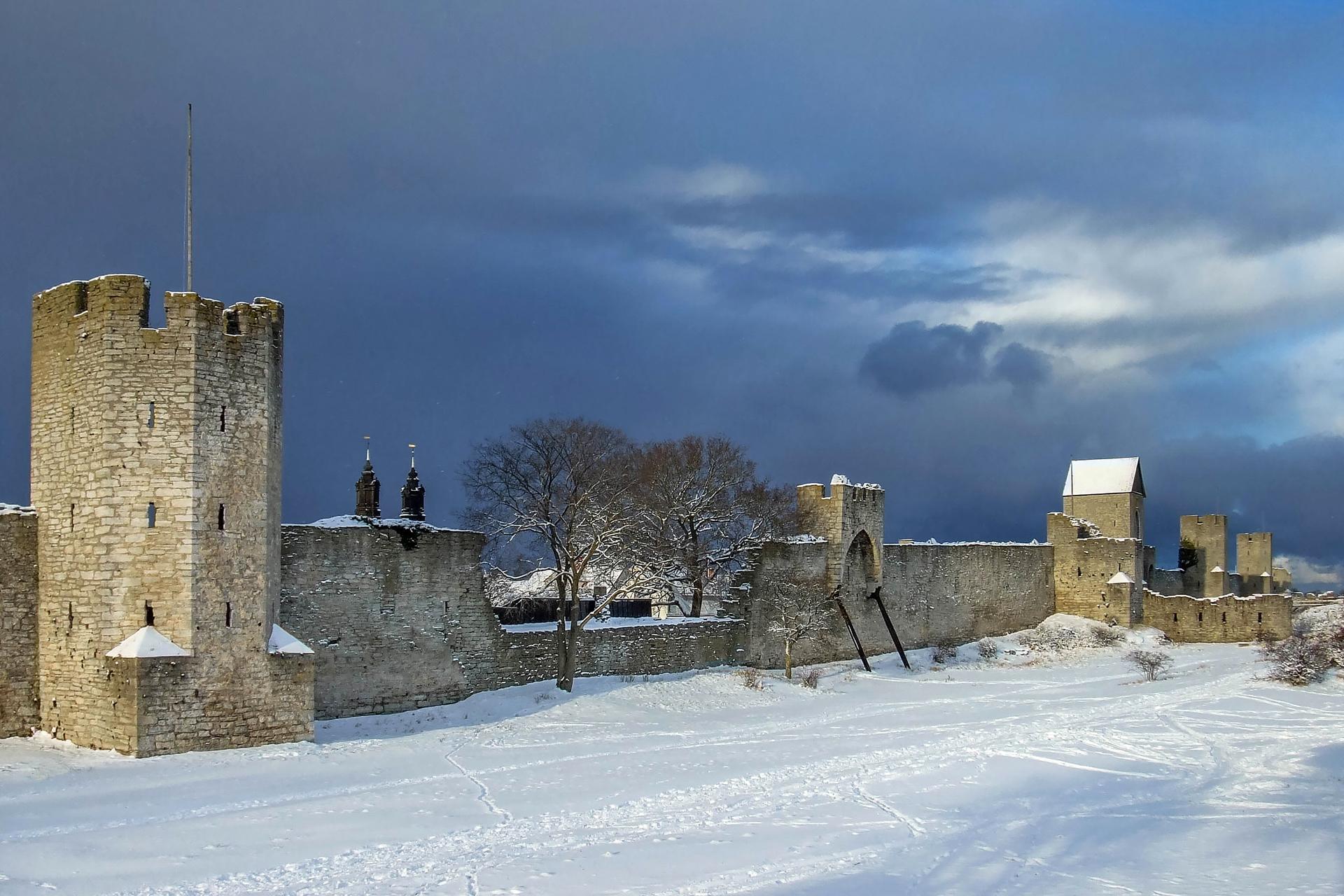
Looking beyond Konstnärshemmet Brucebo? Discover Gotland for broader travel guides, local hot-spots, and regional highlights.
Explore Gotland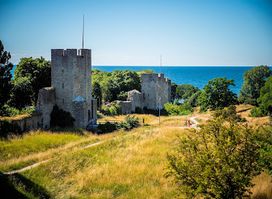
A windswept Baltic island of dunes, pine forest and empty beaches—remote, quiet and shaped by wind and sea.
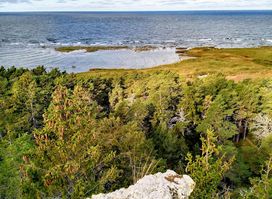
Explore the serene landscapes and rich biodiversity of Brucebo Naturreservat, a tranquil nature preserve near Visby, Sweden, perfect for outdoor enthusiasts.