

Uggarde rojr Travel Guide
Free Guide: Gotland’s largest Bronze Age cairn: an intact 45 m–wide stone monument anchoring a prehistoric ritual landscape near Hemse.


A brief summary of Uggarde rojr
Gotland’s largest Bronze Age cairn: an intact 45 m–wide stone monument anchoring a prehistoric ritual landscape near Hemse.
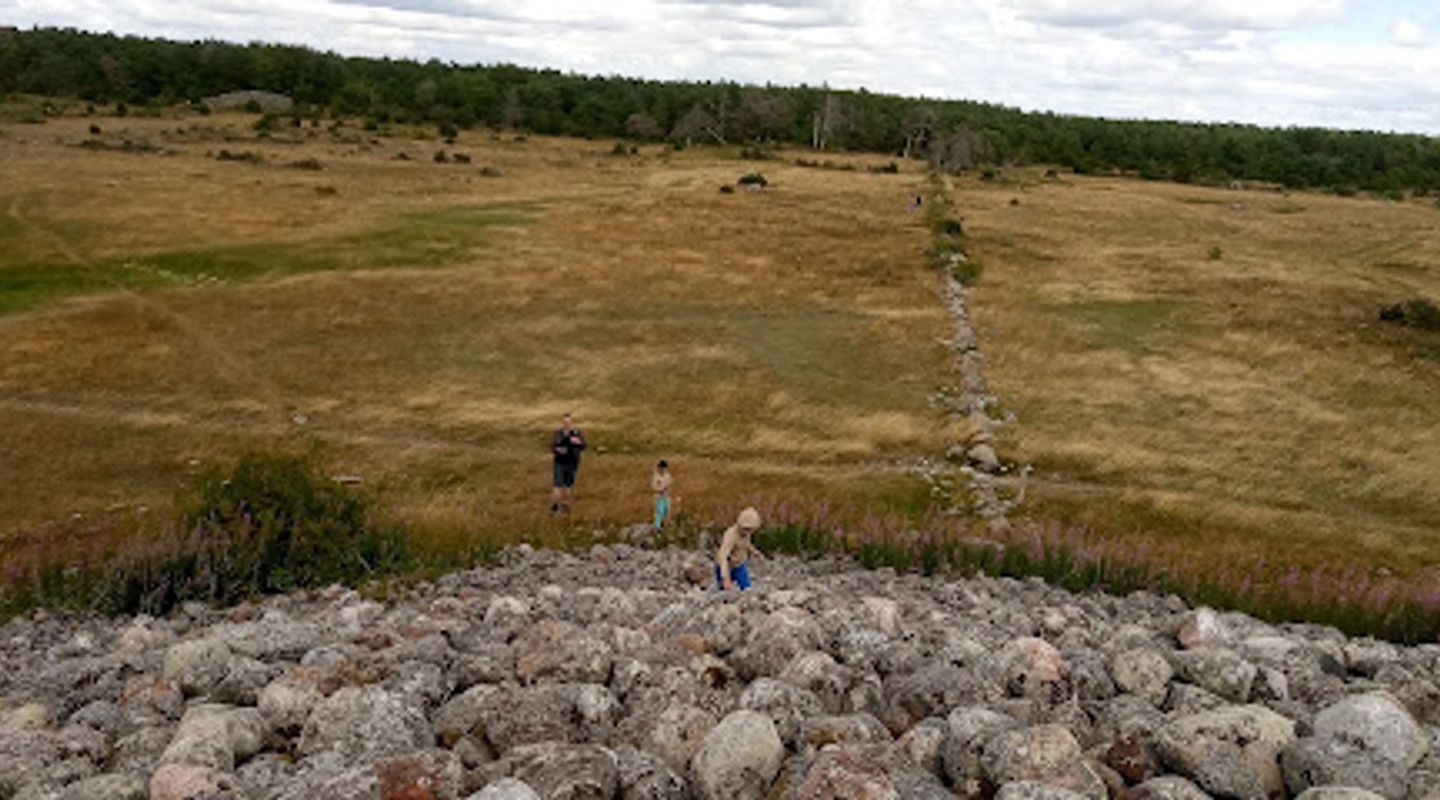
Uggarde rojr is Gotland’s largest Bronze Age burial cairn: a 45m-diameter, roughly 8m-high stone mound surrounded by a low ring of large stones set in pastoral fields near Hemse. Intact and dramatic in scale, the monument sits among several smaller cairns and traces of ancient settlement, offering a tangible link to the island’s prehistoric ritual landscape and a quietly powerful place to explore.
On-site amenities
 Information boards
 Seating areas
Opening hours
- Every dayOpen 24 hours
Opening hours as listed on the venue’s Google Business Profile. Hours can change for services and special events, so check with the venue before you go.
- Address
- S
- Website
Getting there
By car
By bicycle
On foot from nearest village
Discover more about Uggarde rojr
An ancient mound that still commands the landscape
Uggarde rojr is an enormous Bronze Age stone cairn—about 45 metres across and nearly 8 metres tall—whose bulk and stone ring give it the presence of a small hill in the pasturelands of Rone near Hemse. The circular form and surrounding kerb of boulders mark it unmistakably as a funerary monument from the mid-to-late Bronze Age, built to be seen across low, open ground and to anchor memory into the geology of Gotland.
Construction, scale and visible features
The cairn’s diameter and height create a circumference of roughly 140 metres; stones are heaped to form a compact mound and a discrete ring of larger blocks encircles the base. Over time some nearby cairns in the region have collapsed or developed crater-like depressions where internal structures have settled, but Uggarde rojr remains substantially intact. On the east side there is a shallow hollow or cut that appears as a small intrusion into the mound—a curious feature noted in local descriptions—but the cairn has not been archaeologically excavated to reveal internal burial contexts.
Setting within a prehistoric landscape
Uggarde rojr sits within a cluster of Bronze Age features: several other substantial cairns lie close by and the surrounding fields reveal traces of stone fences, burial clusters and intermittent house sites typical of Gotland’s long-settled agrarian landscape. During the Bronze Age much of this coastal plain would have had a different shoreline position; post-glacial land uplift has altered the relationship between ancient monuments and the sea, so the cairn’s original visual and ritual context has shifted through millennia.
Experience on the ground
At close range the cairn’s mass is tactile—loose stones and lichen-patched boulders, steep grassy slopes and the low stone kerb invite a slow, observant approach. The immediate soundscape is rural: grazing animals, wind across grass and the occasional birdcall. Sightlines from the mound reach to low horizons and neighbouring church towers and farmsteads; this wide view helps explain why such monuments were sited where they are, acting as orientation points in a largely open landscape.
Why the site matters for heritage and study
As one of Sweden’s largest intact Bronze Age cairns, Uggarde rojr is an important physical record of prehistoric funerary practice, social organization and stone-working skill on Gotland. Its scale suggests a community capable of mobilising labour and resources for long-lasting monumental works. Even without intrusive investigation, the cairn contributes to regional understanding of place names, settlement continuity and the island’s ancient ritual geographies.
Practical notes on landscape etiquette
The cairn sits amid grazed fields and a marked nature-and-culture trail runs through the area; visitors are encouraged to respect fencing and grazing animals and to avoid moving stones or climbing on unstable sections. Seasonal conditions alter the footing—wet weather can make approaches muddy and uneven—so sturdy shoes and a careful pace preserve both visitor safety and the monument’s fragile edges.
Evendo Review Centre
 Google
Guest reviews
Best time to go
Quietest: Jan, Feb & Dec · before 6am
Busy times are Evendo estimates for a typical year, to help you plan. Actual crowds vary with events, school holidays and the weather.
Explore Uggarde rojr on the map
A handpicked selection of must-see spots near Uggarde rojr, mapped for you.
Get your free copy of our complete guide to Uggarde rojr, delivered straight to you.
Everything on this page, from opening hours and how to get there to Eve’s tips and the best time to go, in one PDF you can read offline, print or share.
Already have an account? Sign in
Your Uggarde rojr guide is ready.
We'll send it to · Not you? Sign out

Getting your guide ready…
We are putting together a fresh copy of the Uggarde rojr guide. This can take up to a minute.
This can take a few moments. If your browser asks, choose Allow so the download can start. You'll find the guide in your Downloads folder.
Nothing happened? Download it again
Sorry, the guide is taking longer than usual. Please try again in a minute, or get it by email instead.
Other nearby places you may find interesting
The closest places of the same kind, if this one is not quite what you had in mind.
-
-
-
-
-


Swipe for more places
More to explore near Uggarde rojr

 Best experiences near Uggarde rojr
 Best hotels near Uggarde rojr
 Best landmarks near Uggarde rojr
 Best attractions near Uggarde rojr
 Best shops near Uggarde rojr
 Best restaurants near Uggarde rojr
 Best bars near Uggarde rojr
Do you manage this location?
Take control to get all the benefits, like improved information, better appearance, and stronger visibility across AI-powered discovery.
Explore more

Explore more of Gotland
Explore Gotland, Sweden's largest island, known for its medieval charm, stunning natural landscapes, and vibrant cultural scene in the heart of the Baltic Sea.
Explore Gotland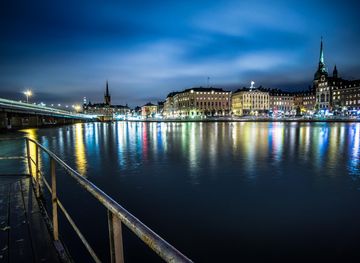
Explore more of Sweden
Discover Sweden's breathtaking landscapes, vibrant cities, and rich cultural heritage. From the Northern Lights to historic castles, experience the essence of Scandinavia.
Explore Sweden
