S:ta Karin ruin Travel Guide
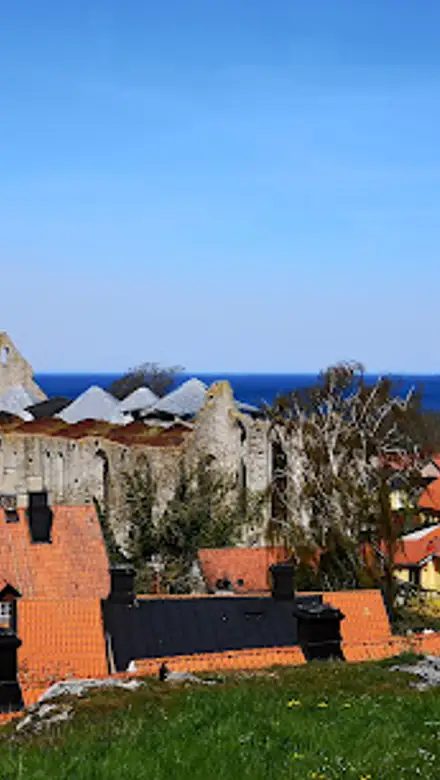
Free Guide: Visby's grandest church ruin: Franciscan arches of brick pierce the sky beside bustling Stora Torget, whispering tales of medieval monks and resilient stone.


A brief summary of S:ta Karin ruin
Visby's grandest church ruin: Franciscan arches of brick pierce the sky beside bustling Stora Torget, whispering tales of medieval monks and resilient stone.
S:ta Karins ruin, Visby's largest church ruin, stands majestically beside Stora Torget. Built by Franciscan monks starting in 1233, its unique brick vaults and towering arches evoke the medieval splendor of Gotland's trading heyday. Open daily in summer for exploration, it hosts events year-round amid its atmospheric remnants.
On-site amenities
 Restrooms
 Drink options
 Food options
 Seating areas
 Trash bins
 Information boards
Opening hours
- Every day10 am–6 pm
Opening hours as listed on the venue’s Google Business Profile. Hours can change for services and special events, so check with the venue before you go.
- Address
- Stora TORGET 2, 621 56 Visby
- Website
Getting there
Walking
Bus
Bicycle
Taxi
Discover more about S:ta Karin ruin
Franciscan Foundations in Medieval Visby
The Franciscan order arrived in Visby in 1233, establishing Sweden's first convent and constructing S:ta Karins kyrka, originally dedicated to St. Katarina. This initial long, narrow structure with a tapering chancel and high round-arched windows was completed around 1250. The popularity of the 'barfota bröder'—known for their barefoot devotion and gray robes—prompted expansions, widening the nave and adding grand windows inspired by nearby S:t Nicolai.
Expansions and Architectural Marvels
By the late 1300s, Dominican monks undertook major works, creating the ruin's current scale. Uniquely in Visby, where limestone dominates, the vaults here employed brick, forming elegant arches against the sky. The church rivaled the city's grandest structures, its interior once alive with light filtering through lofty openings. Construction halted mid-1400s, leaving the longhouse incomplete after a devastating 1402 collapse.
Decline Amid Reformation Storms
The convent thrived until the late 1520s Danish Reformation scattered the monks, abandoning the site. Valuables were seized, and the buildings decayed into quarries and waste heaps. By the 1540s, occasional services persisted until a vault collapse during worship ended them. The ruin served varied roles, including a hospital in the 1500s, before full neglect.
Restoration and Modern Revival
Major conservation in the 1930s and 1957 preserved the walls, pillars, and arches. Today, managed by Gotlands Museum, it opens May to October, transforming into Visby's 'people's ruin' for events like music performances, markets, and winter skating. Its central spot by Stora Torget integrates it into daily life, graves just beneath the soil whispering of centuries past.
Legacy of Saint Katarina
Named for St. Katarina of Alexandria, martyred around 305 AD, the ruin honors her legends of converting philosophers and royalty, surviving tortures by miracle before beheading. Her story of faith amid persecution mirrors the site's resilient history, drawing visitors to ponder faith, trade, and turmoil in Hanseatic Visby—a UNESCO World Heritage gem.
Evendo Review Centre
 Google
Guest reviews
Best time to go
Quietest: Jan, Feb & Dec · before 8am or from 10pm
Busy times are Evendo estimates for a typical year, to help you plan. Actual crowds vary with events, school holidays and the weather.
Explore S:ta Karin ruin on the map
A handpicked selection of must-see spots near S:ta Karin ruin, mapped for you.
Get your free copy of our complete guide to S:ta Karin ruin, delivered straight to you.
Everything on this page, from opening hours and how to get there to Eve’s tips and the best time to go, in one PDF you can read offline, print or share.
Already have an account? Sign in
Your S:ta Karin ruin guide is ready.
We'll send it to · Not you? Sign out

Getting your guide ready…
We are putting together a fresh copy of the S:ta Karin ruin guide. This can take up to a minute.
This can take a few moments. If your browser asks, choose Allow so the download can start. You'll find the guide in your Downloads folder.
Nothing happened? Download it again
Sorry, the guide is taking longer than usual. Please try again in a minute, or get it by email instead.
Unlock the best of S:ta Karin ruin
Skip-the-line tickets, guided tours with entry, and walking tours of the area, booked in a few clicks.

Other nearby places you may find interesting
The closest places of the same kind, if this one is not quite what you had in mind.
-
-
-
-
-


Swipe for more places
More to explore near S:ta Karin ruin

 Best experiences near S:ta Karin ruin
 Best hotels near S:ta Karin ruin
 Best landmarks near S:ta Karin ruin
 Best attractions near S:ta Karin ruin
 Best shops near S:ta Karin ruin
 Best restaurants near S:ta Karin ruin
 Best bars near S:ta Karin ruin
Do you manage this location?
Take control to get all the benefits, like improved information, better appearance, and stronger visibility across AI-powered discovery.
Explore more

Explore more of Gotland
Explore Gotland, Sweden's largest island, known for its medieval charm, stunning natural landscapes, and vibrant cultural scene in the heart of the Baltic Sea.
Explore Gotland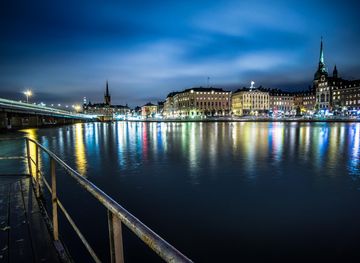
Explore more of Sweden
Discover Sweden's breathtaking landscapes, vibrant cities, and rich cultural heritage. From the Northern Lights to historic castles, experience the essence of Scandinavia.
Explore Sweden