St Görans Ruin Travel Guide
Free Guide: A compact, contemplative 13th-century hospital church ruin tucked outside Visby’s wall — intimate stone arches, mossed blocks and quiet history.


A brief summary of St Görans Ruin
A compact, contemplative 13th-century hospital church ruin tucked outside Visby’s wall — intimate stone arches, mossed blocks and quiet history.
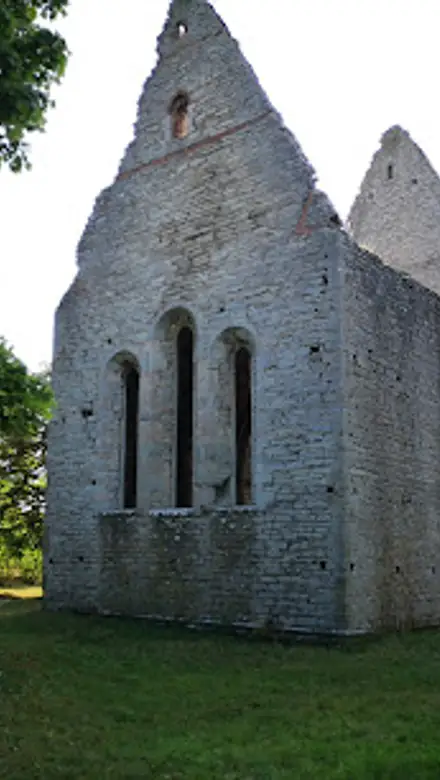
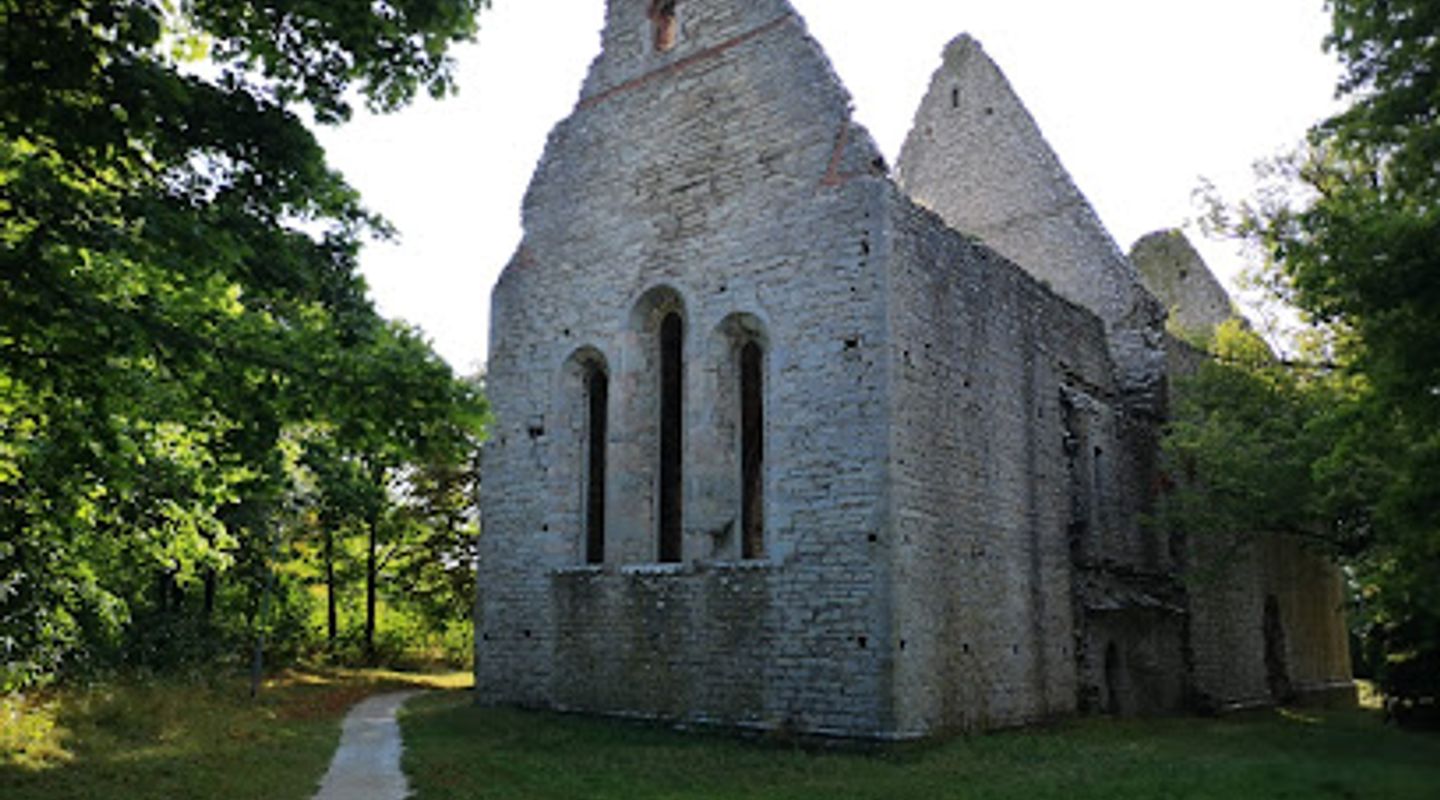
A melancholic, moss-softened fragment of 13th-century Visby, St Görans Ruin stands just outside the medieval city wall as the remains of a hospital church once associated with care for lepers. Weathered stone arches, Gothic window openings and a quiet lawn create an intimate, reflective spot that feels both medieval and lived-in — an atmospheric counterpoint to Visby’s denser ruined churches inside the ring wall.
On-site amenities
 Seating areas
 Information boards
 Trash bins
Opening hours
- Every dayOpen 24 hours
Opening hours as listed on the venue’s Google Business Profile. Hours can change for services and special events, so check with the venue before you go.
- Address
- Munkstigen 10, 621 55 Visby
- Phone
- Website
Getting there
Local bus
Walking from city centre
Taxi
Discover more about St Görans Ruin
Origins and medieval role
St Görans Ruin began life in the 1200s as a small hospital church dedicated to Saint George and was closely linked with a leprosy hospital that served the city’s vulnerable outside the walls. Its siting beyond the ring wall reflects medieval health practice: an institutional complex separated from urban residential areas but still tied to the city’s spiritual and social networks. Built in the Gothic manner common on Gotland, the structure once combined worship space and practical hospital functions for patients and caretakers.
Architectural fragments that tell a story
The ruin preserves characteristic medieval stonework: tall, narrow window openings, fragments of ribbed vaulting and stubby buttresses that hint at the church’s former proportions. Weathered sandstone blocks bear lichen and centuries of wind; the surviving arches frame sky and grass more than congregations now. These fragments make it possible to trace the building’s plan and imagine how the interior light would have fallen across worshippers and those convalescing in the adjoining hospital.
The site’s atmosphere and sensory character
Approaching the ruin you’ll notice a hush. On calm days the dominant sounds are seabirds and distant city life filtered through stone. Stones are cool and slightly damp to the touch; moss and grasses soften thresholds. The ruined openings act as frames for changing light — sharp and clear in summer, gray and brooding in low winter sun. The scale is modest compared with some Visby ruins, which makes the site feel intimate and contemplative rather than monumental.
Historic layers and later reuse
Like many Visby ruins, St Görans shows layers of changing use. After the medieval hospital period the building’s religious role faded with the Reformation and subsequent centuries saw varied, pragmatic reuses of church spaces across the island. Traces of repairs and masonry work from later periods sit alongside earlier dressed blocks, marking a long lifespan of alteration, neglect and occasional conservation interventions designed to stabilise the remaining walls.
Position in Visby’s landscape of ruins
St Görans occupies a quieter edge of the ring wall precinct, outside the dense cluster of inner-city church remnants. Its location tells an important urban story: Visby’s extraordinary abundance of medieval churches reflected both the town’s wealth in the Hanseatic era and a network of specialized institutions—trade chapels, monastic houses and hospital churches such as this. The ruin functions now as a solitary chapter in that larger medieval topography.
What to look for and reflect on
Take time to study the masonry joints and carved stone edges, the way surviving openings orient you toward the sky, and the low, almost domestic scale of some remaining walls that would once have enclosed everyday care. The surrounding lawn and modest planting combine with the stone to create a setting that encourages reflection on continuity and absence: what remains of community structures, how place holds memory, and how everyday life once moved through these now-empty thresholds.
Evendo Review Centre
 Google
Guest reviews
Best time to go
Quietest: Jan, Feb & Dec · before 7am
Busy times are Evendo estimates for a typical year, to help you plan. Actual crowds vary with events, school holidays and the weather.
Explore St Görans Ruin on the map
A handpicked selection of must-see spots near St Görans Ruin, mapped for you.
Get your free copy of our complete guide to St Görans Ruin, delivered straight to you.
Everything on this page, from opening hours and how to get there to Eve’s tips and the best time to go, in one PDF you can read offline, print or share.
Already have an account? Sign in
Your St Görans Ruin guide is ready.
We'll send it to · Not you? Sign out

Getting your guide ready…
We are putting together a fresh copy of the St Görans Ruin guide. This can take up to a minute.
This can take a few moments. If your browser asks, choose Allow so the download can start. You'll find the guide in your Downloads folder.
Nothing happened? Download it again
Sorry, the guide is taking longer than usual. Please try again in a minute, or get it by email instead.
Other nearby places you may find interesting
The closest places of the same kind, if this one is not quite what you had in mind.
-
-
-
-
-


Swipe for more places
More to explore near St Görans Ruin

 Best experiences near St Görans Ruin
 Best hotels near St Görans Ruin
 Best landmarks near St Görans Ruin
 Best attractions near St Görans Ruin
 Best shops near St Görans Ruin
 Best restaurants near St Görans Ruin
 Best bars near St Görans Ruin
Do you manage this location?
Take control to get all the benefits, like improved information, better appearance, and stronger visibility across AI-powered discovery.
Explore more

Explore more of Gotland
Explore Gotland, Sweden's largest island, known for its medieval charm, stunning natural landscapes, and vibrant cultural scene in the heart of the Baltic Sea.
Explore Gotland
Explore more of Sweden
Discover Sweden's breathtaking landscapes, vibrant cities, and rich cultural heritage. From the Northern Lights to historic castles, experience the essence of Scandinavia.
Explore Sweden