

Sundre kastal Travel Guide
Free Guide: A compact medieval sandstone tower on southern Gotland — stout, tactile and quietly commanding the parish landscape around Burgsvik.


A brief summary of Sundre kastal
A compact medieval sandstone tower on southern Gotland — stout, tactile and quietly commanding the parish landscape around Burgsvik.
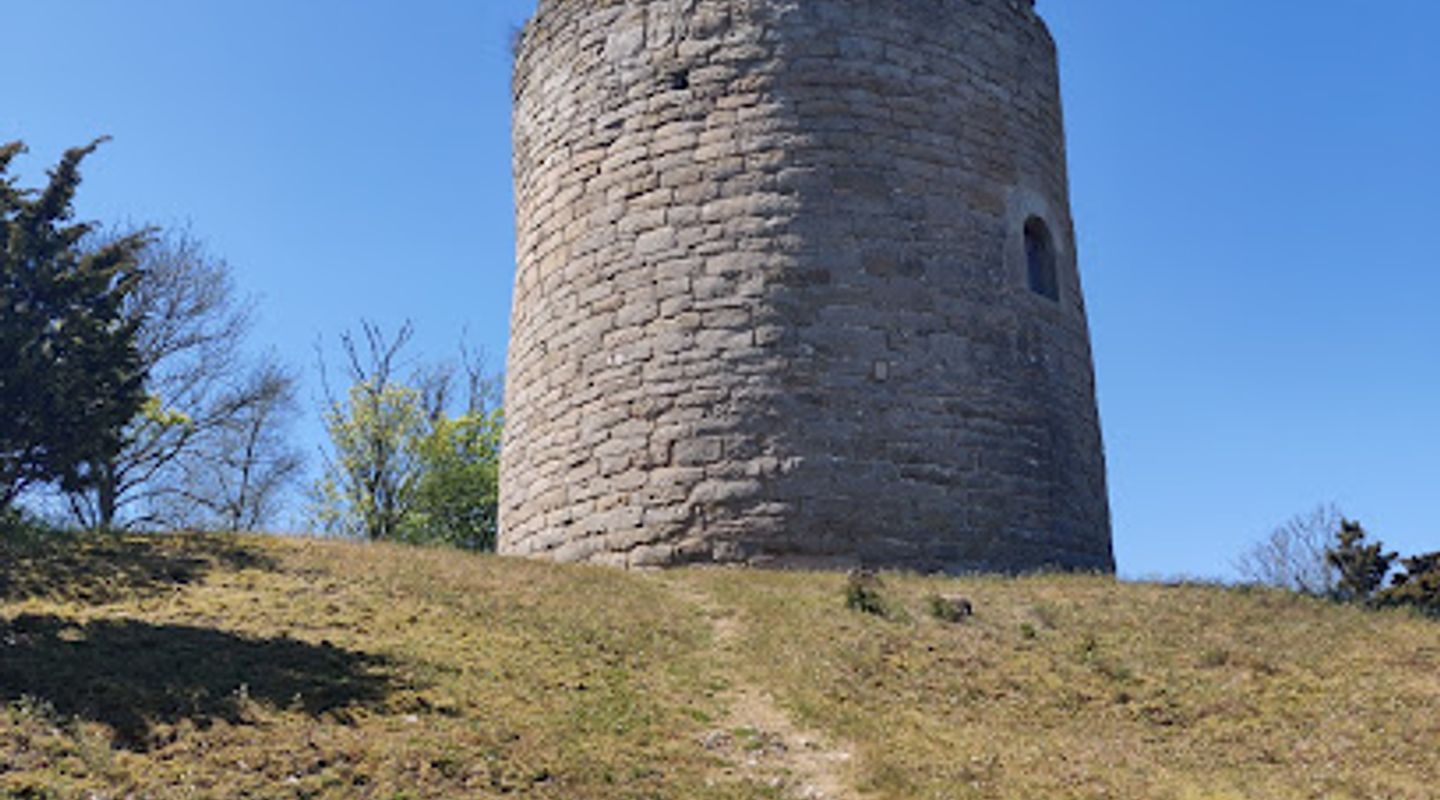
Sundre kastal is a compact, circular medieval stone tower on southern Gotland near Burgsvik, notable for its thick sandstone walls and elevated position beside the parish church. Roughly 12 metres across and preserved to a height of about 12 metres, the kastal is a visible remnant of Gotland’s coastal defensive network from the Middle Ages and offers a close, tactile encounter with carved sandstone masonry and narrow openings that once served a defensive purpose.
On-site amenities
 Seating areas
 Information boards
Opening hours
- Every dayOpen 24 hours
Opening hours as listed on the venue’s Google Business Profile. Hours can change for services and special events, so check with the venue before you go.
- Address
- 500, 623 30 Burgsvik
- Website
Getting there
Car — regional drive
Local bus + short walk
Bicycle
Discover more about Sundre kastal
A solitary sentinel of southern Gotland
Sundre kastal stands as a stout, round stone tower set on the southern headland of Gotland, its silhouette cut from local sandstone and visible from the surrounding low farmland. The kastal’s compact form — a near-circular plan with walls that were built to be thick and defensible — marks it as one of the island’s medieval defensive structures erected where ecclesiastical and local authority met coastal exposure. From its base to the present top the tower reads as a deliberate, pragmatic piece of masonry rather than an ornamental ruin.
Stone, scale and surviving details
Measured in metres rather than stories, the structure is modest in diameter (roughly a dozen metres) with masonry that reveals tool marks, block joints and the warm hue of Gotland’s sandstone. The entrance sits several metres above ground level and is formed by a round-arched opening; the wall thickness and small fenestration tell of a building designed to resist force and observation. Inside, the sense is of compact chambers and verticality — floors and ledges once linked by ladders and timber. The kastal’s preserved height gives an immediate impression of solidity: the tower still reads as a built, functional object rather than a collapsed pile of stones.
Origins, purpose and medieval context
Kastals like this date from the island’s medieval centuries when Gotland’s coastline and parishes needed protection, both for local communities and for assets associated with trade and church holdings. These round towers were often paired functionally with churches or placed to command approaches along the shore and nearby roads. Constructed in a period of frequent raids and seaborne threats, the tower’s design favours defence: elevated entrances, thick walls and limited openings that could serve as observation posts or throwing positions.
Setting and the landscape around Burgsvik
The kastal sits close to the village and gently rolling farmland of southern Gotland; its immediate setting is pastoral and open, often lit by a broad Baltic sky. From near the tower the land drops away to fields, shore meadows and scattered farmsteads, so the kastal also functions as a local high point — not a dramatic cliff-top ruin, but an assertive landmark in the everyday landscape. Seasonal light emphasizes the golden sandstone texture; in autumn and winter the low sun makes the stone’s relief and tool marks more apparent.
What to look for while you linger
Examine the masonry for the regularity of blocks and the surviving dressed faces, notice the doorway’s arch profile and the height of the entrance above the ground — a defensive device that speaks of ladders and removable access. Take in the tower’s proportions: wide walls, narrow apertures and the compact interior footprint. The absence of ornate carving directs attention to construction technique and material rather than decoration; the kastal’s story is told in its solidity and placement.
Cultural resonance and continuity
Although small in scale compared with great castles, Sundre kastal carries the concentrated history of medieval defensive architecture on Gotland and the island’s layered landscape where church, farm and fortification coexist. It survives as a clear, legible piece of built history: a tower that once formed part of a network of similar structures and now reads as a local benchmark in the parish landscape — an object that invites close inspection and reflection on the practical concerns of medieval life on an exposed Baltic isle.
Evendo Review Centre
 Google
Guest reviews
Best time to go
Quietest: Jan, Feb & Dec · before 7am or from 8pm
Busy times are Evendo estimates for a typical year, to help you plan. Actual crowds vary with events, school holidays and the weather.
Explore Sundre kastal on the map
A handpicked selection of must-see spots near Sundre kastal, mapped for you.
Get your free copy of our complete guide to Sundre kastal, delivered straight to you.
Everything on this page, from opening hours and how to get there to Eve’s tips and the best time to go, in one PDF you can read offline, print or share.
Already have an account? Sign in
Your Sundre kastal guide is ready.
We'll send it to · Not you? Sign out

Getting your guide ready…
We are putting together a fresh copy of the Sundre kastal guide. This can take up to a minute.
This can take a few moments. If your browser asks, choose Allow so the download can start. You'll find the guide in your Downloads folder.
Nothing happened? Download it again
Sorry, the guide is taking longer than usual. Please try again in a minute, or get it by email instead.
Other nearby places you may find interesting
The closest places of the same kind, if this one is not quite what you had in mind.
-
-
-
-
-


Swipe for more places
More to explore near Sundre kastal

 Best experiences near Sundre kastal
 Best hotels near Sundre kastal
 Best landmarks near Sundre kastal
 Best attractions near Sundre kastal
 Best shops near Sundre kastal
 Best restaurants near Sundre kastal
 Best bars near Sundre kastal
Do you manage this location?
Take control to get all the benefits, like improved information, better appearance, and stronger visibility across AI-powered discovery.
Explore more

Explore more of Gotland
Explore Gotland, Sweden's largest island, known for its medieval charm, stunning natural landscapes, and vibrant cultural scene in the heart of the Baltic Sea.
Explore Gotland
Explore more of Sweden
Discover Sweden's breathtaking landscapes, vibrant cities, and rich cultural heritage. From the Northern Lights to historic castles, experience the essence of Scandinavia.
Explore Sweden
