Uggarde rojr, Gotland Travel Guide
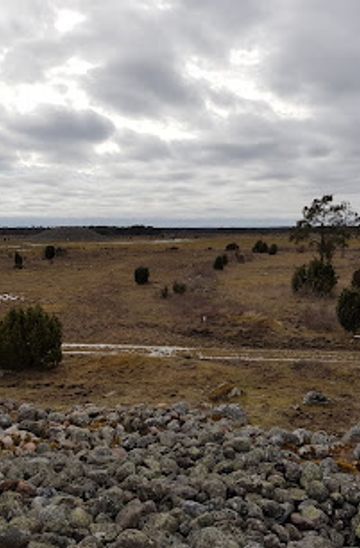
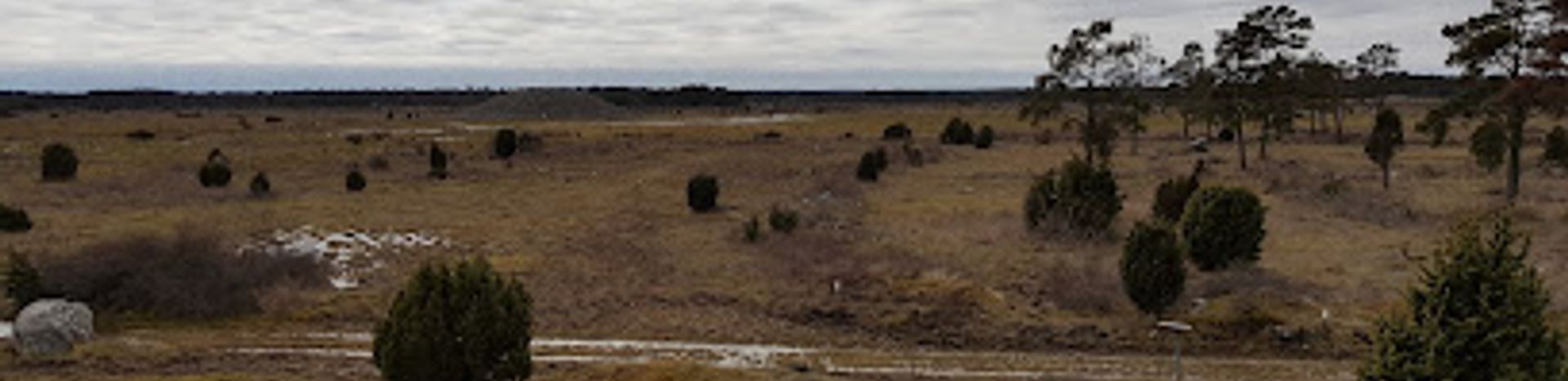
Towering Bronze Age cairn amid Gotland's ancient pastures—one of Sweden's largest intact stone tombs, encircled by sister mounds in a timeless rural necropolis.
Uggarde Rojr stands as one of Sweden's largest Bronze Age burial cairns on Gotland's rural landscape near Hemse. This massive stone mound, approximately 50 meters in diameter and 7-8 meters high with a circumference over 140 meters, features a distinct perimeter ring of large stones. Dated to 1500-1000 BCE, it remains intact without a summit crater, unlike many similar structures. Surrounded by seven other sizable cairns in open pastures, the site evokes ancient rituals amid grazing lands and stone walls. Visitors navigate stiles and uneven terrain on a marked cultural trail, sensing the island's prehistoric heritage in a serene, low-lying setting shaped by post-glacial land uplift.
A brief summary to Uggarde rojr
- S, Hemse, SE
- Click to display
- Duration: 0.5 to 1.5 hours
- Free
-
 Outdoor
- Mobile reception: 4 out of 5

Know before you go
Hi, I'm Eve. Here are a few practical things to know before exploring Uggarde rojr.
- Wear sturdy, waterproof shoes for uneven, potentially muddy pastures and stiles.
- Visit at dawn or dusk for dramatic lighting on the stone perimeter and fewer crowds.
- Explore the seven nearby cairns on the 2 km marked cultural trail for full context.
- Avoid climbing the intact summit to prevent collapse risks.
Do you manage this location?
Take control to get all the benefits, like improved information, better appearance, and stronger visibility across AI-powered discovery. Learn more
Activate your presenceOther nearby places you may find interesting
The closest places of the same kind, if this one is not quite what you had in mind.
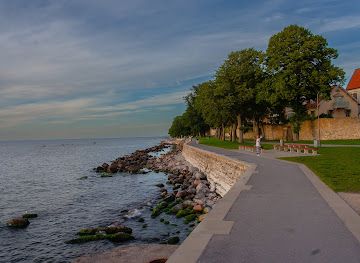
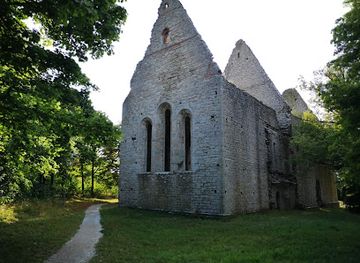
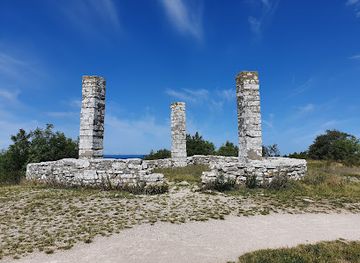
Explore Uggarde rojr on the Map
A handpicked selection of must-see spots near Uggarde rojr, mapped for you.
Getting There
-
Driving
From Hemse, drive south 8 km via Route 140 toward Ronehamn; park roadside at the marked trailhead. 15-20 minutes, free parking limited in pastures, gravel roads may be rutted after rain.
-
Bus
Take Gotland public bus from Visby to Hemse (1 hour, 50-80 SEK), then taxi or bike the final 8 km. Buses run 4-6 times daily, less frequent weekends.
-
Cycling
Rent bike in Hemse and follow quiet roads south; 30-45 minutes on flat terrain with light traffic. Sturdy tires recommended for gravel approaches.
-
Walking
From Rone Church 4.4 km north, hike the cultural trail through pastures; 50-70 minutes, crossing multiple stiles on uneven, sometimes wet ground.
For the on-the-go comforts that matter to you
-
 Information Boards
-
 Trash Bins
Discover more about Uggarde rojr
Bronze Age Monumental Scale
Uggarde Rojr dominates the Gotlandic countryside as a colossal stone cairn from the older Bronze Age, spanning roughly 50 meters in diameter and rising 7 to 8 meters high. Its circumference exceeds 140 meters, encircled by a prominent chain of large perimeter stones that define its ancient form. Unlike countless other cairns that have collapsed inward, forming craters at their peaks, Uggarde Rojr retains its solid, unbroken profile—a testament to its enduring structural integrity.This imposing structure, unexcavated due to the sheer volume of stones, hints at elaborate burial practices of a society capable of mobilizing vast labor for funerary monuments.Cluster of Ancient Cairns
The site forms part of a striking concentration of prehistoric monuments in the Rone parish lowlands. Seven additional large cairns dot the immediate surroundings, creating an open-air necropolis amid pastures and faint ancient paths. Stone walls, or 'stainvastar,' weave through the grassy hummocks, blending natural and human-made features into a cohesive Bronze Age landscape.To the south, the Iron Age ringfort known as Gudings slott adds layers to the area's antiquity, inviting exploration of successive eras on Gotland.Linguistic Roots and Naming
The name 'Uggarde' derives from Old Gotlandic, interpreted as 'Ugglegården' or 'Ugglegårdarna,' evoking owl-haunted estates or farmsteads in local etymological studies. This linguistic tie roots the site in the island's early settlement patterns, where place names preserve echoes of forgotten lives and lore.Speculation links it to epic sagas, such as the resting place of legendary figures from Beowulf or Angantyr tales, though its true purpose remains shrouded in the unturned stones.Geological Transformation
Gotland's land uplift, a legacy of the last Ice Age, has raised Uggarde Rojr about 6 meters over three millennia, shifting it from a coastal vantage to inland fields. This isostatic rebound underscores how natural forces have redefined the monument's context, once perhaps overlooking ancient waters now far distant.The surrounding betesagar—grazing meadows—offer varied terrain, from dry rocky outcrops to lush grass, crossed by stiles that channel visitors along the marked path.Mysterious Features and Caution
Toward the southeast, in the direction of sunrise, a intriguing depression or hollow approaches the cairn's base, its purpose unknown—perhaps a ritual feature or natural anomaly. The site's stability belies warnings of potential collapse, urging careful footing on loose stones.This unprobed giant rewards patient observers with a palpable sense of prehistoric reverence amid the whisper of wind through pasture grasses.












Your all‑in‑one travel companion app
Explore expert travel guides, compare and book tours, experiences, hotels, and more—all from the palm of your hand. Download now for seamless trip planning wherever your wanderlust takes you.


Explore More of Gotland
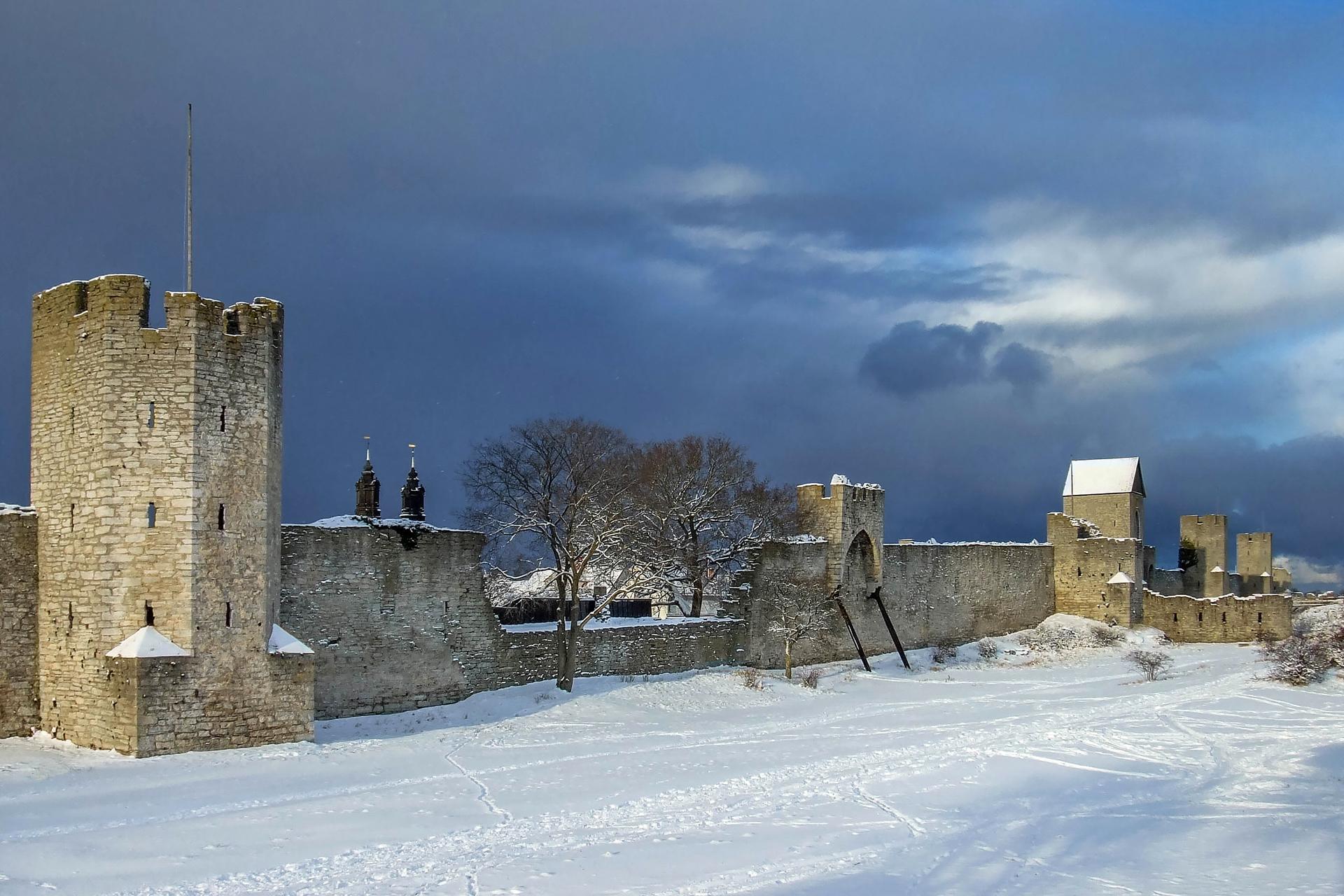
Looking beyond Uggarde rojr? Discover Gotland for broader travel guides, local hot-spots, and regional highlights.
Explore Gotland