

Tullbron Travel Guide
Free Guide: Falkenberg's timeless stone arch over the Ätran: from 18th-century tolls to today's vital link, blending history, engineering, and scenic river charm.


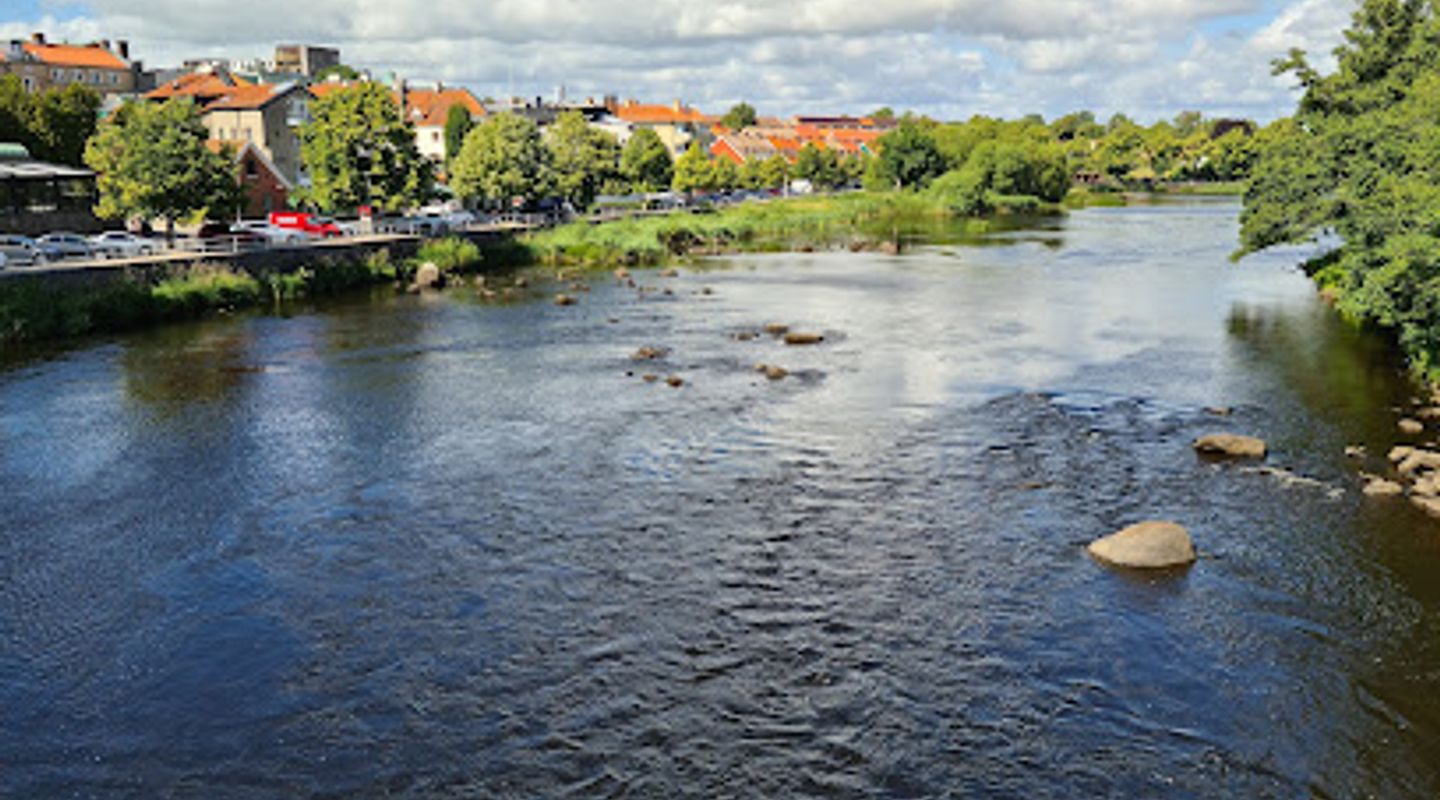
A brief summary of Tullbron
Falkenberg's timeless stone arch over the Ätran: from 18th-century tolls to today's vital link, blending history, engineering, and scenic river charm.
Tullbron, Falkenberg's iconic 18th-century stone arch bridge, gracefully spans the Ätran River in the heart of this coastal Swedish town. Built between 1756 and 1761, this listed building replaced fragile wooden structures and served as a toll bridge until 1914. Still carrying daily traffic of around 3,800 vehicles, it blends historic charm with modern use, offering scenic views and a tangible link to the region's past near the ruins of Falkenberg Fort.
On-site amenities
 Drinking water
 Seating areas
 Trash bins
 Information boards
Opening hours
- Every dayOpen 24 hours
Opening hours as listed on the venue’s Google Business Profile. Hours can change for services and special events, so check with the venue before you go.
- Address
- Brogatan, 311 31 Falkenberg
- Website
Getting there
Bus
Walking
Bicycle
Car
Discover more about Tullbron
Origins of a Sturdy Span
In the mid-18th century, the need for a reliable crossing over the Ätran River became pressing in Falkenberg. County governor Hans Hummelheim championed the project, enlisting renowned architect Carl Hårleman to design a stone arch bridge. Approved by 1752, the plans evolved after Hårleman's death, with Carl Cronstedt adding a fifth arch for stability. Construction began in July 1756 under Fridrich August Rex, who led soldiers from local regiments in the labor-intensive work using stones from Källstorp and timber from Fagered.The total cost reached 34,258 Swedish riksdaler, a significant investment reflecting the bridge's importance to regional connectivity. Rex's detailed personal journal, later published, chronicles the challenges of building on a wider river section with superior bedrock, marking a triumph of engineering over the river's seasonal floods that had repeatedly destroyed prior wooden bridges at Garvareforsen.
Engineering Marvel of Its Era
Tullbron's five elegant arches showcase masterful 18th-century stonework, designed to withstand the Ätran's powerful currents and ice flows. Measuring about 7.2 meters wide originally, the structure was a bold departure from temporary wooden spans, providing a permanent link between Falkenberg's growing northern and southern banks. Its position was carefully chosen for geological strength, ensuring longevity despite the broader span required.Soldiers' disciplined efforts under Rex transformed raw materials into a durable monument, completed in 1761 after five years of toil. The bridge's graceful curves and robust piers not only facilitated trade and travel but also symbolized Sweden's infrastructural ambitions during the era, standing as a testament to collaborative ingenuity amid harsh coastal conditions.
Era of Tolls and Local Life
Adjacent to the bridge stood a toll house, rented in six-year terms to private operators who maintained the structure in exchange for fees from northbound travelers. Locals from nearby Årstad and Faurås paid half, easing daily passage. The house doubled as a pub, fostering social gatherings, and later housed the press for Falkenbergs Tidning before its demolition in 1933.Tolls persisted until 1914, funding upkeep as traffic swelled with Falkenberg's expansion southward and the rise of Skrea strand as a beach destination. This period wove Tullbron into the fabric of community life, where merchants, farmers, and beachgoers crossed amid the river's murmur, blending commerce with coastal leisure.
Restorations and Modern Endurance
Major repairs in 1927 and 1994 preserved Tullbron's integrity, with the latter addressing wear from constant use. Listed as a protected building since 1984, it now handles roughly 3,800 vehicles daily on its widened 13.5-meter span, following a contentious 1939 expansion debate sparked by surging traffic.Proximity to Falkenberg Fort's ruins adds layered historical depth, inviting reflection on medieval defenses now juxtaposed with Enlightenment engineering. Today, Tullbron endures as a living relic, harmonizing vehicular flow with pedestrian appreciation of its arched silhouette against the Ätran's flow.
Icon in Falkenberg's Riverside Tapestry
Nestled in Falkenberg's vibrant center along Brogatan, Tullbron frames the town's picturesque riverside, where Ätran's waters carve through timbered houses and lush banks. Its presence influences local rhythms, from morning commutes to evening strolls, offering vantage points for observing river life—seagulls wheeling overhead, salmon leaping in season, and sunlight dancing on wet stones.As a namesake for Tullbroskolan high school, it permeates cultural identity, embodying resilience against natural forces while anchoring Falkenberg's heritage as a Halland County gem.
Evendo Review Centre
 Google
Guest reviews
Best time to go
Quietest: Jan, Feb & Nov · before 6am or from 11pm
Busy times are Evendo estimates for a typical year, to help you plan. Actual crowds vary with events, school holidays and the weather.
Explore Tullbron on the map
A handpicked selection of must-see spots near Tullbron, mapped for you.
Get your free copy of our complete guide to Tullbron, delivered straight to you.
Everything on this page, from opening hours and how to get there to Eve’s tips and the best time to go, in one PDF you can read offline, print or share.
Already have an account? Sign in
Your Tullbron guide is ready.
We'll send it to · Not you? Sign out

Getting your guide ready…
We are putting together a fresh copy of the Tullbron guide. This can take up to a minute.
This can take a few moments. If your browser asks, choose Allow so the download can start. You'll find the guide in your Downloads folder.
Nothing happened? Download it again
Sorry, the guide is taking longer than usual. Please try again in a minute, or get it by email instead.
Other nearby places you may find interesting
The closest places of the same kind, if this one is not quite what you had in mind.
-
-
-
-
-


Swipe for more places
More to explore near Tullbron

 Best experiences near Tullbron
 Best hotels near Tullbron
 Best landmarks near Tullbron
 Best attractions near Tullbron
 Best shops near Tullbron
 Best restaurants near Tullbron
 Best bars near Tullbron
Do you manage this location?
Take control to get all the benefits, like improved information, better appearance, and stronger visibility across AI-powered discovery.
Explore more

Explore more of Halland
Discover Halland, Sweden's coastal paradise with sandy beaches, historic towns, and lush nature reserves. Perfect for outdoor adventures, cultural experiences, and relaxation.
Explore Halland
Explore more of Sweden
Discover Sweden's breathtaking landscapes, vibrant cities, and rich cultural heritage. From the Northern Lights to historic castles, experience the essence of Scandinavia.
Explore Sweden
