

Varberg Fortress Travel Guide
Free Guide: Europe's ultimate Renaissance fortress guarding Sweden's Kattegat coast, with medieval mysteries, rampart panoramas, and Halland's preserved past.


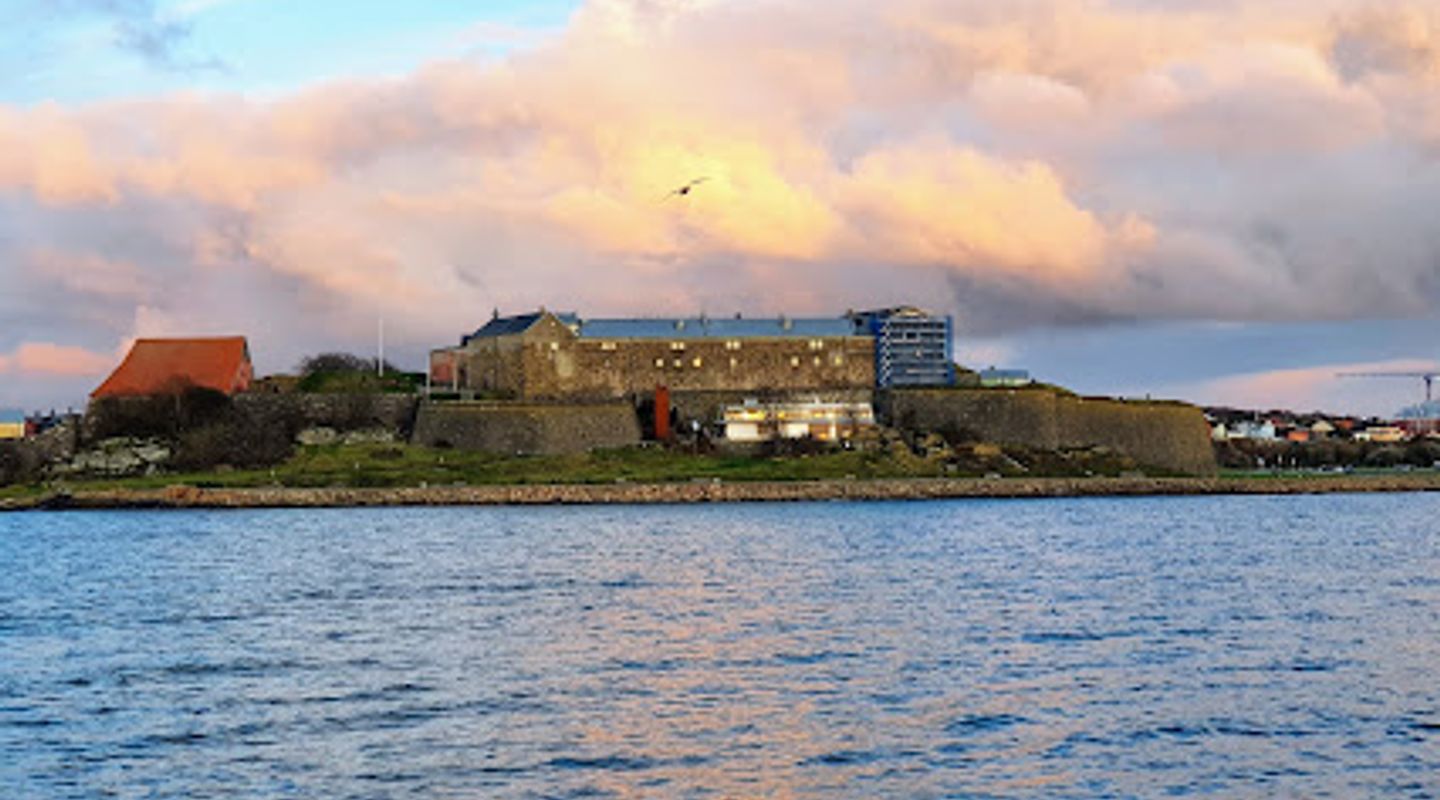
A brief summary of Varberg Fortress
Europe's ultimate Renaissance fortress guarding Sweden's Kattegat coast, with medieval mysteries, rampart panoramas, and Halland's preserved past.
Perched dramatically on a rocky promontory overlooking the Kattegat Sea, Varberg Fortress stands as one of Sweden's most formidable coastal defenses. Built in the early 17th century, this well-preserved bastion transitioned from military stronghold to prison and now houses Hallands Kulturhistoriska Museum, featuring the remarkably preserved 14th-century Bocksten Man. Explore medieval ramparts with sweeping sea views, delve into Halland's rich history through engaging exhibits, and soak in the timeless atmosphere where stone walls whisper tales of battles, captivity, and cultural transformation. Cafés and seasonal events add modern vibrancy to this historic gem.
On-site amenities
 Restrooms
 Drink options
 Food options
 Seating areas
 Sheltered areas
 Trash bins
 Information boards
 Visitor centre
Opening hours
- Every dayOpen 24 hours
Opening hours as listed on the venue’s Google Business Profile. Hours can change for services and special events, so check with the venue before you go.
- Address
- FÄSTNINGEN 1, 432 44 Varberg
- Phone
- Website
Getting there
Bus
Walking
Taxi
Cycling
Discover more about Varberg Fortress
Fortress Foundations Amid the Waves
Varberg Fortress rises imposingly from a cliffside perch above the restless Kattegat Sea, its robust stone walls a testament to Renaissance-era engineering. Construction began in the late 16th century under Danish rule, culminating in 1618 as Europe's most advanced defense facility, designed to repel naval assaults with star-shaped bastions and thick ramparts. No enemy ever breached its defenses, a fact that underscores its strategic brilliance amid the turbulent Sweden-Denmark borderlands.The fortress's location amplifies its grandeur; waves crash below while gulls wheel overhead, creating an auditory backdrop of nature's raw power blended with human resilience.
Bocksten Man: A Medieval Enigma
At the heart of Hallands Kulturhistoriska Museum lies the Bocksten Man, discovered in 1936 within a peat bog at Åkulle. This 14th-century figure, preserved with his intact red-blond hair and Europe's finest surviving medieval garb—a woolen hose, tunic, and hood—offers an uncanny window into daily life circa 1350. Likely murdered by garroting, impalement, and drowning, his story fuels speculation: was he a local noble, a pilgrim, or a sacrificial victim?Exhibits surrounding him detail forensic analysis, weaving textile history with grim pathology, all set against the fortress's echoing chambers.
From Prison Cells to Cultural Haven
By 1830, military needs waned, sparing the fortress from demolition. It morphed into a notorious prison, housing up to 500 inmates in grim isolation cells during the 1848-1881 peak. Kronohäktet, built for solitary confinement, evokes the era's harsh penal reforms. Prisoners toiled until 1931, their echoes lingering in the preserved architecture.The 20th century brought rebirth: the fortress became a museum site, courtyard alive with art from Varberg School painters and temporary displays on Halland's folklore and fisheries.
Ramparts and Seascapes
Walk the expansive ramparts for panoramic vistas of Varberg's tiled roofs merging into sandy shores and endless horizon. These walkways, unfenced and weathered, invite contemplation of past sentinels scanning for Danish sails. Sunset bathes the stones in amber, while summer breezes carry salt and seaweed scents.The fortress yard buzzes gently with visitors tracing history's footsteps amid manicured lawns and cannon emplacements.
Seasonal Spectacles and Daily Life
Summer ignites with medieval days: costumed reenactments, jousts, and markets revive 1600s bustle. Guided tours reveal hidden passages and ghost lore, while the on-site forge demonstrates blacksmith craft. Kafé Längan serves fika with apple cake recipes from 1597, pairing perfectly with sea breezes.Winter quiets the site, frost riming battlements for stark, introspective beauty.
Evendo Review Centre
 Google
Guest reviews
Best time to go
Quietest: Jan, Feb & Nov · before 8am or at 9pm
Busy times are Evendo estimates for a typical year, to help you plan. Actual crowds vary with events, school holidays and the weather.
Explore Varberg Fortress on the map
A handpicked selection of must-see spots near Varberg Fortress, mapped for you.
Get your free copy of our complete guide to Varberg Fortress, delivered straight to you.
Everything on this page, from opening hours and how to get there to Eve’s tips and the best time to go, in one PDF you can read offline, print or share.
Already have an account? Sign in
Your Varberg Fortress guide is ready.
We'll send it to · Not you? Sign out

Getting your guide ready…
We are putting together a fresh copy of the Varberg Fortress guide. This can take up to a minute.
This can take a few moments. If your browser asks, choose Allow so the download can start. You'll find the guide in your Downloads folder.
Nothing happened? Download it again
Sorry, the guide is taking longer than usual. Please try again in a minute, or get it by email instead.
Other nearby places you may find interesting
The closest places of the same kind, if this one is not quite what you had in mind.
-
-
-
-
-


Swipe for more places
More to explore near Varberg Fortress

 Best experiences near Varberg Fortress
 Best hotels near Varberg Fortress
 Best landmarks near Varberg Fortress
 Best attractions near Varberg Fortress
 Best shops near Varberg Fortress
 Best restaurants near Varberg Fortress
 Best bars near Varberg Fortress
Do you manage this location?
Take control to get all the benefits, like improved information, better appearance, and stronger visibility across AI-powered discovery.
Explore more

Explore more of Halland
Discover Halland, Sweden's coastal paradise with sandy beaches, historic towns, and lush nature reserves. Perfect for outdoor adventures, cultural experiences, and relaxation.
Explore Halland
Explore more of Sweden
Discover Sweden's breathtaking landscapes, vibrant cities, and rich cultural heritage. From the Northern Lights to historic castles, experience the essence of Scandinavia.
Explore Sweden
