
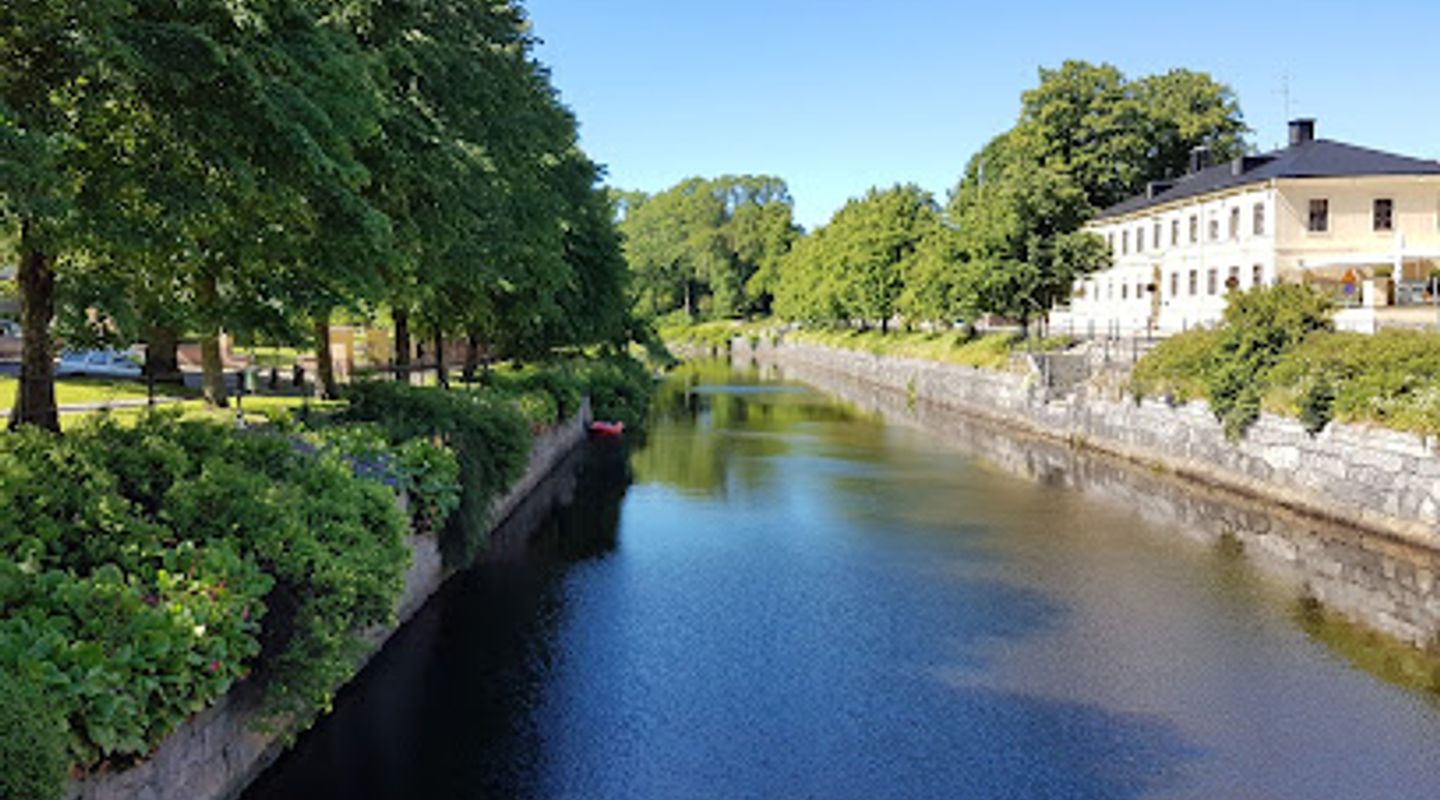
Gävlebocken, Halsingland Travel Guide
A larger-than-life straw goat erected each winter in Gävle — festive craft, civic ritual and a famously combustible local tradition.
A towering straw goat erected each December in central Gävle, the Gävlebocken is a long-running local tradition and seasonal landmark. Constructed from bundled straw and timber, it dominates the square with its rustic silhouette and attracts attention for both its festive charm and a notorious history of arson attempts. The goat is rebuilt most winters, its presence marking the start of the holiday season and serving as a focal point for local gatherings and photo opportunities.
A brief summary to Gävlebocken
- Södra Kungsgatan 5, Gävle, 802 51, SE
- Click to display
- Click to display
- Free
-
 Outdoor
- Mobile reception: 4 out of 5

Know before you go
Hi, I'm Eve. Here are a few practical things to know before exploring Gävlebocken.
- Check local announcements for erection dates and any protective barriers in place; the goat is a seasonal installation, not a permanent sculpture.
- Visit at dusk when the surrounding lights warm the straw’s colour and the square feels more atmospheric for photos.
- Respect safety fences and instructions — the goat has been subject to arson attempts and may be cordoned off to protect visitors.
- Combine your visit with a walk of the nearby streets to appreciate the town centre architecture and seasonal decorations.
Do you manage this location?
Take control to get all the benefits, like improved information, better appearance, and stronger visibility across AI-powered discovery. Learn more about listing your business on Evendo
Activate your presenceExplore Gävlebocken on the Map
A handpicked selection of must-see spots near Gävlebocken, mapped for you.
Getting There
-
Local bus
City bus service from central Gävle: frequent departures (every 10–20 minutes during daytime) to central stops near the square; journey typically 5–15 minutes from residential hubs. Tickets purchased via the regional transit app or onboard (card/contactless); typical single fares range from SEK 30–45. Be aware some late-evening services run less often.
-
Train plus walk
Regional train to Gävle central station, then an easy 10–20 minute walk across town centre (flat urban terrain, paved streets) depending on which exit you use; train travel times vary by origin—local services often 20–60 minutes from nearby towns. Train fares depend on operator and route; expect approximately SEK 50–200 for typical short regional trips when purchased in advance.
-
Taxi or ride-hail
Taxi from within Gävle: a direct option taking around 5–15 minutes within the city depending on traffic; fares typically SEK 100–250 for short central journeys. Note: taxi costs increase at night and during peak events; confirm fixed price or meter estimate with the driver.
For the on-the-go comforts that matter to you
-
 Seating Areas
-
 Information Boards
-
 Trash Bins
Discover more about Gävlebocken
Origins and seasonal role in Gävle
The Gävlebocken began as a community-built holiday symbol: a large straw goat placed on a public square in Gävle each late November or early December. Traditionally constructed from timber and tied bundles of straw, its simplified animal form echoes Scandinavian rural crafts — straw figures made to celebrate harvests and turn-of-year rituals. For residents, the goat announces the festive season and provides a visual landmark: a shock of ochre against the winter townscape and a reminder of local civic ritual.Craft, materials and changing scales
The goat’s structure is intentionally simple but substantial: a wooden frame wrapped in dense straw bundles lashed in place. Over the decades its size has fluctuated; some editions have been modest, others deliberately ambitious, reaching several metres high to dominate the square. The combination of natural straw and open timber gives it a tactile, organic quality — up close you can see individual straw stems, the knots of twine and the hand-worked joinery that keep the form together, while a rope or two and hay-scented air are part of the immediate sensory impression.An uneasy fame and local responses
What began as a seasonal centrepiece acquired a more complicated reputation: the goat has been subject to repeated attempts at sabotage and arson. That notoriety has shaped how the city manages the installation — stronger anchors, fire-retardant treatments where permitted, and sometimes protective fencing or surveillance during the most vulnerable nights. The pattern of destruction and rebuilding is part of the goat’s modern story: each reconstruction underlines a local determination to keep the tradition alive while adapting safety measures and public messaging to protect people and property.Public rituals, photography and atmosphere
When the goat stands, it acts as a gathering point. Families pause for photographs, children circle the base and seasonal lighting often frames it after dark. The environment around it can shift from quiet daytime curiosity to a warmer, more social ambience in the evening when holiday lights soften the square and the straw takes on a golden glow. Photographers favour perspectives that place the goat against the historic façades of nearby buildings or low winter light; its scale and texture make it a memorable subject for both quick snapshots and more composed images.Practical cultural notes
The goat is strictly ceremonial rather than interactive: visitors should respect any protective barriers and local instructions. Its construction and presence are tied to local volunteers, municipal decisions and seasonal programming, so the exact dates of erection and removal vary. The goat’s repeated destruction has also prompted civic conversations about heritage, public spectacle and how to balance open celebration with sensible precautions — an element of its story that reveals how a simple seasonal object can become a wider cultural touchstone.Why the goat matters beyond the square
Beyond being a holiday prop, the Gävlebocken is a symbol of communal continuity and adaptability. Its repeated rebuilds reflect local pride and the willingness to preserve a quirky tradition in the face of challenges. Whether you encounter a newly raised goat or the remains of one that was rebuilt again, the object carries layers of meaning: craft and seasonal cheer, contested public ritual, and the ongoing dialogue between local identity and how the wider world responds to a very specific civic symbol.












Your all‑in‑one travel companion app
Explore expert travel guides, compare and book tours, experiences, hotels, and more—all from the palm of your hand. Download now for seamless trip planning wherever your wanderlust takes you.


Explore More of Halsingland
Looking beyond Gävlebocken? Discover Halsingland for broader travel guides, local hot-spots, and regional highlights.
Explore Halsingland