

Free Hälsingland Travel Guide & Mobile App
Explore Hälsingland with free travel guides. Discover regional history, expert tips, proposed trips, and audio guides on web or mobile app.




Explore Hälsingland in Sweden for UNESCO farmhouses, forest trails, coastal towns, river valleys, folk culture and year-round outdoor activities.
Read more about Hälsingland
When is the best time to visit Hälsingland?
Best: June–August · 22–24°C| Month | High (°C) | Rainfall (mm) |
|---|---|---|
| January | 1 | 40 |
| February | 1 | 35 |
| March | 7 | 40 |
| April | 11 | 40 |
| May | 17 | 45 |
| June (best) | 22 | 50 |
| July (best) | 24 | 60 |
| August (best) | 23 | 65 |
| September | 17 | 55 |
| October | 10 | 50 |
| November | 4 | 45 |
| December | 1 | 40 |
Getting to and around Hälsingland
How to get there
Transportation
Best attractions in Hälsingland
Hälsingland's attractions range from coastal townscapes and maritime heritage to forest parks, river valleys and carefully preserved farm environments. The Decorated Farmhouses of Hälsingland are the region's most distinctive cultural offering: the UNESCO-listed properties reveal the scale, painted interiors and social traditions of prosperous farming households. Historic churches, village environments and local museums add context without requiring a single large urban centre. Järvsö combines a notable church village with skiing, cycling, walking and wildlife experiences, while Hamra National Park protects old forest, wetlands and quiet trails in the western interior. The Ljusnan and Voxnan valleys provide opportunities for canoeing, fishing and riverside recreation, and the Baltic coast offers boating, swimming and excursions around sheltered shorelines. Visitors interested in industrial history can explore the legacy of ironworking, forestry and railways in towns and former works. The region is also well suited to seasonal activities: cross-country skiing and downhill sports in winter, hiking and cycling in warmer months, and berry, mushroom and wildlife outings in the forests. Distances are part of the experience, with rural roads linking attractions that are best approached at an unhurried pace.
-
Animal park
Vildriket
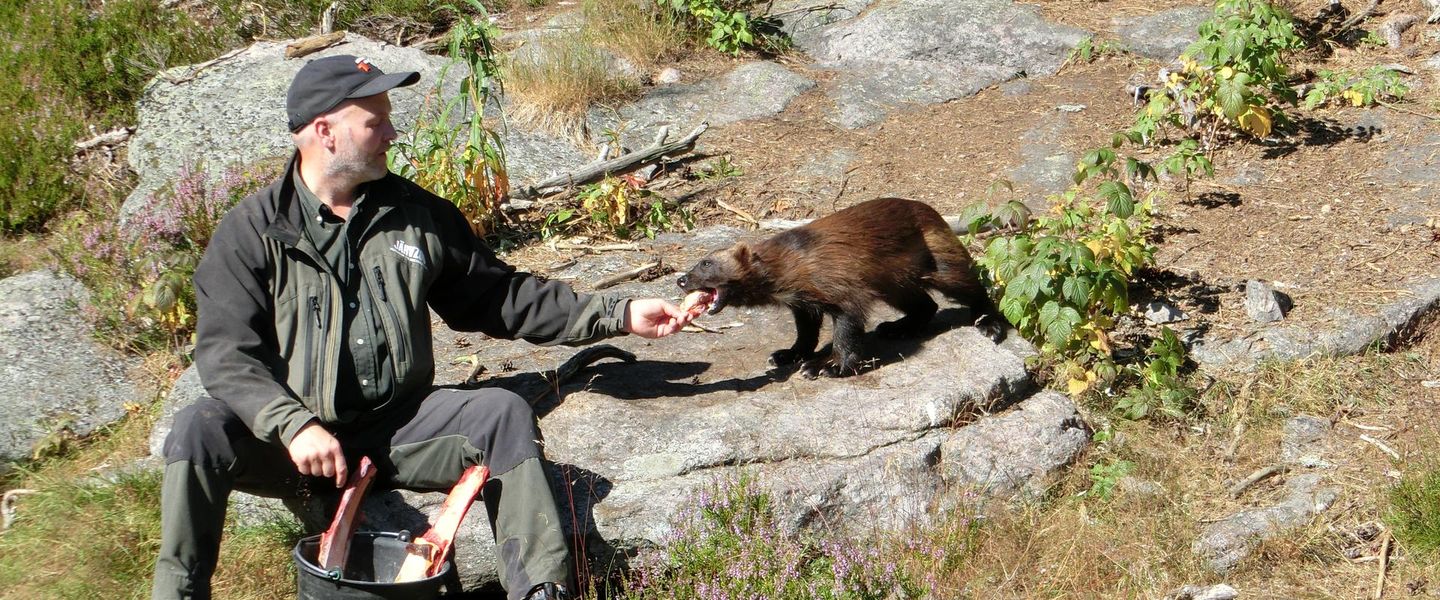
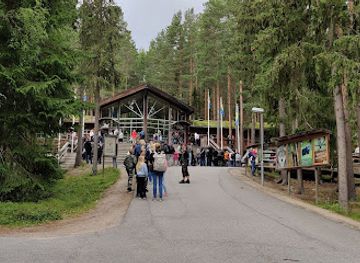
Step into Nordic wilderness at Vildriket, where wolves, lynx, and musk oxen roam natural forests along a 3km boardwalk—year-round magic in Järvsö's heart for families and nature lovers.
-
Animal park
Järvzoo
Wander 3km boardwalks through Swedish forest to glimpse wolves, bears, lynx and moose in natural realms—year-round wildlife magic in Järvsö's heart.
-
Tourist attraction
Döda fallet
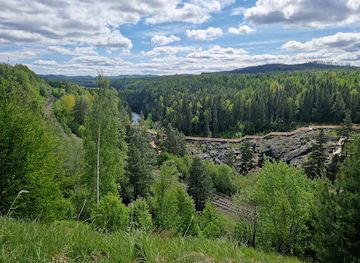
A silent, sculpted riverbed where an 18th‑century engineering disaster drained a great waterfall and left a dramatic geological theatre.
-
Tourist attraction
Hällingsåfallet
A 40–42 m waterfall plunging into an 800 m-long canyon—misty cliffs, rare mosses and dramatic ice sculptures in Jämtland.

Best landmarks in Hälsingland
The most recognisable landmarks of Hälsingland are closely tied to its rural architecture, waterways and industrial past. The decorated farmhouses at places such as Kristofers in Järvsö, Gästgivars in Vallsta and Erik-Anders in Asta stand out for their scale, timber construction and painted ceremonial rooms; together with other properties, they form the UNESCO World Heritage property Decorated Farmhouses of Hälsingland. Järvsö Church, prominently situated above the Ljusnan valley, is an important historic building and a visual focus of the surrounding settlement. Along the coast, the old town environments and harbour landscapes of Hudiksvall and Söderhamn express the region's maritime role, even where later rebuilding has altered the historic fabric. Inland rivers, forest ridges and the old-growth landscapes of Hamra National Park are natural landmarks rather than monumental structures, giving the western part of the province a different visual identity. Former iron and timber centres, railway buildings and industrial waterfronts complete the picture of a region shaped by farming, forests, water and trade.
-
Tourist attraction
Gävlebocken
A larger-than-life straw goat erected each winter in Gävle — festive craft, civic ritual and a famously combustible local tradition.
-
Store
Hälsingegård Erik-Anders
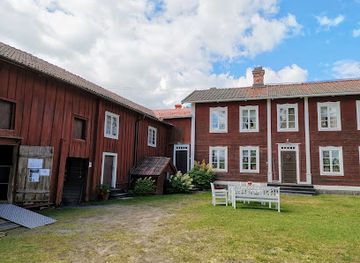
Upplev UNESCO-världsarvsgården Erik-Anders: herrgårdsliknande arkitektur, dekorerade interiörer, trädgårdskafé och B&B i Hälsinglands lugna bygd.
-
Tourist attraction
Oscarsborg
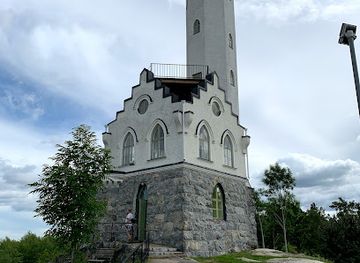
Climb the 1895 Oscarsborg Tower on Östra Berget for breathtaking 360° views of Söderhamn's sea, skyline, and hills—a historic city symbol blending park serenity with panoramic reward.
-
Historical landmark
Gästgivars, Vallsta
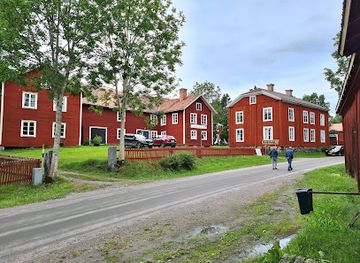
UNESCO-listed Hälsingegård where vibrant folk art, lively farm animals, and homemade ostkaka bring 19th-century rural grandeur to life in Vallsta.
Explore Hälsingland on the map
Plan your trip on one map. See where the top cities, national parks and sights are, and book hotels and experiences in a few clicks.
Best hotels in Hälsingland
Best restaurants in Hälsingland
Dining in Hälsingland reflects both its farming country and its Baltic and forest environment. Crispbread is a notable regional food tradition, while local tables may also feature potatoes, dairy products, freshwater fish, game, berries, mushrooms and preserved foods. Around the coast, fish and seafood are natural choices; inland, cafés, farm shops and rural inns often emphasise seasonal ingredients and baking. Järvsö, Hudiksvall, Söderhamn and the other larger centres provide the broadest choice of restaurants, from contemporary Swedish cooking to relaxed cafés and traditional pubs. Smaller communities tend to offer a more limited but often locally focused selection, so opening arrangements should be checked outside the summer season. Farmers' markets and producer shops are useful for discovering cheeses, breads, preserves and other regional specialities, while coffee with a bun remains part of the wider Swedish fika tradition. Look for menus that identify local provenance rather than assuming every Swedish dish is specific to Hälsingland.
-
Restaurant
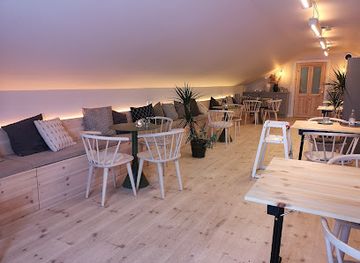
Restaurant Albertina
Savor Baltic Sea seafood amid Skärså harbor's serene fishing village charm, where local prawns and salmon shine in a waterfront idyll.
-
 Restaurant
Värdshuset Glada Hudik
Sweden's gladaste vägkrog: Hearty husmanskost, cozy rooms, and motorway convenience in cheerful Hudiksvall.
-
Restaurant
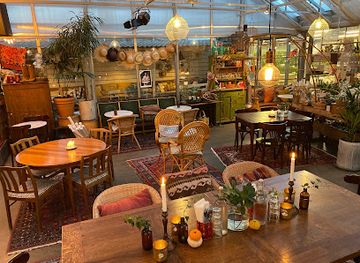
Little K's Trädgårdskök
Hälsingland's greenest café: homemade bakes, seasonal lunches, and quirky charm amid lush gardens and eclectic treasures in Bollnäs.
-
Restaurant
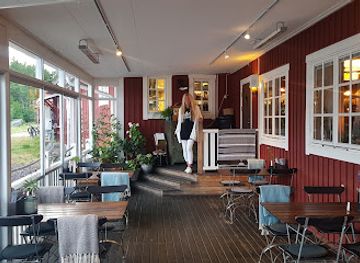
Ystegårn Cafe & Bistro
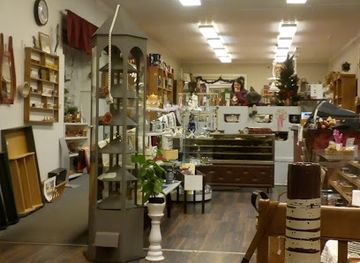
A charming Hälsingland farmstead café and bistro — local food, vintage finds and sunlit courtyard calm.
Best bars in Hälsingland
Evenings in Hälsingland are generally centred on pubs, restaurants, hotel bars and community cultural events rather than a large nightclub circuit. Hudiksvall and Söderhamn offer the widest choice of places for a drink, live music or a late meal, while Bollnäs, Ljusdal and Järvsö provide smaller evening scenes shaped by local residents, seasonal visitors and outdoor tourism. Traditional pubs and welcoming cafés are more characteristic than specialist club districts, and summer brings additional activity around coastal waterfronts and local events. In rural areas, closing times and opening days can be limited, especially outside the main holiday period, so a relaxed dinner or an organised concert may be a more realistic plan than late-night entertainment. Breweries and drinks featuring Swedish ingredients may appear on contemporary menus, but alcohol is not necessary to participate in the region's evening cultural life.
-
Irish pub
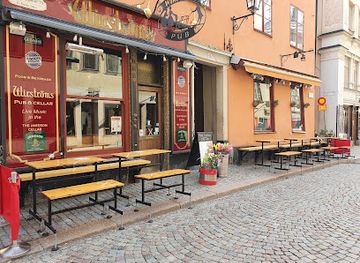
Wirströms Pub
Cozy Irish pub in Gamla Stan's historic cellars: craft pours, live tunes, pub grub, and sports in Stockholm's Old Town heart.
-
Live music bar
Stampen
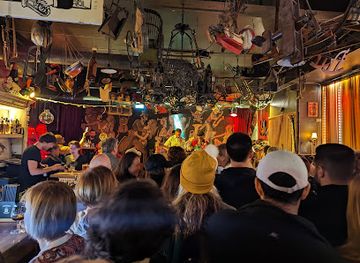
A compact, cellar-born jazz and blues bar in Gamla Stan where nightly roots music meets low ceilings, curious decor and strong drinks.
-
Bar
Pharmarium
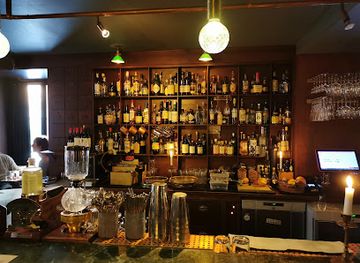
An intimate apothecary‑themed cocktail bar on Stortorget serving theatrical, carefully crafted drinks and small plates in a warm, cabinet‑like setting.
-
Cocktail bar
Tiki Room
Stockholm’s hidden basement tiki bar — theatrical rum cocktails, patterned mugs and an intimate tropical set-piece in Vasastan.

Best nightclubs in Hälsingland
Evenings in Hälsingland are generally centred on pubs, restaurants, hotel bars and community cultural events rather than a large nightclub circuit. Hudiksvall and Söderhamn offer the widest choice of places for a drink, live music or a late meal, while Bollnäs, Ljusdal and Järvsö provide smaller evening scenes shaped by local residents, seasonal visitors and outdoor tourism. Traditional pubs and welcoming cafés are more characteristic than specialist club districts, and summer brings additional activity around coastal waterfronts and local events. In rural areas, closing times and opening days can be limited, especially outside the main holiday period, so a relaxed dinner or an organised concert may be a more realistic plan than late-night entertainment. Breweries and drinks featuring Swedish ingredients may appear on contemporary menus, but alcohol is not necessary to participate in the region's evening cultural life.
-
Night club
Debaser Hornstulls Strand
Stockholm's waterfront icon for live gigs, club nights, and beer garden hangs—where music meets Liljeholmsviken's breeze in Södermalm's heart.
-
Night club
Colosseum Nightclub
Massive late-night clubbing in Johanneshov — big sound, big lights and a warehouse-scale dancefloor for weekend DJs and themed nights.
-
Night club
Rose Club
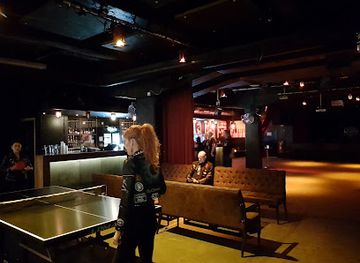
Elegant velvet and rose elegance ignite Stockholm's nightlife with DJ-fueled beats and glamorous vibes until dawn.
-
Night club
Sense Stockholm
Dive into Stockholm's pulsating nightlife at Sense, where DJ beats, craft cocktails, and stylish vibes create unforgettable weekend escapes in Norrmalm.


Best shops in Hälsingland
Shopping in Hälsingland is distributed through market towns, village high streets, farm shops and seasonal markets rather than concentrated in a single retail district. Hudiksvall, Söderhamn, Bollnäs and Ljusdal provide the broadest selection of everyday shops, independent businesses, cafés and galleries. In smaller communities, look for locally made crafts, textiles, ceramics, woodwork and artwork, as well as food products such as crispbread, cheeses, preserves, honey, berries and baked goods. Farm shops are particularly useful for regional produce when travelling between rural attractions, although their opening arrangements can vary. Around Järvsö and the decorated farmhouse sites, craft traditions and heritage-inspired products are more visible, while coastal towns offer maritime-themed goods and local design. Antiques and second-hand shops appear in some market towns, but visitors should not expect extensive luxury retail. A practical souvenir is often a food product or small piece of craftsmanship that reflects Hälsingland's continuing links with farming, forestry and handwork.
-
Department store
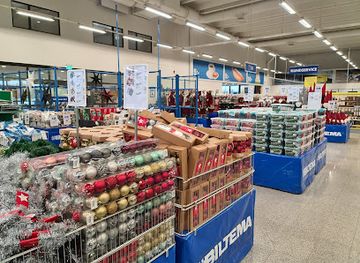
Biltema Bollnäs
Allt för bil, hem och fritid under ett tak — Biltema Bollnäs på Norrlandsvägen för hemmafixare och yrkesfolk.
-
Store
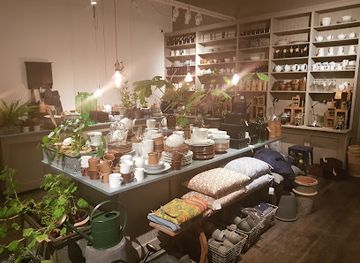
Månses Design
Timeless Swedish porcelain and garden café bliss in Stugsund's serene coastal haven—where design meets daily delight.
-
Sporting goods store
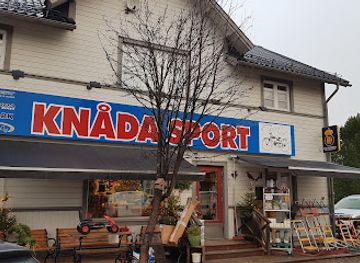
Knåda Sport
Family-run haven for bikes, skis, Husqvarna gear, and rural outdoor essentials in Hälsingland's Edsbyn outskirts—new, used, and built for adventure.
-
Store
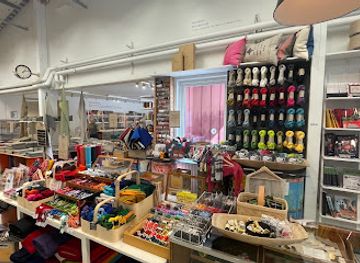
Växbo Lin
Discover Sweden's living linen legacy at Växbo Lin, where traditional weaving crafts durable, eco-conscious textiles in Hälsingland's countryside heart.
Get your free copy of our complete guide to Hälsingland, delivered straight to you.
Everything on this page, from attractions and restaurants to essentials and local phrases, in one PDF you can read offline, print or share.
Already have an account? Sign in
Your Hälsingland guide is ready.
We'll send it to · Not you? Sign out

Getting your guide ready…
We are putting together a fresh copy of the Hälsingland guide. This can take up to a minute.
This can take a few moments. If your browser asks, choose Allow so the download can start. You'll find the guide in your Downloads folder.
Nothing happened? Download it again
Sorry, the guide is taking longer than usual. Please try again in a minute, or get it by email instead.
Hälsingland essentials
Currency and Payment
Safety
Emergency Situations
Do's and Don'ts
Local Tips
From Eve
Local phrases worth knowing
You don't need to get them perfect. A few words go a long way, and locals appreciate the effort.
Basics
| English | Local | Say it |
|---|---|---|
| Hello | Hej | [hey] |
| Goodbye | Adjö | [ah-yo] |
| Yes | Ja | [yah] |
| No | Nej | [nay] |
| Please/You're welcome | Snälla/Tack så mycket | [snel-lah/tahk soh mye-ket] |
| Thank you | Tack | [tahk] |
| Excuse me/Sorry | Ursäkta/Mitt fel | [oor-sehk-tah/mitt fel] |
| How are you? | Hur mår du? | [hoor mohr doo] |
| Fine. And you? | Bra. Och du? | [bra. ohk doo] |
| Do you speak English? | Talar du engelska? | [tah-lar doo eng-el-skah] |
| I don't understand | Jag förstår inte | [yahg fur-stor in-teh] |
Eating & Drinking
| English | Local | Say it |
|---|---|---|
| I'd like to see the menu, please | Jag skulle vilja se menyn, tack | [yahg skool-leh vil-yah seh meh-nin, tahk] |
| I don't eat meat | Jag äter inte kött | [yahg eh-ter in-teh kyoht] |
| Cheers! | Skål! | [skawl] |
| I would like to pay, please | Jag skulle vilja betala, tack | [yahg skool-leh vil-yah beh-tah-lah, tahk] |
Emergencies
| English | Local | Say it |
|---|---|---|
| Help! | Hjälp! | [yelp] |
| Go away! | Gå bort! | [goh bort] |
| Call the Police! | Ring polisen! | [ring poh-lee-sen] |
| Call a doctor! | Ring en läkare! | [ring en leh-kah-reh] |
| I'm lost | Jag är vilse | [yahg air veal-seh] |
| I'm ill | Jag är sjuk | [yahg air shook] |
Shopping
| English | Local | Say it |
|---|---|---|
| I'd like to buy... | Jag skulle vilja köpa... | [yahg skool-leh vil-yah shur-pah] |
| I'm just looking | Jag tittar bara | [yahg tit-tar bah-rah] |
| How much is it? | Hur mycket kostar det? | [hoor mye-ket koh-star deh] |
| That's too expensive | Det är för dyrt | [deh air fur deert] |
| Can you lower the price? | Kan du sänka priset? | [kan doo sen-kah pree-set] |
Time & Numbers
| English | Local | Say it |
|---|---|---|
| What time is it? | Vad är klockan? | [vahd air kloh-kahn] |
| It's one o'clock | Den är ett | [dehn air eht] |
| Half past (10) | Halv efter (10) | [halv ef-ter (ten)] |
| Morning | Morgon | [mor-gon] |
| Afternoon | Eftermiddag | [ef-ter-mid-dahg] |
| Evening | Kväll | [kvel] |
| Yesterday | Igår | [ee-gor] |
| Today | Idag | [ee-dahg] |
| Tomorrow | Imorgon | [ee-mor-gon] |
| 1 | 1 | [ett] |
| 2 | 2 | [två] |
| 3 | 3 | [tre] |
| 4 | 4 | [fyra] |
| 5 | 5 | [fem] |
| 6 | 6 | [sex] |
| 7 | 7 | [sju] |
| 8 | 8 | [åtta] |
| 9 | 9 | [nio] |
| 10 | 10 | [tio] |
Transport & Directions
| English | Local | Say it |
|---|---|---|
| Where's a/the...? | Var är en/den...? | [var air en/dehn] |
| What's the address? | Vad är adressen? | [vahd air ah-dres-sen] |
| Can you show me (on the map)? | Kan du visa mig (på kartan)? | [kan doo vee-sah may (poh kar-tan)] |
| When's the next (bus)? | När går nästa (buss)? | [nair gohr nes-ta (boos)] |
| A ticket (to ....) | En biljett (till ...) | [en beel-yet (til ...)] |
History of Hälsingland
Early Settlement and Iron Age Communities
Archaeological evidence shows long settlement in Hälsingland, particularly around its river valleys, lakes and coastal plains. Farming communities developed alongside hunting, fishing and trade, while burial sites and artefacts reveal connections with wider Scandinavian networks during the Iron Age. The region's waterways helped move people and goods between the interior and the Baltic coast. Although many prehistoric remains are modest in scale, they form the early background to Hälsingland's later pattern of villages, cultivated clearings and resource-based economies.
Medieval Law, Farming and Trade
During the Middle Ages, Hälsingland was a recognised historical province within the Swedish realm, with its own legal and administrative traditions before the gradual consolidation of royal authority. Agriculture, forestry, fishing and trade supported settlements around the coast and along the river valleys. Churches became important local centres, and medieval church sites still help explain the organisation of historic communities. Contacts across the Gulf of Bothnia and with central Sweden brought religious, commercial and political influences into a region that remained relatively dispersed.
Coastal Ports and the Growth of Hudiksvall and Söderhamn
The coastal towns of Hudiksvall and Söderhamn developed as centres for trade, shipping and administration. Hudiksvall was founded as a town in the sixteenth century, while Söderhamn's importance grew through its harbour and links with timber and other regional products. Their streets and waterfronts were repeatedly affected by fire, rebuilding and changing industrial needs. The towns connected inland farming and forest districts with Baltic commerce, helping Hälsingland participate in the expanding Swedish economy.
Ironworking and Early Industry
Iron production became an important part of Hälsingland's economic history from the early modern period onwards. Works at places including Iggesund used local forests for charcoal and drew on regional transport routes, while coastal access assisted the movement of materials and finished goods. Ironworking introduced industrial organisation alongside older farming communities and established long-lasting links between the province and Sweden's wider metal economy. Many later industrial settlements grew from this combination of forests, water power, skilled labour and access to the coast.
The Nineteenth-Century Forest Economy
During the nineteenth century, commercial forestry, sawmilling and timber transport transformed Hälsingland. Steam power, improved roads and the expanding railway network made it easier to move logs from inland forests towards mills and ports. Prosperity from farming and timber helped some families build the large decorated farmhouses for which the region is known, with elaborate interiors used for festivities and visiting guests. At the same time, industrial growth altered work patterns, settlement and the relationship between rural communities and the coastal towns.
Railways, Migration and Modernisation
Railway construction in the late nineteenth and early twentieth centuries connected Hälsingland more closely with Stockholm, the northern regions and inland timber districts. Stations encouraged new settlements, trade and mobility, while some residents left for cities or emigrated overseas in search of work. Mechanisation and later changes in forestry, manufacturing and agriculture reduced the number of people employed in traditional rural occupations. The present landscape, with prosperous towns, working forests, heritage farms and quieter villages, reflects these successive economic shifts.
The Decorated Farmhouses as Cultural Heritage
The decorated farmhouses represent a distinctive rural building tradition that flourished particularly in the eighteenth and nineteenth centuries. Large timber homes were arranged around farmyards and included richly painted rooms for weddings, feasts and other important gatherings. Their interiors combine local craftsmanship with influences from ecclesiastical and urban art. Seven properties were inscribed together as the UNESCO World Heritage property Decorated Farmhouses of Hälsingland in 2012, recognising the buildings as an unusually complete record of farming society, domestic life and artistic expression.
Hälsingland in Photos
Browse through our photo collection highlighting the charm and character of the destination.
Neighbouring regions of Hälsingland
The closest regions to Hälsingland, if you have time for more than one.
-

-

-

-

-


Swipe for more regions
Explore more
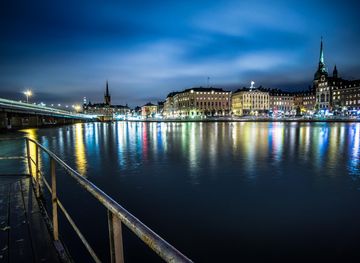
Explore more of Sweden
Discover Sweden's breathtaking landscapes, vibrant cities, and rich cultural heritage. From the Northern Lights to historic castles, experience the essence of Scandinavia.
Explore Sweden