Krönikebrunnen, Jönköping Travel Guide
Free Guide: Bronze chronicle at Hovrättstorget: John Lundqvist's fountain evokes Jönköping's founding king amid courthouse grandeur and cobblestone charm.


A brief summary of Krönikebrunnen
Bronze chronicle at Hovrättstorget: John Lundqvist's fountain evokes Jönköping's founding king amid courthouse grandeur and cobblestone charm.
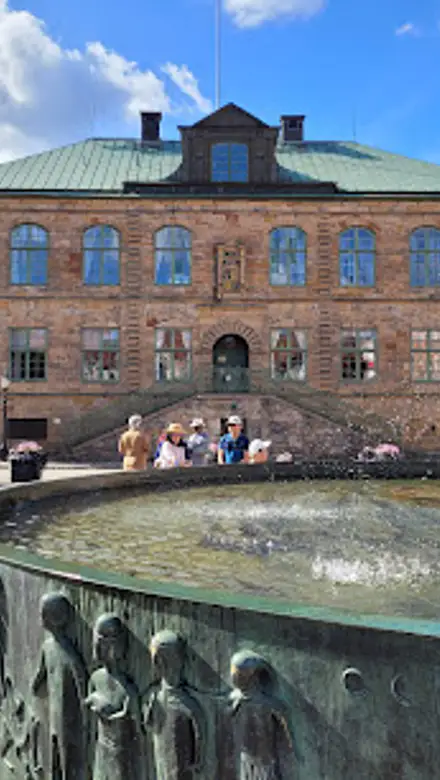
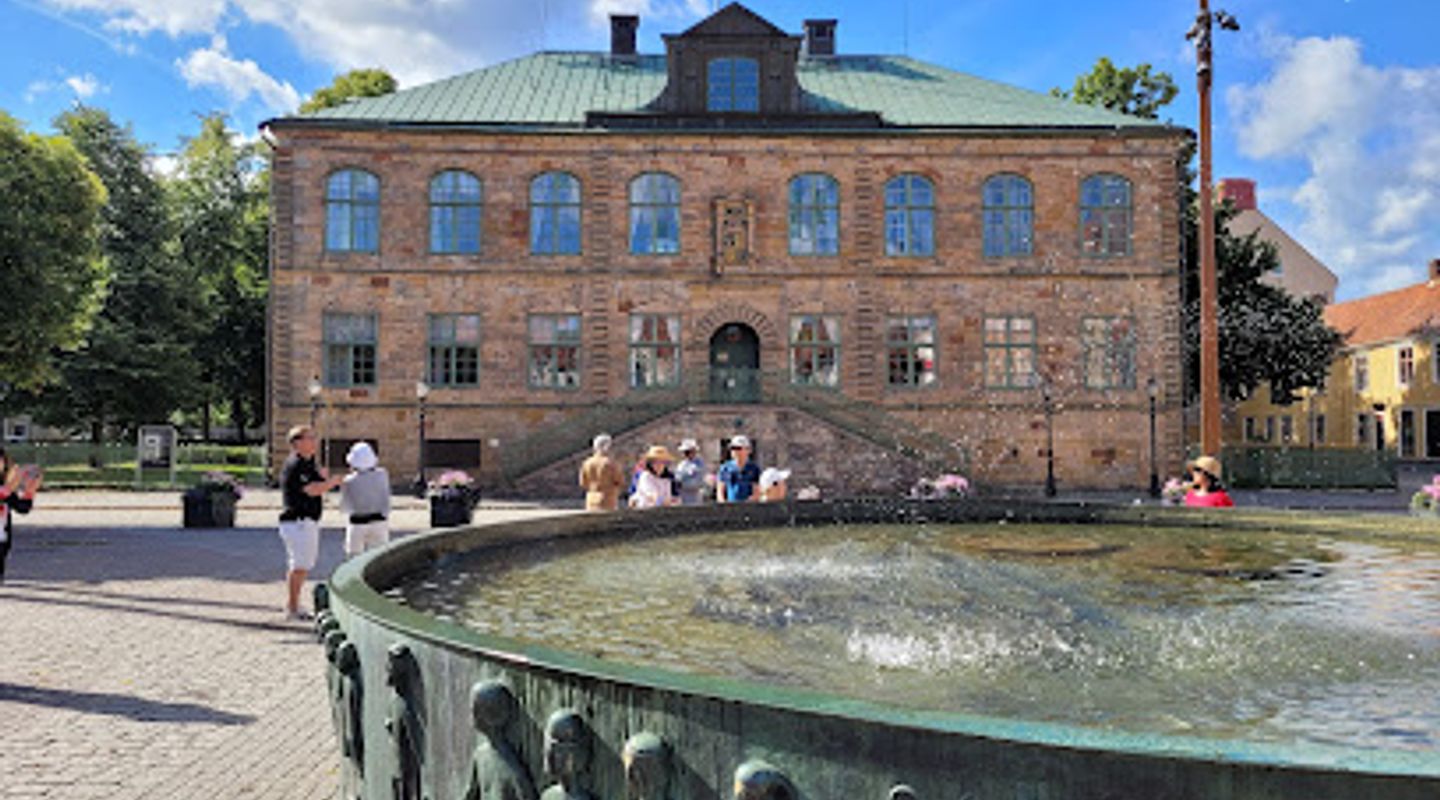
Krönikebrunnen, a striking bronze fountain by artist John Lundqvist, anchors the heart of Hovrättstorget in Jönköping. Crafted in 1958, its intricate reliefs evoke the city's founding by King Magnus Ladulås and centuries of local history. Surrounded by historic landmarks like Göta Hovrätt and Gamla Rådhuset, this public square offers a serene spot amid the bustling Öster district, blending artistry, heritage, and everyday Swedish life in a compact urban oasis.
On-site amenities
 Seating areas
 Trash bins
 Drink options
 Food options
Opening hours
- Every dayOpen 24 hours
Opening hours as listed on the venue’s Google Business Profile. Hours can change for services and special events, so check with the venue before you go.
- Address
- Hovrättstorget 4, 553 21 Jönköping
- Website
Getting there
Walking
Bus
Biking
Taxi
Discover more about Krönikebrunnen
Birth of a Historic Square
Hovrättstorget emerged after Jönköping's western city burned in 1612 ahead of a Danish attack, prompting reconstruction east of the Hamnkanal. Previously known as Stora torget, it became the new market hub along Östra Storgatan, paved in stone to serve as the city's vibrant center. Surrounded by early wooden structures, including a two-story town hall from the 1620s, the square quickly embodied the resilience of Jönköping's inhabitants.
Monuments of Justice and Power
From the 1630s, Göta Hovrätt rose in Trånghallasandsten, a masterpiece of French classicism likely designed by Simon de la Vallée, completed by the 1660s. Sweden's oldest surviving courthouse in use, it features a grand sandstone portico, double stone staircase, and facade with chained pilasters. Nearby, after a 1690 fire, Erik Dahlbergh's Gamla Rådhuset in Dutch classicism took shape in 1696–1699, its three stories symbolizing renewed civic authority amid the square's evolving layout.
The Fountain's Artistic Legacy
In 1958, following a park phase from 1906, the square was repaved, centering John Lundqvist's bronze Krönikebrunnen. This basin's robust reliefs allude to Magnus Ladulås, Jönköping's 13th-century founder, weaving tales of medieval origins into modern public space. The fountain's craftsmanship captures the city's chronicle, inviting contemplation of its layered past—from market bustle to judicial solemnity.
Shifting Scenes and Surroundings
The southeast corner once hosted Tyska maden and a canal to Breda hamnen, filled by the 1920s to form Kanalgatan. Eastward, a wooden theater from 1825 yielded to August Atterström's 1905 Jönköpings Teater and Grand Hotel. North side briefly housed a tingsrätt until 2012. Today, cobblestones and greenery frame the fountain, with the Hovrätt building as a protected monument alongside its park.
A Living Heart of Öster
Nestled between Östra Storgatan and Smedjegatan, Hovrättstorget retains Jönköping's oldest standing buildings, blending 17th-century stone with 20th-century redesign. Its central role persists as a gathering spot, echoing market days and trials while offering quiet amid shops and cafes. The fountain's water play and historical motifs create a timeless pause in urban rhythm.
Enduring Cultural Tapestry
Göta Hovrätt, instituted in 1634 under Axel Oxenstierna's reforms—inspired by German Hofgericht over French Parlement—shifted to a new site in 2003. Built from 1639 by Heinrich Gottwald with local sandstone, its two stories (scaled back from three for cost) bear Queen Kristina's initials above the portal. Krönikebrunnen thus crowns a square where architecture narrates Sweden's legal and civic evolution.
Evendo Review Centre
 Google
Guest reviews
Best time to go
Quietest: Jan, Feb & Nov · before 8am or from 10pm
Busy times are Evendo estimates for a typical year, to help you plan. Actual crowds vary with events, school holidays and the weather.
Explore Krönikebrunnen on the map
A handpicked selection of must-see spots near Krönikebrunnen, mapped for you.
Get your free copy of our complete guide to Krönikebrunnen, delivered straight to you.
Everything on this page, from opening hours and how to get there to Eve’s tips and the best time to go, in one PDF you can read offline, print or share.
Already have an account? Sign in
Your Krönikebrunnen guide is ready.
We'll send it to · Not you? Sign out

Getting your guide ready…
We are putting together a fresh copy of the Krönikebrunnen guide. This can take up to a minute.
This can take a few moments. If your browser asks, choose Allow so the download can start. You'll find the guide in your Downloads folder.
Nothing happened? Download it again
Sorry, the guide is taking longer than usual. Please try again in a minute, or get it by email instead.
Other nearby places you may find interesting
The closest places of the same kind, if this one is not quite what you had in mind.
-
-
-
-
-


Swipe for more places
More to explore near Krönikebrunnen

 Best experiences near Krönikebrunnen
 Best hotels near Krönikebrunnen
 Best landmarks near Krönikebrunnen
 Best attractions near Krönikebrunnen
 Best shops near Krönikebrunnen
 Best restaurants near Krönikebrunnen
 Best bars near Krönikebrunnen
Do you manage this location?
Take control to get all the benefits, like improved information, better appearance, and stronger visibility across AI-powered discovery.
Explore more

Explore more of Jönköping
Discover Jönköping, a captivating blend of natural beauty, historical charm, and modern attractions on the shores of Lake Vättern in Southern Sweden.
Explore Jönköping
Explore more of Sweden
Discover Sweden's breathtaking landscapes, vibrant cities, and rich cultural heritage. From the Northern Lights to historic castles, experience the essence of Scandinavia.
Explore Sweden