
Vasastenen, Kalmar Travel Guide
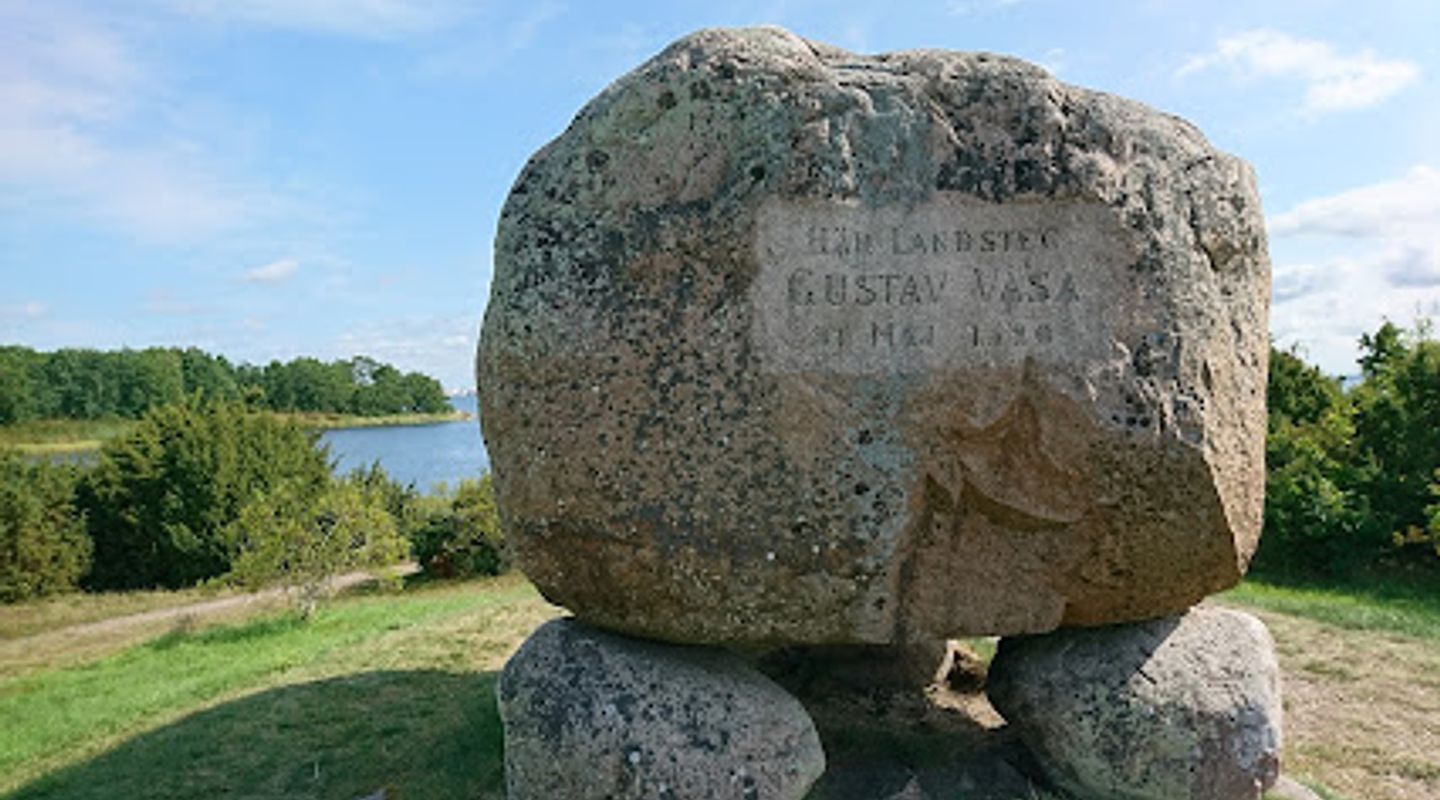
Rugged stone memorial at Stensö udde honoring Gustav Vasa's 1520 landing—the spark of Sweden's liberation from the Kalmar Union and birth of a kingdom.
Vasastenen is a prominent memorial stone on Stensö udde in Kalmar, marking the historic landing of Gustav Vasa on May 31, 1520. This event sparked the Swedish War of Liberation, leading to his rise as king and Sweden's independence from the Kalmar Union. Erected in 1933, the rugged stone stands at the peninsula's tip, overlooking the sea, symbolizing a pivotal moment in Swedish history. Surrounded by coastal scenery, it offers a serene spot to reflect on national origins amid whispers of waves and wind.
A brief summary to Vasastenen
- Kalmar, SE
- Duration: 0.5 to 1.5 hours
- Free
-
 Outdoor
- Mobile reception: 4 out of 5

Know before you go
Hi, I'm Eve. Here are a few practical things to know before exploring Vasastenen.
- Visit at low tide to explore tidal pools around the peninsula for marine life glimpses.
- Bring binoculars for birdwatching; seabirds frequent the udde year-round.
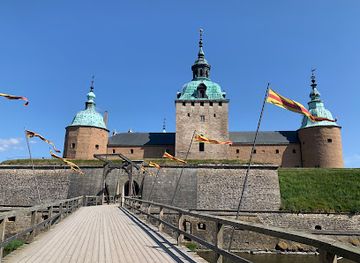
- Combine with a walk to nearby Kalmar Castle for fuller context on Vasa's era.
Do you manage this location?
Take control to get all the benefits, like improved information, better appearance, and stronger visibility across AI-powered discovery. Learn more about listing your business on Evendo
Activate your presenceOther nearby places you may find interesting
The closest places of the same kind, if this one is not quite what you had in mind.
Explore Vasastenen on the Map
A handpicked selection of must-see spots near Vasastenen, mapped for you.
Getting There
-
Bus
Take Kalmar Länstrafik bus 33 from Kalmar Central Station to Stensövägen stop, 20-25 minutes, runs hourly, SEK 30-40 single ticket; short walk follows on flat paths.
-
Bicycle
Cycle from Kalmar city center via coastal route, 25-35 minutes on paved and gravel paths, bike rentals available downtown for SEK 100-200 per day; secure locking at site.
-
Walking
Walk from Kalmar Castle along shoreline trail, 45-60 minutes on uneven coastal terrain with some elevation, suitable for moderate fitness; windy conditions possible.
-
Taxi
Taxi from Kalmar train station, 10-15 minutes direct, SEK 200-300 depending on vehicle; limited parking at udde, advance booking advised off-peak.
For the on-the-go comforts that matter to you
-
 Trash Bins
-
 Information Boards
-
 Seating Areas
Discover more about Vasastenen
Gustav Vasa's Dramatic Landing
On May 31, 1520, Gustav Eriksson, later known as Gustav Vasa, stepped ashore at Stensö udde, a rocky peninsula jutting into the Baltic Sea just south of Kalmar. Having escaped Danish captivity at Kalö Castle, this landing ignited the Swedish War of Liberation against King Christian II of the Kalmar Union. The young nobleman's arrival rallied supporters, setting the stage for rebellion that would reshape Sweden.The site captures the tension of that era: a fugitive noble defying union forces, his feet touching Swedish soil amid uncertainty. This moment, though debated in exact location, underscores Vasa's resolve, launching a campaign that ended with his election as king in 1523.The Memorial's Enduring Presence
In 1933, Gustav Vasa-stenen was erected at Stensö's outermost point, a massive boulder inscribed to commemorate the landing. Towering over the landscape, it draws the eye against the horizon, its weathered surface etched with history. Earlier monuments, like a bust from 1851 now in Kalmar's city park, highlight the site's shifting commemorations over centuries.The stone's placement evokes the isolation Vasa might have felt, exposed to sea winds and open skies. It stands as a tangible link to Vasatiden, the transformative period under Vasa's rule, when Sweden emerged from medieval shadows into a centralized state.From Rebellion to Royal Power
Gustav Vasa's landing propelled victories like the Battle of Brunnbäck Ferry and capture of Västerås, weakening Christian II. By 1523, Kalmar fell, Stockholm surrendered, and Vasa was crowned, dissolving the Kalmar Union. His reign introduced taxation, a national army, and Protestant reforms, subordinating the Church to the Crown.Stensö udde thus symbolizes national rebirth. Vasa's strategic acumen turned rebellion into state-building, creating government offices and hereditary monarchy. The stone silently recounts this shift from union subjugation to sovereign strength.Stensö Udde's Coastal Character
The peninsula blends rugged shoreline with open vistas, where Baltic waves crash against granite. Sparse vegetation clings to rocky outcrops, and seabirds wheel overhead, enhancing the site's raw, elemental feel. Seasonal changes paint it vividly: summer greens yielding to autumn gales, winter ice framing the stone.This natural setting amplifies the monument's drama, inviting contemplation of history amid sensory immersion—the salt-tanged air, cry of gulls, and endless sea. It remains a quiet anchor in Kalmar's coastal tapestry.Legacy in Swedish Identity
Vasastenen endures as a beacon of independence, inspiring reflections on leadership and resilience. Anniversaries, like the 500th in 2020, revive its story through exhibitions at nearby Kalmar Castle, exploring Vasa's power dynamics. The site weaves personal daring into collective memory, a cornerstone of Sweden's narrative.












Your all‑in‑one travel companion app
Explore expert travel guides, compare and book tours, experiences, hotels, and more—all from the palm of your hand. Download now for seamless trip planning wherever your wanderlust takes you.


Explore More of Kalmar
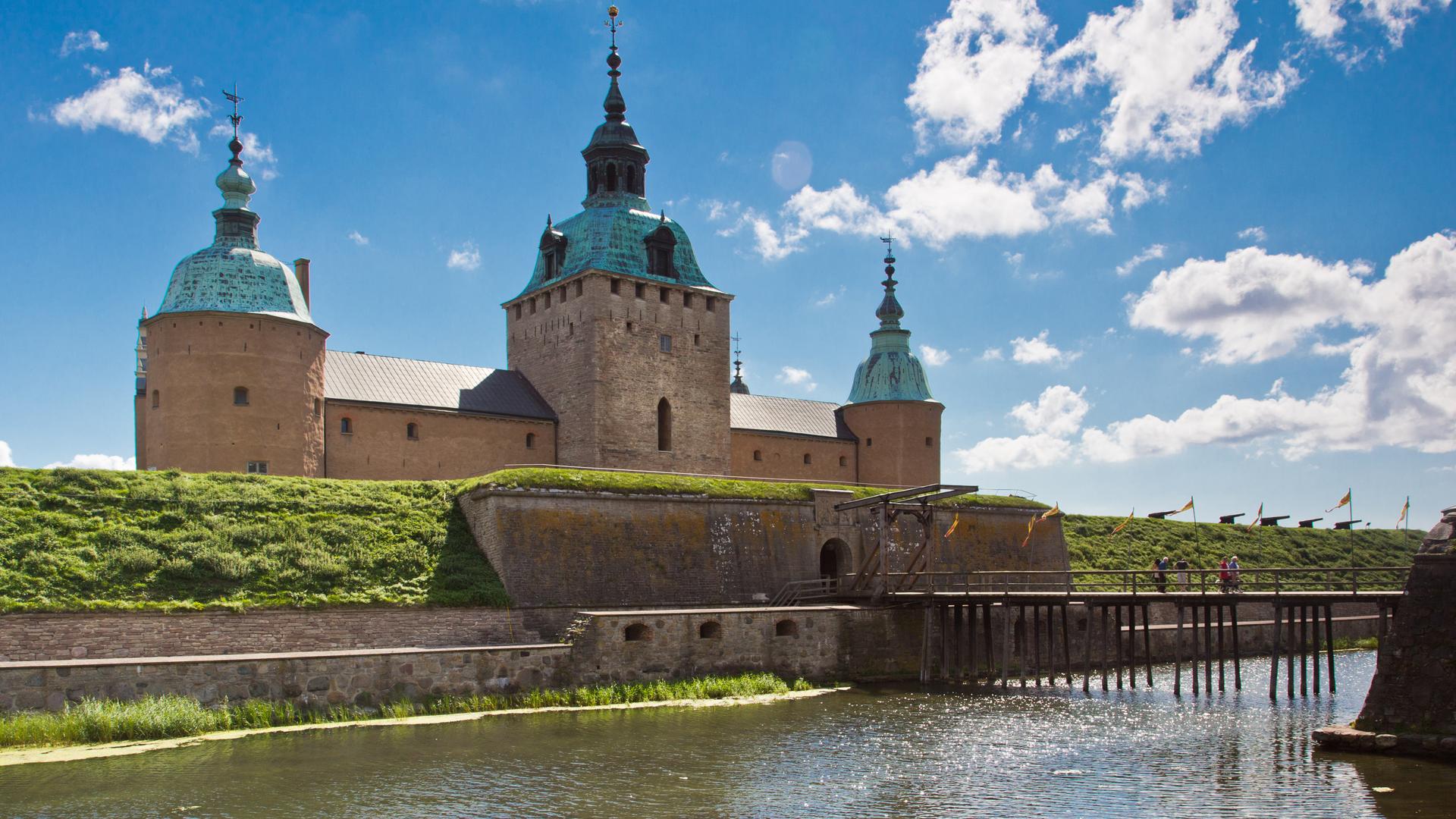
Looking beyond Vasastenen? Discover Kalmar for broader travel guides, local hot-spots, and regional highlights.
Explore Kalmar
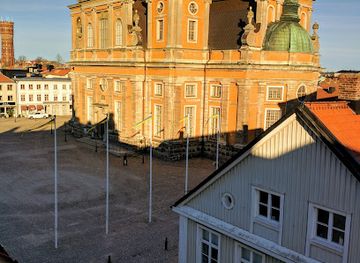
Wander the medieval streets of Kalmar's original heart, where ancient walls and serene churchyards reveal layers of Sweden's trading past beside mighty Kalmar Castle.
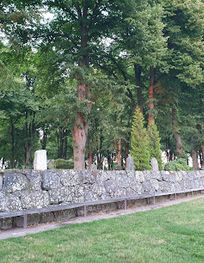
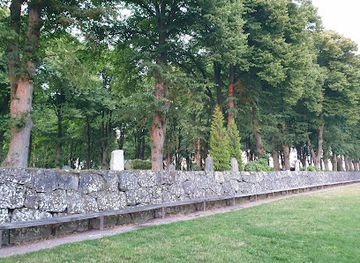
Sweden's once-longest bench honors Gustav Vasa with 222m of waterfront seating, castle views, and a quirky rivalry—perfect for historic relaxation in Kalmar.
