Gustav Vasa-bänken, Kalmar Travel Guide
Sweden's once-longest bench honors Gustav Vasa with 222m of waterfront seating, castle views, and a quirky rivalry—perfect for historic relaxation in Kalmar.
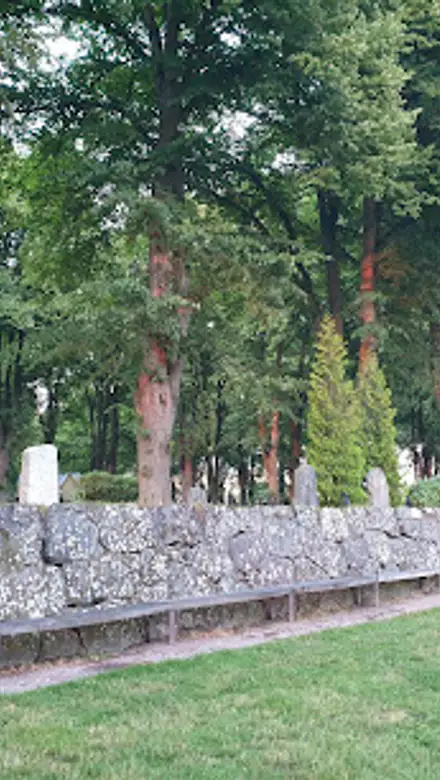
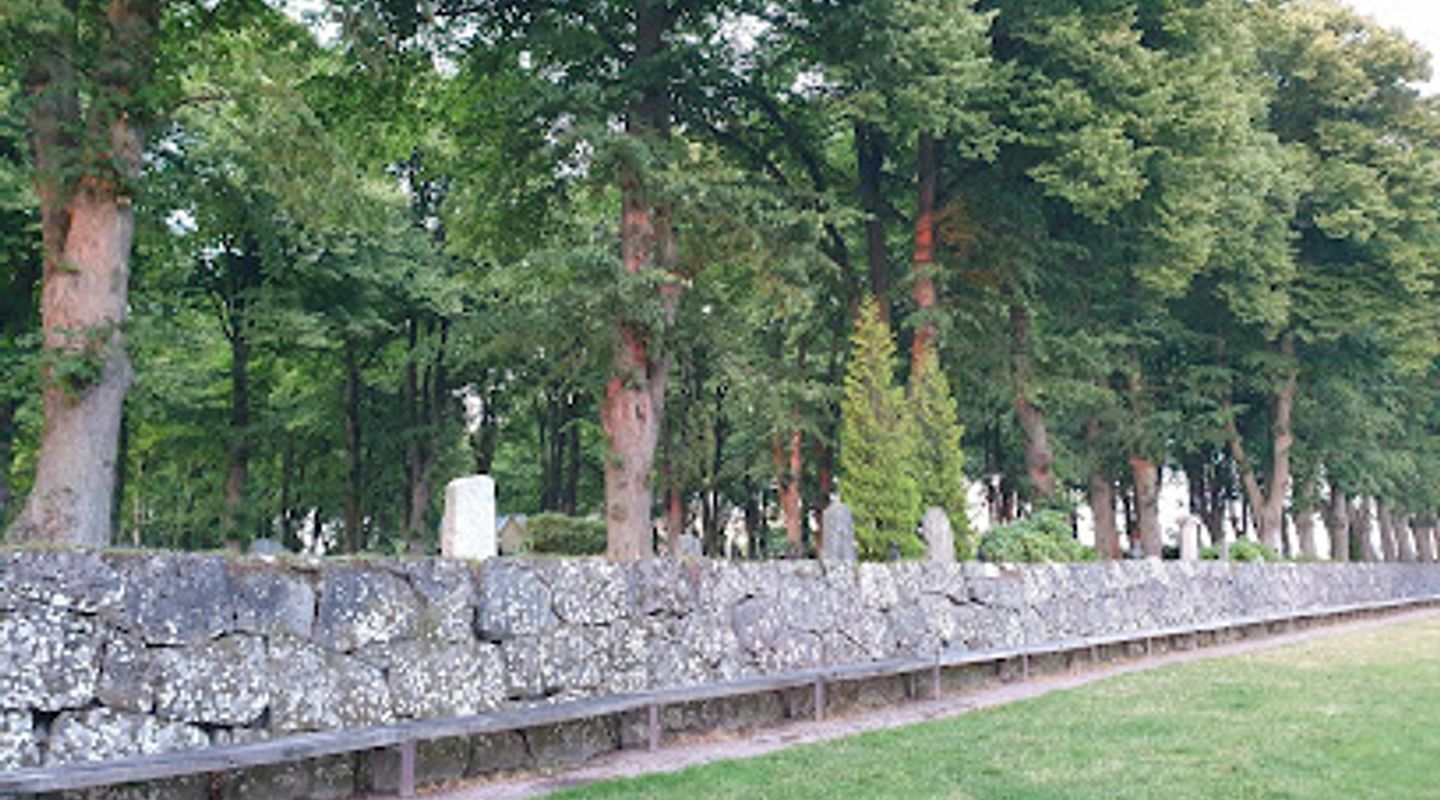
Gustav Vasa-bänken is a 222-meter-long wooden bench in Kalmar, Sweden, once proclaimed the country's longest, running alongside the park wall near Kalmar Castle. Named after King Gustav Vasa, who liberated Sweden from the Kalmar Union, it offers prime seating with views of the castle, Kalmarsund bay, and scenic promenades. Perfect for relaxing amid historic surroundings, though its wooden planks may test endurance on longer sits. Part of a playful national rivalry with other towns' benches.
A brief summary to Gustav Vasa-bänken
- Kalmar, 392 47, SE
- Duration: 0.5 to 1.5 hours
- Free
-
 Outdoor
- Mobile reception: 5 out of 5

Know before you go
Hi, I'm Eve. Here are a few practical things to know before exploring Gustav Vasa-bänken.
- Sit facing the castle for the best photo ops; the bench's curve captures both the fortress and Kalmarsund in one frame.
- Bring a cushion for longer stays—the wooden slats are authentic but firm after 20-30 minutes.
- Combine with a Kalmarsundsparken walk; the bench marks the ideal midpoint for a full loop.
- Visit at sunset when Danish hills glow across the water, enhancing the bench's scenic drama.
- Spot the plaque claiming 'Sveriges längsta bänk' and ponder the town's bench-building bravado.
Do you manage this location?
Take control to get all the benefits, like improved information, better appearance, and stronger visibility across AI-powered discovery. Learn more about listing your business on Evendo
Activate your presenceOther nearby places you may find interesting
The closest places of the same kind, if this one is not quite what you had in mind.
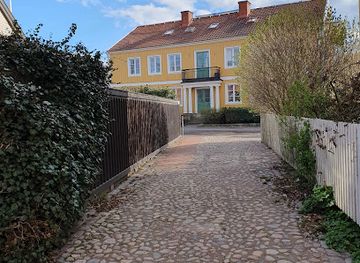
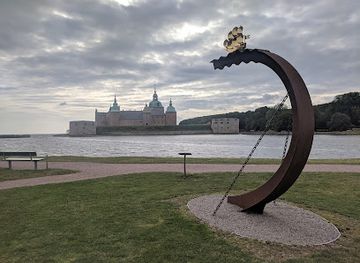

Explore Gustav Vasa-bänken on the Map
A handpicked selection of must-see spots near Gustav Vasa-bänken, mapped for you.
Getting There
-
Walking
From Kalmar Centralstation, stroll 10-12 minutes along pedestrian paths through Kvarnholmen and past the castle; flat terrain suits all ages but watch for cyclists on shared routes.
-
Bus
Take city bus 10 or 12 from Kalmar Centralstation to Kalmarsundsparken stop, 5-7 minutes travel time; services every 15-20 minutes daytime, single ticket 25-35 SEK.
-
Cycling
Rent bikes from central stations, 8-10 minute ride via dedicated lanes to the park wall; free city bikes available seasonally, lock securely as racks are nearby.
-
Taxi
Hail taxi from Kalmar Centralstation or castle area, 4-6 minutes ride; metered fares 100-150 SEK, limited availability evenings.
For the on-the-go comforts that matter to you
-
 Seating Areas
-
 Trash Bins
-
 Information Boards
-
 Drink Options
-
 Food Options
Discover more about Gustav Vasa-bänken
Bänken's Royal Inception
Gustav Vasa-bänken emerged in 2015 as a bold addition to Kalmar's landscape, stretching 222 meters along the sturdy stone wall bordering Kalmarsundsparken and Södra Kyrkogården. Crafted from wood with the park's ancient mur as a natural backrest, it honors Gustav Vasa, Sweden's transformative king who ascended in 1523 after breaking the Kalmar Union. Positioned just south of iconic Kalmar Castle, the bench invites contemplation of Vasa's legacy in a spot echoing the city's medieval prominence as a trade hub and political nexus.Views Across Kalmarsund
From its southward and southeast-facing seats, the bench frames sweeping vistas of Kalmar Castle's imposing towers rising against the sky, with Grimskär Skans visible a kilometer out in the shimmering Kalmarsund. To the opposite side, Danish hills punctuate the horizon, while the park's lush paths and waterfront promenades unfold below. This strategic perch blends natural beauty with historical depth, where sea breezes carry whispers of Sweden's turbulent past, from union treaties to liberation wars.Part of a Bänken Rivalry
Kalmar's creation sparked a whimsical contest among Swedish towns for the title of longest bench. Hjo and Karlskrona soon extended their own rivals, with lengths surpassing 260 meters by recent counts, turning simple seating into symbols of local pride. Though no longer undisputed champion, Gustav Vasa-bänken retains its charm, its plaque boldly claiming supremacy amid the friendly feud. Visitors arrive not just for length, but for the story of communal ingenuity and one-upmanship.Historical Echoes Nearby
Kalmar's setting amplifies the bench's allure, rooted in events that shaped Scandinavia. The 1397 Kalmar Union forged here united Denmark, Norway, and Sweden under one crown, only for Gustav Vasa to dismantle it after the 1520 Stockholm Bloodbath. Local landmarks like Gustav Vasa-stenen on Stensö commemorate his 1520 landing south of the castle, fueling his rise. The bench sits amid these layers, a modern nod to a king who centralized power, reformed the church, and forged Sweden's modern state.Seaside Serenity and Practicality
Ideal for pauses during castle visits or park strolls, the bench accommodates groups or solitary reflection, its expanse allowing space even on busy days. Wooden slats provide rustic comfort with sea views enhancing every moment, though prolonged sitting reveals the unyielding nature of its design. Integrated into pedestrian-friendly paths, it enhances Kalmar's appeal as a haven of history and harbor tranquility, drawing those seeking quiet amid urban heritage.Enduring Symbol in Kalmar
Beyond measurements, Gustav Vasa-bänken embodies Kalmar's spirit: innovative, historically attuned, and playfully competitive. It transforms a simple park wall into an interactive landmark, bridging Vasa's era of upheaval with contemporary leisure. Whether savoring the panorama or pondering national tales, it offers an unpretentious anchor in a city rich with Renaissance echoes and Baltic allure.












Your all‑in‑one travel companion app
Explore expert travel guides, compare and book tours, experiences, hotels, and more—all from the palm of your hand. Download now for seamless trip planning wherever your wanderlust takes you.


Explore More of Kalmar
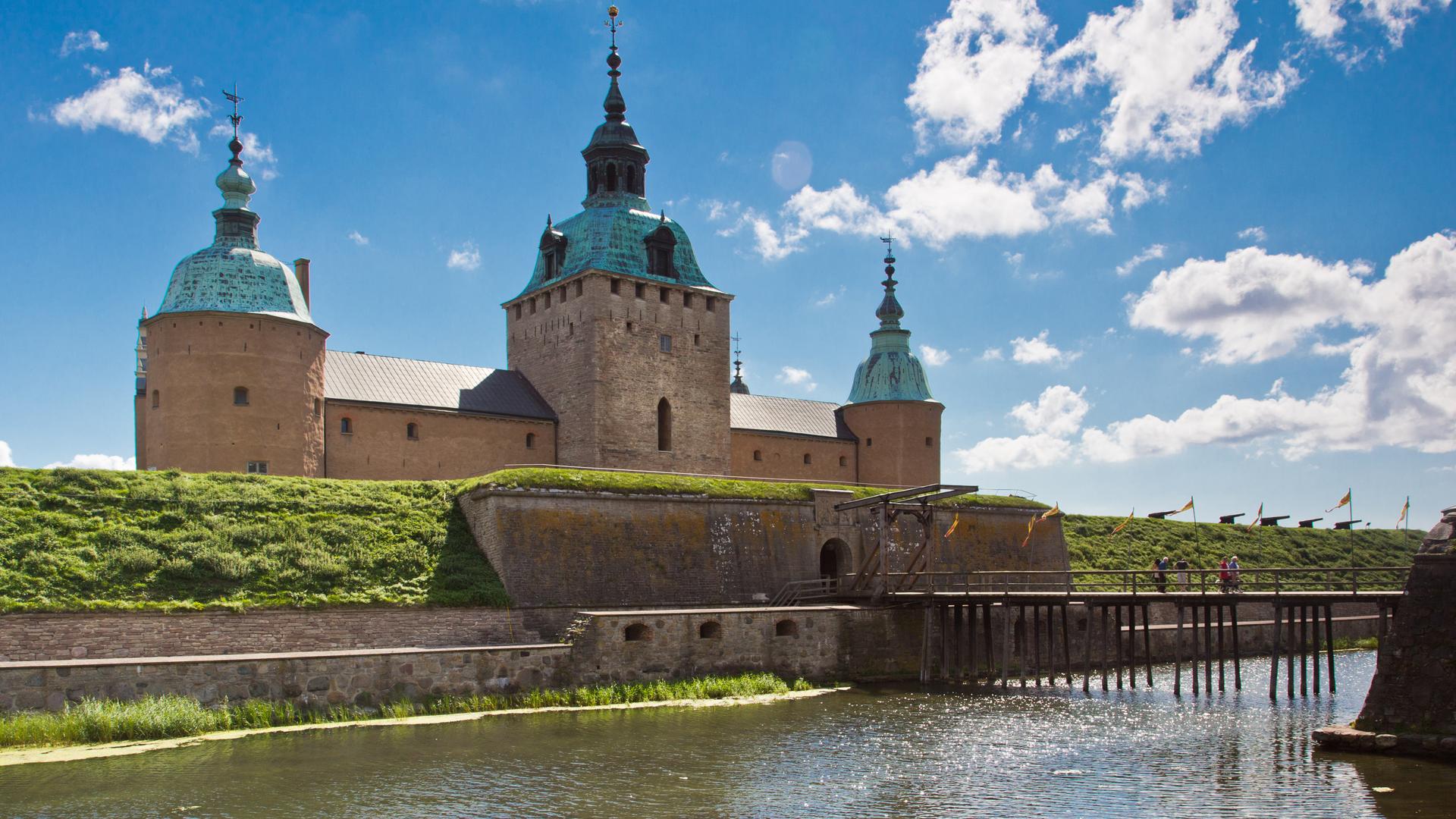
Looking beyond Gustav Vasa-bänken? Discover Kalmar for broader travel guides, local hot-spots, and regional highlights.
Explore Kalmar
Charming 1864 villa hotel in Kalmar's park district, steps from the castle, blending historic allure with garden serenity and castle views.
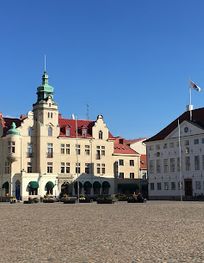
A compact, cobbled pocket of Kalmar’s old town where medieval layers meet 17th–19th-century façades and quiet historic atmosphere.