

Wadköping, Narke Travel Guide
Step into Örebro's living history at Wadköping, where centuries-old timber homes, artisan workshops, and riverside charm recreate the essence of Sweden's urban past.
Wadköping is an enchanting open-air museum in central Örebro, Sweden, recreating the city's historic wooden architecture from the 15th to 19th centuries. Relocated timber houses, workshops, and courtyards form a living snapshot of old urban life, complete with museums, craft studios, cafés, and seasonal events that immerse visitors in Sweden's cultural past.
A brief summary to Wadköping
- BERTIL WALDÉNS GATA 1, Örebro, 702 15, SE
- Click to display
- Click to display
- Duration: 1 to 3 hours
- Free
-
 Outdoor
- Mobile reception: 5 out of 5
- Monday 11 am-5 pm
- Tuesday 11 am-5 pm
- Wednesday 11 am-5 pm
- Thursday 11 am-5 pm
- Friday 11 am-5 pm
- Saturday 11 am-5 pm
- Sunday 11 am-5 pm

Know before you go
Hi, I'm Eve. Here are a few practical things to know before exploring Wadköping.
- Visit Kungsstugan and Cajsa Wargs hus first for the deepest historical dives into medieval legends and 18th-century culinary heritage.
- Time your trip for summer markets or theater to experience Wadköping's vibrant artisan scene and outdoor performances.
- Explore Barnens Wadköping area with kids for interactive play barns and seasonal puppet shows.
Do you manage this location?
Take control to get all the benefits, like improved information, better appearance, and stronger visibility across AI-powered discovery. Learn more about listing your business on Evendo
Activate your presenceOther nearby places you may find interesting
The closest places of the same kind, if this one is not quite what you had in mind.

Explore Wadköping on the Map
A handpicked selection of must-see spots near Wadköping, mapped for you.
Getting There
-
Bus
From Örebro Centralstation, take local bus line 1 or 11 to Wadköping stop, 10-15 minutes, frequent service every 10-20 minutes daily, single ticket 25-35 SEK.
-
Walking
From Örebro Castle or city center, stroll via Stadsparken paths along Svartån, 20-30 minutes on flat, paved terrain suitable for all ages, free.
-
Bicycle
Rent city bikes from stations near Resecentrum, pedal through Stadsparken cycle paths, 10-15 minutes, bike hire 20-40 SEK per hour, ample racks on site.
-
Taxi
Hail taxi from Örebro train station or downtown, 5-10 minutes ride, limited parking nearby, fares 100-150 SEK.
For the on-the-go comforts that matter to you
-
 Restrooms
-
 Drink Options
-
 Food Options
-
 Seating Areas
-
 Trash Bins
-
 Information Boards
Discover more about Wadköping
Origins of a Preserved Past
In the mid-20th century, as Örebro underwent rapid modernization, visionary locals like antiquarian Bertil Waldén championed the rescue of the city's vanishing wooden heritage. Facing widespread demolition of central neighborhoods, particularly the dense Söder district with its narrow lanes and timber-framed homes, they meticulously dismantled and cataloged structures dating back centuries. This effort culminated in 1965, when King Gustaf VI Adolf inaugurated Wadköping on Lars Bohms udde in Stadsparken, adjacent to Svartån river. The site became a cultural reserve, blending preservation with living history.Iconic Timber Treasures
At the heart stand the oldest survivors: Kungsstugan, possibly from the 1400s or 1500s, once on Järntorget and linked by legend to Duke Karl's visit during Örebro Castle's reconstruction; and Borgarhuset, or Cajsa Wargs hus from the 1600s, home to the mother of modern Swedish cuisine whose 1755 cookbook revolutionized household arts. Other gems include Skomakaregården from the 1600s, Smedjebacken tied to Örebro's weapon-forging era, and 1700s-1800s farmsteads like Jeremiasstugan and Övre Vallbygården. Each building, carefully reassembled, reveals layered histories of merchants, smiths, tanners, and families.Crafts and Cultural Hubs
Wadköping pulses with artisan life. Workshops host träsvarvare (woodturners), potters, and jewelers practicing traditional techniques amid creaking floorboards and herb-scented air. The Handskmakaregården features a recreated 1920s classroom, while Hjalmar Bergmanmuseet explores the author's life, his fictional Wadköping inspired by Örebro. Seasonal markets spill onto cobblestones, offering handmade goods, and Gamla Örebro café serves hearty fare evoking bygone eras. Summer brings open-air theater on Wadköpings torg, echoing traditions since the 1960s.Seasonal Celebrations and Evolution
Since its founding for Örebro's 700th anniversary, Wadköping has evolved into a year-round draw. Children delight in Barnens Wadköping with doll theaters, craft sessions, and a play barn mimicking shopkeeper or farm roles. The 2025 60th anniversary highlighted building conservation through lectures, exhibitions, and a 1960s time-travel event with kafferep and period music. Today, it balances reverence for the past with contemporary events, fostering connections between epochs.Atmospheric Allure by the River
Nestled where Stadsparken meets Svartån, Wadköping's pathways wind through blooming gardens, past bubbling fountains, and under leafy canopies. The air carries woodsmoke, fresh bread, and river mist, while sunlight filters through timber lattices. It's a sensory portal to pre-industrial Sweden, where every corner whispers tales of resilience amid urban change.












Your all‑in‑one travel companion app
Explore expert travel guides, compare and book tours, experiences, hotels, and more—all from the palm of your hand. Download now for seamless trip planning wherever your wanderlust takes you.


Explore More of Narke
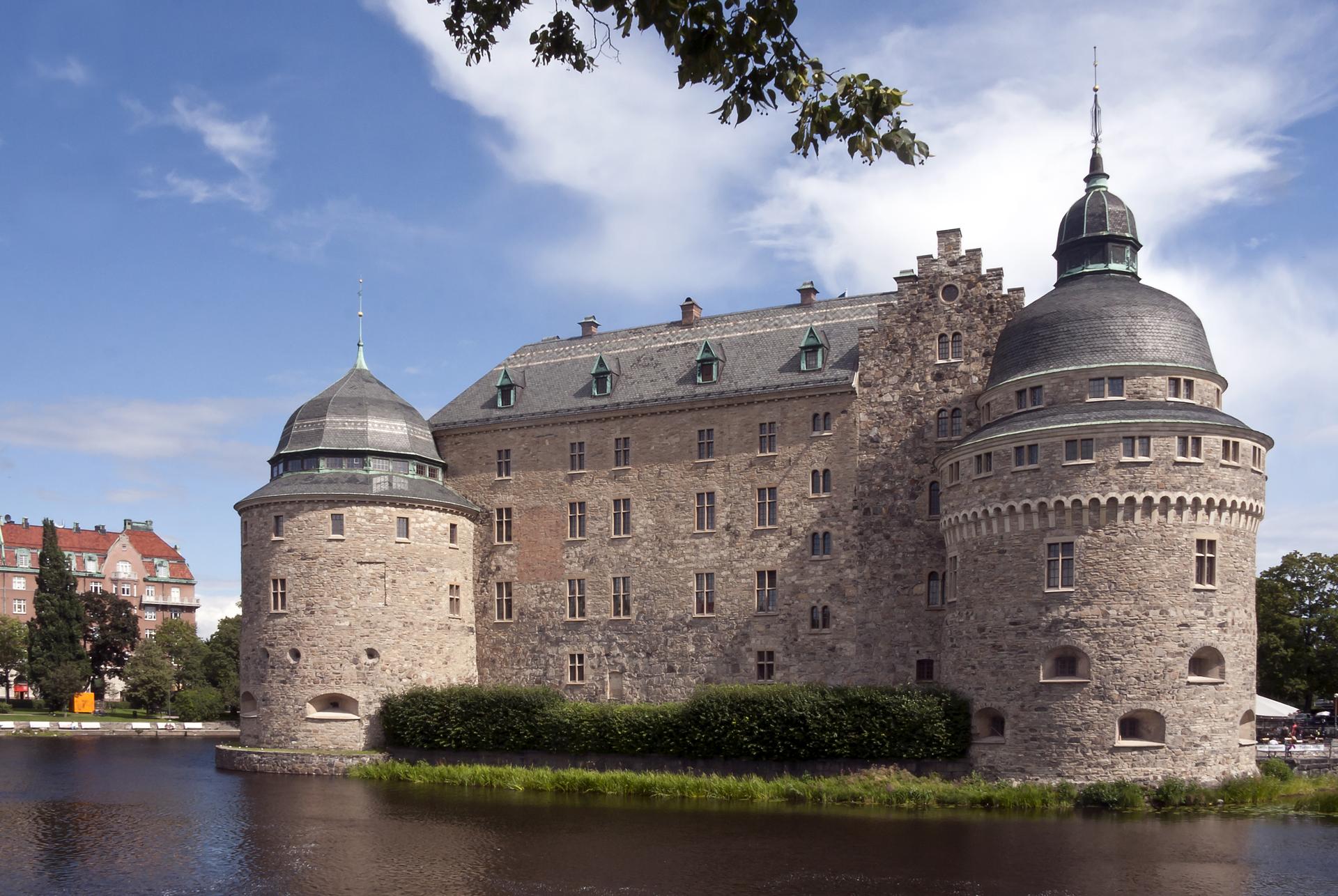
Looking beyond Wadköping? Discover Narke for broader travel guides, local hot-spots, and regional highlights.
Explore Narke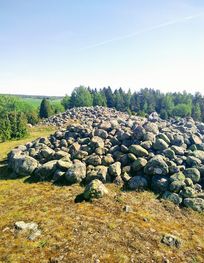
A broad prehistoric cemetery on a low ridge near Västerås — stone rings, cairns and mounds that record centuries of funerary practice.
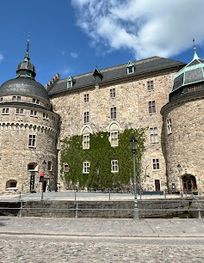
Majestic island fortress in central Örebro, blending 13th-century origins with guided tours, exhibitions, family quests, and riverside café vibes.
