

Brahehus Castle Ruin Travel Guide
Free Guide: Ruined 17th‑century castle on a cliff above Lake Vättern with dramatic panoramas, layered history and accessible interpretation.


A brief summary of Brahehus Castle Ruin
Ruined 17th‑century castle on a cliff above Lake Vättern with dramatic panoramas, layered history and accessible interpretation.
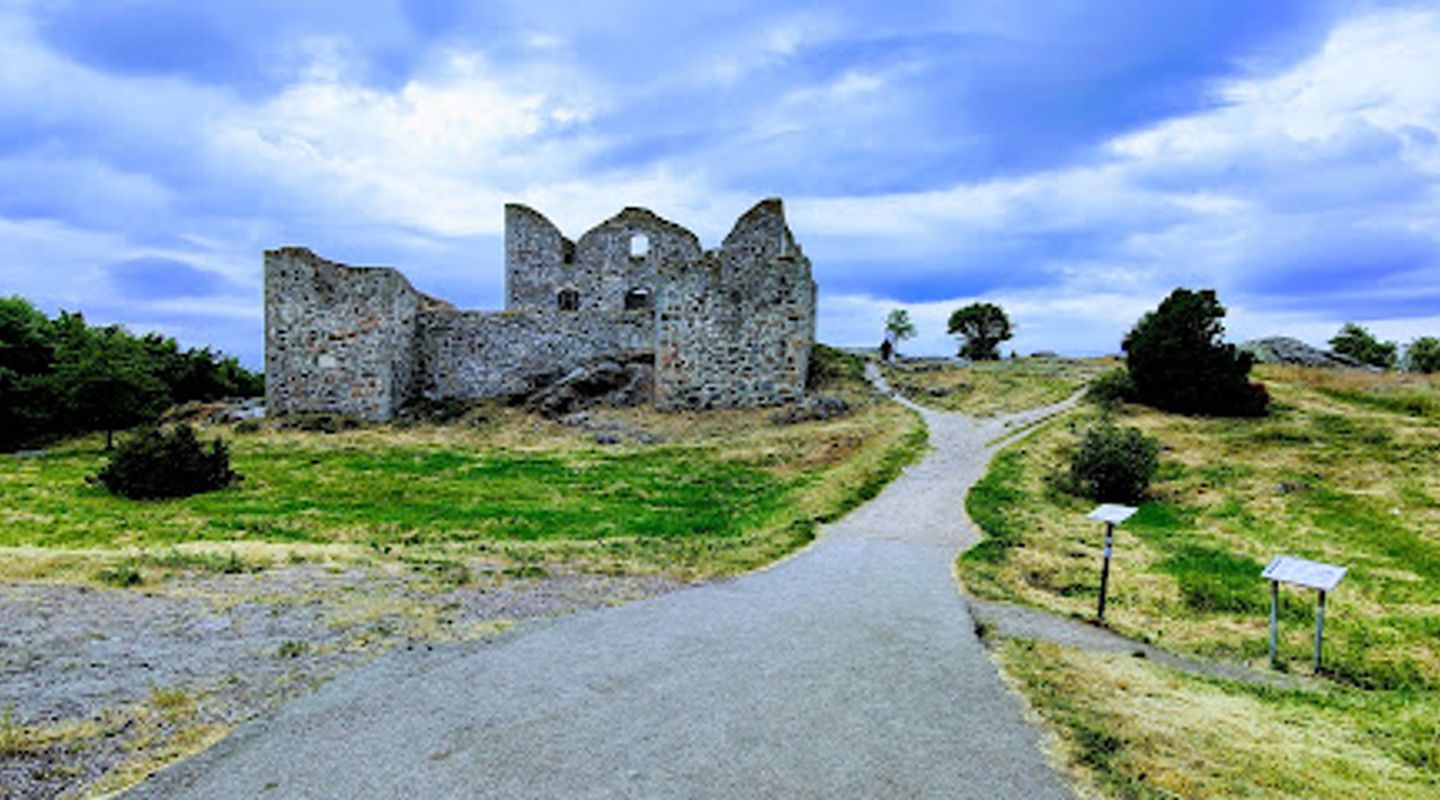
Perched on a rocky promontory above Lake Vättern near Gränna, Brahehus is a dramatic 17th‑century castle ruin built for Count Per Brahe the Younger. The partially restored masonry, towers and crumbling walls sit roughly 180 metres above the lake, offering sweeping panoramas, a sense of historical theatre and well‑maintained paths and interpretation panels that explain the site’s Renaissance origins and later romantic restorations.
On-site amenities
 Information boards
 Seating areas
 Trash bins
Opening hours
- Every dayOpen 24 hours
Opening hours as listed on the venue’s Google Business Profile. Hours can change for services and special events, so check with the venue before you go.
- Address
- Brahehus, 563 91 Gränna
- Phone
- Website
Getting there
By car
By regional bus plus walk
On foot from nearby viewpoints
Discover more about Brahehus Castle Ruin
Origins and the Brahe vision
Brahehus was conceived in the mid‑1600s by Count Per Brahe the Younger as a showpiece estate perched high on a steep limestone escarpment overlooking Lake Vättern. Construction began in the late 1630s and the finished structure combined Renaissance symmetry with the hilltop drama of continental castle sites; it was intended as an elegant venue for entertaining rather than a military stronghold. The castle formed one point of a deliberate visual triangle of Brahe estates in the surrounding landscape, created to frame the newly founded town below.
The ruin that tells a story
After Per Brahe’s death the building’s fortunes waned: it was transferred to the Crown during a period of political reorganisation and a disastrous fire in 1708 left the structure gutted. What remains today — sections of façade, towers and internal walls — is a layered palimpsest of original 17th‑century masonry and careful 20th‑ and 21st‑century conservation work. The ruins present architectural fragments that still read clearly: lintels and window openings that hint at once‑lavish interiors, and defensive‑looking towers that in fact served ceremonial and viewing functions.
A dramatic setting above Vättern
The site’s most immediate draw is its situation on the cliff edge: the ruins stand roughly 180 metres above the water and provide uninterrupted views across Lake Vättern to islands and shoreline, a panorama that shaped the castle’s purpose from the start. The exposed rock, wind‑scoured grass and the sound of distant waves far below contribute to a strong sense of elevation and exposure. Weather here can be brisk; light and cloud dramatically alter the character of the view and the feel of the ruins.
Conservation, interpretation and visitor experience
Conservation campaigns in the 20th and early 21st centuries stabilised the surviving fabric and established safe routes around the main remains. Interpretation panels and modest visitor infrastructure explain the castle’s layout and history without intruding on the ruins’ open atmosphere. Paths wind around the ruin’s base and toward viewpoints; the main viewpoints and remaining walls are accessible for exploration on foot and make good spots for contemplation, sketching or photography.
Sense of place and cultural role
Brahehus occupies a liminal space between fortification and folly — an aristocratic stage set where landscape and architecture combined to signal power, taste and territorial command. The ruin has also functioned as a romantic landmark since the 19th century, its broken silhouettes featuring in paintings and local stories. The site’s layered history (construction, brief use, abandonment, fire and later restorations) gives it a textured narrative that rewards even brief stays.
What to notice while you’re here
Take time to read the stonework: different mortar textures, patched repairs and neat consolidated sections show the sequence of intervention. Notice the carefully composed views that the builders framed toward the town and islands — orientation matters here. The immediate terrain is rocky and exposed, and small nesting plants and lichens colonise crevices; wildlife and seasonal flowers add ephemeral detail to the permanent drama of the ruins.
Evendo Review Centre
 Google
Guest reviews
Best time to go
Quietest: Jan, Feb & Dec · before 6am or at 9pm
Busy times are Evendo estimates for a typical year, to help you plan. Actual crowds vary with events, school holidays and the weather.
Explore Brahehus Castle Ruin on the map
A handpicked selection of must-see spots near Brahehus Castle Ruin, mapped for you.
Get your free copy of our complete guide to Brahehus Castle Ruin, delivered straight to you.
Everything on this page, from opening hours and how to get there to Eve’s tips and the best time to go, in one PDF you can read offline, print or share.
Already have an account? Sign in
Your Brahehus Castle Ruin guide is ready.
We'll send it to · Not you? Sign out

Getting your guide ready…
We are putting together a fresh copy of the Brahehus Castle Ruin guide. This can take up to a minute.
This can take a few moments. If your browser asks, choose Allow so the download can start. You'll find the guide in your Downloads folder.
Nothing happened? Download it again
Sorry, the guide is taking longer than usual. Please try again in a minute, or get it by email instead.
Other nearby places you may find interesting
The closest places of the same kind, if this one is not quite what you had in mind.
-
-
-
-
-


Swipe for more places
More to explore near Brahehus Castle Ruin

 Best experiences near Brahehus Castle Ruin
 Best hotels near Brahehus Castle Ruin
 Best landmarks near Brahehus Castle Ruin
 Best attractions near Brahehus Castle Ruin
 Best shops near Brahehus Castle Ruin
 Best restaurants near Brahehus Castle Ruin
 Best bars near Brahehus Castle Ruin
Do you manage this location?
Take control to get all the benefits, like improved information, better appearance, and stronger visibility across AI-powered discovery.
Explore more

Explore more of Norrbotten
Discover Norrbotten, Sweden's northern gem, where nature's wonders meet rich Sami culture. Experience the Midnight Sun, Northern Lights, and unique winter activities.
Explore Norrbotten
Explore more of Sweden
Discover Sweden's breathtaking landscapes, vibrant cities, and rich cultural heritage. From the Northern Lights to historic castles, experience the essence of Scandinavia.
Explore Sweden
