

Jävre Lighthouse Travel Guide
Free Guide: A compact historic beacon in Jävrebyn’s harbour — maritime memory, shoreline views and photogenic coastal calm.


A brief summary of Jävre Lighthouse
A compact historic beacon in Jävrebyn’s harbour — maritime memory, shoreline views and photogenic coastal calm.
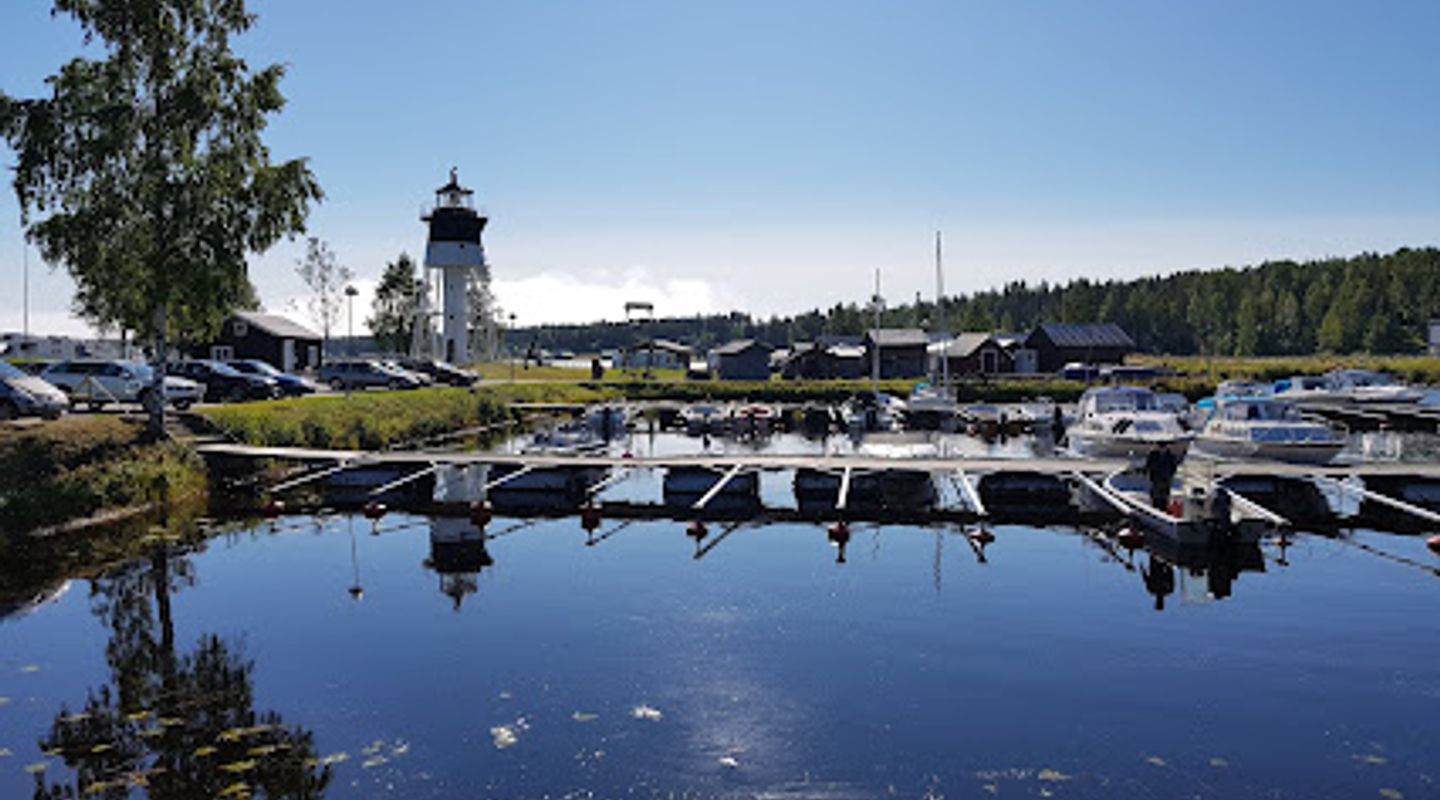
Perched in the small harbour of Jävrebyn on Sweden’s Gulf of Bothnia, Jävre Lighthouse (locally called Skags fyr) is a compact historic tower and coastal memorial set among fishing piers, weathered boathouses and a calm waterfront. The site combines maritime history, panoramic sea views and a friendly harbour atmosphere with a café nearby and easy, short visits for photographers and history curious travellers.
On-site amenities
 Drink options
 Food options
 Seating areas
 Information boards
- Address
- Jävrefyrens väg, 944 94 Jävrebyn
- Website
Getting there
Regional bus
Car (self‑drive)
Cycling
Discover more about Jävre Lighthouse
Origins and nautical lineage
Skags fyr — now commonly known as Jävre Lighthouse — stands as a compact, early coastal beacon moved and preserved in the harbour at Jävrebyn. Its ironwork and painted surface recall 19th‑century lighthouse design and the era when regional lights were essential for safe passage along the Bothnian coast. The tower functions as a memorial to the lighthouse‑building period in nearby Sandholmen and to the keepers whose routines once kept the channel lit.
Harbour setting and sensory character
The lighthouse sits amid a small, working harbour of wooden piers, modest fishing boats and neatly stacked lobster pots. On a clear day the air carries a cool, briny tang; gulls call overhead and the surface of the gulf flashes silver. The immediate setting is intimate rather than grand: you’ll notice peeling paint, rusted iron fittings and the patina of decades of wind and sea, details that give the site its lived‑in maritime character.
What you’ll see and photograph
From the harbour apron you can compose classic coastal frames — the squat tower against an expanse of sky, reflections in shallow puddles on the pier, and boats moored with colourful ropes and nets. The lighthouse’s compact silhouette is best captured at low sun when textures and colours deepen; during winter light the scene becomes stark and graphic. Architectural details include cast‑iron stair elements, lantern framing and commemorative plaques that reference its relocation history.
Local stories and interpretive focus
The site interprets a specific chapter of Sweden’s coastal infrastructure: small lighthouses that were sometimes dismantled, moved or repurposed as shipping lanes and technology evolved. In Jävre the tower’s presence frames that local narrative — a reminder of changing maritime needs and the community’s connection to the sea. Occasional guided talks in summer expand on how the tower came to the harbour and on regional lighthouse craftsmanship.
Visitor experience and practical atmosphere
Visits are typically short and contemplative: people stroll the harbour, pause to read information panels, step out to the end of the pier and drink in the panorama. There is an approachable, low‑key quality to the place — more of a peaceful roadside stop and photo opportunity than a large museum — and the nearby café and harbour facilities make it easy to extend a visit into a relaxed break.
Seasonal character and best times to appreciate it
Jävre Lighthouse changes mood through the year: pale, endless summer evenings; brisk, light‑filled autumn days; and a spare, monochrome winter when snow and ice sculpt the shoreline. Spring brings migratory bird activity along the coast. For atmospheric light and quieter scenes aim for early morning or late afternoon in the shoulder seasons when the horizon is often clear and the harbour feels most tranquil.
Evendo Review Centre
 Google
Guest reviews
Best time to go
Quietest: Jan, Feb & Dec · before 3am
Busy times are Evendo estimates for a typical year, to help you plan. Actual crowds vary with events, school holidays and the weather.
Explore Jävre Lighthouse on the map
A handpicked selection of must-see spots near Jävre Lighthouse, mapped for you.
Get your free copy of our complete guide to Jävre Lighthouse, delivered straight to you.
Everything on this page, from opening hours and how to get there to Eve’s tips and the best time to go, in one PDF you can read offline, print or share.
Already have an account? Sign in
Your Jävre Lighthouse guide is ready.
We'll send it to · Not you? Sign out

Getting your guide ready…
We are putting together a fresh copy of the Jävre Lighthouse guide. This can take up to a minute.
This can take a few moments. If your browser asks, choose Allow so the download can start. You'll find the guide in your Downloads folder.
Nothing happened? Download it again
Sorry, the guide is taking longer than usual. Please try again in a minute, or get it by email instead.
Other nearby places you may find interesting
The closest places of the same kind, if this one is not quite what you had in mind.
-
-
-
-
-


Swipe for more places
More to explore near Jävre Lighthouse

 Best experiences near Jävre Lighthouse
 Best hotels near Jävre Lighthouse
 Best landmarks near Jävre Lighthouse
 Best attractions near Jävre Lighthouse
 Best shops near Jävre Lighthouse
 Best restaurants near Jävre Lighthouse
 Best bars near Jävre Lighthouse
Do you manage this location?
Take control to get all the benefits, like improved information, better appearance, and stronger visibility across AI-powered discovery.
Explore more

Explore more of Norrbotten
Discover Norrbotten, Sweden's northern gem, where nature's wonders meet rich Sami culture. Experience the Midnight Sun, Northern Lights, and unique winter activities.
Explore Norrbotten
Explore more of Sweden
Discover Sweden's breathtaking landscapes, vibrant cities, and rich cultural heritage. From the Northern Lights to historic castles, experience the essence of Scandinavia.
Explore Sweden
