

Nyköpingshus Travel Guide
Free Guide: Ruins of royal intrigue along the Nyköping River: medieval fortress, infamous banquet site, and scenic historical gem in Sweden's ancient heart.


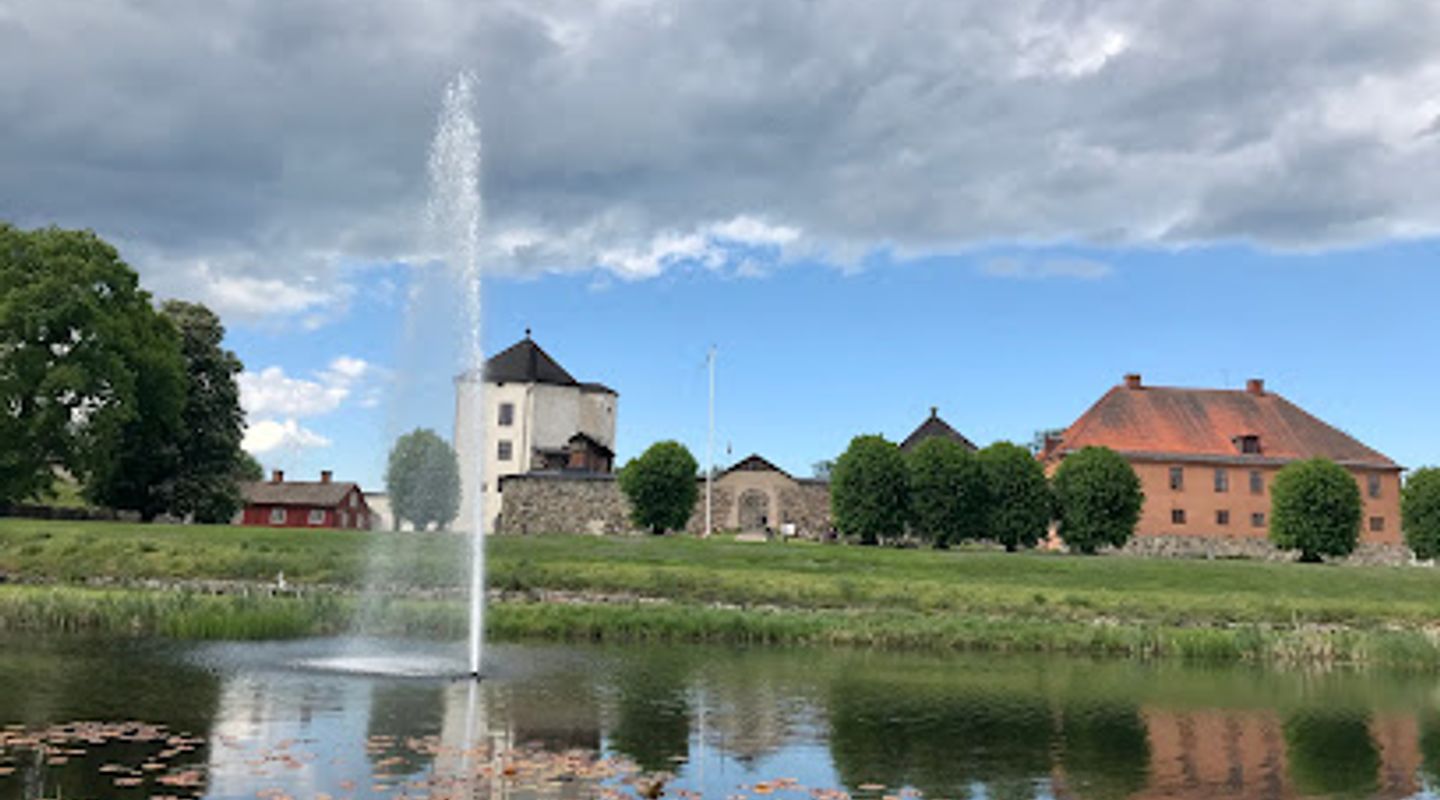
A brief summary of Nyköpingshus
Ruins of royal intrigue along the Nyköping River: medieval fortress, infamous banquet site, and scenic historical gem in Sweden's ancient heart.
Perched along the Nyköping River, Nyköpingshus stands as a evocative ruin of a medieval fortress turned Renaissance palace. Originating as a 12th-century defensive tower under Birger Jarl, it evolved into a grand residence under Duke Karl in the 1500s. Infamous for the 1317 Nyköping Banquet where King Birger imprisoned his brothers, the site blends dramatic history with scenic riverside charm. Explore the King's Tower museum exhibits, wander atmospheric ruins, and enjoy summer cultural events in the courtyard. Free access reveals layers of Sweden's royal past amid tranquil waterside paths.
On-site amenities
 Restrooms
 Drink options
 Food options
 Seating areas
 Trash bins
 Information boards
- Address
- Vallgatan 12, 611 32 Nyköping
- Phone
- Website
Getting there
Bus
Walking
Taxi
Car
Discover more about Nyköpingshus
Fortress Foundations and Royal Ambitions
Nyköpingshus began as a sturdy defensive tower in the 12th century, a strategic bulwark overlooking the Nyköping River. During Birger Jarl's era in the 13th century, it expanded into a formidable fortress, safeguarding the growing settlement that would become one of Sweden's oldest towns. This early structure embodied the turbulent medieval landscape, where stone walls rose to repel invaders and assert control over vital waterways.By the 16th century, Duke Karl—later King Karl IX—reimagined the castle as a lavish Renaissance palace. Elegant halls, ornate interiors, and expansive wings transformed the once-austere fort into a symbol of regal splendor, hosting feasts and councils that shaped Swedish governance.
The Infamous Nyköping Banquet
In December 1317, Nyköpingshus became the stage for one of Sweden's darkest royal dramas. King Birger invited his brothers, Dukes Erik and Valdemar, for a Christmas feast. Amid the revelry, betrayal unfolded: the dukes were seized, cast into the castle's dungeons, and starved—a ruthless bid for power that echoed through chronicles as the Nyköping Banquet.This event fractured the royal family and altered Sweden's political course, cementing the castle's notoriety. The dungeons, now part of the ruins, whisper of medieval intrigue, where ambition clashed with treachery beneath vaulted ceilings.
Destruction and Enduring Legacy
Catastrophe struck in 1665 when a devastating city fire ravaged Nyköpingshus, reducing much of the palace to rubble. Its bricks were salvaged for Stockholm's Royal Palace reconstruction, scattering pieces of its grandeur across Sweden's capital. What remained formed haunting ruins, blending weathered stone with overgrown vines along the riverbank.Today, these remnants evoke resilience, standing as a testament to cycles of construction, conflict, and decay. The site's layered history—from fortress to palace to ruin—mirrors Nyköping's evolution from medieval outpost to vibrant regional hub.
King's Tower and Museum Insights
At the heart lies Kungstornet, the whitewashed King's Tower, housing exhibits within Sörmland Museum. Interactive displays chronicle the castle's timeline, from Bronze Age nearby carvings to Renaissance opulence. Artifacts, models, and multimedia recreate the banquet's tension and daily royal life.Climb the tower for panoramas of the river and town, where the past meets the present. The adjacent Gamla Residenset adds architectural depth, its preserved facade hinting at 18th-century adaptations.
Riverside Setting and Seasonal Vibrancy
Nyköpingshus nestles riverside, where gentle waters lap at mossy foundations. Pathways wind through ruins, offering serene strolls amid wildflowers and birdsong. The courtyard, enclosed by jagged walls, hosts summer theater reenacting the banquet with period costumes and live performances.This blend of quiet reflection and lively events draws those seeking history's tangible pulse. The river's flow provides a soothing counterpoint to the site's dramatic tales, enhancing its atmospheric allure year-round.
Evendo Review Centre
 Google
Guest reviews
Best time to go
Quietest: Jan, Feb & Nov · before 8am or from 9pm
Busy times are Evendo estimates for a typical year, to help you plan. Actual crowds vary with events, school holidays and the weather.
Explore Nyköpingshus on the map
A handpicked selection of must-see spots near Nyköpingshus, mapped for you.
Get your free copy of our complete guide to Nyköpingshus, delivered straight to you.
Everything on this page, from opening hours and how to get there to Eve’s tips and the best time to go, in one PDF you can read offline, print or share.
Already have an account? Sign in
Your Nyköpingshus guide is ready.
We'll send it to · Not you? Sign out

Getting your guide ready…
We are putting together a fresh copy of the Nyköpingshus guide. This can take up to a minute.
This can take a few moments. If your browser asks, choose Allow so the download can start. You'll find the guide in your Downloads folder.
Nothing happened? Download it again
Sorry, the guide is taking longer than usual. Please try again in a minute, or get it by email instead.
Other nearby places you may find interesting
The closest places of the same kind, if this one is not quite what you had in mind.
-
-
-
-
-


Swipe for more places
More to explore near Nyköpingshus

 Best experiences near Nyköpingshus
 Best hotels near Nyköpingshus
 Best landmarks near Nyköpingshus
 Best attractions near Nyköpingshus
 Best shops near Nyköpingshus
 Best restaurants near Nyköpingshus
 Best bars near Nyköpingshus
Do you manage this location?
Take control to get all the benefits, like improved information, better appearance, and stronger visibility across AI-powered discovery.
Explore more
Explore more of Södermanland
Discover Södermanland: A serene Swedish province offering rich history, stunning nature, and vibrant cultural experiences just south of Stockholm.
Explore Södermanland
Explore more of Sweden
Discover Sweden's breathtaking landscapes, vibrant cities, and rich cultural heritage. From the Northern Lights to historic castles, experience the essence of Scandinavia.
Explore Sweden
