Strömsholmen, Norrkoping Travel Guide
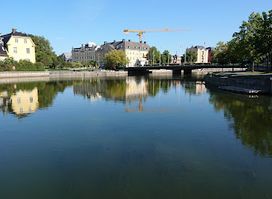
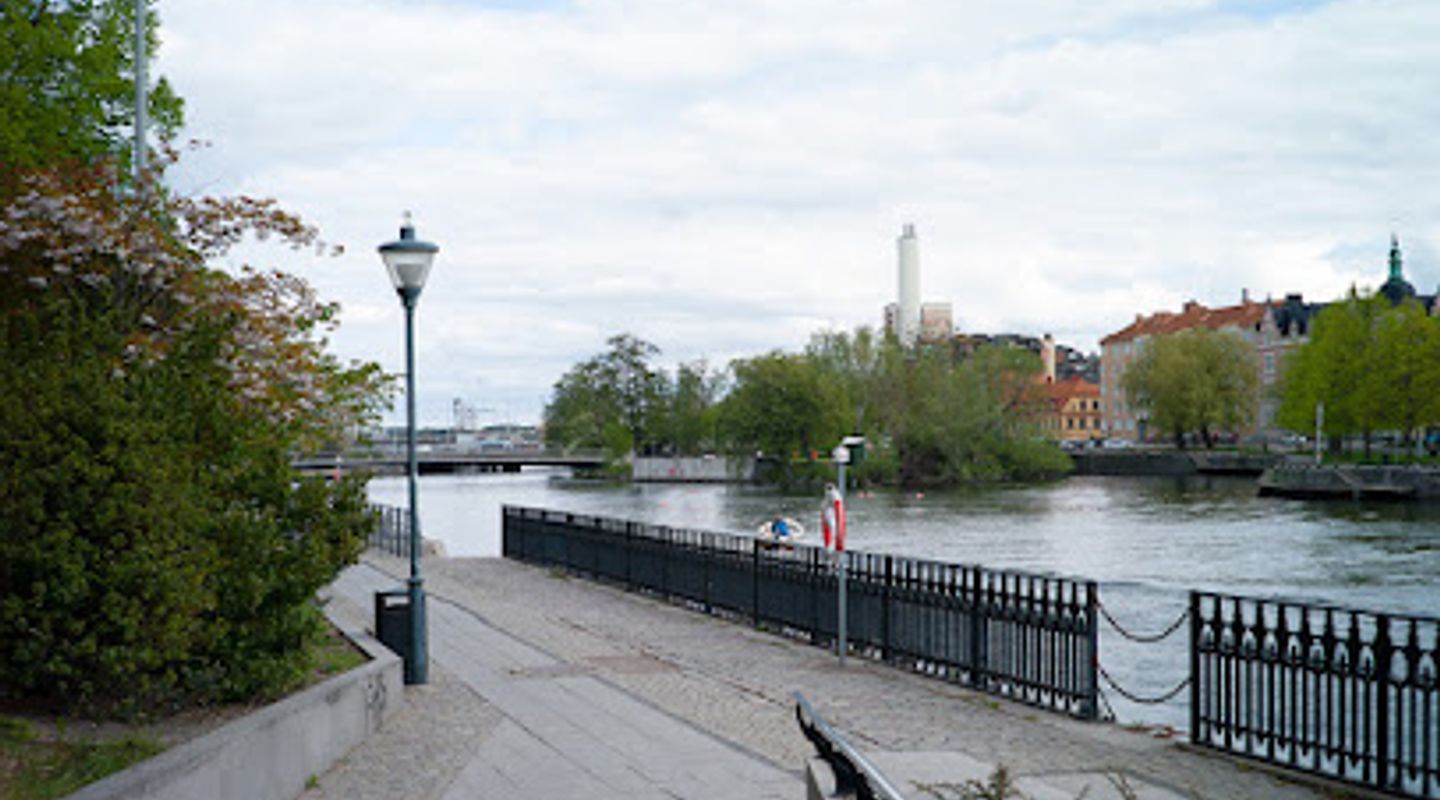
Small river island and urban greenspace framed by Norrköping’s industrial brick façades and riverside promenades.
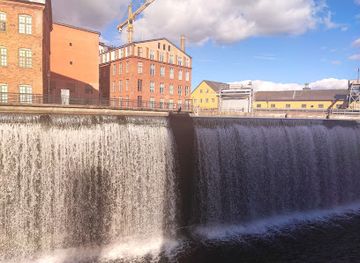
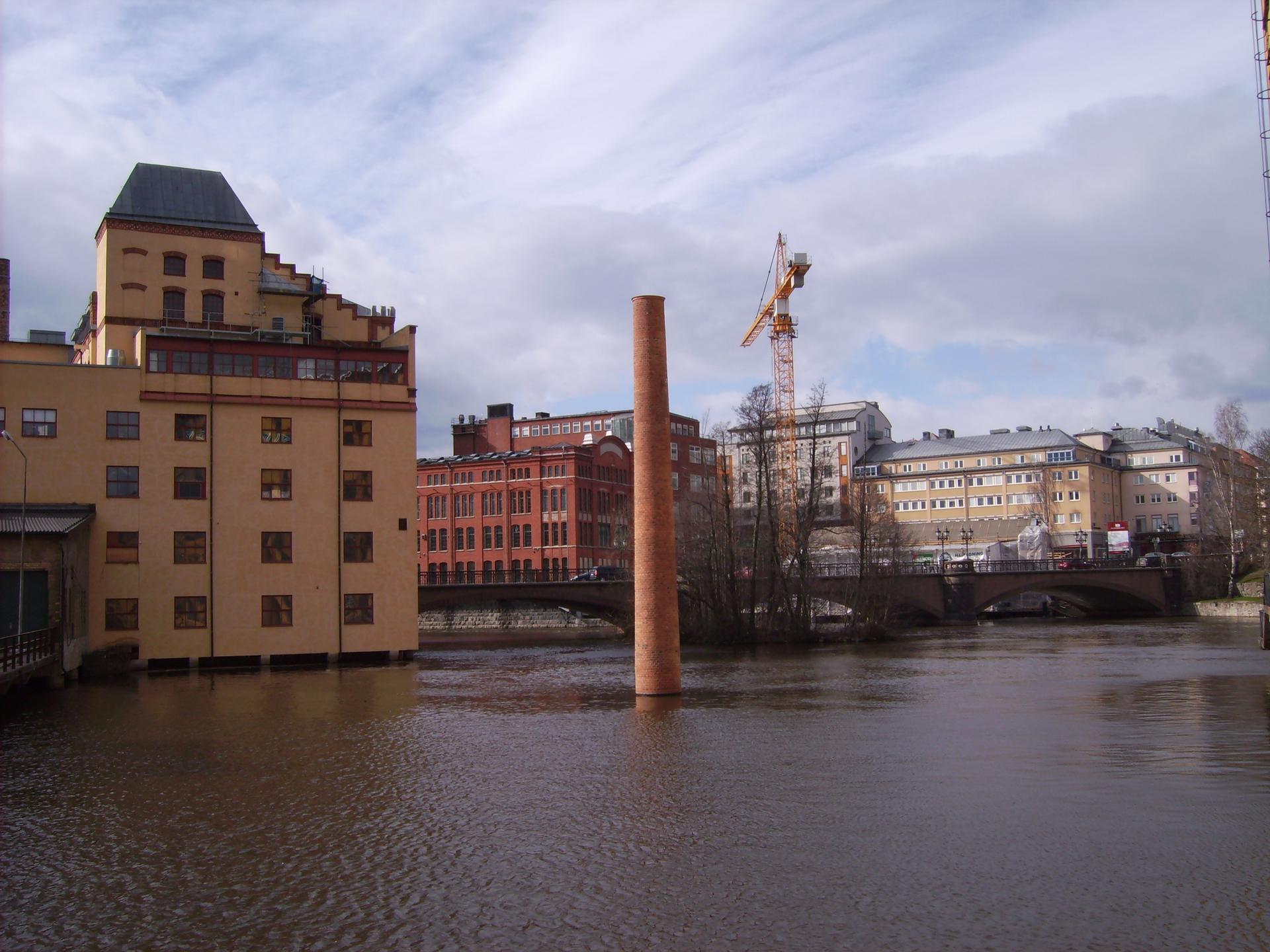
Strömsholmen is a compact river island and city-park pocket in the Motala Ström that slices through central Norrköping, where old industrial façades meet lawns, riverside paths and sculpted bridges. Once a working islet in the town’s textile era, it now offers waterside calm, informal picnic spots, and close-up views of the city’s industrial landscape and historic bridges.
A brief summary to Strömsholmen
- Norrköping, SE
- Click to display
- Click to display
- Duration: 0.25 to 1.5 hours
- Free
-
 Outdoor
- Mobile reception: 4 out of 5

Know before you go
Hi, I'm Eve. Here are a few practical things to know before exploring Strömsholmen.
- Bring a blanket for impromptu picnics on the short lawns; seating is limited and popular on sunny days.
- Check light conditions: early morning or late afternoon gives richer tones on the brick façades for photography.
- Mind dogs and local regulations—parts of the riverside are used by pedestrians and cyclists so keep pets under control.
Do you manage this location?
Take control to get all the benefits, like improved information, better appearance, and stronger visibility across AI-powered discovery. Learn more about listing your business on Evendo
Activate your presenceOther nearby places you may find interesting
The closest places of the same kind, if this one is not quite what you had in mind.
Explore Strömsholmen on the Map
A handpicked selection of must-see spots near Strömsholmen, mapped for you.
Getting There
-
Tram and local bus
Use the city tram or local bus to central Norrköping; travel time from the main station is typically 6–12 minutes depending on service. Services run frequently during the day; ticket prices for local transport are approximately 30–45 SEK single journey. Expect short walks over pedestrian bridges from stops to reach the island and check service frequency on weekends and late evenings.
-
Walking from Norrköping centre
Walk from the historic centre along riverside promenades; walking time is typically 8–15 minutes depending on pace and exact start point. Terrain is flat and paved but may be uneven where old quay stones remain; suitable for most mobility levels though brief curb transitions occur.
-
Taxi or rideshare
A taxi from the railway station usually takes 4–10 minutes depending on traffic; fares typically range from about 90–160 SEK. Taxis drop you near the riverside; short pedestrian access is required and some streets may be restricted during events.
For the on-the-go comforts that matter to you
-
 Seating Areas
-
 Trash Bins
-
 Information Boards
Discover more about Strömsholmen
An island shaped by water and industry
Strömsholmen sits in the current of the Motala Ström at the heart of Norrköping’s former industrial quarter; its compact footprint was long part of the working river where mills, dyeworks and textile plants harnessed falls and currents. The island’s position in the stream made it an important functional node for water-powered workshops in the 17th–19th centuries and later the lively inner-harbour activity that defined the city’s industrial era.The architectural edge and riverside character
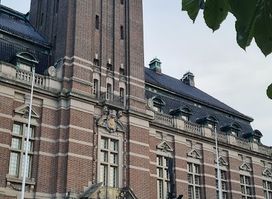
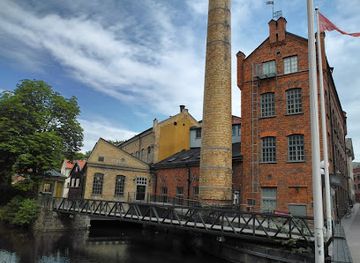
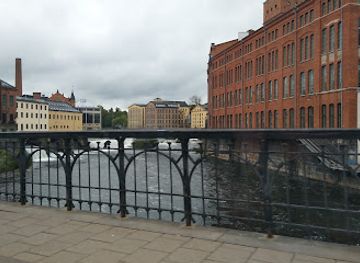
Look around and you’ll see the island framed by the redbrick silhouettes and tall windows of former factories on the banks: a layered scene of chimneys, warehouse gables and restored façades. Those buildings give the small green space a townscape intensity unusual for a park of its size, so the experience toggles between secluded riverside greenery and framed industrial vistas.Pockets of greenery and everyday uses
Strömsholmen is used like a neighbourhood living room: short lawns, benches and paved paths invite short stays rather than long hikes. The grassy edges are suited to picnics, dog-walking and quiet reading while the riverside promenade provides a close vantage for watching barges, swans and the current. Seasonal planting and scattered mature trees offer shade in summer and spare silhouettes in winter.Historic layers and local stories
Names attached to the islet reflect its layered past—earlier labels recorded in local sources include Skeppsholmen, Blekholmen and Bykholmen before the modern name settled in the 19th century. Across different eras the island hosted services, cafés and informal entertainments that fed into the city’s summer social life, adding cultural as well as industrial value to this small landform.Sensory notes and what to notice
On a calm morning the river murmurs against stone and timber, and the air carries faint echoes of the mills—an urban soundscape of water, gulls and distant traffic rather than silence. In low light the brick façades pick up warm tones; in bright winter light the river’s surface glitters between shadowed warehouse walls. Small details reward close inspection: old quay furniture, mooring rings, and the change in paving where public paths meet private yards.












Your all‑in‑one travel companion app
Explore expert travel guides, compare and book tours, experiences, hotels, and more—all from the palm of your hand. Download now for seamless trip planning wherever your wanderlust takes you.


Explore More of Norrkoping
Looking beyond Strömsholmen? Discover Norrkoping for broader travel guides, local hot-spots, and regional highlights.
Explore Norrkoping