

Svenskt Porslinsmuseum Travel Guide
Free Guide: A focused, manor‑set survey of 250 years of Swedish porcelain — where factory marks, glazes and domestic stories meet the quiet rooms of Godegård säteri.


A brief summary of Svenskt Porslinsmuseum
A focused, manor‑set survey of 250 years of Swedish porcelain — where factory marks, glazes and domestic stories meet the quiet rooms of Godegård säteri.
Svenskt Porslinsmuseum, housed at the historic Godegård manor near Motala, presents roughly 250 years of Swedish porcelain history in one of the country's largest collections. Displays range from everyday tableware to refined factory pieces and artistic ceramics, set within a period estate that adds atmospheric context to the material culture on show. The museum operates mainly as a seasonal, summer museum and is a focused destination for design, craft and social history enthusiasts.
On-site amenities
 Information boards
 Seating areas
Opening hours
- Every day11 am–6 pm
Opening hours as listed on the venue’s Google Business Profile. Hours can change for services and special events, so check with the venue before you go.
- Address
- säteri, 591 98 Motala
- Phone
- Website
Getting there
Regional car transfer
Local bus plus walk
Guided tour shuttle / organised visit
Discover more about Svenskt Porslinsmuseum
A compact national collection in a manor setting
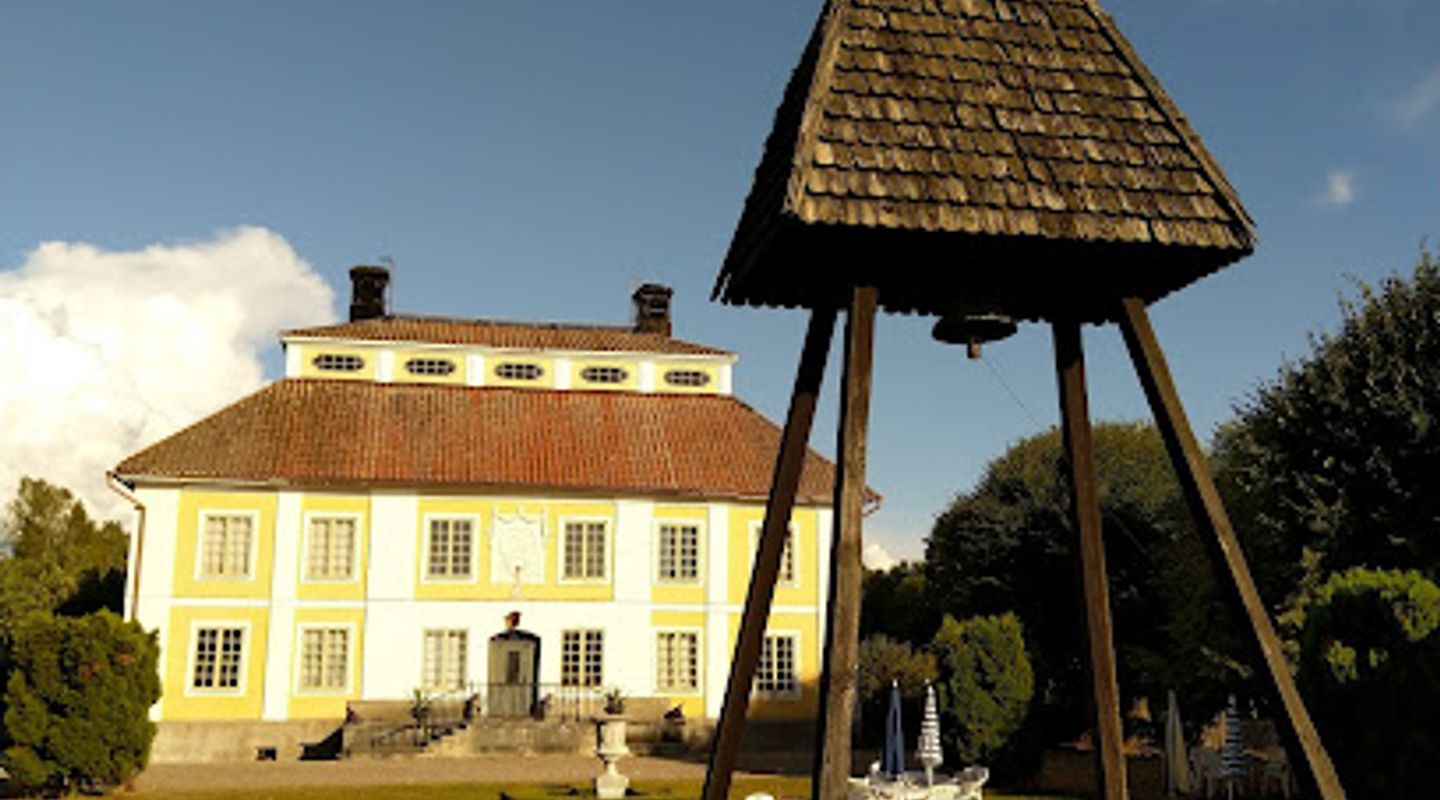
Svenskt Porslinsmuseum is located at Godegård säteri and presents an extensive, concentrated survey of Swedish porcelain production spanning roughly two and a half centuries. The museum's displays gather both household wares and more decorative output from notable Swedish factories, arranged to show technological change, shifting tastes and how ceramics threaded through everyday life and ceremony. The building and estate provide a tangible backdrop: rooms, cabinets and display cases sit against the quieter, classical lines of a country manor.
The story told by shapes and glazes
Exhibits emphasise the material language of porcelain — forms, glazes, painted decoration and transfer prints — so visitors can follow how function and fashion evolved. Early pieces illustrate traditional forms and hand-decoration; later examples reveal industrial techniques, streamlined designs and collaborations between potteries and contemporary designers. Labels and curated groupings highlight manufacturing origins, the social contexts of production, and the interplay between export markets, local use and artistic experimentation.
The house, the collection and its atmosphere
Unlike a purpose-built modern museum, this collection sits within the manor’s domestic scale: smaller galleries and room-like spaces make the experience intimate and contemplative. Wood floors, period details and restrained lighting create a quieter, museum-of-objects atmosphere where close inspection is encouraged. The site’s rural calm — clipped lawns, distant trees and the manor’s façades — extends the sense of stepping back into domestic histories associated with the ceramics on display.
Seasonal rhythm and visitor experience
The museum operates primarily in a summer season, concentrating visitor activity into a limited part of the year; the seasonal opening shapes visits into a short, focused experience rather than an all-year programme. Temporary displays occasionally supplement the permanent sequence, bringing curatorial themes such as designer collaborations, production techniques or social rituals into sharper focus. The museum’s scale suits both short visits for a single gallery circuit and longer, more deliberate study by design and craft enthusiasts.
Context within Östergötland’s cultural landscape
Situated roughly between Motala and Askersund, the museum complements the region’s rural historic houses and local cultural sites. The manor’s presence — its architecture and parkland — helps anchor the ceramics in the lived environments that once used them. For visitors interested in Swedish material culture, this pairing of object collection and estate setting deepens understanding of objects as part of everyday and ceremonial landscapes.
What makes the collection distinctive
The collection’s strength is its national span presented at a human scale: rather than a sprawling encyclopaedia, it is a carefully selected narrative showing craftsmanship, industry and changing domestic practices. Attention to design development and the inclusion of both high-style and commonplace items mean the museum appeals to visitors who want to see how porcelain moved between factories, dining tables and display cabinets over centuries.
Evendo Review Centre
 Google
Guest reviews
Best time to go
Quietest: Jan, Feb & Nov · before 9am or from 7pm
Busy times are Evendo estimates for a typical year, to help you plan. Actual crowds vary with events, school holidays and the weather.
Explore Svenskt Porslinsmuseum on the map
A handpicked selection of must-see spots near Svenskt Porslinsmuseum, mapped for you.
Get your free copy of our complete guide to Svenskt Porslinsmuseum, delivered straight to you.
Everything on this page, from opening hours and how to get there to Eve’s tips and the best time to go, in one PDF you can read offline, print or share.
Already have an account? Sign in
Your Svenskt Porslinsmuseum guide is ready.
We'll send it to · Not you? Sign out

Getting your guide ready…
We are putting together a fresh copy of the Svenskt Porslinsmuseum guide. This can take up to a minute.
This can take a few moments. If your browser asks, choose Allow so the download can start. You'll find the guide in your Downloads folder.
Nothing happened? Download it again
Sorry, the guide is taking longer than usual. Please try again in a minute, or get it by email instead.
Other nearby places you may find interesting
The closest places of the same kind, if this one is not quite what you had in mind.
-
-
-
-
-


Swipe for more places
More to explore near Svenskt Porslinsmuseum

 Best experiences near Svenskt Porslinsmuseum
 Best hotels near Svenskt Porslinsmuseum
 Best landmarks near Svenskt Porslinsmuseum
 Best attractions near Svenskt Porslinsmuseum
 Best shops near Svenskt Porslinsmuseum
 Best restaurants near Svenskt Porslinsmuseum
 Best bars near Svenskt Porslinsmuseum
Do you manage this location?
Take control to get all the benefits, like improved information, better appearance, and stronger visibility across AI-powered discovery.
Explore more

Explore more of Östergötland
Discover Östergötland: A perfect blend of history, nature, and culture in southern Sweden, offering charming towns, lush landscapes, and a rich cultural heritage.
Explore Östergötland
Explore more of Sweden
Discover Sweden's breathtaking landscapes, vibrant cities, and rich cultural heritage. From the Northern Lights to historic castles, experience the essence of Scandinavia.
Explore Sweden
