

Free Östergötland Travel Guide & Mobile App
Explore Östergötland with free travel guides. Discover regional history, expert tips, proposed trips, and audio guides on web or mobile app.


Discover Östergötland: A perfect blend of history, nature, and culture in southern Sweden, offering charming towns, lush landscapes, and a rich cultural heritage.
Read more about Östergötland
When is the best time to visit Östergötland?
Best: June–August · 21–23°C| Month | High (°C) | Rainfall (mm) |
|---|---|---|
| January | 1 | 40 |
| February | 2 | 35 |
| March | 7 | 40 |
| April | 13 | 45 |
| May | 18 | 50 |
| June (best) | 21 | 60 |
| July (best) | 23 | 70 |
| August (best) | 22 | 70 |
| September | 18 | 60 |
| October | 12 | 50 |
| November | 6 | 45 |
| December | 2 | 40 |
Getting to and around Östergötland
How to get there
Transportation
Top city travel guides in Östergötland
The cities of Östergötland, and the easiest places to base yourself.
-

-

-


Swipe for more cities
Best attractions in Östergötland
Östergötland, a gem in southeastern Sweden, offers an enchanting blend of natural beauty and historical depth. Visitors can explore the medieval splendor of Linköping Cathedral and the stunning baroque architecture of Löfstad Castle. The Göta Canal, often referred to as Sweden's Blue Ribbon, provides a serene boat journey through picturesque landscapes, while the Vättern and Roxen lakes offer opportunities for fishing, boating, and relaxing by the water. History enthusiasts will revel in the Viking sites at Rök Runestone, which features the longest known runic inscription, and the well-preserved medieval town of Vadstena, home to the majestic Vadstena Castle and Abbey. For a taste of Swedish wildlife, the Kolmården Wildlife Park promises an unforgettable safari experience. The region's lush forests, charming countryside, and vibrant cities make Östergötland a captivating destination for every kind of traveler.
-
Zoo
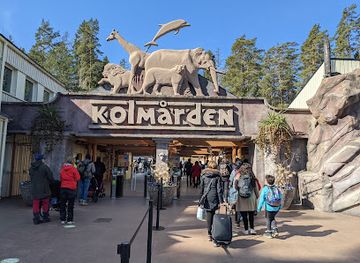
Kolmården Zoo
Glide above lions and dolphins in Sweden's wildest wildlife adventure, blending safari thrills, animal shows, and family rides across forested expanses.
-
Store
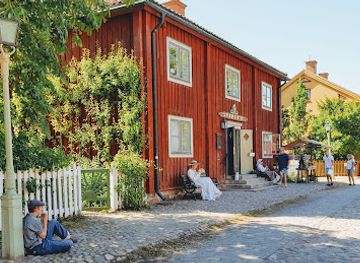
Gamla Linköping Open Air Museum
Step into a recreated 1900s Swedish town of cobbles, wooden houses, cafés and craft shops — free to explore and alive with seasonal events.
-
Shopping mall
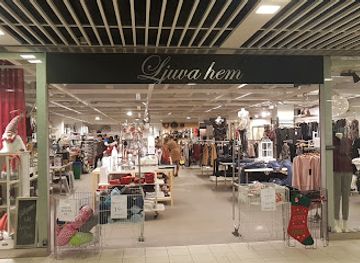
i-HUSET
Linköping's vibrant shopping oasis with 58 stores, IKEA, diverse dining, free parking, and endless discoveries just minutes from the city.
-
Shopping mall
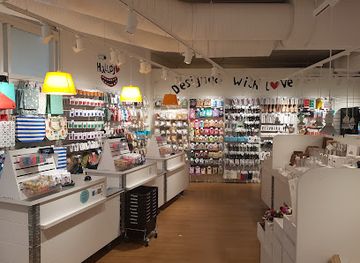
Mirum Galleria
Spacious suburban shopping centre in Norrköping with a wide mix of stores, family facilities, EV charging and ample parking for convenient all‑season visits.
Best landmarks in Östergötland
Östergötland, Sweden, offers a captivating blend of natural beauty and rich history that enchants every visitor. Marvel at the medieval grandeur of Linköping Cathedral, one of Sweden's most magnificent churches, and explore the ancient rock carvings at Himmelstalund, dating back to the Bronze Age. Wander through the cobblestone streets of Vadstena, where the stunning Vadstena Castle and the serene Abbey give a glimpse into the region's medieval past. For nature enthusiasts, the Göta Canal provides picturesque boat trips, while the vast Omberg Ecopark offers hiking trails with breathtaking views over Lake Vättern. Discover the unique industrial heritage at the Motala Motor Museum and get enchanted by the stunning architecture and lush gardens of Löfstad Castle. Östergötland is a treasure trove of experiences waiting to be explored.
-
Tourist attraction
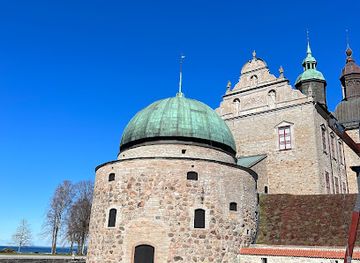
Vadstena Castle
Sweden's premier Renaissance castle: Explore Gustav Vasa's fortress-turned-palace on Lake Vättern's edge, with moats, towers, and royal tales in a medieval town.
-
Cathedral
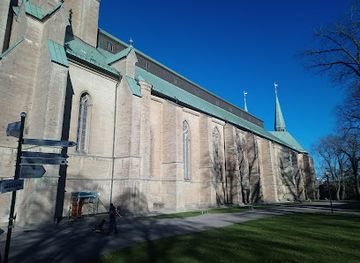
Linköping Cathedral
Sweden's grandest medieval cathedral: 800 years of Gothic majesty, luminous vaults, and timeless artistry in Linköping's heart.
-
Tourist attraction
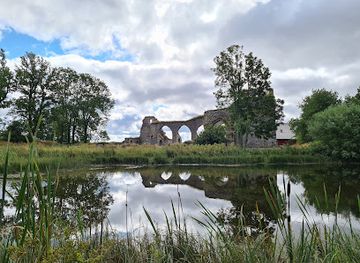
Alvastra Monastery
Echoes of medieval piety in limestone ruins at Omberg's foot—Sweden's pioneering Cistercian abbey, free and timeless.
-
Historical landmark
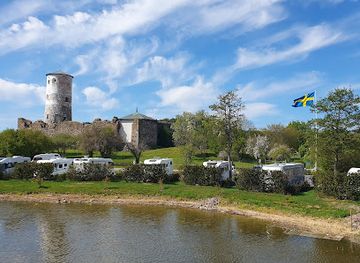
Stegeborg Castle
Evocative medieval ruins on a Baltic island, birthplace of kings, amid lush gardens and archipelago vistas—Sweden's storied stronghold awaits.
Explore Östergötland on the map
Plan your trip on one map. See where the top cities, national parks and sights are, and book hotels and experiences in a few clicks.
Best hotels in Östergötland
Best restaurants in Östergötland
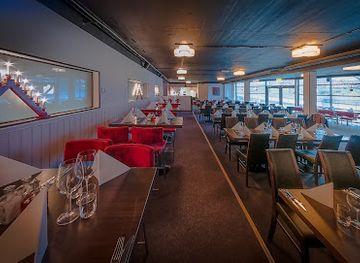
Östergötland's dining scene is a delightful tapestry of traditional Swedish cuisine and innovative culinary artistry set against the backdrop of its picturesque landscapes. Visitors can savor hearty local dishes like raggmunk (potato pancakes) with lingonberries and cured meats in charming countryside taverns that echo centuries of history. The region's lakes and forests provide a bounty of fresh ingredients, resulting in exquisite seafood and game dishes that are a testament to the area's rich natural resources. Trendy urban eateries in cities like Linköping and Norrköping offer contemporary twists on classic flavors, often incorporating organic and locally-sourced produce. Whether dining in a rustic farm-to-table setting or a chic modern bistro, the culinary journey through Östergötland promises an unforgettable feast for the senses.
-
Restaurant
Strandgatan två
Linköping's 3000m² entertainment oasis by Stångån: epic sports bar with 80 screens, bowling, karaoke, VR thrills, and hearty meals for unforgettable group adventures.
-
Gastropub
De Klomp
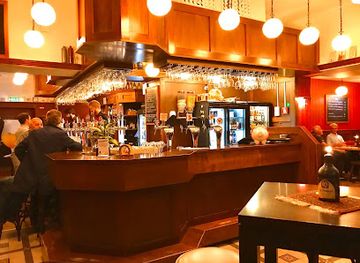
A warm, beer‑centric gastropub on Sankt Larsgatan — vast taps, cellar bottles and straightforward pub food made for pairing.
-
Restaurant
Överste Mörners
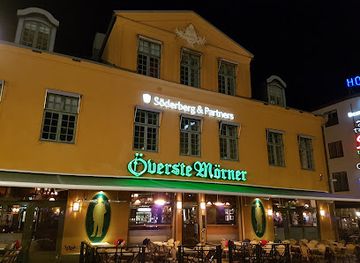
Classic Linköping pub on Stora Torget: hearty grills, endless beers, and electric afterwork energy in the city's lively heart.
-
Restaurant
Östgötakällaren
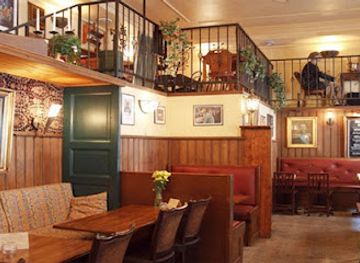
Classic Södermalm kvarterskrog and beer hall serving hearty Scandinavian and Central European comfort food in a warm, vintage pub setting.
Best bars in Östergötland
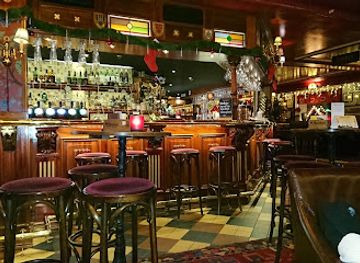
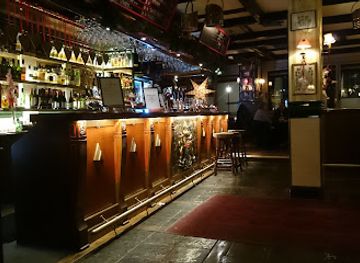
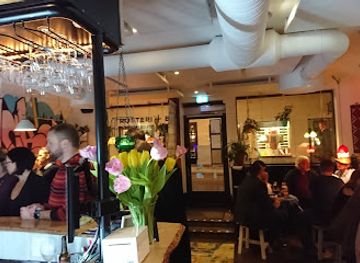
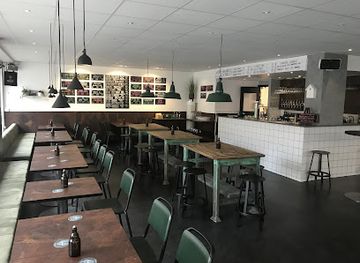
Östergötland offers an eclectic nightlife that caters to a variety of tastes, promising unforgettable evenings for everyone. In Linköping and Norrköping, the region's largest cities, you'll find a vibrant mix of modern nightclubs pulsating with electronic beats, cozy pubs serving locally brewed craft beers, and chic cocktail bars where mixologists craft innovative drinks. For those seeking a more laid-back experience, the historic town of Vadstena provides charming waterfront bars with stunning views of Lake Vättern, perfect for a serene evening. In the summer months, many establishments feature live music, outdoor terraces, and themed events, turning the nightlife into a dynamic and ever-changing landscape. Whether you're dancing the night away, enjoying a quiet drink, or exploring the unique blend of contemporary and historic venues, Östergötland's nightlife scene promises to leave a lasting impression.
-
Pub
The Horse & Hound
An English‑style pub in central Linköping with a wide rotating beer selection, cosy rooms and regular live music.
-
Pub
The Bishops Arms - Linköping
A cosy English-style gastropub in central Linköping with an extensive beer and whisky selection and hearty pub food.
-
Pub
Backen Ölcafé
Cozy Linköping beer café pouring rotating craft taps and loaded smörrebröd in a homey haven with quiz nights and courtyard events.
-
Pub
Ölstugan Gull-Olle
Cozy Norrköping pub with 20+ rotating Swedish craft beers, hearty husmanskost, and rustic charm beside the gilded Gull-Olle statue—perfect for relaxed evenings.
Best nightclubs in Östergötland
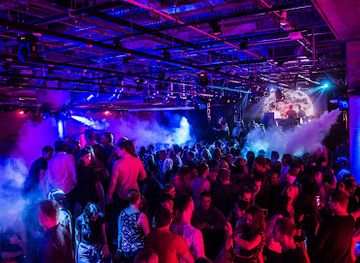
Östergötland offers an eclectic nightlife that caters to a variety of tastes, promising unforgettable evenings for everyone. In Linköping and Norrköping, the region's largest cities, you'll find a vibrant mix of modern nightclubs pulsating with electronic beats, cozy pubs serving locally brewed craft beers, and chic cocktail bars where mixologists craft innovative drinks. For those seeking a more laid-back experience, the historic town of Vadstena provides charming waterfront bars with stunning views of Lake Vättern, perfect for a serene evening. In the summer months, many establishments feature live music, outdoor terraces, and themed events, turning the nightlife into a dynamic and ever-changing landscape. Whether you're dancing the night away, enjoying a quiet drink, or exploring the unique blend of contemporary and historic venues, Östergötland's nightlife scene promises to leave a lasting impression.
-
Night club
Colosseum Nightclub
Sweden's largest nightclub with Stockholm's biggest dance floor—dive into electronic beats, chart hits, and non-stop energy near Tele2 Arena every weekend.
-
Night club
Arbis Bar & Salong
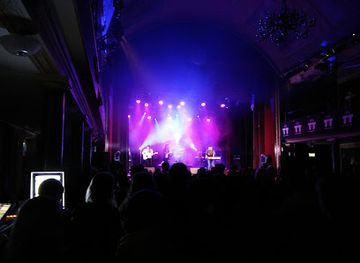
Vintage theatre turned lively live‑music bar — intimate concerts, seasonal beer‑garden and a cosy, theatrical atmosphere in central Norrköping.
-
Night club
Baras ställe - Restaurang & Nattklubb på Södermalm
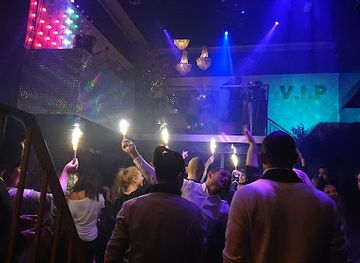
A cosy Södermalm hangout that flips from neighbourhood pub and kitchen into a compact, DJ-driven nightclub on weekend nights.
-
Night club
Platens Bar
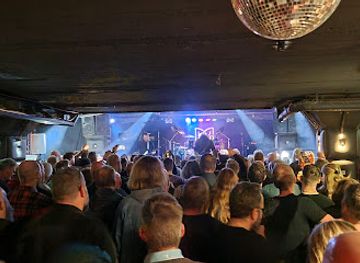
Linköping's elegant eatery by day, electrifying concert club by night—dance, dine, and discover the beat.
Best shops in Östergötland
In Östergötland, the shopping scene is a delightful blend of modernity and tradition, offering visitors a unique experience that reflects the region's rich cultural tapestry. Wander through the cobblestone streets of Linköping and Norrköping where chic boutiques and contemporary Swedish design stores stand alongside charming antique shops and artisanal markets. Discover handcrafted goods in picturesque towns like Vadstena, famed for its lace-making heritage, or explore local farmers' markets bursting with fresh produce and traditional delicacies. Whether you're hunting for the latest Scandinavian fashion, unique souvenirs, or historical artifacts, Östergötland's diverse shopping venues promise something for every taste, all set against a backdrop of stunning natural beauty and centuries-old architecture.
-
Cafeteria
Stafsäter Farm Ice Cream
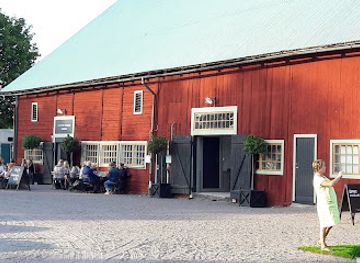
Savor farm-fresh artisanal ice cream at this family-run Swedish gem, where local ingredients and countryside charm create unforgettable sweet moments.
-
Cheese shop
Löt Gårdsmejeri AB
Discover handcrafted goat cheeses from free-roaming herds at this acclaimed Östergötland farm dairy, home to Nobel-featured flavors and playful animal encounters.
-
Fashion accessories store
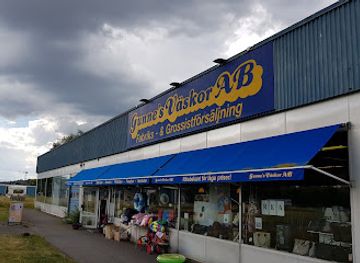
Gunnes Väskor
Family-run since 1965, Gunnes Väskor offers Sweden's widest array of branded bags, wallets, gloves, and umbrellas in cozy Mantorp.
-
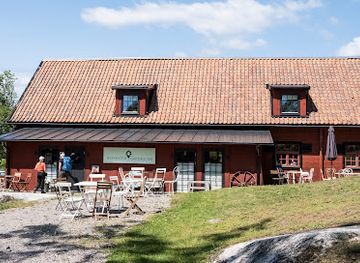
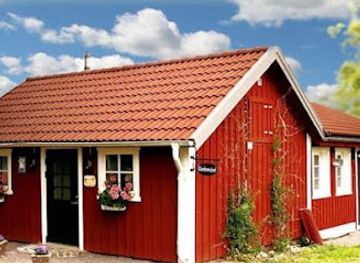
Home goods store
Country Interior
A farmhouse atelier for restored furniture, tactile homewares and seasonal markets set at Billa Gård in the Östergötland countryside.
Get your free copy of our complete guide to Östergötland, delivered straight to you.
Everything on this page, from attractions and restaurants to essentials and local phrases, in one PDF you can read offline, print or share.
Already have an account? Sign in
Your Östergötland guide is ready.
We'll send it to · Not you? Sign out

Getting your guide ready…
We are putting together a fresh copy of the Östergötland guide. This can take up to a minute.
This can take a few moments. If your browser asks, choose Allow so the download can start. You'll find the guide in your Downloads folder.
Nothing happened? Download it again
Sorry, the guide is taking longer than usual. Please try again in a minute, or get it by email instead.
Östergötland essentials
Currency and Payment
Safety
Emergency Situations
Do's and Don'ts
Local Tips
From Eve
Local phrases worth knowing
You don't need to get them perfect. A few words go a long way, and locals appreciate the effort.
Basics
| English | Local | Say it |
|---|---|---|
| Hello | Hej | [hay] |
| Goodbye | Hejdå | [hay-doh] |
| Yes | Ja | [yah] |
| No | Nej | [nay] |
| Please/You're welcome | Snälla/Tack | [snel-lah/tahk] |
| Thank you | Tack | [tahk] |
| Excuse me/Sorry | Ursäkta/Mi ledsen | [oor-sek-tah/mee led-sen] |
| How are you? | Hur mår du? | [hoor mohr doo] |
| Fine. And you? | Bra. Och du? | [bra. ohk doo] |
| Do you speak English? | Talar du engelska? | [tah-lar doo eng-el-skah] |
| I don't understand | Jag förstår inte | [yahg fur-stor in-teh] |
Eating & Drinking
| English | Local | Say it |
|---|---|---|
| I'd like to see the menu, please | Jag skulle vilja se menyn, tack | [yahg skool-leh vil-yah seh meh-nyoon, tahk] |
| I don't eat meat | Jag äter inte kött | [yahg eh-ter in-teh shutt] |
| Cheers! | Skål! | [skawl] |
| I would like to pay, please | Jag skulle vilja betala, tack | [yahg skool-leh vil-yah beh-tah-lah, tahk] |
Emergencies
| English | Local | Say it |
|---|---|---|
| Help! | Hjälp! | [yelp] |
| Go away! | Gå bort! | [gaw bort] |
| Call the Police! | Ring polisen! | [ring poh-lee-sen] |
| Call a doctor! | Ring en läkare! | [ring en leh-kah-reh] |
| I'm lost | Jag har gått vilse | [yahg har goht vil-seh] |
| I'm ill | Jag är sjuk | [yahg air shook] |
Shopping
| English | Local | Say it |
|---|---|---|
| I'd like to buy... | Jag skulle vilja köpa... | [yahg skool-leh vil-yah shur-pah...] |
| I'm just looking | Jag bara tittar | [yahg bar-ah tit-tar] |
| How much is it? | Hur mycket kostar det? | [hoor myck-et kost-ar deh] |
| That's too expensive | Det är för dyrt | [deh air fur deer-t] |
| Can you lower the price? | Kan du sänka priset? | [kan doo sen-kah pree-set] |
Time & Numbers
| English | Local | Say it |
|---|---|---|
| What time is it? | Vad är klockan? | [vahd air klok-kahn] |
| It's one o'clock | Klockan är ett | [klok-kahn air ett] |
| Half past (10) | Halv (10) | [halv (ten)] |
| Morning | Morgon | [mor-gon] |
| Afternoon | Eftermiddag | [ef-ter-mid-dahg] |
| Evening | Kväll | [kvel] |
| Yesterday | Igår | [ee-gor] |
| Today | Idag | [ee-dahg] |
| Tomorrow | Imorgon | [ee-mor-gon] |
| 1 | 1 | [ett] |
| 2 | 2 | [två] |
| 3 | 3 | [tre] |
| 4 | 4 | [fyra] |
| 5 | 5 | [fem] |
| 6 | 6 | [sex] |
| 7 | 7 | [sju] |
| 8 | 8 | [åtta] |
| 9 | 9 | [nio] |
| 10 | 10 | [tio] |
Transport & Directions
| English | Local | Say it |
|---|---|---|
| Where's a/the...? | Var är en/den...? | [var air en/den...?] |
| What's the address? | Vad är adressen? | [vahd air ah-dress-en] |
| Can you show me (on the map)? | Kan du visa mig (på kartan)? | [kan doo vee-sah may (poh kar-tahn)?] |
| When's the next (bus)? | När går nästa (buss)? | [nair gor nasta (boos)?] |
| A ticket (to ....) | En biljett (till ....) | [en bil-yet (til ....)] |
History of Östergötland
The Viking Age in Östergötland
Östergötland was a significant region during the Viking Age, serving as a central hub for trade and exploration. The region's proximity to the Baltic Sea facilitated interactions with various cultures. Archaeological finds, including rune stones, burial mounds, and artifacts, offer a vivid glimpse into the lives of the Vikings who once roamed these lands.
The Establishment of Linköping
Linköping, the heart of Östergötland, has roots dating back to the 12th century. Originally a prominent religious center, the city is home to the majestic Linköping Cathedral. Construction of the cathedral began in the 13th century and it stands today as a testament to Gothic architecture and the region's medieval heritage.
The Battle of Stångebro
The Battle of Stångebro, fought in 1598, was a critical event in Swedish history. Located near Linköping, this battle saw King Sigismund III of Poland and Sweden face off against his uncle, Duke Charles. The battle concluded with Sigismund's defeat, leading to Charles' ascension to the Swedish throne as King Charles IX.
The Göta Canal
Completed in 1832, the Göta Canal is one of Sweden's most remarkable engineering feats. Spanning 190 kilometers and connecting the Baltic Sea to the North Sea, the canal played a pivotal role in boosting trade and transportation in the 19th century. Östergötland hosts several scenic stretches of the canal, which remain popular with tourists today.
The Industrial Revolution in Norrköping
Norrköping, often referred to as 'Sweden's Manchester,' was a vital industrial center during the 19th century. The city flourished with its textile mills, paper factories, and other manufacturing industries. The legacy of this industrial boom is preserved in the city's historic buildings and museums, which offer insights into its transformative past.
The Cultural Heritage of Vadstena
Vadstena is a small town rich in cultural heritage, prominently featuring Vadstena Castle and Vadstena Abbey. Founded by Saint Bridget in the 14th century, the abbey became a major religious site in medieval Sweden. Vadstena Castle, built in the 16th century, is a Renaissance masterpiece that once served as a royal residence and now houses a museum.
Medieval Churches of Östergötland
Östergötland is dotted with numerous medieval churches, many of which were built during the 12th and 13th centuries. These churches, such as Skänninge Church and Kaga Church, are architectural gems that showcase Romanesque and Gothic styles. They offer a glimpse into the religious and cultural life of medieval Sweden.
The Linköping Bloodbath
The Linköping Bloodbath occurred in 1600 when five noblemen loyal to King Sigismund were executed by order of Duke Charles, who later became King Charles IX. This event was part of the larger power struggle between the Catholic and Protestant factions in Sweden and had a significant impact on Swedish history.
Östergötland in Photos
Browse through our photo collection highlighting the charm and character of the destination.
Neighbouring regions of Östergötland
The closest regions to Östergötland, if you have time for more than one.
-

-

-

-

-


Swipe for more regions
Explore more
Explore more of Sweden
Discover Sweden's breathtaking landscapes, vibrant cities, and rich cultural heritage. From the Northern Lights to historic castles, experience the essence of Scandinavia.
Explore Sweden