Minnessten över Getåolyckan, Ostergotland Travel Guide
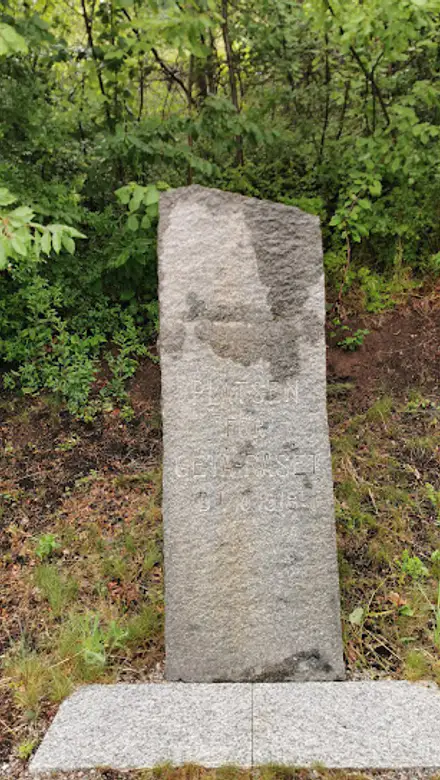
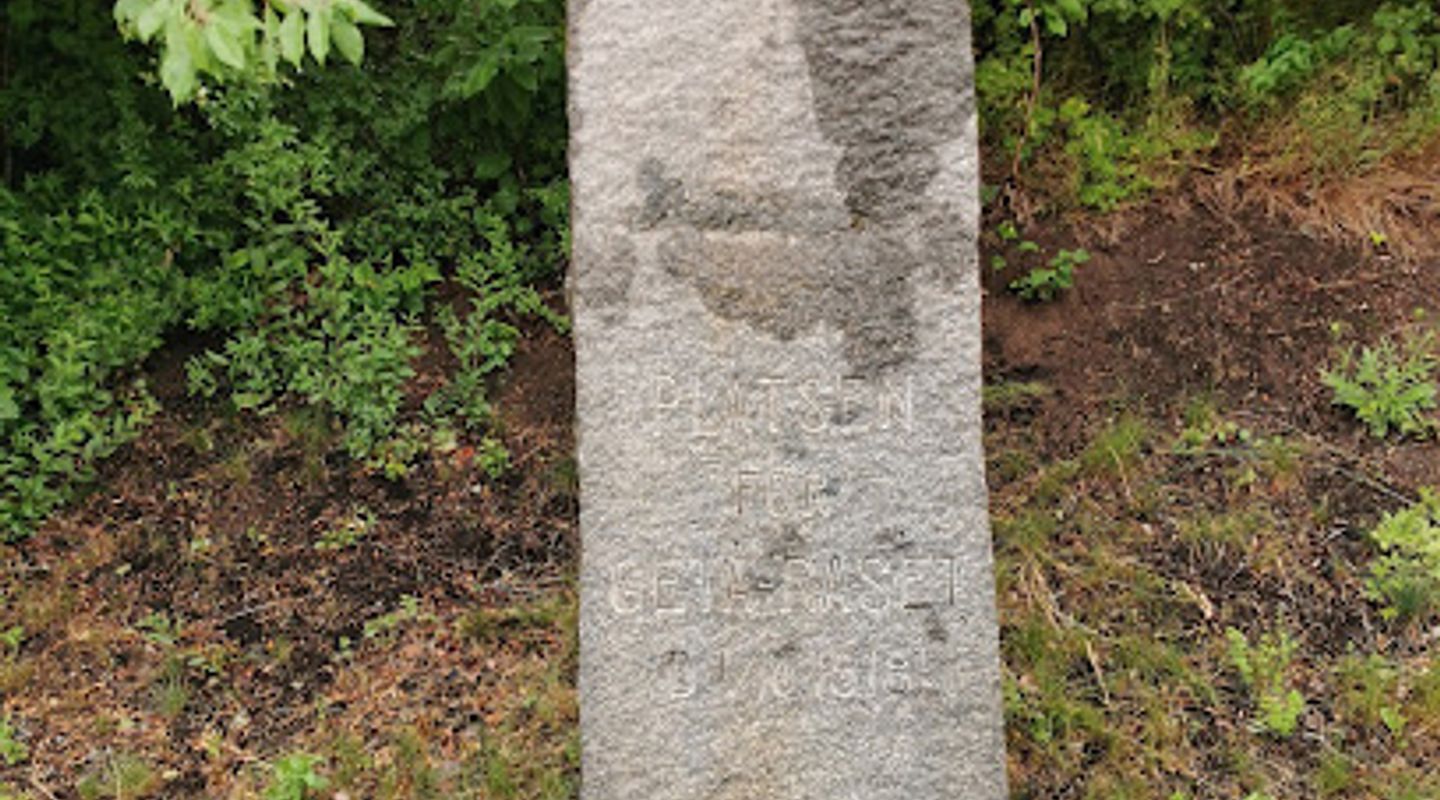
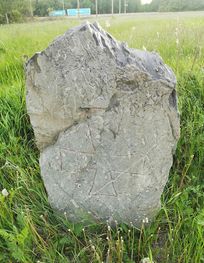
Stand where Sweden's worst train disaster unfolded in 1918—a stark stone memorial at the landslide site recalls lives lost in Getå ravine.
A solemn memorial stone marks the site of Sweden's deadliest rail disaster in Getå, near Norrköping, where a massive landslide derailed a passenger train on October 1, 1918, claiming at least 42 lives amid the chaos of World War I. This quiet roadside tribute invites reflection on a tragic chapter in Swedish railway history, standing as a poignant reminder of human vulnerability against nature's fury.
A brief summary to Minnessten över Getåolyckan
- Ö, Norrköping, SE
- Click to display
- Duration: 0.5 to 1.5 hours
- Free
-
 Outdoor
- Mobile reception: 5 out of 5

Know before you go
Hi, I'm Eve. Here are a few practical things to know before exploring Minnessten över Getåolyckan.
- Visit at dusk for a reflective experience as trains pass, echoing the fateful evening.
- Combine with a stop at Norra Kyrkogård's collective grave for fuller context on the victims.
- Observe the stone's engravings closely; they detail the exact time and circumstances of the crash.
Do you manage this location?
Take control to get all the benefits, like improved information, better appearance, and stronger visibility across AI-powered discovery. Learn more about listing your business on Evendo
Activate your presenceOther nearby places you may find interesting
The closest places of the same kind, if this one is not quite what you had in mind.
Explore Minnessten över Getåolyckan on the Map
A handpicked selection of must-see spots near Minnessten över Getåolyckan, mapped for you.
Getting There
-
Bus
Bus 11 from Norrköping Centralstation to Getå station takes 20-25 minutes, runs every 30 minutes, then 10-minute walk along flat roadside path; single ticket 30-40 SEK.
-
Train
Regional train from Norrköping to Getå station, 15-20 minutes journey every hour, level platform exit and 800m paved walk to site; fare 40-60 SEK.
-
Driving
Drive from Norrköping via Route 55, 20-25 minutes, limited roadside parking nearby with no dedicated spaces; free but watch for traffic.
-
Taxi
Taxi from Norrköping center, 25-30 minutes depending on traffic, suitable for groups or evenings; costs 400-600 SEK.
For the on-the-go comforts that matter to you
-
 Trash Bins
Discover more about Minnessten över Getåolyckan
Tragic Night of the Landslide
On the evening of October 1, 1918, express train 422 from Stockholm to Göteborg thundered through the narrow Getå ravine near Norrköping. As it approached the curve at high speed, a colossal landslide—triggered by heavy autumn rains—crashed down, hurling massive boulders and earth onto the tracks. The locomotive and cars derailed violently, crumpling into the ravine. Flames erupted from the wooden carriages, fueled by coal and escaping steam, turning the scene into a nightmarish inferno.Human Toll and Heroic Survival
The disaster claimed at least 42 lives, including passengers, crew, and postal workers, with some victims so severely burned they could not be identified. Remarkably, postiljon Eric Ruben Håkansson and Johan Levi Lindström escaped the demolished mail car. Håkansson encountered the soot-blackened locomotive driver Wahlström, who urgently requested a signal lantern amid the darkness. These stories of survival amid devastation underscore the raw human element of the catastrophe.Erecting the Memorial
The simple yet evocative minnessten—a sturdy stone engraved with details of the event—stands directly at the accident site in the Ö area of Norrköping. Unveiled soon after, it commemorates the fallen and serves as a perpetual marker of the spot where the earth swallowed the train. Photographed over decades, the stone endures as a weathered sentinel, its inscription faded but message eternal, overlooking the now-electrified tracks that carry modern trains past this haunted bend.Engineering and Wartime Shadows
The Getå ravine posed known risks to rail engineers, with its steep slopes and history of erosion. World War I exacerbated conditions through rationing and strained infrastructure maintenance. The Litt B1200 locomotive, with its 1550 horsepower and towering 1880 mm drive wheels, represented cutting-edge Swedish rail technology, yet proved no match for nature's onslaught. The broken telegraph lines first alerted authorities, signaling the scale of the unfolding tragedy.Lasting Echoes in Norrköping
Fifteen named victims and five unidentified rest in a collective grave at Norrköping's Norra Kyrkogård, marked by a towering five-meter red granite stone. The Getå memorial complements this site, drawing those seeking to connect with Sweden's somber industrial past. Today, the location blends quiet woodland with the distant hum of passing trains, a place where history's weight lingers in the air.More to explore near Minnessten över Getåolyckan













Your all‑in‑one travel companion app
Explore expert travel guides, compare and book tours, experiences, hotels, and more—all from the palm of your hand. Download now for seamless trip planning wherever your wanderlust takes you.


Explore More of Ostergotland
Looking beyond Minnessten över Getåolyckan? Discover Ostergotland for broader travel guides, local hot-spots, and regional highlights.
Explore Ostergotland
Linköping's medieval heart: historic square with legendary fountain, vibrant markets, and colorful facades pulsing with Swedish city life.
Ancient runes whisper Viking tales from Norrköping's heart, where Torfrid's stone stands sentinel over a city's storied rise from medieval streams to modern streets.