Runsten Travel Guide
Free Guide: Viking runestone naming Gunnars bro, where Håkan's 11th-century bridge tribute endures beside Norrköping's bustling road—a rare glimpse into familial runic legacy.


A brief summary of Runsten
Viking runestone naming Gunnars bro, where Håkan's 11th-century bridge tribute endures beside Norrköping's bustling road—a rare glimpse into familial runic legacy.
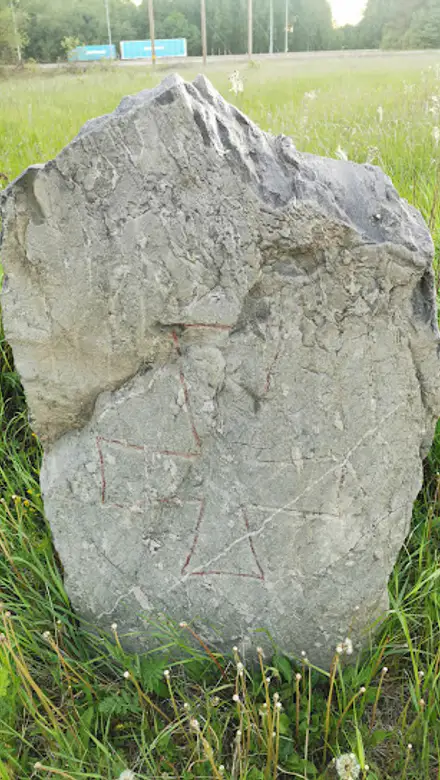
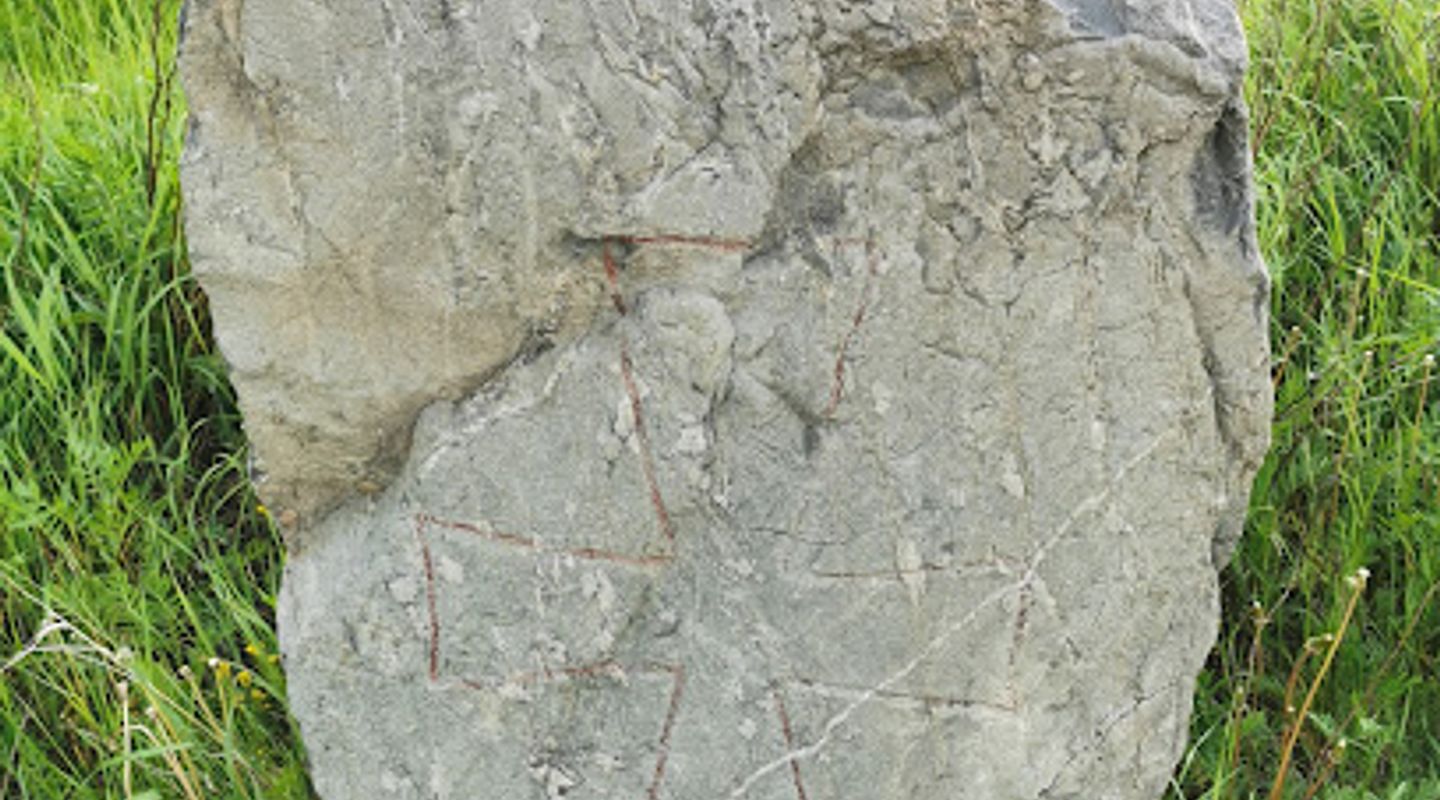
This Viking-era runestone, known as Ög 162, stands prominently along Koppargatan in Norrköping, commemorating Håkan's construction of a bridge named after his son Gunnar. Dating to the 11th century, it features a unique inscription detailing the bridge's naming, paired with ancient cup marks. Unearthed in the 1850s during bridge reconstruction near Kullerstadsbäcken, it offers a direct glimpse into medieval commemorative practices. A second fragment discovered in 1969 at nearby Kullerstads kyrka completes the original monument, highlighting its historical significance in Östergötland's runic heritage. Visible from the main road, it blends ancient legacy with urban accessibility.
On-site amenities
 Information boards
 Trash bins
Opening hours
- Every dayOpen 24 hours
Opening hours as listed on the venue’s Google Business Profile. Hours can change for services and special events, so check with the venue before you go.
- Address
- Koppargatan 33, 602 23 Norrköping
Getting there
Bus
Walking
Cycling
Driving
Discover more about Runsten
Ancient Bridge Memorial
The Runsten at Koppargatan 33 captures a poignant moment from Sweden's Viking Age. Erected in the 11th century, this runestone—designated Ög 162—proclaims Håkan's feat of building a bridge over Kullerstadsbäcken, naming it Gunnars bro in honor of his son. The inscription reads: "Håkon gærði bro þessi, en su skal hæita Gunnars bro, en saʀ vaʀ sunn Hakonaʀ." This explicit naming sets it apart as the only known runic text to so directly memorialize a structure after a loved one.
Rediscovery Amid Reconstruction
Hidden for centuries, the stone emerged in the 1850s when the original landsvägsbron was rebuilt between drained lakes Laxfjärden and Glan. Workers unearthed it beneath the western abutment, its runic band intact alongside about fifteen cup-shaped depressions called skålgropar. These prehistoric marks, predating the runes, evoke layers of ritual use, similar to the Focksta stone in Uppland.The bridge's medieval name had faded by then, rechristened Kullerstads bro, but recent scholarship revived Gunnars bro, now marked on maps. Positioned visibly beside the modern road, it bridges past and present.
Fragments of a Unified Monument
A linguistic puzzle resolved in 1969: a matching fragment at Kullerstads kyrka, half a kilometer north, supplies the missing dedication clause. Together, they formed a single monument at the bridge site, emphasizing communal memory in Viking society. Håkan's act reflects widespread 11th-century customs of raising stones for bridges, roads, and family legacies across Östergötland.
Runic Craftsmanship and Symbolism
Carved in granite, the stone's runes follow Younger Futhark script, typical of the era. The absence of a full memorial formula in the main fragment underscores its focus on the bridge itself, a vital infrastructure link. Skålgropar add mystery—possibly Bronze Age offerings repurposed for runic eternity.
Enduring Legacy in Norrköping
Nestled in Norrköping's industrial heartland, Runsten stands as a testament to pre-urban roots. Amid Viking trade routes and early settlements, it whispers of Håkan's world: a time when chieftains etched eternity into stone to defy time's erosion. Today, it invites reflection on how personal loss fueled public works, echoing in the city's evolution from Viking outpost to modern hub.
Evendo Review Centre
 Google
Guest reviews
Best time to go
Quietest: Jan, Feb & Dec · before 7am or from 8pm
Busy times are Evendo estimates for a typical year, to help you plan. Actual crowds vary with events, school holidays and the weather.
Explore Runsten on the map
A handpicked selection of must-see spots near Runsten, mapped for you.
Get your free copy of our complete guide to Runsten, delivered straight to you.
Everything on this page, from opening hours and how to get there to Eve’s tips and the best time to go, in one PDF you can read offline, print or share.
Already have an account? Sign in
Your Runsten guide is ready.
We'll send it to · Not you? Sign out

Getting your guide ready…
We are putting together a fresh copy of the Runsten guide. This can take up to a minute.
This can take a few moments. If your browser asks, choose Allow so the download can start. You'll find the guide in your Downloads folder.
Nothing happened? Download it again
Sorry, the guide is taking longer than usual. Please try again in a minute, or get it by email instead.
Other nearby places you may find interesting
The closest places of the same kind, if this one is not quite what you had in mind.
-
-
-
-
-


Swipe for more places
More to explore near Runsten

 Best experiences near Runsten
 Best hotels near Runsten
 Best landmarks near Runsten
 Best attractions near Runsten
 Best shops near Runsten
 Best restaurants near Runsten
 Best bars near Runsten
Do you manage this location?
Take control to get all the benefits, like improved information, better appearance, and stronger visibility across AI-powered discovery.
Explore more

Explore more of Östergötland
Discover Östergötland: A perfect blend of history, nature, and culture in southern Sweden, offering charming towns, lush landscapes, and a rich cultural heritage.
Explore Östergötland
Explore more of Sweden
Discover Sweden's breathtaking landscapes, vibrant cities, and rich cultural heritage. From the Northern Lights to historic castles, experience the essence of Scandinavia.
Explore Sweden