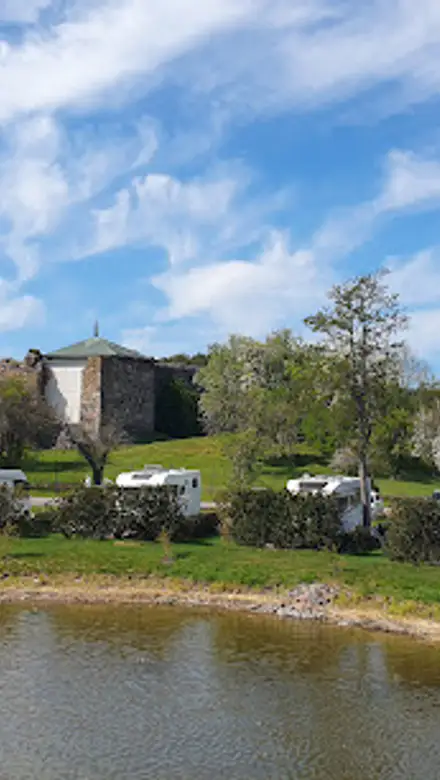
Stegeborg Castle Travel Guide
Free Guide: Evocative medieval ruins on a Baltic island, birthplace of kings, amid lush gardens and archipelago vistas—Sweden's storied stronghold awaits.


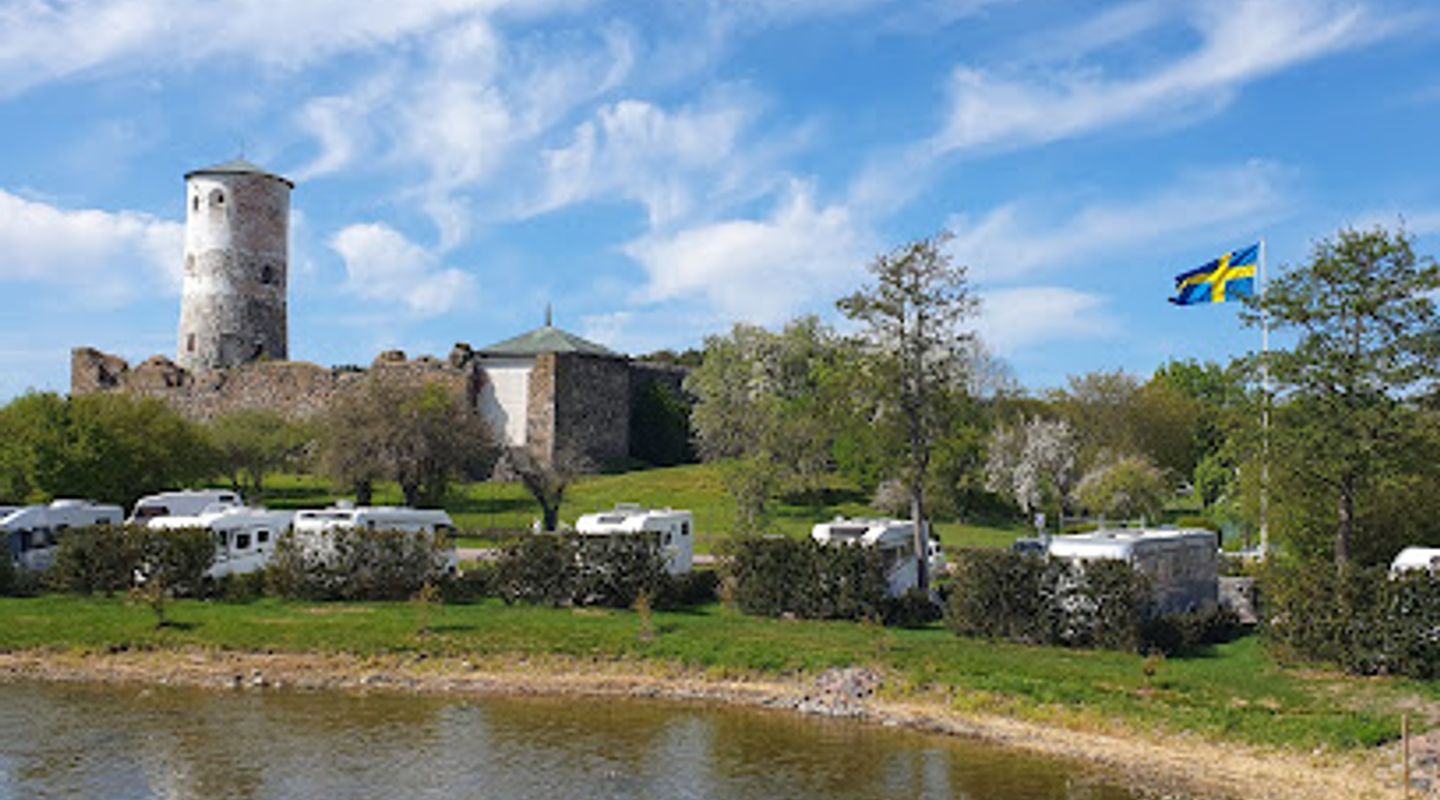
A brief summary of Stegeborg Castle
Evocative medieval ruins on a Baltic island, birthplace of kings, amid lush gardens and archipelago vistas—Sweden's storied stronghold awaits.
Perched on a strategic island in Bråviken bay near Söderköping, Stegeborg Castle Ruins stand as evocative remnants of Sweden's medieval power struggles. Dating back to the early 13th century, this once-mighty fortress served as a royal stronghold and Renaissance palace, witnessing sieges, pirate raids, and royal births. Explore the sturdy brick tower, wander lush gardens with apple trees and berry bushes, and soak in panoramic views of the surrounding archipelago. Ideal for history enthusiasts seeking a peaceful, photogenic escape amid nature.
On-site amenities
 Restrooms
 Drink options
 Food options
 Seating areas
 Picnic areas
 Trash bins
 Information boards
Opening hours
- Every day7 am–10 pm
Opening hours as listed on the venue’s Google Business Profile. Hours can change for services and special events, so check with the venue before you go.
- Address
- Stegeborgs Egendom, 614 97 Söderköping
- Phone
- Website
Getting there
Bus
Car
Taxi
Bicycle
Discover more about Stegeborg Castle
Origins in Medieval Stronghold
The story of Stegeborg Castle begins in the early 13th century, coinciding with Söderköping's rise as a burgeoning city. A square brick tower in the southeast corner marks the oldest surviving structure, built as a defensive bastion overlooking Bråviken bay. This strategic island location made it a vital outpost for controlling Baltic Sea trade routes, where salt, textiles, butter, and beer flowed from Lübeck. By the 14th century, a fortified residence expanded the complex, encircled by walls and a prominent round tower to the west, transforming it into one of Sweden's most important strongholds.
Sieges and Power Shifts
Stegeborg endured relentless turmoil during the turbulent Middle Ages. Besieged from Easter to August 1318, it fell after a grueling standoff, leading to the execution of its defender, Magnus. The castle changed hands amid the Kalmar Union conflicts; in 1391, Queen Margaret appointed a Danish sheriff, sparking peasant revolts over heavy taxes. Pirate Victual Brothers raided Söderköping in 1394, bypassing the fortress. Later sieges in 1439 and 1487 tested its walls, with King Eric of Pomerania rallying councils here before its handover. Ivar Axelsson's piracy from Gotland led to further reconstructions, including a new encircling wall.
Renaissance Transformation
The 16th century brought grandeur under the Vasa dynasty. During the Dacke War, the castle withstood attacks, renovated in the 1540s under bailiffs like Esbjörn Pedersson Lilliehöök. King John III, born here in 1537 along with sister Anna Vasa, elevated it to a Renaissance palace starting in 1578. Expansions continued until 1590, blending medieval defenses with elegant living quarters. The round tower reached its current height, symbolizing a shift from fortress to royal residence amid Sweden's consolidation of power.
Decline and Preservation
By the 17th century, Stegeborg's military role faded as Sweden's focus shifted. Abandoned and ruined over time, the site retained its core structures: the imposing brick tower and round tower amid crumbling walls. Today, these ruins evoke the castle's layered past, from Viking-era roots to palatine dynasties. Preservation efforts highlight its role as a royal palace and key Baltic guardian, offering tangible links to Sweden's formative history.
Natural Surroundings and Atmosphere
Nestled amid verdant grounds, the ruins blend seamlessly with nature. Apple trees, rose bushes, and berry patches frame the stone remnants, creating idyllic picnic spots with sweeping views of the Sankt Anna archipelago. The site's tranquil isolation invites reflection on centuries of drama, where echoes of sieges mix with birdsong and sea breezes. This harmonious fusion of history and landscape defines Stegeborg's enduring allure.
Evendo Review Centre
 Google
Guest reviews
Best time to go
Quietest: Jan, Feb & Dec · before 7am or from 9pm
Busy times are Evendo estimates for a typical year, to help you plan. Actual crowds vary with events, school holidays and the weather.
Explore Stegeborg Castle on the map
A handpicked selection of must-see spots near Stegeborg Castle, mapped for you.
Get your free copy of our complete guide to Stegeborg Castle, delivered straight to you.
Everything on this page, from opening hours and how to get there to Eve’s tips and the best time to go, in one PDF you can read offline, print or share.
Already have an account? Sign in
Your Stegeborg Castle guide is ready.
We'll send it to · Not you? Sign out

Getting your guide ready…
We are putting together a fresh copy of the Stegeborg Castle guide. This can take up to a minute.
This can take a few moments. If your browser asks, choose Allow so the download can start. You'll find the guide in your Downloads folder.
Nothing happened? Download it again
Sorry, the guide is taking longer than usual. Please try again in a minute, or get it by email instead.
Other nearby places you may find interesting
The closest places of the same kind, if this one is not quite what you had in mind.
-
-
-
-
-


Swipe for more places
More to explore near Stegeborg Castle

 Best experiences near Stegeborg Castle
 Best hotels near Stegeborg Castle
 Best landmarks near Stegeborg Castle
 Best attractions near Stegeborg Castle
 Best shops near Stegeborg Castle
 Best restaurants near Stegeborg Castle
 Best bars near Stegeborg Castle
Do you manage this location?
Take control to get all the benefits, like improved information, better appearance, and stronger visibility across AI-powered discovery.
Explore more

Explore more of Östergötland
Discover Östergötland: A perfect blend of history, nature, and culture in southern Sweden, offering charming towns, lush landscapes, and a rich cultural heritage.
Explore Östergötland
Explore more of Sweden
Discover Sweden's breathtaking landscapes, vibrant cities, and rich cultural heritage. From the Northern Lights to historic castles, experience the essence of Scandinavia.
Explore Sweden