
Stensöborg, ruin, Ostergotland Travel Guide
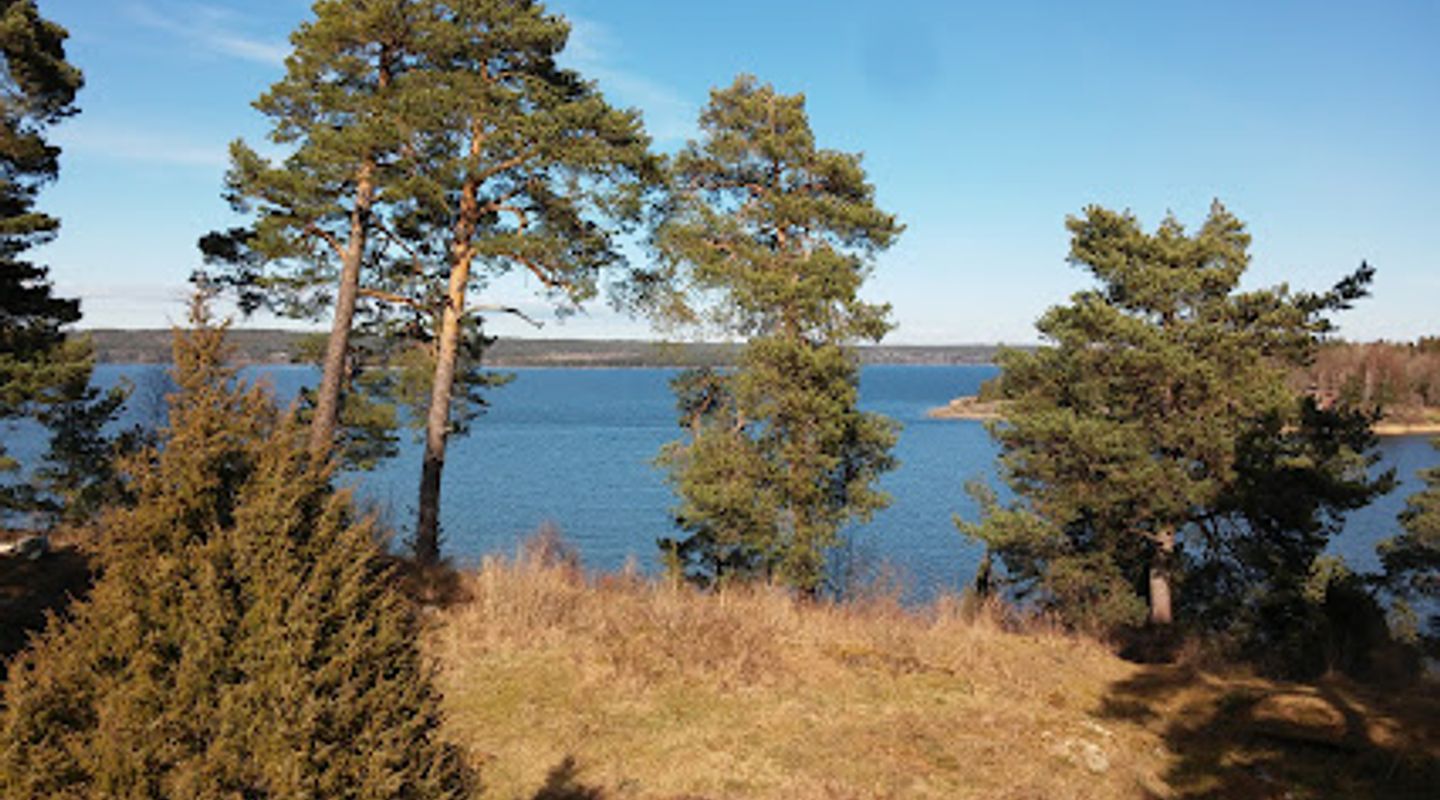
Echoes of a 13th-century island fortress rise from Vikbolandet's hills, where gray stone ruins overlook Bråviken's shimmering waters—a portal to Sweden's noble past.
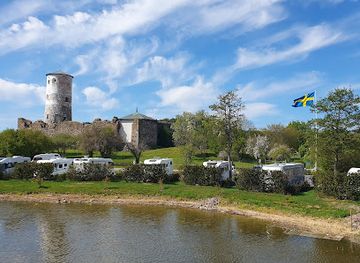
Perched on a commanding hill in Vikbolandet overlooking Bråviken, Stensöborg ruin is a 13th-century medieval stronghold that originated as an island fortress. Explore the remnants of its round keep tower, constructed from carefully laid gray stone, complete with traces of a cross vault inside. This site offers a glimpse into Sweden's turbulent feudal past amid serene rural landscapes.
A brief summary to Stensöborg, ruin
- STENSÖ GÅRD 1, Vikbolandet, 610 31, SE
- Click to display
- Click to display
- Duration: 0.5 to 1.5 hours
- Free
-
 Outdoor
- Mobile reception: 3 out of 5

Know before you go
Hi, I'm Eve. Here are a few practical things to know before exploring Stensöborg, ruin.
- Wear sturdy shoes for uneven terrain and loose stones around the ruins.
- Visit at dawn or dusk for dramatic lighting and fewer visitors.
- Bring binoculars to scan Bråviken bay from the hilltop vantage.
Do you manage this location?
Take control to get all the benefits, like improved information, better appearance, and stronger visibility across AI-powered discovery. Learn more about listing your business on Evendo
Activate your presenceOther nearby places you may find interesting
The closest places of the same kind, if this one is not quite what you had in mind.
Explore Stensöborg, ruin on the Map
A handpicked selection of must-see spots near Stensöborg, ruin, mapped for you.
Getting There
-
Car
Drive from Norrköping center, 45-60 minutes via Route 209 through Vikbolandet; free roadside parking available at trailhead, though spaces fill on weekends.
-
Bus
Take ÖstgötaTrafiken bus 11 from Norrköping to Vikbolandet stops, 50-70 minutes total with one change; alight at Stensö Gård and walk 20 minutes uphill on gravel path, fares 30-50 SEK.
-
Bicycle
Cycle from Norrköping along quiet roads, 1.5-2 hours covering 25 km; moderate hills near site demand good fitness, bike racks at parking area.
-
Taxi
Taxi from Norrköping or Arkösund, 40-55 minutes; costs 600-900 SEK one-way depending on group size, book ahead for rural pickups.
For the on-the-go comforts that matter to you
-
 Trash Bins
-
 Information Boards
-
 Seating Areas
Discover more about Stensöborg, ruin
Origins Amid Medieval Turmoil
Stensöborg emerged in the 13th century during a period of intense castle-building across Sweden, spurred by power struggles and the need for defense. Initially an island fortress in Bråviken bay, it transitioned to a hilltop bastion as waters receded, embodying the strategic ingenuity of medieval lords. The site's early history ties to the reigns of kings like Knut Eriksson and Sverker II, with artifacts such as an annular brooch linking it to late 12th-century royal circles.Excavations reveal a robust foundation, hinting at its role as a noble residence and defensive outpost in Östergötland's fragmented landscape.The Architectural Heart: Round Keep Tower
At the core stands a circular keep tower, 13.6 meters in diameter, built from meticulously coursed gray stone—a hallmark of early medieval craftsmanship. Inside, remnants of a cross vault suggest a vaulted chamber for storage or defense. Surrounding walls and baileys once enclosed living quarters, kitchens, and armories, now reduced to rubble-strewn foundations that whisper of sieges and daily life.The tower's design prioritized defensibility, with thick walls resisting assault, while the elevated position offered panoramic surveillance over vital waterways.Noble Ownership and Historical Tenants
By 1359, Stensöborg served as the manor of Holmger Torkelsson from the powerful Båt family, a lineage intertwined with Sweden's nobility. Earlier, it may have hosted figures connected to the Bjälbo dynasty, amid events like the Black Death and civil wars that reshaped the realm. The fortress endured through the Kalmar Union and uprisings, only to fade after the Reformation.Its abandonment left layers of pottery, coins, and structural debris, chronicling centuries of occupation and decay.Landscape and Strategic Prominence
Situated on Vikbolandet's heights, Stensöborg commands views across Bråviken, a key maritime route. The terrain blends rocky outcrops with open fields, where wind carries the scent of Baltic Sea salt. Seasonal changes frame the ruins dramatically—moss-covered stones in summer, frost-laced in winter—enhancing its timeless allure.Nearby Iron Age findings underscore millennia of human presence, from prehistoric settlements to medieval might.Archaeological Legacy Uncovered
Modern digs have peeled back rubble to expose floor levels, hearths, and fortifications not visible above ground. Stratigraphy shows catastrophic events or gradual decline, with richer artifact troves in areas of prolonged use. These efforts illuminate how such strongholds functioned as self-sufficient hubs, blending military prowess with domestic comfort.The site's preservation invites contemplation of Sweden's shift from feudal fragmentation to centralized rule.












Your all‑in‑one travel companion app
Explore expert travel guides, compare and book tours, experiences, hotels, and more—all from the palm of your hand. Download now for seamless trip planning wherever your wanderlust takes you.


Explore More of Ostergotland
Looking beyond Stensöborg, ruin? Discover Ostergotland for broader travel guides, local hot-spots, and regional highlights.
Explore Ostergotland