Smaland Museum Travel Guide
Free Guide: A concentrated museum park in Växjö where regional history, glass artistry and emigrant stories meet in immersive displays and rotating exhibitions.


A brief summary of Smaland Museum
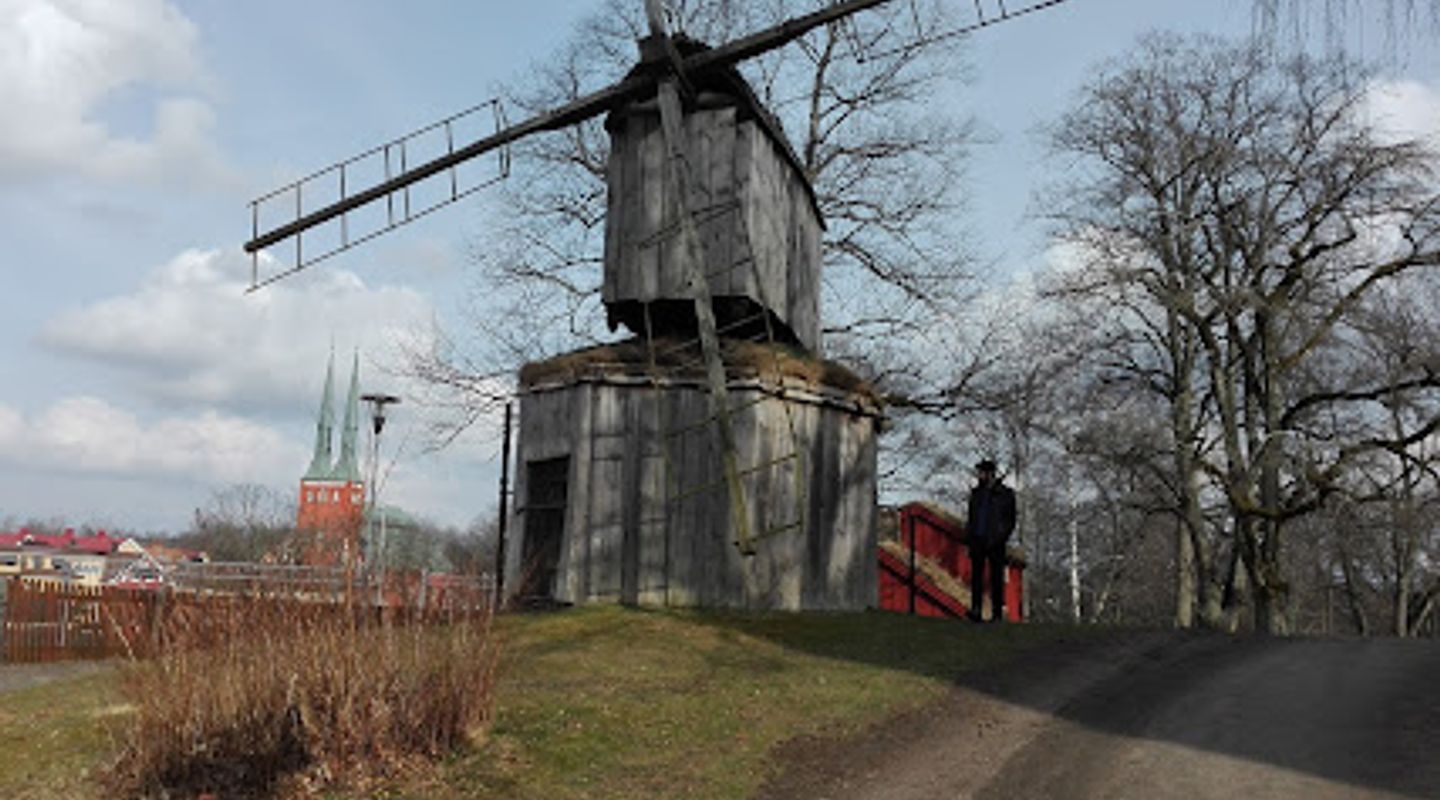
A concentrated museum park in Växjö where regional history, glass artistry and emigrant stories meet in immersive displays and rotating exhibitions.
Småland’s Museum, part of Kulturparken Småland in central Växjö, brings the region’s cultural history to life through period rooms, social history displays and a notable glass collection shared with the Swedish Glass Museum. Housed in an accessible museum park beside other heritage sites, it covers local industry, everyday life from the 19th and 20th centuries and special exhibitions that rotate through themes tied to Småland’s identity.
On-site amenities
 Restrooms
 Information boards
 Visitor centre
 Seating areas
 Drink options
Opening hours
- MonClosed
- Tue10 am–5 pm
- Wed10 am–5 pm
- Thu10 am–5 pm
- Fri10 am–5 pm
- Sat10 am–5 pm
- Sun10 am–5 pm
Opening hours as listed on the venue’s Google Business Profile. Hours can change for services and special events, so check with the venue before you go.
- Address
- Södra Järnvägsgatan 2, 352 29 Växjö
- Phone
- Website
Getting there
Public bus
Train plus walk
Driving
Discover more about Smaland Museum
An introduction to Småland’s cultural heart
Småland’s Museum sits within Kulturparken Småland in central Växjö and presents the long arc of life in the Småland region, from rural cottages and craft workshops to the urban growth of the 20th century. The layout balances permanent displays—documenting farming, household life, local crafts and regional industry—with temporary exhibitions that examine specific themes, people or moments in regional history. The museum shares a building complex with the Swedish Glass Museum and is adjacent to the House of Emigrants, creating a concentrated cluster of cultural institutions.
What you’ll see inside
Exhibition spaces are varied: immersive period rooms reconstruct interiors and everyday settings; object-led displays trace social change and work life; and dedicated sections explore regional crafts and industries. The Swedish glass collection emphasizes local glassmaking traditions and the aesthetic interplay of glass and light, with examples that range from functional objects to studio pieces. Interpretive panels and multimedia elements are used to place objects in context, while some exhibits include QR codes or translations to support non-Swedish visitors.
Historical roots and institutional role
Founded in the 19th century, the museum has long served as the county repository for artifacts, photographs and documents that document Småland’s history. Its collections reflect the region’s patterns of settlement, work and migration and support research and education. The museum’s curatorial program combines conservation of older objects with contemporary commissions and rotating displays that respond to present-day cultural questions about identity and heritage.
The experience of place and atmosphere
The building complex has a calm, museum-park setting that blends exhibition halls with public space; natural light is often used to accentuate displays, particularly in the glass galleries. The overall tone is informative and intimate rather than monumental—cases are human-scaled and many objects are presented to invite close looking. The combined site has an approachable atmosphere for families and school groups, with designated activities and child-friendly features at certain times of year.
Practical features and visitor offerings
Admission typically covers access to Småland’s Museum and neighbouring partner museums under Kulturparken Småland; concession and youth pricing apply and there are annual passes for frequent visitors. The complex offers interpretive labels in multiple languages, an information desk, and rotating temporary exhibitions alongside the permanent displays. Special events, guided tours and family activities form part of the programme at intervals through the year, and the wider museum park occasionally hosts outdoor cultural events.
Significance in the region’s cultural landscape
As a long-established county museum, Småland’s Museum functions both as a local memory bank and as an interpretive platform for regional history and craft traditions. Its co-location with the Swedish Glass Museum and the House of Emigrants creates a composite cultural narrative—material culture, industry and migration—offering a layered portrait of Småland’s past and present for residents and visitors alike.
Evendo Review Centre
 Google
Guest reviews
Best time to go
Quietest: Jan, Feb & Dec · before 8am or from 8pm
Busy times are Evendo estimates for a typical year, to help you plan. Actual crowds vary with events, school holidays and the weather.
Explore Smaland Museum on the map
A handpicked selection of must-see spots near Smaland Museum, mapped for you.
Get your free copy of our complete guide to Smaland Museum, delivered straight to you.
Everything on this page, from opening hours and how to get there to Eve’s tips and the best time to go, in one PDF you can read offline, print or share.
Already have an account? Sign in
Your Smaland Museum guide is ready.
We'll send it to · Not you? Sign out

Getting your guide ready…
We are putting together a fresh copy of the Smaland Museum guide. This can take up to a minute.
This can take a few moments. If your browser asks, choose Allow so the download can start. You'll find the guide in your Downloads folder.
Nothing happened? Download it again
Sorry, the guide is taking longer than usual. Please try again in a minute, or get it by email instead.
Other nearby places you may find interesting
The closest places of the same kind, if this one is not quite what you had in mind.
-
-
-
-
-


Swipe for more places
More to explore near Smaland Museum

 Best experiences near Smaland Museum
 Best hotels near Smaland Museum
 Best landmarks near Smaland Museum
 Best attractions near Smaland Museum
 Best shops near Smaland Museum
 Best restaurants near Smaland Museum
 Best bars near Smaland Museum
Do you manage this location?
Take control to get all the benefits, like improved information, better appearance, and stronger visibility across AI-powered discovery.
Explore more

Explore more of Småland
Experience the natural beauty, rich history, and cultural charm of Småland, a picturesque region in southern Sweden perfect for outdoor adventures and family-friendly activities.
Explore Småland
Explore more of Sweden
Discover Sweden's breathtaking landscapes, vibrant cities, and rich cultural heritage. From the Northern Lights to historic castles, experience the essence of Scandinavia.
Explore Sweden