

Free Småland Travel Guide & Mobile App
Explore Småland with free travel guides. Discover regional history, expert tips, proposed trips, and audio guides on web or mobile app.


Explore Småland’s Swedish forests, lakes, glassworks, historic towns, Baltic coast and literary heritage across a varied southern landscape.
Read more about Småland
When is the best time to visit Småland?
Best: June–August · 20–22°C| Month | High (°C) | Rainfall (mm) |
|---|---|---|
| January | 2 | 50 |
| February | 3 | 40 |
| March | 6 | 40 |
| April | 11 | 40 |
| May | 17 | 50 |
| June (best) | 20 | 60 |
| July (best) | 22 | 80 |
| August (best) | 21 | 80 |
| September | 17 | 60 |
| October | 12 | 60 |
| November | 6 | 60 |
| December | 2 | 60 |
Getting to and around Småland
How to get there
Transportation
Top city travel guides in Småland
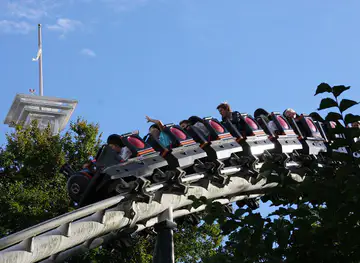
The cities of Småland, and the easiest places to base yourself.
-
-

-

-

-


Swipe for more cities
Best attractions in Småland
Småland’s attractions are spread across a large landscape of forests, lakes, farmland and Baltic shore. Cultural travellers can explore Kalmar Castle, the wooden streets of Eksjö, regional museums in Jönköping and Växjö, and the glassworks and studios of Glasriket. Vimmerby is associated with Astrid Lindgren’s World and the author’s childhood setting, while Gränna combines lakeside scenery with its famous polkagris confectionery tradition. For families, High Chaparral near Kulltorp offers a themed interpretation of the American West, and the region contains several other activity-based destinations. Nature is equally important: Store Mosse National Park protects broad peatlands, Åsnen National Park combines lake, island and woodland habitats, and Isaberg provides walking, cycling and seasonal outdoor activities. The Baltic coast around Kalmar, Oskarshamn and Västervik introduces boating, swimming, fishing and archipelago landscapes, although coastal experiences differ markedly from the inland forest districts. Historic farms, ironworks, mills and industrial museums provide a more intimate view of working life, while canoeing, angling, hiking and cycling allow visitors to experience the terrain at a slower pace.
-
Theme park
Astrid Lindgrens Värld
Step into Astrid Lindgren’s books: theatrical sets, costumed characters and hands-on play where children become part of the story.
-
Tourist attraction
Kalmar Castle
A finely preserved Renaissance castle on a medieval island stronghold — where Nordic politics, seafaring history and colourful interiors meet formal gardens and harbour views.
-
Outlet mall
Stockholm Quality Outlet
A large, open-air outlet village northwest of Stockholm offering dozens of brand stores, consistent discounts and family-friendly facilities for a focused half-day of shopping.
-
Tourist attraction
Junibacken
A colourful, child-focused story house on Djurgården where picture books, theatre and the Story Train turn reading into play.


Best landmarks in Småland
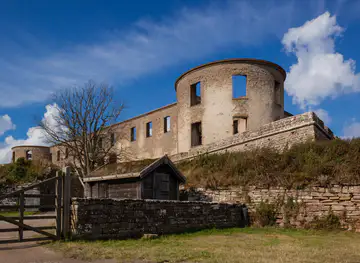
Kalmar Castle is Småland’s most internationally recognisable historic landmark, with medieval foundations and Renaissance features that reflect the city’s strategic role on the Baltic. In Jönköping, the shore of Lake Vättern forms a defining natural setting, while nearby Gränna is recognised by its steep lakeside position, red-roofed townscape and views across the water towards Visingsö. The island’s historic remains, including Visingsborg Castle ruins, evoke the power of the Brahe family and the island’s medieval and early modern importance. Eksjö’s preserved wooden town centre is one of the region’s clearest architectural expressions of pre-industrial urban life. In the interior, the industrial buildings and chimneys of former ironworks and glassworks mark the transition from rural craft to factory production. Store Mosse’s expansive peatland and the lake-and-forest scenery of Åsnen provide natural landmarks rather than monumental architecture, showing how Småland’s identity is also rooted in wetlands, woodland and open water. Along the eastern side, rocky Baltic shores and the waterways around Västervik and Oskarshamn broaden the region’s visual character beyond its inland forests.
-
Historical landmark
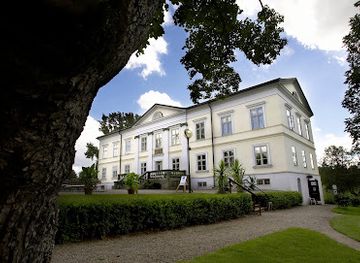
Huseby Bruk
Step into preserved 19th-century Sweden at this ironworks estate, where grand manor salons, blooming heritage gardens, and artisan crafts whisper tales of 300 years of industry amid Småland's serene landscapes.
-
Tourist attraction
Picasso sculpture
World's largest Picasso sculpture: 15m tribute to Jacqueline at Lake Vänern's edge, where cubist concrete meets endless Swedish waters.
-
 Hotel
Hennickehammars Manor
Timeless 18th-century manor by Lake Hemtjärn, blending historic elegance, fine Swedish cuisine, spa indulgence, and forest adventures in Värmland's heart.
-
Tourist attraction
Håga mound
Stand atop Scandinavia's richest Bronze Age tumulus, where gold treasures and ancient rituals whisper from 3,000-year-old earth in Uppsala's serene Hagadalen.


Explore Småland on the map
Plan your trip on one map. See where the top cities, national parks and sights are, and book hotels and experiences in a few clicks.
Best hotels in Småland
Best restaurants in Småland
Småland’s food culture reflects its forests, lakes, farms and long tradition of self-sufficient rural households. Restaurants, cafés and country inns commonly draw on berries, mushrooms, freshwater fish, game, potatoes, root vegetables, dairy produce and locally baked bread, although menus vary considerably between contemporary urban dining rooms and traditional rural establishments. Småland is also strongly associated with mustard, crispbreads and other Swedish staples, while Gränna’s striped polkagris sweets are its most recognisable confectionery speciality. Around the coast, fish and seafood appear more frequently, whereas inland farm shops and food producers offer preserves, cheeses, meat and seasonal produce. Växjö, Jönköping and Kalmar provide the broadest choice of restaurants and cafés, while smaller towns are often best for bakeries, pizzerias, pubs and straightforward Swedish cooking. Farmers’ markets, seasonal cafés and estate or farm shops can be useful for discovering regional ingredients, but opening patterns may be limited outside the main holiday period.
-
Scandinavian
Aifur
Feast like a Viking in Stockholm's Old Town: Aifur's longhouse delivers mead, myths, and medieval might in Queen Christina's ancient cellar.
-
Restaurant
Kafé de luxe
Växjö's quirky 18th-century haven where local organic bites, live music, pastries, and late-night DJ vibes create an irresistible cultural pulse for day or night.
-
Restaurant
PM & Vänner
Michelin-starred nynordic mastery in Växjö: forest, lake, meadow flavors elevated by sustainable innovation and extraordinary wines.
-
Restaurant
Korrö Restaurang & Cafe
Riverside Swedish dining in Småland: schnitzel classics, local beef burgers, and cafe sweets beside the Ronneby River—a cozy taste of authentic Linneryd.


Best bars in Småland
Småland’s evening life is shaped more by pubs, restaurants, cafés and live cultural events than by a region-wide nightclub scene. Jönköping, Växjö and Kalmar have the largest concentrations of bars, student venues, music events and late-opening establishments, with the atmosphere changing according to university terms, concerts and the summer season. Smaller towns such as Vimmerby, Eksjö and Gränna tend to centre their evenings on traditional pubs, hotel bars, restaurants and occasional live music rather than large clubs. Along the Baltic coast, outdoor terraces and seasonal venues become more prominent in warmer months, while rural districts may have only a few places open late. Breweries and craft-oriented drinking venues appear in some towns, but visitors should not assume that every local producer offers public tours or tastings. Checking current arrangements is particularly important outside the principal towns and during winter.
-
Cocktail bar
ICEBAR Stockholm by ICEHOTEL
Sip from ice glasses in a -5°C wonderland sculpted yearly from Torne River ice—the world's first permanent icebar chills central Stockholm.
-
Bar
Pharmarium
Alchemy reborn: Prize-winning cocktails and small plates in Gamla Stan's historic apothecary heart, blending 1575 mystique with masterful mixology.
-
Bar
Tjoget
A multi-room Hornstull favourite: award-winning cocktails, shareable Mediterranean plates, wine bodega and a Czech‑style beer café under one industrial‑chic roof.
-
Pub
The Bishops Arms - Jönköping
A warm, British‑style gastropub in central Jönköping — big on beer, whisky and relaxed, convivial dining in a wood‑panelled setting.


Best nightclubs in Småland
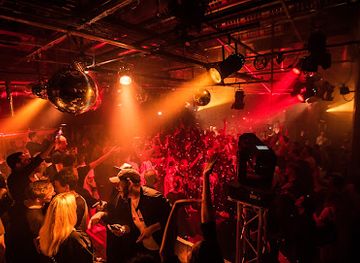
Småland’s evening life is shaped more by pubs, restaurants, cafés and live cultural events than by a region-wide nightclub scene. Jönköping, Växjö and Kalmar have the largest concentrations of bars, student venues, music events and late-opening establishments, with the atmosphere changing according to university terms, concerts and the summer season. Smaller towns such as Vimmerby, Eksjö and Gränna tend to centre their evenings on traditional pubs, hotel bars, restaurants and occasional live music rather than large clubs. Along the Baltic coast, outdoor terraces and seasonal venues become more prominent in warmer months, while rural districts may have only a few places open late. Breweries and craft-oriented drinking venues appear in some towns, but visitors should not assume that every local producer offers public tours or tastings. Checking current arrangements is particularly important outside the principal towns and during winter.
-
Bar
Torp
A high-capacity retro disco, bar and live-music venue near Avesta — built for nights of dancing, concerts and large events.
-
Night club
Sense Stockholm
An intimate, late‑night city club on Jakobsbergsgatan offering DJ‑led weekend parties and a compact, atmospheric dance floor in central Stockholm.
-
Gay night club
Club Backdoor
Stockholm's largest gay club pulses with three dance floors, epic sound, and non-stop beats until 5am—decadent nightlife near Tele2 Arena.
-
Night club
Balders Hage Nöje AB
A versatile Häradsbäck event hall — concerts, club nights and large-scale banquets under one roof for up to about 1,950 guests.



Best shops in Småland
Shopping in Småland is closely tied to independent makers, market towns, regional food and practical Swedish design. The Glasriket is the standout destination for glass, with working studios and glassworks selling tableware, sculpture, jewellery and contemporary pieces in a wide range of prices. Visitors should distinguish between factory outlets, galleries and demonstration workshops, as their emphasis differs. Eksjö, Gränna, Vimmerby, Växjö, Jönköping and Kalmar offer varying combinations of independent shops, national retailers, cafés, bookshops and historic high streets. Gränna is the obvious place for polkagris sweets, while farm shops and seasonal markets are useful for berries, preserves, bread, cheese and other local produce. Craft shops may also feature woodwork, textiles, ceramics and design objects associated with the region’s forest and manufacturing traditions. Opening hours are generally more limited in small villages and rural districts, particularly outside summer, so dedicated shopping expeditions should be built around the larger towns or established glass routes.
-
Furniture store
IKEA Barkarby
Affordable Swedish design in a navigable showroom: furniture for every room, meatballs included, just north of Stockholm.
-
Shopping mall
Hede Fashion Outlet
Discover 150+ brands at up to 70% off in Kungsbacka's traffic-free outdoor outlet paradise, blending fashion, dining, and seasonal festivities.
-
Gift shop
Nordic Design
A compact Drottninggatan boutique of Scandinavian glass, textiles and carefully chosen design-led gifts in central Stockholm.
-
Store
Lundhags Fabriksbutik Insjön
Slitstarka outdoor-fynd i Dalarnas hjärta: Lundhags klassiker, outlet-rabatter och reparationer för äkta friluftsliv.


Get your free copy of our complete guide to Småland, delivered straight to you.
Everything on this page, from attractions and restaurants to essentials and local phrases, in one PDF you can read offline, print or share.
Already have an account? Sign in
Your Småland guide is ready.
We'll send it to · Not you? Sign out

Getting your guide ready…
We are putting together a fresh copy of the Småland guide. This can take up to a minute.
This can take a few moments. If your browser asks, choose Allow so the download can start. You'll find the guide in your Downloads folder.
Nothing happened? Download it again
Sorry, the guide is taking longer than usual. Please try again in a minute, or get it by email instead.
Småland essentials
Currency and Payment
Safety
Emergency Situations
Do's and Don'ts
Local Tips
From Eve
Local phrases worth knowing
You don't need to get them perfect. A few words go a long way, and locals appreciate the effort.
Basics
| English | Local | Say it |
|---|---|---|
| Hello | Hej | [hay] |
| Goodbye | Hej då | [hay daw] |
| Yes | Ja | [yah] |
| No | Nej | [nay] |
| Please/You're welcome | Snälla/Välkommen | [snel-la/vel-kum-en] |
| Thank you | Tack | [tack] |
| Excuse me/Sorry | Ursäkta/Mi ledsen | [ur-sek-ta/mee led-sen] |
| How are you? | Hur mår du? | [hur mohr doo] |
| Fine. And you? | Bra. Och du? | [bra. okh doo] |
| Do you speak English? | Talar du engelska? | [ta-lar doo eng-el-ska] |
| I don't understand | Jag förstår inte | [yahg fur-stor in-te] |
Eating & Drinking
| English | Local | Say it |
|---|---|---|
| I'd like to see the menu, please | Jag skulle vilja se menyn, snälla | [yahg skoo-le vel-ya se men-yun, snel-la] |
| I don't eat meat | Jag äter inte kött | [yahg eh-ter in-te kyo-t] |
| Cheers! | Skål! | [skawl] |
| I would like to pay, please | Jag skulle vilja betala, snälla | [yahg skoo-le vel-ya be-ta-la, snel-la] |
Emergencies
| English | Local | Say it |
|---|---|---|
| Help! | Hjälp! | [yelp] |
| Go away! | Gå bort! | [go bort] |
| Call the Police! | Ring polisen! | [ring po-lee-sen] |
| Call a doctor! | Ring en läkare! | [ring en le-ka-re] |
| I'm lost | Jag är vilse | [yahg aer vil-seh] |
| I'm ill | Jag är sjuk | [yahg aer shook] |
Shopping
| English | Local | Say it |
|---|---|---|
| I'd like to buy... | Jag skulle vilja köpa... | [yahg skoo-le vel-ya shur-pa] |
| I'm just looking | Jag tittar bara | [yahg tit-ar bar-a] |
| How much is it? | Hur mycket kostar det? | [hur my-ket kos-tar deh] |
| That's too expensive | Det är för dyrt | [deh aer fur deert] |
| Can you lower the price? | Kan du sänka priset? | [kan doo sen-ka pree-set] |
Time & Numbers
| English | Local | Say it |
|---|---|---|
| What time is it? | Vad är klockan? | [vahd aer klok-an] |
| It's one o'clock | Den är ett | [den aer ett] |
| Half past (10) | Halv efter (10) | [halv ef-ter (10)] |
| Morning | Morgon | [mor-gon] |
| Afternoon | Eftermiddag | [ef-ter-mid-dahg] |
| Evening | Kväll | [kvel] |
| Yesterday | Igår | [ee-gor] |
| Today | Idag | [ee-dahg] |
| Tomorrow | Imorgon | [ee-mor-gon] |
| 1 | 1 | [1] |
| 2 | 2 | [2] |
| 3 | 3 | [3] |
| 4 | 4 | [4] |
| 5 | 5 | [5] |
| 6 | 6 | [6] |
| 7 | 7 | [7] |
| 8 | 8 | [8] |
| 9 | 9 | [9] |
| 10 | 10 | [10] |
Transport & Directions
| English | Local | Say it |
|---|---|---|
| Where's a/the...? | Var är en/den...? | [var aer en/den...?] |
| What's the address? | Vad är adressen? | [vahd aer a-dres-sen] |
| Can you show me (on the map)? | Kan du visa mig (på kartan)? | [kan doo vee-sa mayg (po kartan)] |
| When's the next (bus)? | När går nästa (buss)? | [nair gor nes-ta (buss)?] |
| A ticket (to ....) | En biljett (till ....) | [en bil-yet (til ....)] |
History of Småland
Prehistoric Settlement and Ancient Landscapes
People have lived in the area now known as Småland since the Stone Age, using its lakes, forests and fertile clearings for hunting, fishing and cultivation. Bronze Age and Iron Age remains include burial monuments, ancient field systems and traces of settlement. The landscape was gradually shaped by woodland clearance and small-scale farming, while contact routes linked inland communities with the Baltic coast and neighbouring parts of southern Scandinavia. Archaeological evidence is unevenly distributed, but it demonstrates that Småland’s apparently remote forests have long been inhabited and worked rather than existing as untouched wilderness.
Medieval Småland and the Borderlands
Medieval Småland consisted of several traditional districts, including Finnveden, Värend, Njudung and Möre, with local identities that still appear in historical and cultural contexts. The region lay between the Swedish heartlands and Danish-controlled territories to the south and west, making it a frontier zone affected by warfare, trade and changing political authority. Churches, medieval settlement patterns and defensive sites reflect the consolidation of Christianity and royal administration. Kalmar developed as an important Baltic town, while farming communities inland remained comparatively dispersed and dependent on forests, lakes and modest agricultural clearings.
Kalmar Castle and the Kalmar Union
Kalmar’s strategic position on the Baltic made its castle and harbour important to Scandinavian politics. In 1397, representatives of Denmark, Norway and Sweden formalised the Kalmar Union at a meeting traditionally associated with the city, bringing the three kingdoms under a shared monarch while retaining separate institutions. The union remained contested, and Kalmar’s fortifications continued to reflect the region’s military and commercial importance. The castle visible today contains medieval origins and later Renaissance alterations, offering a tangible reminder that Småland was connected to major northern European political struggles.
The Dacke Feud, 1542–1543
The Dacke Feud was one of the most serious uprisings against Gustav Vasa’s early centralising monarchy. Led by the farmer Nils Dacke, resistance grew in southern Småland in response to taxation, royal interference in local affairs and restrictions affecting traditional religious and economic practices. The wooded terrain made the region difficult for royal forces to control, but the rebellion was eventually defeated. Its memory has remained powerful in Småland, where it is interpreted through the history of rural independence, local resistance and the tensions created by the formation of a stronger Swedish state.
Forestry, Ironworks and Rural Industry
From the early modern period onwards, forests and mineral resources supported ironworks, charcoal burning, sawmills and other rural industries. Waterpower allowed mills and workshops to operate beside rivers and lakes, while roads and later railways connected inland production with market towns and ports. Småland’s farms were often small and constrained by poor soils, so households combined agriculture with forestry, crafts and wage work. Historic ironworks, industrial museums and surviving mill environments reveal how closely everyday life was tied to seasonal work, woodland resources and the gradual expansion of commercial production.
The Rise of Småland’s Glass Industry
Glassmaking became a defining industry in south-eastern Småland from the eighteenth century, when several works were established in forest districts with access to timber fuel, sand and transport routes. The industry developed a distinctive combination of skilled craftsmanship, factory employment and artistic experimentation. Over time, places such as Kosta, Orrefors and Boda became associated with Swedish glass design, and the wider area acquired the name Glasriket, or Kingdom of Crystal. Working glassworks, museums, archives and studios preserve this industrial and artistic legacy, although the sector has changed considerably in the modern period.
Emigration and the Nineteenth-Century Transformation
During the nineteenth century, population growth, limited farmland and economic hardship encouraged many people from Småland to emigrate, particularly to North America. The movement formed part of Sweden’s wider mass emigration, but it left a strong local imprint in Småland’s letters, family histories and museums. At the same time, improvements in roads and railways connected towns such as Jönköping, Växjö and Kalmar more closely with national markets. New industries, education and urban employment gradually altered a region once dominated by small farms, woodland work and seasonal livelihoods.
Modern Design, Industry and Cultural Heritage
Twentieth-century Småland became associated not only with forestry and manufacturing but also with furniture, glass, engineering and design. Firms and workshops developed in towns and rural districts, while the region’s craft traditions influenced Sweden’s broader design reputation. Literary culture added another dimension through Astrid Lindgren, who was born near Vimmerby and drew on the landscapes and communities of her childhood in works known internationally. Today, museums, historic towns, glass studios, nature reserves and restored industrial sites present different aspects of Småland’s past without reducing the region to a single rural image.
Småland in Photos
Browse through our photo collection highlighting the charm and character of the destination.
Neighbouring regions of Småland
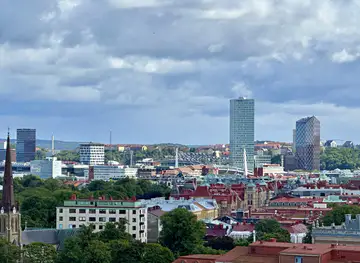
The closest regions to Småland, if you have time for more than one.
-
-
-
-

-


Swipe for more regions
Explore more
Explore more of Sweden
Discover Sweden's breathtaking landscapes, vibrant cities, and rich cultural heritage. From the Northern Lights to historic castles, experience the essence of Scandinavia.
Explore Sweden