
Sigtuna — Sweden’s first town on Lake Mälaren
A compact medieval waterfront town where runestones, timber houses and lake light make Sweden’s oldest streets quietly magnetic.
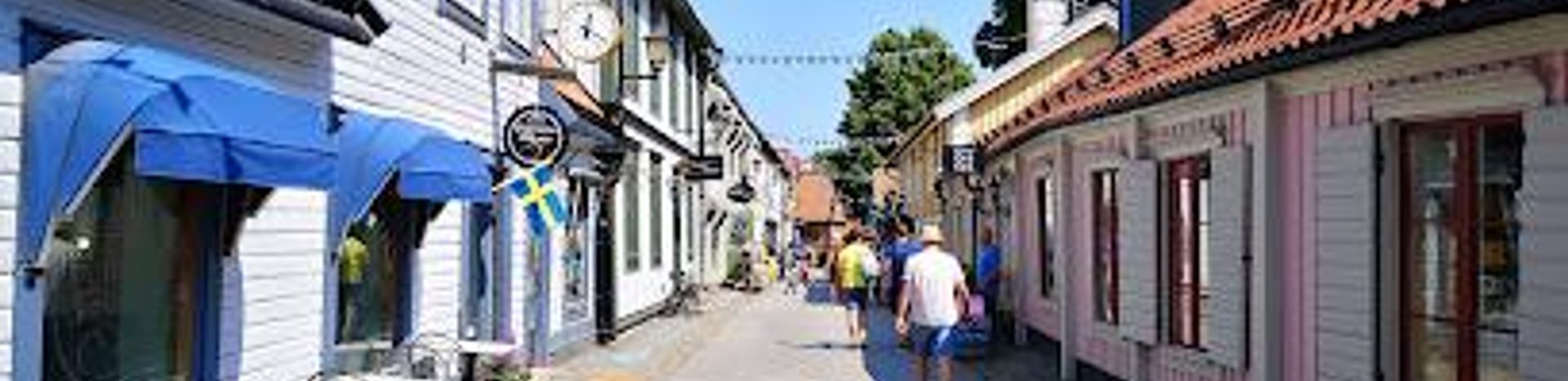
Founded around AD 980, Sigtuna is Sweden’s oldest continuously occupied town, a compact lakeside settlement of timber houses, runestones, church ruins and a narrow medieval main street that curves down to the water. The town’s thousand-year history is visible in its stone inscriptions, Stora Gatan’s wooden façades and the tranquil quay where ferries and summer strollers gather.
A brief summary to Sigtuna
- Sigtuna, SE
- Duration: 1 to 4 hours
- Budget
-
 Mixed
Mixed
- Mobile reception: 4 out of 5

Know before you go
Hi, I'm Eve. Here are a few practical things to know before exploring Sigtuna.
- Bring a light layer and comfortable shoes for cobbled streets and narrow alleys; many surfaces are uneven.
- Visit early morning or late afternoon for softer light on the quay and quieter lanes outside peak summer hours.
- Look for runestones and small plaques—many important archaeological finds are visible in parks and churchyards.
- Check opening times for the local museum and churches; seasonal hours vary and some heritage sites close in low season.
Do you manage this location?
Take control to get all the benefits, like improved information, better appearance, and stronger visibility across AI-powered discovery. Learn more
Activate your presenceGetting There
-
Regional bus from Märsta station
Regional bus service connects Märsta rail station with Sigtuna town centre; journey time typically 15–25 minutes depending on service; buses run roughly every 20–60 minutes with reduced frequency in evenings and on public holidays; single fares are in SEK and typically range from 40–80 SEK depending on ticket type and operator.
-
Shuttle or taxi from Stockholm Arlanda Airport
Taxi or airport shuttle to Sigtuna takes about 15–25 minutes depending on traffic; taxis operate 24/7 and fares generally range 250–450 SEK for a direct ride; shared airport shuttle options may be cheaper but depend on schedules and seasonality.
-
Regional train plus local bus
Take a regional train to Märsta (journey from central Stockholm around 20–30 minutes) then transfer to a local bus to Sigtuna (15–25 minutes); combined journey time usually 40–70 minutes including transfer; train fares vary by class and ticketing but expect roughly 60–150 SEK total depending on route and ticket type.
For the on-the-go comforts that matter to you
-
 Restrooms
-
 Drink Options
-
 Food Options
-
 Seating Areas
-
 Information Boards
Discover more about Sigtuna
Origins at the water’s edge
Sigtuna began as an early medieval harbour settlement on the shores of Lake Mälaren around the end of the 10th century; archaeological layers reveal organised plots, workshops and traces of a mint from the town’s formative centuries. The town’s original planners oriented buildings toward the shoreline and created long narrow wood-built plots that still give Sigtuna its compact, intimate grain today. That early maritime role explains why runestones and place names from this era cluster here: Sigtuna functioned as a strategic link between archipelago traffic and inland routes.Stone, ruin and church: visible layers of faith and power
Throughout the town you’ll find medieval fragments that map Sigtuna’s long civic and ecclesiastical history. Brick and stone survive in the fabric of St Mary’s Church and in several church ruins scattered near the core, while runestones—carved memorials in Old Norse—stand like time markers in parks and along lanes. These stones, ruined sanctuaries and the town plan together tell a story of shifting political, commercial and religious power from Viking-era royal connections to the later medieval parish life.The intimate townscape of Stora Gatan and wooden houses
Sigtuna’s principal street, Stora Gatan, is a narrow, gently curving thoroughfare lined with low wooden houses painted in traditional tones. Small shops, cafés and craft ateliers occupy historic façades that retain traditional proportions: low eaves, small windows and painted woodwork. The town’s miniaturised scale — small squares, a tiny 18th‑century town hall and narrow alleys — invites slow exploration and rewards attention to detail, from carved doorframes to original cobbles and discreet plaques that mark archaeological finds.The quay, summer light and the lake’s presence
The town’s quay and shallow harbour remain central to Sigtuna’s character: a place where the lake’s changing moods meet stone and timber. In summer the water is active with day boats and ferries, and the shoreline becomes a stage for late afternoon light and long reflections. Even outside high season the sound of lapping water and the scent of lake reeds give the centre a measured calm. The quay also frames views across Mälaren, where islands and distant treelines change with the hour and the weather.Cultural threads and living traditions
Sigtuna’s history is present not only in monuments but in ongoing cultural institutions: small museums, a foundation devoted to cultural life and seasonal markets that lean on long local traditions. Handicraft shops and family-run cafés continue the town’s mercantile spirit on a human scale. The layered cultural life ensures that history feels lived-in rather than boxed behind glass: archaeology, churchyards and civic buildings form a continuous civic fabric.Landscape beyond the streets
Behind the town’s built core lie woodlands, small nature reserves and agricultural landscapes that have always framed Sigtuna’s relationship with the lake. Short walks bring you to burial grounds, old lanes and viewpoints that reveal how the settlement sits within a broader rural and archipelago environment. The contrast between sheltered streets and open water lends the place a pleasing sense of variety: compact urban texture, intimate public spaces and immediate access to natural edges.Explore the best of what Sigtuna has to offer















More about Stockholm
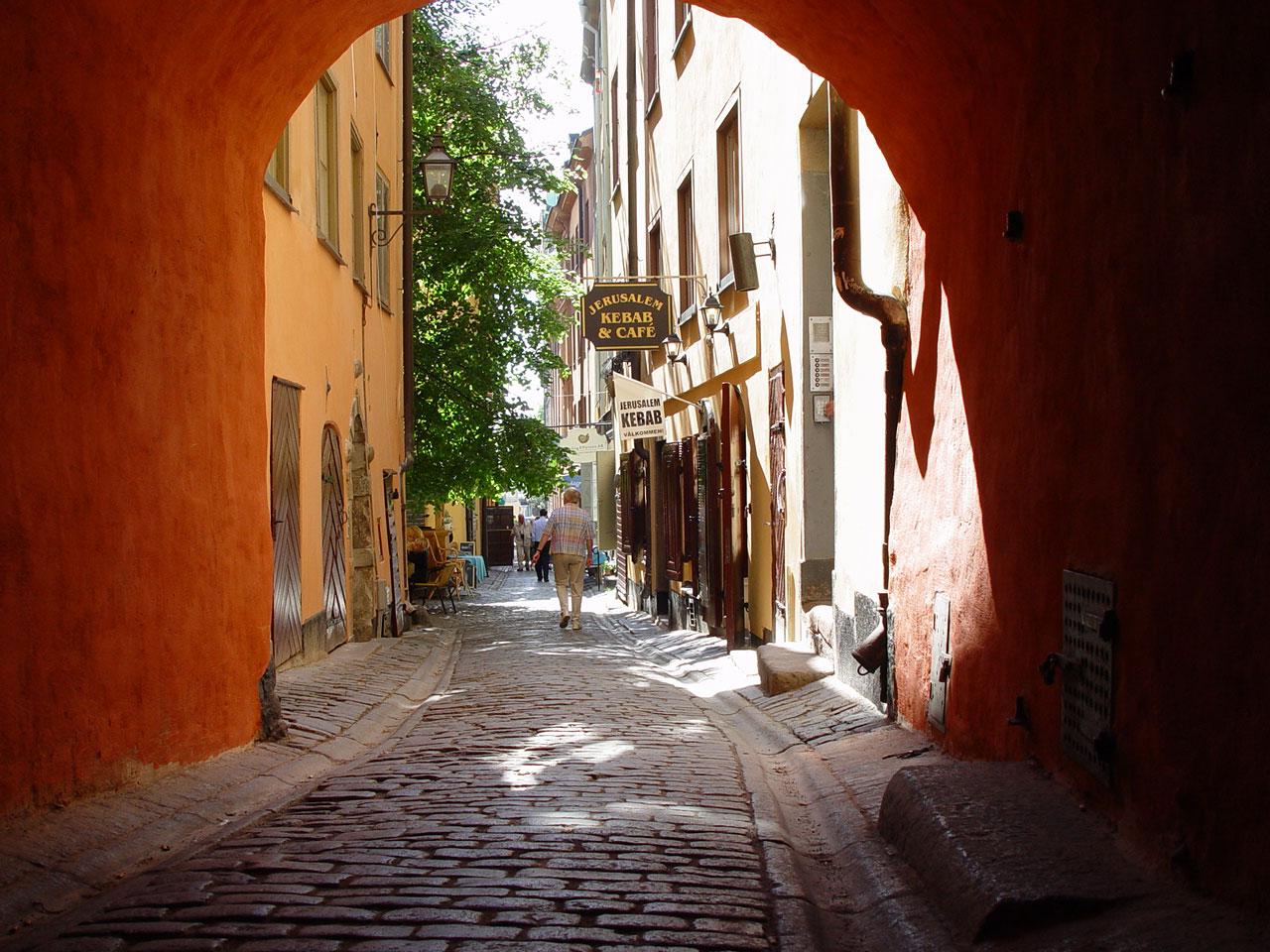
Discover Stockholm: A captivating blend of history, culture, and natural beauty spread across 14 picturesque islands in Sweden's stunning capital city.
Tell me more about Stockholm