

Free Stockholm Travel Guide & Mobile App
Plan your Stockholm trip with Evendo. Get free guides to top attractions, restaurants, hotels, and bars. Web access or download the mobile app.


Stockholm blends medieval Gamla Stan, island-dotted waterways, royal palaces, acclaimed museums and Nordic design with easy urban exploration.
A Capital Shaped by Water
Stockholm stretches across fourteen islands where Lake Mälaren meets the Baltic Sea, giving the Swedish capital an unusually close relationship with water. Bridges link a compact urban centre of historic quarters, grand boulevards and wooded parks, while ferries and waterfront paths reveal the city from constantly changing perspectives. The central districts are easy to explore on foot, yet the archipelago begins just beyond the city, offering a natural counterpoint of rocky islets, pine woodland and open water.Read more about Stockholm
Medieval Streets and Royal Grandeur
Design, Culture and Everyday Stockholm
When is the best time to visit Stockholm?
Best: June–August · 22–24°C| Month | High (°C) | Rainfall (mm) |
|---|---|---|
| January | 1 | 30 |
| February | 1 | 30 |
| March | 5 | 25 |
| April | 10 | 25 |
| May | 17 | 35 |
| June (best) | 22 | 50 |
| July (best) | 24 | 60 |
| August (best) | 23 | 50 |
| September | 18 | 40 |
| October | 12 | 35 |
| November | 7 | 35 |
| December | 2 | 30 |
Getting to and around Stockholm
How to get there
Transportation
Best attractions in Stockholm
Stockholm's attractions are spread across a series of connected islands, making sightseeing a succession of contrasting settings. Gamla Stan brings medieval lanes, small squares and the atmospheric Stortorget, while the Royal Palace offers grand state rooms and royal collections. On Djurgården, the Vasa Museum displays the remarkably preserved warship Vasa, and Skansen combines open-air historical buildings with Nordic wildlife and demonstrations of traditional life. Art lovers can visit Moderna Museet on Skeppsholmen or travel through the metro system, celebrated for artworks integrated into many stations. The City Hall, with its celebrated Blue Hall and tower silhouette, provides a civic counterpoint to the old town. Waterfront walks around Strandvägen, Monteliusvägen and the island of Skeppsholmen reveal Stockholm's changing architecture and island geography, while the Nationalmuseum traces Swedish and European art in an imposing harbour-side setting.
-
Museum
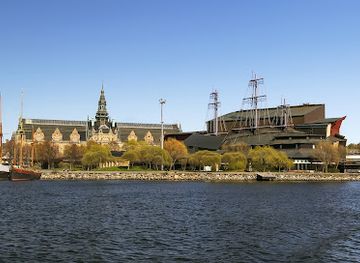
Vasa Museum
A purpose-built museum centred on the salvaged 17th‑century warship Vasa — towering timber, carved ornament and a living conservation story on Stockholm’s Djurgården.
5 min drive · 1.8 km from city centre
-
Open air museum
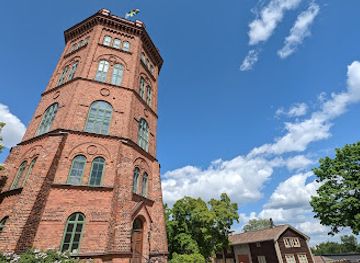
Skansen
The world’s oldest open‑air museum — living Swedish history, crafts and Nordic wildlife in one parkland setting overlooking Stockholm.
8 min drive · 2.6 km from city centre
-
Park
Kungsträdgården
Stockholm's King's Garden: verdant heart of events, history, and urban vitality where seasons unfold in central harmony.
11 min walk · 0.9 km from city centre
-
Amusement park
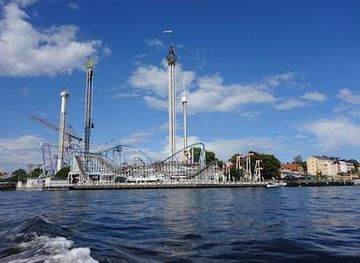
Gröna Lund
A compact, historic seaside amusement park on Djurgården where roller‑coasters, concerts and fairground treats meet Stockholm’s waterfront views.
6 min drive · 2.1 km from city centre

Best landmarks in Stockholm
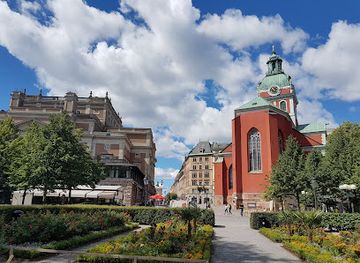
Stockholm's most recognisable landmarks express its development from medieval trading town to royal and parliamentary capital. The Royal Palace on Stadsholmen is a vast eighteenth-century Baroque complex raised after the old Tre Kronor castle burned in 1697, while Stockholm Cathedral nearby preserves centuries of royal and religious history. Riddarholmen Church, with its cast-iron openwork spire, is closely associated with Sweden's monarchs and forms a distinctive part of the central skyline. Stockholm City Hall stands on Kungsholmen in National Romantic style, its tower topped by the Three Crowns emblem and its Blue Hall used for the Nobel Prize banquet. The red-brick Stockholm Public Library is a celebrated example of Swedish Classicism, and the bridges linking the islands are landmarks in their own right, framing views of waterways, quays and historic façades.
-
Museum
Vasa Museum
Discover the awe-inspiring Vasa Museum in Stockholm, home to the world's only preserved 17th-century ship, showcasing Sweden's rich maritime history.
5 min drive · 1.8 km from city centre
-
Castle
The Royal Palace
Europe's grandest royal residence: 600+ rooms of Baroque splendor, crown jewels, and living Swedish history in Gamla Stan.
8 min walk · 0.7 km from city centre
-
Park
Kungsträdgården
Stockholm's timeless King's Garden: cherry blossoms, ice rinks, royal statues, and endless events in the heart of the city.
11 min walk · 0.9 km from city centre
-
Scenic spot
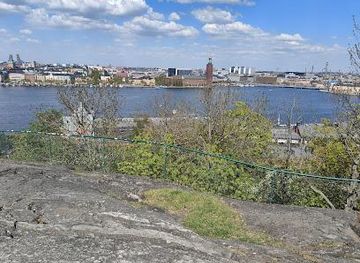
Skinnarviksberget
Central Stockholm's loftiest natural perch: epic panoramas, picnic meadows, and Södermalm soul from Tanner's historic hill.
10 min walk · 0.8 km from city centre


Explore Stockholm on the map
Plan your Stockholm trip on one map. See where the top attractions, landmarks, restaurants, bars and hotels are, find what's near where you're staying, and book hotels and experiences in a few clicks.
Neighbourhoods in Stockholm
-

-

-

-

-


Swipe for more neighbourhoods
Best hotels in Stockholm
Best restaurants in Stockholm
Stockholm's food culture combines Swedish home cooking, Baltic and northern ingredients, and a contemporary interest in seasonal produce. Traditional dishes associated with husmanskost include meatballs, creamy potato-based preparations, pickled herring and toast skagen, while seafood, game, mushrooms, berries and crispbread reflect the country's climate and landscapes. Fika is central to the city's café life, with coffee accompanied by cinnamon buns or other baked goods. Östermalm Food Hall is a longstanding place to encounter prepared foods, seafood and delicatessen counters, while Hötorgshallen offers a broader international range. Södermalm, Vasastan and the streets around central Stockholm have cafés, bakeries, casual restaurants and modern Nordic dining rooms. Menus often change with the seasons, and vegetarian cooking is widely represented alongside traditional meat and fish dishes.
-
Scandinavian
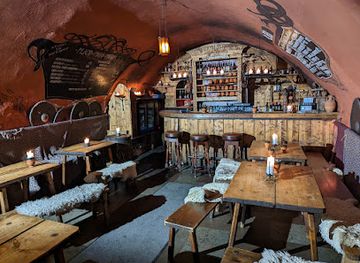
Aifur
Embark on a Viking feast in Stockholm's Old Town: hearty meats, mead, live music, and immersive Norse tales await in a historic longhouse setting.
9 min walk · 0.7 km from city centre
-
Swedish
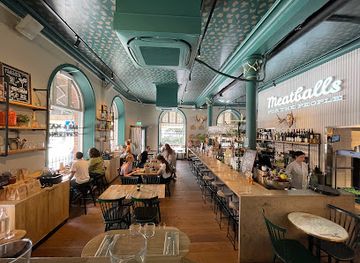
Meatballs for the People
A cosy Södermalm spot where Sweden’s best-known comfort food is served in many creative and traditional variations.
5 min drive · 1.7 km from city centre
-
Swedish
Stockholms Gästabud
Cozy, family‑run Gamla Stan restaurant serving hearty, traditional Swedish dishes in an intimate old‑town setting.
10 min walk · 0.8 km from city centre
-
Swedish
Restaurant Pelikan
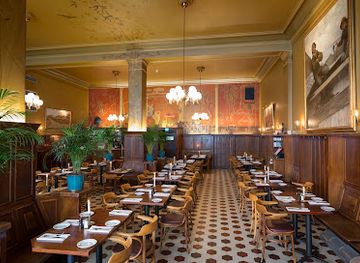
Over a century of Swedish husmanskost in Södermalm's Art Nouveau icon: meatballs, herring, and cream sauces in a grand, history-rich hall.
6 min drive · 1.9 km from city centre
Best bars in Stockholm
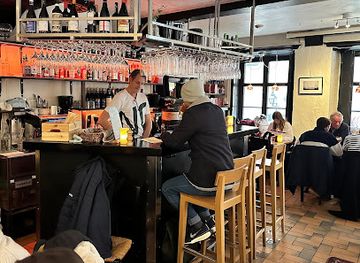
Stockholm's evenings range from quiet wine bars and traditional pubs to live music, theatre and late-night clubs. Södermalm, particularly around SoFo and Hornstull, is associated with relaxed bars, independent venues and a younger creative crowd, while Stureplan and nearby Östermalm offer more polished cocktail bars and club-oriented nightlife. Gamla Stan has historic-looking cellars and compact bars, though its narrow streets can feel quieter outside the busiest periods. Music remains an important part of the city's cultural life, with established venues such as Fasching presenting jazz and Nalen hosting concerts and performances. Concerts, theatre and cultural programming are often as significant as clubbing, and evening activity may start late by northern European standards. Swedish licensing rules and venue policies vary, so identification and advance checks can be useful.
-
Bar
Omnipollos hatt
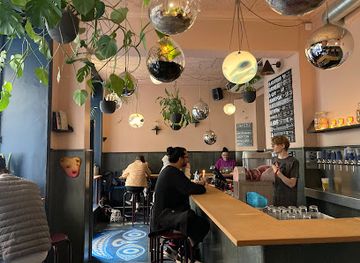
A compact Södermalm bar and wood-fired pizzeria where experimental craft beers meet blistered, inventive pizzas in a buzzy, informal setting.
13 min walk · 1.1 km from city centre
-
Pub
Pub Anchor
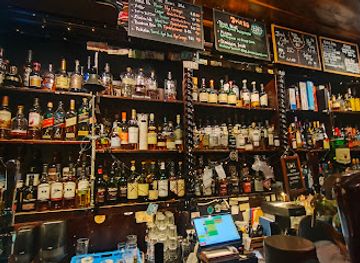
A long-running Stockholm rock pub with loud live music, hearty pub food and a deep beer and whisky list — open late for nights that run into the small hours.
5 min drive · 1.8 km from city centre
-
Cocktail bar
ICEBAR Stockholm by ICEHOTEL
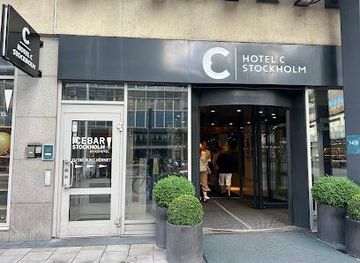
A miniature Arctic interior in the heart of Stockholm — sculpted ice, insulated capes and cocktails served in frozen glasses.
9 min walk · 0.8 km from city centre
-
Irish pub
Wirströms Pub
Cozy Irish pub in Gamla Stan's historic cellars: craft pours, live tunes, pub grub, and sports in Stockholm's medieval heart.
6 min walk · 0.5 km from city centre

Best nightclubs in Stockholm
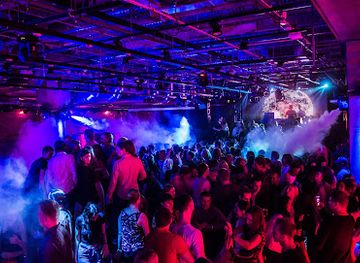
Stockholm's evenings range from quiet wine bars and traditional pubs to live music, theatre and late-night clubs. Södermalm, particularly around SoFo and Hornstull, is associated with relaxed bars, independent venues and a younger creative crowd, while Stureplan and nearby Östermalm offer more polished cocktail bars and club-oriented nightlife. Gamla Stan has historic-looking cellars and compact bars, though its narrow streets can feel quieter outside the busiest periods. Music remains an important part of the city's cultural life, with established venues such as Fasching presenting jazz and Nalen hosting concerts and performances. Concerts, theatre and cultural programming are often as significant as clubbing, and evening activity may start late by northern European standards. Swedish licensing rules and venue policies vary, so identification and advance checks can be useful.
-
Night club
The Secret Garden
Experience the vibrant nightlife at The Secret Garden, Stockholm's premier night club offering a blend of bar, café, and event venue in an inclusive atmosphere.
9 min walk · 0.7 km from city centre
-
Night club
Colosseum Nightclub
Dive into the nightlife at Colosseum Nightclub in Johanneshov, where pulsating beats and vibrant crowds create an unforgettable experience.
12 min drive · 4.1 km from city centre
-
Night club
Rose Club
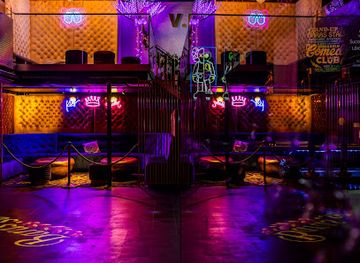
A compact, velvet‑lined Stockholm nightclub where late DJs, bottle service and boudoir glamour meet for intimate, high‑energy nights.
15 min walk · 1.2 km from city centre
-
Night club
Ego Nattklubb Stockholm
A compact, design-forward nightclub on Södermalm famed for its DJ-driven Friday nights and smart club atmosphere.
18 min walk · 1.5 km from city centre

Best shops in Stockholm
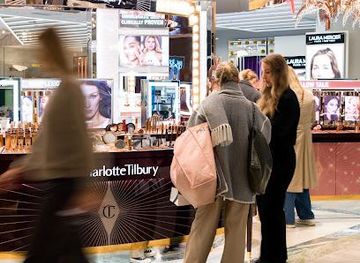
Shopping in Stockholm ranges from historic food halls and independent design shops to carefully planned department stores and neighbourhood boutiques. Drottninggatan is a central pedestrian shopping street, while Biblioteksgatan and the surrounding Östermalm streets are associated with higher-end Swedish and international labels. Södermalm is better suited to vintage clothing, independent fashion, records, interiors and small creative businesses, particularly around SoFo. Swedish design is represented in shops throughout the centre, with textiles, glass, ceramics, lighting and functional homeware offering more distinctive alternatives to generic souvenirs. Östermalm Food Hall and Hötorgshallen are useful for edible gifts such as cheeses, preserves, confectionery and other Scandinavian specialities. Visitors should distinguish genuinely Swedish products from mass-produced items, especially when looking for traditional handicrafts, knitwear, wooden goods or Sámi-inspired designs.
-
Department store
NK Stockholm
Sweden's legendary department store where century-old elegance meets cutting-edge luxury on Stockholm's stylish Hamngatan.
13 min walk · 1.0 km from city centre
-
Candy store
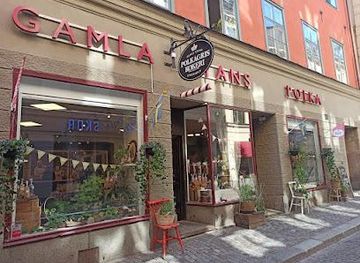
Old Town Polkagriskokeri AB
Hand-pulled polkagris in Gamla Stan: witness Swedish candy magic unfold amid medieval streets, tasting peppermint heritage one twist at a time.
8 min walk · 0.6 km from city centre
-
Souvenir store
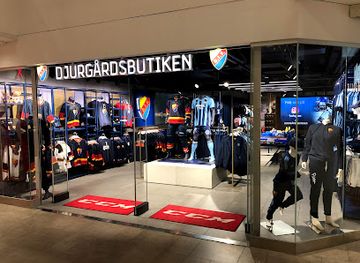
Djurgårdsbutiken
Explore the essence of Sweden at Djurgårdsbutiken, your premier destination for authentic souvenirs and unique gifts in Johanneshov.
12 min drive · 3.9 km from city centre
-
Clothing store
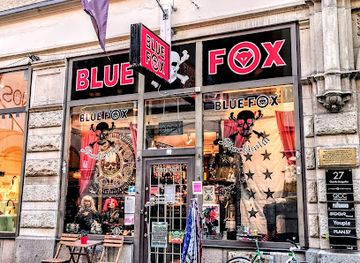
Blue Fox
Stockholm's rebel outpost since 1987: punk kilts, goth gear, wild hair dyes, and rock 'n' roll essentials on vibrant Gamla Brogatan.
11 min walk · 0.9 km from city centre
Get your free copy of our complete guide to Stockholm, delivered straight to you.
Everything on this page, from attractions and restaurants to essentials and local phrases, in one PDF you can read offline, print or share.
Already have an account? Sign in
Your Stockholm guide is ready.
We'll send it to · Not you? Sign out

Getting your guide ready…
We are putting together a fresh copy of the Stockholm guide. This can take up to a minute.
This can take a few moments. If your browser asks, choose Allow so the download can start. You'll find the guide in your Downloads folder.
Nothing happened? Download it again
Sorry, the guide is taking longer than usual. Please try again in a minute, or get it by email instead.
Stockholm essentials
Currency and Payment
Safety
Emergency Situations
Do's and Don'ts
Local Tips
From Eve
Local phrases worth knowing
You don't need to get them perfect. A few words go a long way, and locals appreciate the effort.
Basics
| English | Local | Say it |
|---|---|---|
| Hello | Hej | [hey] |
| Goodbye | Hej då | [hey doe] |
| Yes | Ja | [yah] |
| No | Nej | [nay] |
| Please/You're welcome | Tack | [tahck] |
| Thank you | Tack | [tahck] |
| Excuse me/Sorry | Ursäkta mig | [ur-sayk-ta may] |
| How are you? | Hur mår du? | [hoor more doo] |
| Fine. And you? | Bra. Och du? | [bra. oh-sh doo] |
| Do you speak English? | Talar du engelska? | [tah-lar doo engels-ka] |
| I don't understand | Jag förstår inte | [yahg for-stor inta] |
Eating & Drinking
| English | Local | Say it |
|---|---|---|
| I'd like to see the menu, please | Jag skulle vilja se menyn, tack | [yahg shool-la veelya say men-in, tahck] |
| I don't eat meat | Jag äter inte kött | [yahg a-ter in-ta chot] |
| Cheers! | Skål! | [skole] |
| I would like to pay, please | Jag skulle vilja betala, tack | [yahg shool-la veelya betala, tahck] |
Emergencies
| English | Local | Say it |
|---|---|---|
| Help! | Hjälp! | [yelp] |
| Go away! | Gå iväg! | [goh ee-vehg] |
| Call the Police! | Ring polisen! | [ring pol-ee-sen] |
| Call a doctor! | Ring en läkare! | [ring en ler-ka-re] |
| I'm lost | Jag är vilse | [yahg air veels-eh] |
| I'm ill | Jag är sjuk | [yahg air shoo-k] |
Shopping
| English | Local | Say it |
|---|---|---|
| I'd like to buy... | Jag skulle vilja köpa... | [yahg shool-la veelya choppa] |
| I'm just looking | Jag tittar bara | [yahg tee-tar bar-a] |
| How much is it? | Hur mycket kostar det? | [hoor mer-ket kostar dat] |
| That's too expensive | Det är för dyrt | [dat air for deert] |
| Can you lower the price? | Kan du sänka priset? | [kan doo sen-ka prees-et] |
Time & Numbers
| English | Local | Say it |
|---|---|---|
| What time is it? | Vad är klockan? | [vad air klok-an] |
| It's one o'clock | Klockan är ett | [klok-an air eht] |
| Half past (10) | Halv (tio) | [halv (tee-oh)] |
| Morning | Morgon | [mor-gon] |
| Afternoon | Eftermiddag | [ef-ter-mee-dag] |
| Evening | Kväll | [kvel] |
| Yesterday | Igår | [e-gor] |
| Today | Idag | [ee-dag] |
| Tomorrow | Imorgon | [ee-mor-gon] |
| 1 | ett | [eht] |
| 2 | två | [tvoh] |
| 3 | tre | [treh] |
| 4 | fyra | [fear-ah] |
| 5 | fem | [fem] |
| 6 | sex | [sehx] |
| 7 | sju | [s-yu] |
| 8 | åtta | [oat-ta] |
| 9 | nio | [nee-oh] |
| 10 | tio | [tee-oh] |
Transport & Directions
| English | Local | Say it |
|---|---|---|
| Where's a/the...? | Var är en/the...? | [var air en/the] |
| What's the address? | Vad är adressen? | [vad air ad-ress-en] |
| Can you show me (on the map)? | Kan du visa mig (på kartan)? | [kan doo vee-sa may (poh kart-an)] |
| When's the next (bus)? | När går nästa (buss)? | [nair gor nes-ta (boos)] |
| A ticket (to ....) | En biljett (till ....) | [en bil-yet (teel)] |
History of Stockholm
Origins on the Baltic Gateway
Stockholm emerged in the thirteenth century at the meeting point of Lake Mälaren and the Baltic Sea. A 1252 document associated with Birger Jarl is the earliest written reference to the city, although settlement and trading activity in the region predated it. The position offered control over maritime access to Mälaren and supported the growth of a fortified commercial centre. The earliest urban core developed on Stadsholmen, the island now known as Gamla Stan, where narrow lanes and dense plots reflect the medieval town plan. Stockholm's strategic setting made it an important link between inland Sweden and Baltic trade, helping the settlement develop into the political and economic centre of the Swedish realm.
Medieval Commerce and Royal Power
During the later Middle Ages, Stockholm grew through trade in grain, iron, timber and other goods moving around the Baltic. German merchants and craftsmen formed an influential presence, part of the wider Hanseatic network that connected Swedish ports with northern Europe. The town's strategic value also made it a focus of dynastic conflict. In 1520, during the political struggle surrounding Christian II of Denmark, the Stockholm Bloodbath saw the execution of numerous Swedish nobles and citizens. Gustav Vasa's rebellion soon ended Danish rule in Sweden, and his accession as king in 1523 established Stockholm more firmly as the seat of Swedish government.
The Vasa State and Imperial Capital
Under the Vasa dynasty, Stockholm became the administrative centre of a more centralised Swedish monarchy. The Royal Palace and other major buildings were developed or rebuilt as royal authority expanded, while trade and shipping strengthened the city's links with the Baltic. Sweden's period as a great European power in the seventeenth century brought increased political importance and courtly culture, although warfare placed heavy demands on the population and state. The Vasa Museum's preserved warship, launched in 1628 and recovered in the twentieth century, provides a tangible connection to this era. The city's expanding institutions, churches and residences began to give Stockholm a more formal architectural character.
Fire, Reconstruction and Enlightenment
A major fire in 1697 destroyed the medieval Tre Kronor castle, creating the opportunity for the present Royal Palace to be built on the same site. Designed in a restrained Baroque style by Nicodemus Tessin the Younger, the palace became one of the clearest expressions of Sweden's royal ambitions. During the eighteenth century, Stockholm also experienced intellectual and commercial development associated with the Age of Liberty. Scientific activity flourished through institutions such as the Royal Swedish Academy of Sciences, founded in 1739, while theatres, publishing and civic administration expanded. Reconstruction and new building gradually extended the city beyond its oldest island centre.
Industrial Growth and Urban Expansion
The nineteenth century transformed Stockholm through industrialisation, population growth and improved transport. New bridges, streets and public buildings connected the historic islands with expanding districts on Norrmalm, Södermalm and Östermalm. Railways strengthened the city's position as a national hub, while factories and workshops attracted workers from across Sweden. Urban reform brought wider avenues and more systematic planning, sometimes at the expense of older buildings. By the early twentieth century, Stockholm had developed the public institutions, cultural venues and monumental architecture associated with a modern capital. The growth of municipal services and housing also shaped the social geography that remains visible in its neighbourhoods.
Modern Design and the Metropolitan Archipelago
Twentieth-century Stockholm combined functionalist architecture, welfare-state planning and an expanding cultural life. The Stockholm Exhibition of 1930 helped publicise functionalism, a movement that valued practical design, natural light and uncluttered forms. New suburban districts and transport links accommodated post-war growth, while the city centre underwent substantial redevelopment around Norrmalm. In the later twentieth century, concerns about heritage and urban character encouraged the preservation of historic quarters and industrial areas. Contemporary Stockholm is therefore both a national capital and an archipelago city, balancing modern innovation with maritime landscapes, public museums and a built heritage that reaches back to the medieval settlement.
Stockholm in Photos
Browse through our photo collection highlighting the charm and character of the destination.
Cities near Stockholm
The closest cities to Stockholm, if you have time for more than one stop.
-

-

-

-

-


Swipe for more cities
Explore more
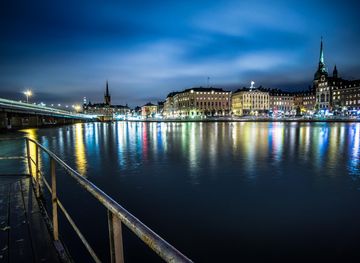
Explore more of Sweden
Discover Sweden's breathtaking landscapes, vibrant cities, and rich cultural heritage. From the Northern Lights to historic castles, experience the essence of Scandinavia.
Explore Sweden