Birger Jarls statue, Stockholm Travel Guide
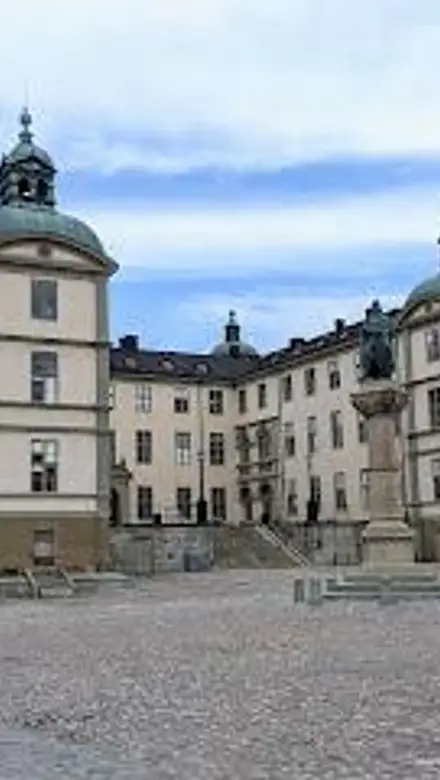
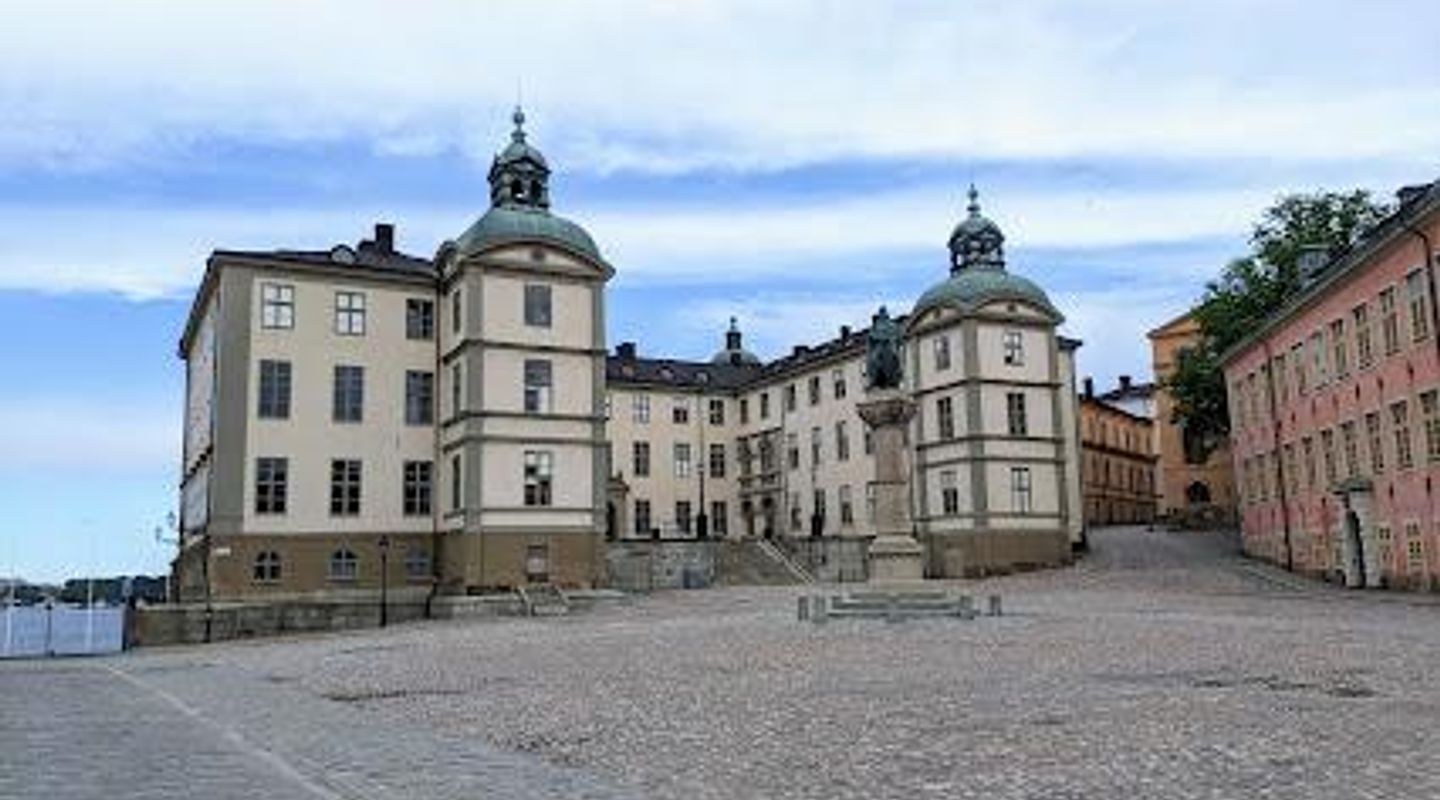
Bronze sentinel honoring Stockholm's legendary founder amid Riddarholmen's palaces and church spires—a timeless nod to medieval might.
In the heart of Riddarholmen, this striking bronze statue honors Birger Jarl, the 13th-century founder of Stockholm. Erected in 1855 by Bengt Erland Fogelberg, it depicts the armored jarl with shield and sword, standing sentinel amid historic palaces and Riddarholmen Church. The square, renamed Birger Jarls Torg after the monument's arrival, encapsulates medieval legacy in a compact urban oasis. Free to visit anytime, it draws history enthusiasts to ponder Sweden's origins amid Gamla Stan's charm.
A brief summary to Birger Jarls statue
- Birger Jarls Torg 4, Stockholm, 111 28, SE
- Duration: 0.5 to 1.5 hours
- Free
-
 Outdoor
- Mobile reception: 5 out of 5

Know before you go
Hi, I'm Eve. Here are a few practical things to know before exploring Birger Jarls statue.
- Visit at dusk when the statue glows under lanterns, casting dramatic shadows across the square for atmospheric photos.
- Pair your stop with Riddarholmen Church nearby to trace Birger Jarl's Christian legacy and knightly history.
- In winter, the plinth often collects light snow, enhancing the statue's imposing, frosty presence.
Do you manage this location?
Take control to get all the benefits, like improved information, better appearance, and stronger visibility across AI-powered discovery. Learn more about listing your business on Evendo
Activate your presenceOther nearby places you may find interesting
The closest places of the same kind, if this one is not quite what you had in mind.


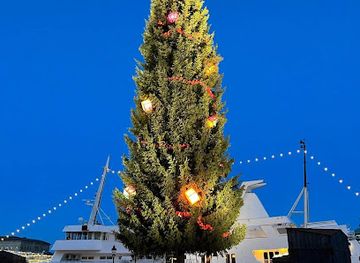
Explore Birger Jarls statue on the Map
A handpicked selection of must-see spots near Birger Jarls statue, mapped for you.
Unlock the Best of Birger Jarls statue
Buy tickets
-
No tickets available
Book tours with entry


Book tours without entry

Getting There
-
Metro
From T-Centralen, take Tunnelbana Line 10 or 11 to Gamla Stan station (8-10 minutes, 40 SEK). Walk 7-10 minutes across Riddarholmsbron bridge to the square; frequent services every 4-6 minutes, fully accessible.
-
Bus
Board bus 3 from Sergels Torg toward Riddarholmen (5-7 minutes, 40 SEK). Disembark at Riddarholmen stop and walk 3 minutes north; runs every 10-15 minutes, limited evening service.
-
Walking
From Gamla Stan's main square, stroll 10-12 minutes over cobblestones via Riddarholmsbron; uneven terrain, not fully wheelchair-friendly, scenic waterfront path.
-
Ferry
Take Djurgården ferry from Slussen to Riddarholmen (15-20 minutes, 50 SEK seasonal). Direct dock to square, 4-6 daily sailings May-September, weather-dependent.
For the on-the-go comforts that matter to you
-
 Seating Areas
-
 Trash Bins
-
 Drink Options
Discover more about Birger Jarls statue
Guardian of Stockholm's Origins
Towering over Birger Jarls Torg on Riddarholmen island, the statue captures Birger Jarl—born Birger Magnusson around 1210—as a formidable figure in full armor. His right hand grips a sword, while his left rests on a shield emblazoned with the three crowns of Sweden. The bronze monument, sculpted by Bengt Erland Fogelberg and unveiled in 1855, symbolizes the jarl's pivotal role in establishing the city in the mid-13th century. First mentioned in historical records around 1252, Birger Jarl transformed a strategic lake fortress into Sweden's burgeoning capital.From Medieval Powerbroker to National Icon
Birger Jarl rose as regent from 1250, wielding de facto power after overthrowing rival jarl Ulf Fase. He married Princess Ingeborg Eriksdotter, sister to King Eric XI, and fathered future kings Valdemar and Magnus Ladulås. Legends credit him with founding Stockholm to secure Swedish control against Baltic threats, though his true remains lie in Varnhem Abbey, not the empty cenotaph in City Hall. The statue immortalizes his strategic genius and Christian alliances, including ties to the Catholic Church amid 13th-century papal influences.Riddarholmen's Storied Square
Formerly Riddarholmstorget, the plaza gained its current name post-statue installation, nestled among six grand palaces now housing government offices. Riddarholmen Church looms nearby, its spire a reminder of the island's knightly past. The compact square, surrounded by cobblestone paths and waterfront views, offers a serene contrast to bustling Gamla Stan. Narrow alleys and 17th-century facades evoke the era when Riddarholmen served as a noble enclave.Sculptural Mastery and Symbolism
Fogelberg's work masterfully blends realism and symbolism: Birger's stern gaze surveys the realm he forged, his posture exuding authority. Cast in bronze, the 4-meter-tall figure rests on a granite pedestal inscribed with his name and dates. The shield at his feet underscores defensive prowess, while intricate armor details reflect 19th-century romanticism of medieval heroes. Restored periodically, it withstands Stockholm's harsh winters, standing as a testament to national pride.Layered Historical Echoes
The site layers eras: Birger's 13th-century foundations, Gustav Vasa's 16th-century fortifications nearby, and 19th-century neoclassicism. Palaces like Wrangel and Stenbock frame the scene, their baroque elements whispering of royal intrigue. Though the statue postdates Birger by centuries, it anchors Stockholm's identity, inviting reflection on how one man's vision birthed a metropolis straddling 14 islands.












Your all‑in‑one travel companion app
Explore expert travel guides, compare and book tours, experiences, hotels, and more—all from the palm of your hand. Download now for seamless trip planning wherever your wanderlust takes you.


Explore More of Stockholm
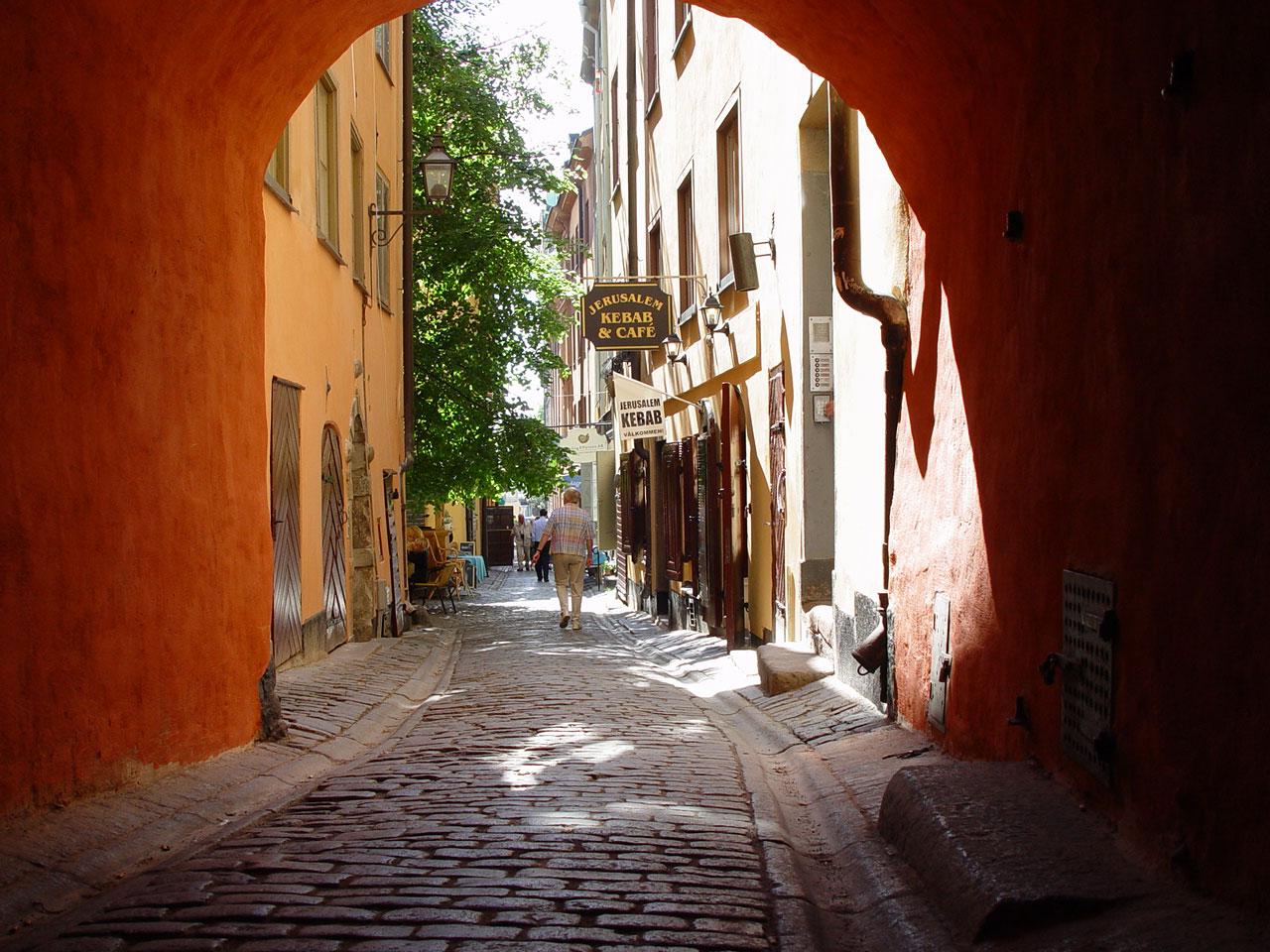
Looking beyond Birger Jarls statue? Discover Stockholm for broader travel guides, local hot-spots, and regional highlights.
Explore Stockholm
A tiny circular isle in Norrström — compact history, waterside charm and late‑19th‑century architecture tucked between Stockholm’s bridges.

Serene historic islet in Gamla Stan with royal church, noble palaces, and sweeping Riddarfjärden views—Stockholm's quiet aristocratic heart.