

Bonde Palace, Stockholm Travel Guide
Free Guide: Discover Baroque splendor at Bonde Palace, Sweden's Supreme Court seat in Gamla Stan, where imperial history unfolds amid grand facades and historic squares.


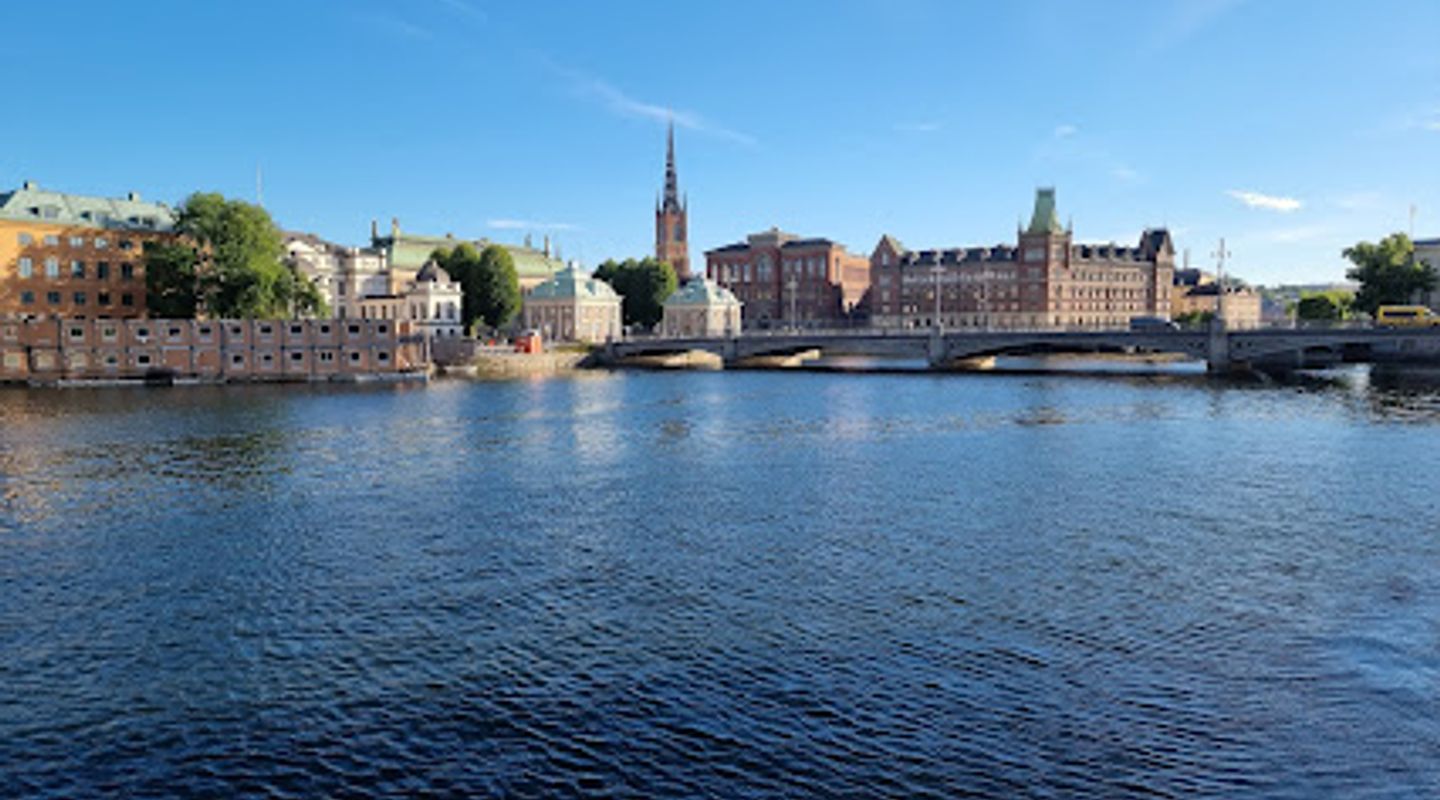
A brief summary of Bonde Palace
Discover Baroque splendor at Bonde Palace, Sweden's Supreme Court seat in Gamla Stan, where imperial history unfolds amid grand facades and historic squares.
Bonde Palace stands as a majestic Baroque landmark in Stockholm's Gamla Stan, originally built in the 1660s as the private residence of Lord High Treasurer Gustaf Bonde. Designed by Nicodemus Tessin the Elder and Jean De la Vallée, this H-shaped edifice features Ionic pilasters, a steep copper roof, and grand facades. It has served as Town Hall, housed courts, and since 1949, accommodates Sweden's Supreme Court. Nestled on Riddarhustorget amid historic alleys, it embodies Sweden's imperial era legacy through restored 17th-century architecture and pivotal historical events.
On-site amenities
 Restrooms
 Drink options
 Seating areas
 Trash bins
 Information boards
- Address
- Riddarhustorget 8, 111 28 Stockholm
Getting there
Subway + Walk
Bus
Walking
Taxi
Discover more about Bonde Palace
Baroque Grandeur in Gamla Stan
Perched on Riddarhustorget in Stockholm's historic old town, Bonde Palace exemplifies the opulence of Sweden's imperial age. Constructed between 1662 and 1667, its H-shaped design draws from French Baroque and Renaissance influences, with facades graced by Ionic pilasters and intricate stonework. The steep-pitched copper roof, though damaged by fire in 1710, retains original cupolas on the northern wings, preserving the palace's commanding silhouette against the Stockholm skyline.The palace's southern exposure overlooks Myntgatan, while alleys Riddarhusgränd and Rådhusgränd frame its western and eastern sides, integrating it seamlessly into Gamla Stan's medieval fabric.
Origins with the Bonde Family
Commissioned by Gustaf Bonde, Sweden's Lord High Treasurer, the palace was envisioned as a noble residence reflecting 17th-century wealth and power. Architects Nicodemus Tessin the Elder and Jean De la Vallée crafted interiors boasting ornate chandeliers, exquisite furnishings, and artwork that whispered tales of aristocratic life. Though Bonde died before full completion, the structure endured as a testament to his vision, transitioning from private luxury to public service.
Dramatic Shifts Through Centuries
After a 1697 fire ravaged the nearby Tre Kronor Palace, Bonde Palace temporarily sheltered the Royal Library and Svea Court of Appeal. Acquired by Stockholm City in 1730, it became the Town Hall, witnessing pivotal moments like the 1792 public flogging of assassin Jacob Johan Anckarström and the 1810 mob killing of statesman Axel von Fersen outside its walls. These events etched the palace into Sweden's legal and political lore.By the 19th century, overcrowding led to decay, with demolition proposed in 1920 amid plans for Vasabron bridge expansion. Preservation prevailed through restorations in 1925, the 1940s, 1986, and 2003–2004, reviving original white facades and craftsmanship.
Supreme Court Sanctuary
Since 1949, Bonde Palace has housed Sweden's Supreme Court, blending historical reverence with modern judicial function. Careful adaptations ensure accessibility and security while honoring 17th- and 18th-century origins. As a protected national monument under the Swedish National Property Board, it safeguards architectural details like preserved cupolas and pilasters.The grand halls, once echoing noble gatherings, now resonate with legal proceedings, bridging Sweden's past grandeur to contemporary governance.
Architectural and Cultural Legacy
Bonde Palace's enduring allure lies in its layered history and stylistic purity. Positioned between the House of Knights and Chancellery House, it anchors Riddarhustorget's charm, inviting contemplation of Sweden's empire from 1611–1718. Restorations prioritize authentic materials, ensuring the palace remains a living archive of Baroque mastery amid Gamla Stan's cobblestone intimacy.
Evendo Review Centre
 Google
Guest reviews
Best time to go
Quietest: Jan, Feb & Mar · before 8am or from 10pm
Busy times are Evendo estimates for a typical year, to help you plan. Actual crowds vary with events, school holidays and the weather.
Explore Bonde Palace on the map
A handpicked selection of must-see spots near Bonde Palace, mapped for you.
Get your free copy of our complete guide to Bonde Palace, delivered straight to you.
Everything on this page, from opening hours and how to get there to Eve’s tips and the best time to go, in one PDF you can read offline, print or share.
Already have an account? Sign in
Your Bonde Palace guide is ready.
We'll send it to · Not you? Sign out

Getting your guide ready…
We are putting together a fresh copy of the Bonde Palace guide. This can take up to a minute.
This can take a few moments. If your browser asks, choose Allow so the download can start. You'll find the guide in your Downloads folder.
Nothing happened? Download it again
Sorry, the guide is taking longer than usual. Please try again in a minute, or get it by email instead.
Unlock the best of Bonde Palace
Skip-the-line tickets, guided tours with entry, and walking tours of the area, booked in a few clicks.


Other nearby places you may find interesting
The closest places of the same kind, if this one is not quite what you had in mind.
-
-
-
-
-


Swipe for more places
More to explore near Bonde Palace

 Best experiences near Bonde Palace
 Best hotels near Bonde Palace
 Best landmarks near Bonde Palace
 Best attractions near Bonde Palace
 Best shops near Bonde Palace
 Best restaurants near Bonde Palace
 Best bars near Bonde Palace
Do you manage this location?
Take control to get all the benefits, like improved information, better appearance, and stronger visibility across AI-powered discovery.
Explore more

Explore more of Stockholm
Discover Stockholm: A captivating blend of history, culture, and natural beauty spread across 14 picturesque islands in Sweden's stunning capital city.
Explore Stockholm
Explore more of Sweden
Discover Sweden's breathtaking landscapes, vibrant cities, and rich cultural heritage. From the Northern Lights to historic castles, experience the essence of Scandinavia.
Explore Sweden
