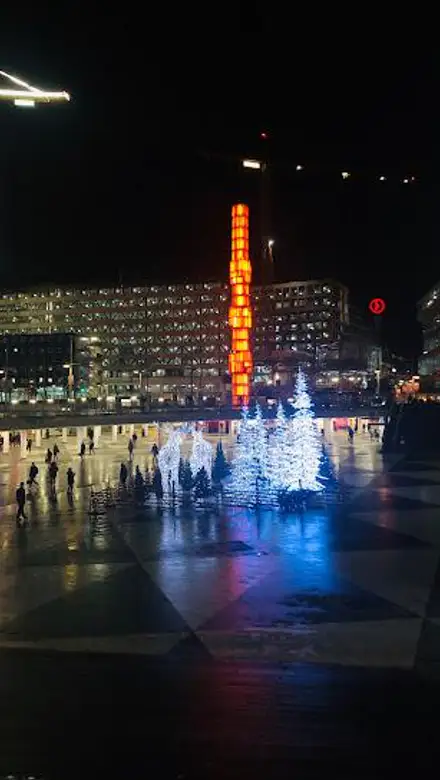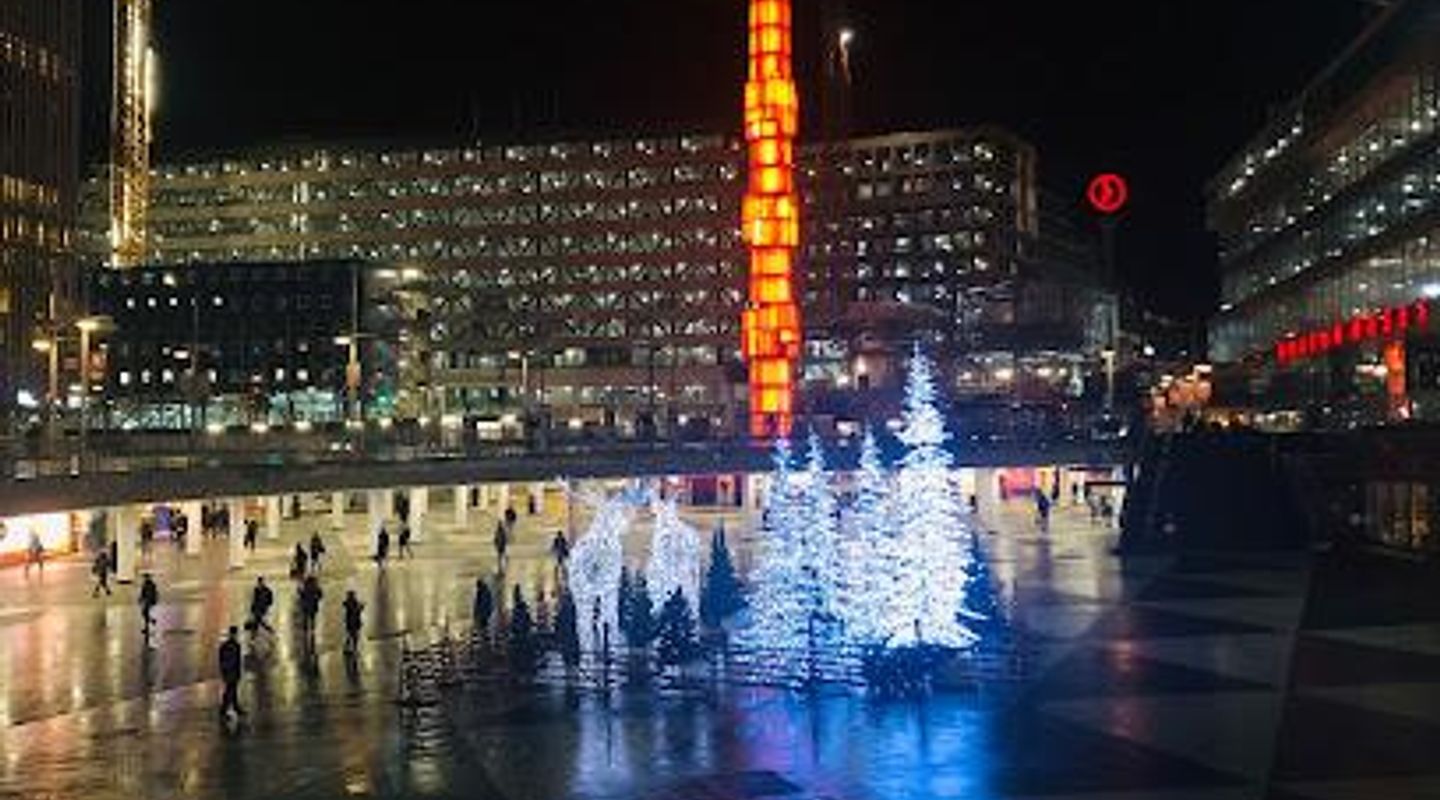
Drottninggatan 33, Stockholm Travel Guide
A modest mid‑century commercial block on Drottninggatan that anchors a stretch of Stockholm’s central shopping and office district.
Drottninggatan 33 sits on a busy central block of Stockholm’s main shopping street and is commonly known as Klarahuset, an office and commercial building with a mid-20th-century commercial façade that anchors the Klarakvarteren area. Its presence links the pedestrian energy of Drottninggatan with the historical fabric and twentieth‑century commercial redevelopment around Klarabergsgatan, making it a useful visual waypoint for shoppers and architecture‑aware visitors alike.
A brief summary to Drottninggatan 33
- Drottninggatan 33, Stockholm, 111 51, SE
- Duration: 0.25 to 1 hours
- Free
-
 Outdoor
- Mobile reception: 5 out of 5

Know before you go
Hi, I'm Eve. Here are a few practical things to know before exploring Drottninggatan 33.
- Observe the ground‑floor shopfronts and how they frame the pedestrian flow — this reveals the building’s role in street life.
- Look up at the upper‑floor fenestration to compare proportions with neighbouring blocks and notice the building’s modest skyline presence.
- Visit early morning or late afternoon for the most interesting light on the façade and quieter pavement conditions.
Do you manage this location?
Take control to get all the benefits, like improved information, better appearance, and stronger visibility across AI-powered discovery. Learn more about listing your business on Evendo
Activate your presenceOther nearby places you may find interesting
The closest places of the same kind, if this one is not quite what you had in mind.




Explore Drottninggatan 33 on the Map
A handpicked selection of must-see spots near Drottninggatan 33, mapped for you.
Getting There
-
Metro + Walk
Take the metro to T‑Centralen station; from the station area a 6–10 minute walk across flat, pedestrianised streets will bring you to Drottninggatan 33. Services run frequently (every few minutes during peak times); expect busy foot traffic and limited car parking nearby. Ticket cost: typical single-ride fare in Stockholm’s public transport system applies (paid by the region’s travel card).
-
Tram + Short Walk
Use the tram network to a nearby stop on Klarabergsgatan or Sergels torg area, then walk 3–6 minutes over level pavements to reach the address; trams operate regularly during the day but may be less frequent late evening. Tram fares follow the regional single-ride tariff; check local timetables for night service constraints.
-
Taxi / Rideshare
A taxi or rideshare trip from central neighbourhoods typically takes 5–15 minutes depending on traffic; fares vary by operator and time of day and are charged in SEK. Note that central streets are busy and short‑term stopping for drop‑off may be restricted, and parking near the location is limited and regulated.
For the on-the-go comforts that matter to you
-
 Seating Areas
-
 Information Boards
-
 Restrooms
Discover more about Drottninggatan 33
An urban block with twentieth‑century presence
Drottninggatan 33 occupies a compact footprint on Drottninggatan, one of Stockholm’s principal pedestrian thoroughfares. The building is part of the Klarakvarteren cluster of commercial and office properties that were transformed during the twentieth century as the city modernised its central blocks. Its façade and massing reflect post‑war commercial design tendencies that aimed to create bright retail frontages and efficient office floors above, contributing to the street’s continuous commercial rhythm.Architectural character and local identity
The exterior presents a restrained, urban commercial aesthetic rather than ornate historic detailing. Large display windows at street level and regularly spaced upper‑floor fenestration emphasise active ground‑floor retail usage with offices above, a configuration typical of central Stockholm blocks that mix daytime commerce with office life. The building reads as part of a continuous frontage on Drottninggatan; its proportions and materials were chosen to harmonise with neighbouring mid‑century and earlier structures while keeping shopfronts visible to passing pedestrians.Setting in Klarakvarteren and relationship to nearby landmarks
Sited within the Klarakvarteren neighbourhood, Drottninggatan 33 shares close visual and historical relationships with nearby blocks and the wider Klarabergsgatan axis. This part of the city has long been shaped by cycles of demolition and rebuilding tied to commercial growth; the building’s form is a product of those interventions and sits within a fabric that balances retail, office and urban circulation. Its scale is city‑centre modest — human in proportion and consistent with the pedestrian character of Drottninggatan.What to notice as you pass
At street level, pay attention to the rhythm between glazed shopfronts and solid façade elements; these alternate to create a steady urban tempo for pedestrians. Light and reflection on the display windows change throughout the day, revealing glints of passing tramlines and the movement of shoppers. The building’s cornice lines and parapets are modest but frame views up and down the street; glance upward to get a sense of how the elevation sits within the skyline of low central blocks rather than among taller commercial towers.Daily life inside and around the block
Inside, upper floors are arranged for offices and co‑working-type uses, while ground floors host retail or services aimed at the shopping crowd. This layering — retail facing the street and quieter workspaces above — creates a day‑time pulse: windows glow in the morning and late afternoon as employees arrive and leave, while shopfronts dominate the midday pedestrian traffic. The immediate area supports quick stops, errands and short visits rather than long contemplative stays.Practical value and small‑scale stories
Beyond architecture, buildings like Drottninggatan 33 function as everyday anchors: a familiar shop window to locals, a meeting point for friends, and a cog in the city’s retail economy. Its continuity on a busy pedestrian street means it plays a quiet but persistent role in Stockholm’s urban choreography, absorbing seasonal changes — from summer sunlight to winter reflections — and hosting the small, incidental moments of city life that make central streets feel lived in.












Your all‑in‑one travel companion app
Explore expert travel guides, compare and book tours, experiences, hotels, and more—all from the palm of your hand. Download now for seamless trip planning wherever your wanderlust takes you.


Explore More of Stockholm
Looking beyond Drottninggatan 33? Discover Stockholm for broader travel guides, local hot-spots, and regional highlights.
Explore Stockholm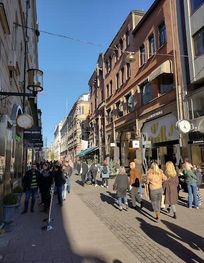
Stockholm's glittering artery of luxury fashion, where Swedish design meets global prestige in Bibliotekstan's chic embrace.
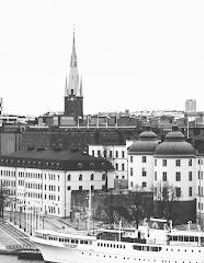
A medieval site reborn through centuries: a gilded interior, a soaring 19th‑century tower and a quiet churchyard tucked into central Stockholm.