Jarlabanke bridge, Stockholm Travel Guide
A compact Viking Age causeway and runestone ensemble marking Jarlabanke’s roadside legacy north of Täby Church.
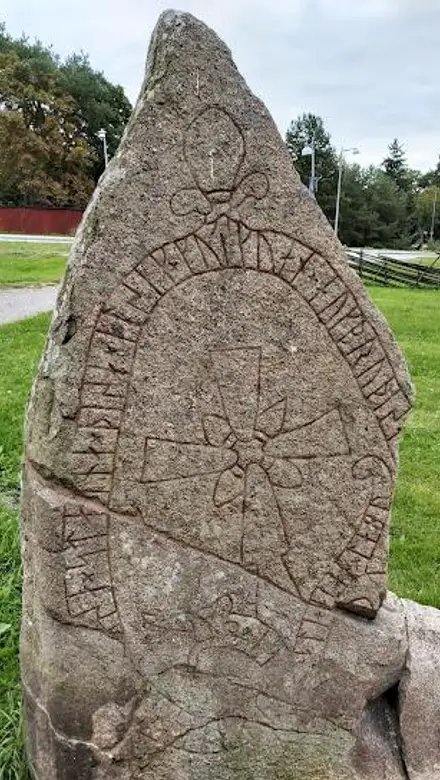
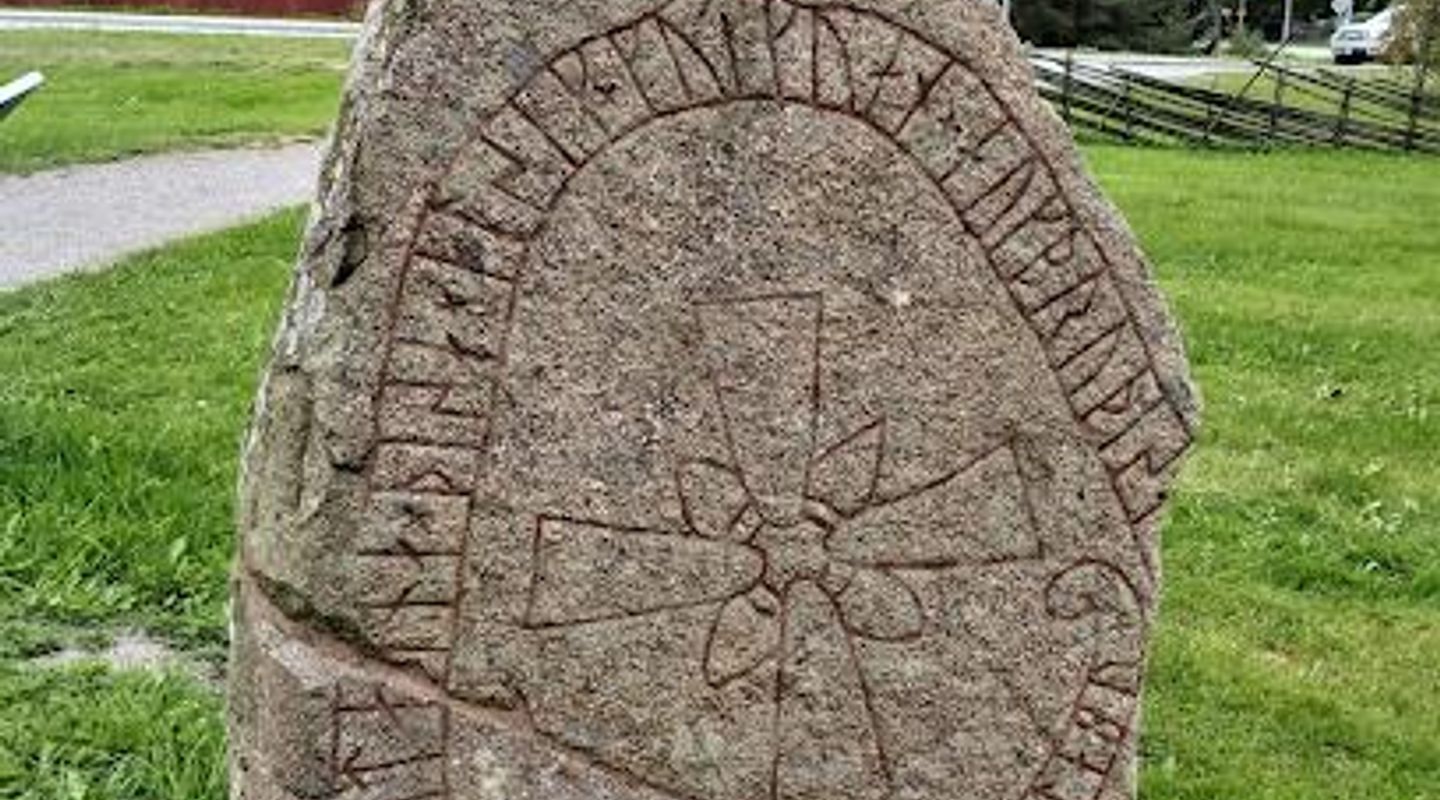
A well-preserved Viking Age stone bridge and commemorative site just north of Täby Church, Jarlabanke Bridge marks the start of the Runriket route around Vallentunasjön. The reconstructed bridge, runestones and an area information pavilion recall the 11th-century work of the local chieftain Jarlabanke and the nearby runic inscriptions that narrate land ownership, family lines and the shift from pagan practices to early Christianity.
A brief summary to Jarlabanke bridge
- Vikingavägen, Täby, 187 72, SE
- Click to display
- Click to display
- Duration: 0.25 to 1 hours
- Free
-
 Outdoor
- Mobile reception: 4 out of 5

Know before you go
Hi, I'm Eve. Here are a few practical things to know before exploring Jarlabanke bridge.
- Respect the protected stones: avoid climbing on runestones and keep to defined paths to protect fragile inscriptions and nearby archaeology.
- Pause at the information pavilion to read the bilingual panels that explain the runes and local finds before circling the site.
- Bring a lens or macro-capable camera for close-up photos of the runic carvings; low-angle light (morning or late afternoon) improves legibility.
Do you manage this location?
Take control to get all the benefits, like improved information, better appearance, and stronger visibility across AI-powered discovery. Learn more about listing your business on Evendo
Activate your presenceOther nearby places you may find interesting
The closest places of the same kind, if this one is not quite what you had in mind.

Explore Jarlabanke bridge on the Map
A handpicked selection of must-see spots near Jarlabanke bridge, mapped for you.
Unlock the Best of Jarlabanke bridge
Buy tickets
-
No tickets available
Book tours with entry


Book tours without entry

Getting There
-
Regional bus and short walk
Public bus from Täby centrum to a stop serving Täby kyrkby, then a 10–15 minute walk over mostly level paths across village lanes to the bridge; buses run roughly every 15–30 minutes during daytime with single-ride fares typically in the range of SEK 35–55 per person depending on ticket type and zone; service frequency reduces evenings and weekends.
-
Local train (Roslagsbanan) combined with walk
Roslagsbanan service to Täby kyrkby or nearby station followed by a 15–25 minute easy walk over paved and gravel surfaces to the site; trains run at regular intervals (typically every 15–30 minutes off-peak) and single fares are commonly SEK 40–70 depending on card or ticket and zones; trains provide a comfortable, all-weather option but include short walking links at either end.
-
Car park nearby plus short stroll
Private vehicle: park in the municipal parking areas close to Täby kyrkby and walk 5–10 minutes along village roads and a short field path to the bridge; parking is usually metered or municipal with fees commonly SEK 10–30 per hour and may be limited at peak seasonal times; some surfaces are unpaved so low clearance is advised during wet weather.
For the on-the-go comforts that matter to you
-
 Information Boards
-
 Seating Areas
-
 Picnic Areas
Discover more about Jarlabanke bridge
Ancestral engineering and a roadside monument
Jarlabanke Bridge sits where a medieval track crossed wet ground north of Täby Church; the low, linear stone structure you see is a memorialisation and partial reconstruction of the original causeway and bridge attributed to the 11th-century local leader Jarlabanke. Nearby runestones bear carved text that records the construction of roads, bridges and the assertion of family claims on land — inscriptions that convert practical public works into durable statements of power and memory.Runestones and the story they tell
The stones clustered near the bridge are part of a wider local corpus of runic inscriptions from the Viking Age; their lettering and terse phrases offer a direct, contemporary voice from a region that in its day stretched into what is now the Mälaren basin. These runes record names, kinship and acts of generosity — raising a bridge or road was a public, honourable deed, and the carving itself served as both record and monument.Landscape and archaeological context
The site is set in a gently undulating, semi-rural landscape of small fields and churchyard trees; the original crossing helped travellers northwards across spongy ground. Archaeological finds in the Täby area — including burials and artefacts discovered at nearby excavation sites — place this small monument within a dense tapestry of Viking Age settlement, where farms, churches and commemorative stones sat close together and community identity was expressed through carved stone and earthworks.Modern interpretation and visitor facilities
Today the bridge functions as the entrance to a local interpretive trail that runs around the Runriket route near Vallentunasjön. There is an outdoor information pavilion and signage that explain the runestones, the figure of Jarlabanke and the wider network of nine related historic sites around the lake. A small play-and-interpretation area nearby has been designed to introduce children to the era in an accessible way while retaining the historic setting.Material culture and craft
Look closely at the stonework and the carved runes for evidence of both stonemasonry and early medieval literacy. The inscriptions were carved with iron chisels into local stone; their layout and formulaic phrasing reflect established conventions of memorial inscription. The bridge’s form — low, roughly coursed stone — is as much practical engineering as symbolic construction: it physically eased travel while symbolically demonstrating a patron’s capacity to organise labour and resources.Continuity and cultural resonance
Jarlabanke Bridge remains a modest but potent marker of continuity: it links an everyday infrastructure project of the 11th century with the modern landscape where traces of that past are still legible. The juxtaposition of the stone bridge, runic text and nearby church captures a time of transition in Scandinavia when older beliefs and new Christian practices coexisted and when local leaders shaped the routes and reputations of their territories.












Your all‑in‑one travel companion app
Explore expert travel guides, compare and book tours, experiences, hotels, and more—all from the palm of your hand. Download now for seamless trip planning wherever your wanderlust takes you.


Explore More of Stockholm
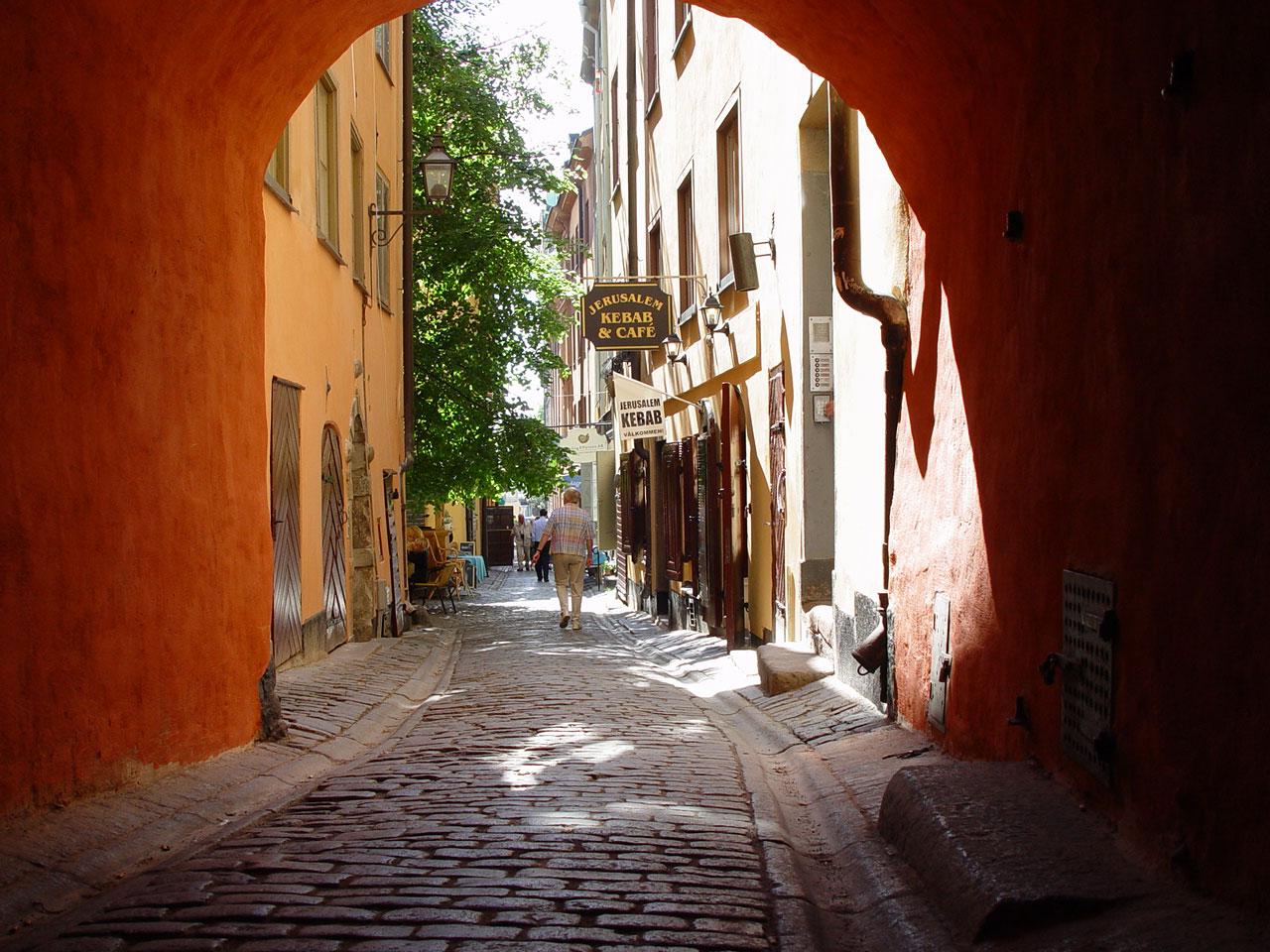
Looking beyond Jarlabanke bridge? Discover Stockholm for broader travel guides, local hot-spots, and regional highlights.
Explore Stockholm
Visit the Olof Palme Memorial Plaque in Stockholm, a historical landmark honoring Sweden's beloved Prime Minister, and explore the rich heritage surrounding it.
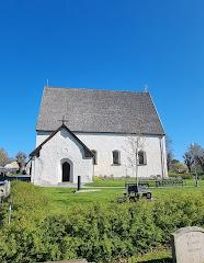
Step into 13th-century Uppland at Täby Kyrka, where Albertus Pictor's unrestored frescoes dance across vaults in biblical splendor and a runestone whispers Viking echoes.