

Mariahissen, Stockholm Travel Guide
Free Guide: Ascend into Stockholm's past at Mariahissen, the neo-Gothic elevator relic crowning Söder Mälarstrand with spires, arches, and sweeping Riddarfjärden vistas.


A brief summary of Mariahissen
Ascend into Stockholm's past at Mariahissen, the neo-Gothic elevator relic crowning Söder Mälarstrand with spires, arches, and sweeping Riddarfjärden vistas.
Mariahissen is a striking Gothic Revival building on Stockholm's Söder Mälarstrand, once home to a public elevator that bridged the waterfront and Mariaberget heights. Built in 1885-1887 by architect Gustaf Dahl, its neo-Gothic spires, brick arches, and pointed windows evoke a church-like grandeur against the rocky cliffs. Though the elevator ceased operation in 1937, the structure endures as a waterfront icon, offering panoramic views of Riddarfjärden and the city skyline. Now housing offices after 1970s renovations, it stands as a testament to 19th-century engineering and Belle Époque aesthetics in Södermalm's historic quarter.
On-site amenities
 Seating areas
 Trash bins
 Drinking water
Opening hours
- Every dayOpen 24 hours
Opening hours as listed on the venue’s Google Business Profile. Hours can change for services and special events, so check with the venue before you go.
- Address
- Söder Mälarstrand 21, 118 20 Stockholm
Getting there
Bus
Walking
Tram
Ferry
Discover more about Mariahissen
Origins in Industrial Ambition
Mariahissen emerged in the late 19th century as a bold response to Stockholm's hilly terrain. Constructed between 1885 and 1887 at Söder Mälarstrand 21, the building housed a public elevator designed to conquer the 28-meter elevation from Riddarfjärden's southern shore to Mariaberget above. Architect Gustaf Dahl, commissioned by Alban Herlitz's Maria Hiss och Magasins AB, crafted a structure that blended utility with ornate design. Daily, around 3,000 passengers rode the lift to connect with steamship shuttles to Riddarholmen, symbolizing the era's industrial optimism.
Neo-Gothic Architectural Splendor
The facade dominates the waterfront with its high brick walls, embedded in a blasted niche of the cliff. Dahl drew from religious architecture, incorporating Gothic Revival elements like spire-topped towers, pointed arch windows, and arcade bases supported by decorative iron columns. Järnkolonner with ornate capitals frame the ground level, while a iron lattice walkway once crossed Bastugatan. Produced at Atlas verkstäder, these features highlighted advanced craftsmanship, with the building also hosting a gymnastics institute and artist tavern Du Sûd.
Decline and Preservation Efforts
By the early 20th century, improved city transport dwindled ridership to 50 daily users, leading to closure on August 8, 1937. Neglect followed, with the central tower demolished in the 1940s and demolition threats looming. Stockholm city acquired the site in 1961, and mid-1970s renovations by Sune Malmquist restored the facade, replaced windows, and rebuilt the tower as an exact replica, installing new machinery. From a 1970s concert venue, it transitioned to offices, preserving its silhouette.
Waterfront Setting and Visual Impact
Nestled on Södermalm's northern waterfront, Mariahissen rises dramatically beside rock faces and hilltop homes. Its illuminated night presence once evoked industrial miracles, akin to a vertical cathedral. Views encompass Lake Mälaren's calm waters, Gamla Stan's spires, and the urban panorama, enhanced by pedestrian bridges and historic streets. The structure's scale and ornamentation make it a focal point along the quay.
Cultural Echoes and Enduring Legacy
Mariahissen reflects Stockholm's evolution from Hanseatic trade hub to modern capital, its Gothic spires nodding to Belle Époque flourishes amid functional innovation. Though no longer operational, the building invites contemplation of past technologies and urban adaptation. Surrounded by literary plaques and cultural markers, it anchors Södermalm's heritage fabric, drawing admirers to its timeless beauty.
Evendo Review Centre
 Google
Guest reviews
Best time to go
Quietest: Jan, Feb & Dec · before 7am
Busy times are Evendo estimates for a typical year, to help you plan. Actual crowds vary with events, school holidays and the weather.
Explore Mariahissen on the map
A handpicked selection of must-see spots near Mariahissen, mapped for you.
Get your free copy of our complete guide to Mariahissen, delivered straight to you.
Everything on this page, from opening hours and how to get there to Eve’s tips and the best time to go, in one PDF you can read offline, print or share.
Already have an account? Sign in
Your Mariahissen guide is ready.
We'll send it to · Not you? Sign out

Getting your guide ready…
We are putting together a fresh copy of the Mariahissen guide. This can take up to a minute.
This can take a few moments. If your browser asks, choose Allow so the download can start. You'll find the guide in your Downloads folder.
Nothing happened? Download it again
Sorry, the guide is taking longer than usual. Please try again in a minute, or get it by email instead.
Unlock the best of Mariahissen
Skip-the-line tickets, guided tours with entry, and walking tours of the area, booked in a few clicks.


Other nearby places you may find interesting
The closest places of the same kind, if this one is not quite what you had in mind.
-
-
-
-
-


Swipe for more places
More to explore near Mariahissen

 Best experiences near Mariahissen
 Best hotels near Mariahissen
 Best landmarks near Mariahissen
 Best attractions near Mariahissen
 Best shops near Mariahissen
 Best restaurants near Mariahissen
 Best bars near Mariahissen
Do you manage this location?
Take control to get all the benefits, like improved information, better appearance, and stronger visibility across AI-powered discovery.
Explore more

Explore more of Stockholm
Discover Stockholm: A captivating blend of history, culture, and natural beauty spread across 14 picturesque islands in Sweden's stunning capital city.
Explore Stockholm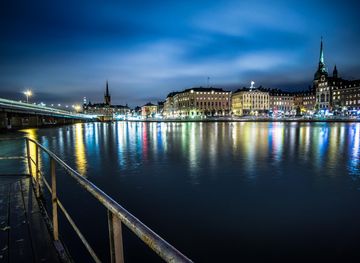
Explore more of Sweden
Discover Sweden's breathtaking landscapes, vibrant cities, and rich cultural heritage. From the Northern Lights to historic castles, experience the essence of Scandinavia.
Explore Sweden
