

Varnhem Abbey Travel Guide
Free Guide: Sweden's medieval monastic heart: Wander vaulted halls where Cistercian monks prayed, kings were laid to rest, and history echoes through 900 years.


A brief summary of Varnhem Abbey
Sweden's medieval monastic heart: Wander vaulted halls where Cistercian monks prayed, kings were laid to rest, and history echoes through 900 years.
Varnhem Abbey Church stands as Sweden's richest medieval heritage site, founded by Cistercian monks in 1150 amid serene Västergötland countryside. This Romanesque-Gothic masterpiece, rebuilt after a devastating 1234 fire, served as burial place for kings and Birger Jarl. Explore its vaulted interiors, adjacent ruins, and whispers of monastic life in a living parish church with free entry and guided tours.
On-site amenities
 Restrooms
 Drink options
 Food options
 Seating areas
 Information boards
- Address
- Varnhems klosterkyrka, 532 73 Varnhem
- Phone
- Website
Getting there
Bus
Car
Train + Bus
Cycling
Discover more about Varnhem Abbey
Monastic Origins in Medieval Sweden
In the mid-12th century, Cistercian monks from Clairvaux, France, via Alvastra Abbey, arrived in Varnhem under Abbot Henrik. Sponsored by King Sverker the Elder, they founded the abbey around 1150 on land donated by a noblewoman named Sigrid. This self-sufficient community introduced advanced water systems and cultivated gardens, embodying the order's ideals of simplicity and labor. The site quickly became a spiritual hub, drawing pilgrims and royalty from the House of Eric.
Architectural Evolution Through Fire and Rebirth
Construction began in Romanesque style with a straight-ended chancel flanked by chapels and tunnel vaults. By 1180, it evolved into a basilica form with higher central nave and side aisles. A catastrophic fire in 1234 razed much of the complex, prompting a grand reconstruction blending Gothic elements like rib vaults, ambulatory, and chapel crown. Completed around 1260, it stood as Sweden's largest church, its sturdy walls enduring centuries of turmoil.
Royal Burials and Political Significance
Varnhem's church holds eternal rest for three kings from the House of Eric: Canute I, Eric X, and Eric XI. Birger Jarl, founder of Stockholm, was interred here in 1286, his tomb opened in 1928 excavations. These burials underscore the abbey's role as a power center, intertwined with Sweden's medieval monarchy amid conflicts like the Nordic Seven Years' War, which saw Danish forces burn nearby structures in 1566.
From Dissolution to Baroque Renewal
The Reformation dissolved the monastery in 1533, transforming the church into a parish venue. In the 17th century, Count Magnus Gabriel De la Gardie restored it as his family mausoleum, adding Baroque furnishings: pulpit, altarpiece, organ gallery, and whitewashed walls with buttresses. Material from the ruins bolstered the structure, while a 1965 fire destroyed the original organ, replaced by a modern one in 1968.
Archaeological Treasures and Surroundings
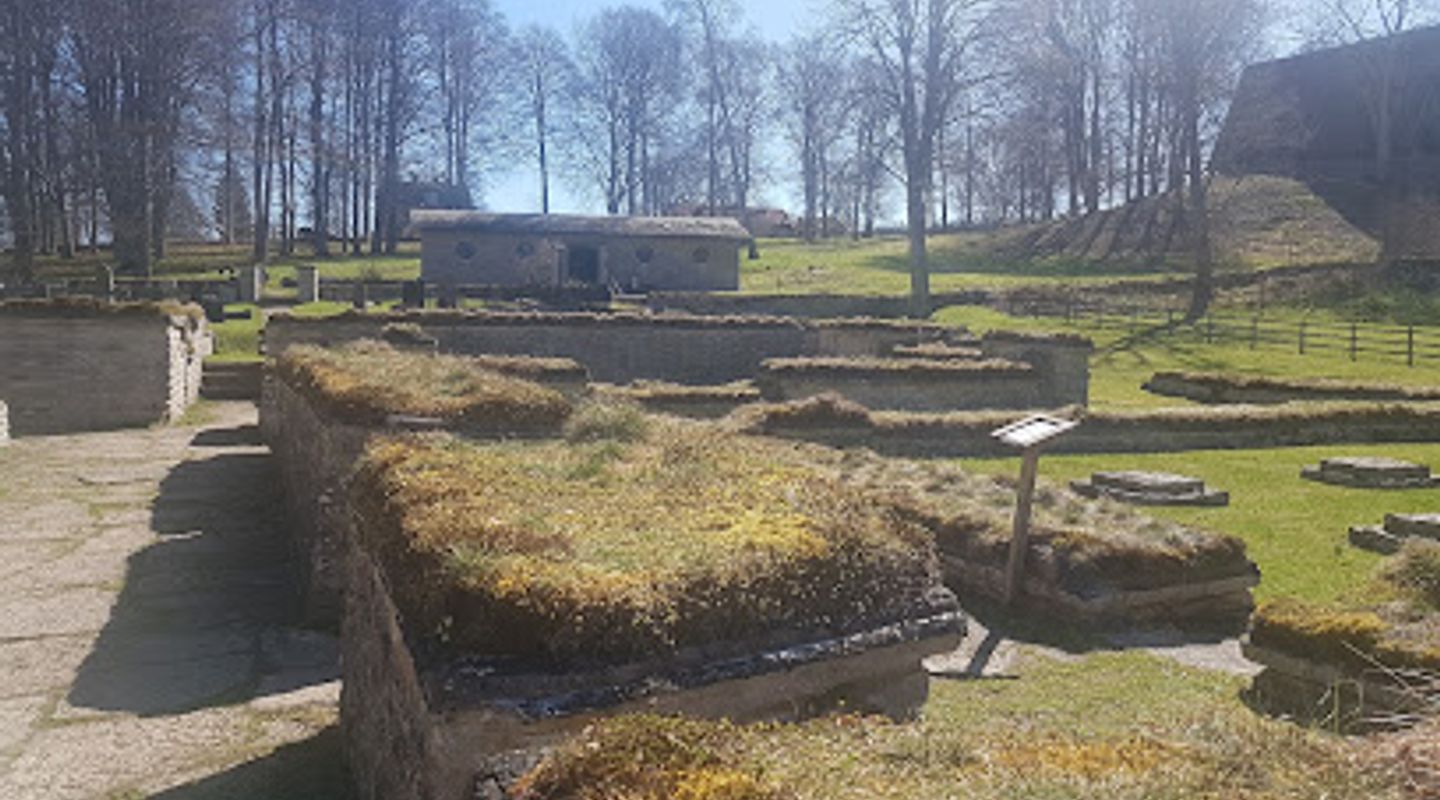
Nearby Kata Gård overlays Sweden's oldest stone church ruins from the 1040s, predating the abbey and revealing early Christianization. Excavations uncovered chaotic graves and artifacts like bone needles, hinting at 10th-century origins. Kloster ruins, herb garden, and Klostersjön lake enhance the atmospheric setting at Billingen mountain's foot, with trails inviting reflection on 900 years of history.
Living Parish Amid Historic Echoes
Today, Varnhem functions as a vibrant parish church hosting masses, weddings, and funerals, with limited tourist access during services. Summer guides illuminate its layers—from Cistercian chants under ancient vaults to royal legacies—while free entry welcomes all to ponder life's profound questions in this national treasure.
Evendo Review Centre
 Google
Guest reviews
Best time to go
Quietest: Jan, Feb & Dec · before 8am or from 8pm
Busy times are Evendo estimates for a typical year, to help you plan. Actual crowds vary with events, school holidays and the weather.
Explore Varnhem Abbey on the map
A handpicked selection of must-see spots near Varnhem Abbey, mapped for you.
Get your free copy of our complete guide to Varnhem Abbey, delivered straight to you.
Everything on this page, from opening hours and how to get there to Eve’s tips and the best time to go, in one PDF you can read offline, print or share.
Already have an account? Sign in
Your Varnhem Abbey guide is ready.
We'll send it to · Not you? Sign out

Getting your guide ready…
We are putting together a fresh copy of the Varnhem Abbey guide. This can take up to a minute.
This can take a few moments. If your browser asks, choose Allow so the download can start. You'll find the guide in your Downloads folder.
Nothing happened? Download it again
Sorry, the guide is taking longer than usual. Please try again in a minute, or get it by email instead.
Other nearby places you may find interesting
The closest places of the same kind, if this one is not quite what you had in mind.
-
-
-
-
-


Swipe for more places
More to explore near Varnhem Abbey

 Best experiences near Varnhem Abbey
 Best hotels near Varnhem Abbey
 Best landmarks near Varnhem Abbey
 Best attractions near Varnhem Abbey
 Best shops near Varnhem Abbey
 Best restaurants near Varnhem Abbey
 Best bars near Varnhem Abbey
Do you manage this location?
Take control to get all the benefits, like improved information, better appearance, and stronger visibility across AI-powered discovery.
Explore more

Explore more of Svealand
Experience the essence of Sweden in Svealand: a region of historic cities, stunning archipelagos, and rich cultural heritage perfect for every traveler.
Explore Svealand
Explore more of Sweden
Discover Sweden's breathtaking landscapes, vibrant cities, and rich cultural heritage. From the Northern Lights to historic castles, experience the essence of Scandinavia.
Explore Sweden
