

Free Svealand Travel Guide & Mobile App
Explore Svealand with free travel guides. Discover regional history, expert tips, proposed trips, and audio guides on web or mobile app.


Explore Svealand in central Sweden for Stockholm, Viking heritage, lake landscapes, historic towns, forests, culture and Dalarna’s living traditions.
Read more about Svealand
When is the best time to visit Svealand?
Best: June–August · 21–24°C| Month | High (°C) | Rainfall (mm) |
|---|---|---|
| January | 2 | 45 |
| February | 2 | 35 |
| March | 7 | 35 |
| April | 11 | 40 |
| May | 17 | 45 |
| June (best) | 21 | 55 |
| July (best) | 24 | 75 |
| August (best) | 22 | 70 |
| September | 17 | 60 |
| October | 12 | 55 |
| November | 6 | 50 |
| December | 2 | 45 |
Getting to and around Svealand
How to get there
Transportation
Top city travel guides in Svealand
The cities of Svealand, and the easiest places to base yourself.
-

-

-

-

-

-


Swipe for more cities
Destinations in Svealand
Resorts, valleys and scenic spots worth a trip of their own.
-

-

-

-
-

-


Swipe for more destinations
Best attractions in Svealand
Svealand offers an unusually broad range of attractions because its landscapes and historical roles vary so widely. Stockholm provides major museums, royal collections, historic streets and island-based urban scenery, while nearby Lake Mälaren sites reveal the origins of Sweden’s early state. Uppsala combines its cathedral, university traditions and botanical heritage with access to the ancient royal burial landscape at Gamla Uppsala. Sigtuna, Birka on Björkö and the royal residence of Drottningholm provide different perspectives on the medieval, Viking Age and monarchical past. Further west, Örebro Castle and the industrial communities of Bergslagen present the region’s political and working history. Falun’s Great Copper Mountain is central to understanding mining and Sweden’s economic development. Lake Siljan, the forests of Dalarna and the shores of Lake Vänern support walking, cycling, boating, fishing and winter activities. Värmland’s waterways and literary associations, as well as the manor houses and ironworks scattered through central Sweden, add cultural depth beyond the principal cities. The best itineraries combine a major urban centre with smaller towns, open countryside and at least one lake or industrial heritage landscape.
-
Museum
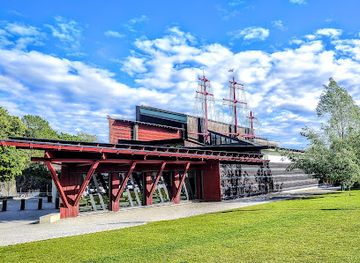
Vasa Museum
Step aboard the ghostly galleon that sank in glory—Vasa Museum unveils a 17th-century warship preserved against all odds after 333 years submerged.
-
Tourist attraction
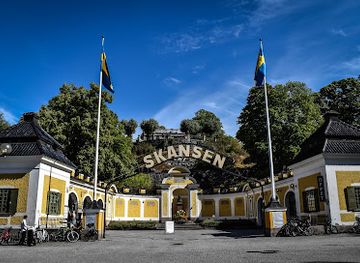
Skansen
A living panorama of Swedish homes, crafts, wildlife and seasonal festivals on historic Djurgården.
-
Tourist attraction
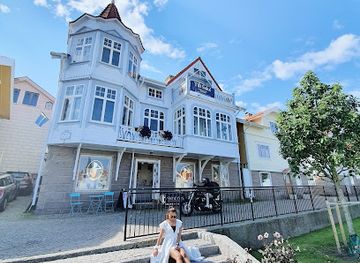
Smögenbryggan
Vibrant boathouse boardwalk where Sweden's West Coast fishing heritage meets seaside dining and archipelago panoramas.
-
Wildlife and safari park
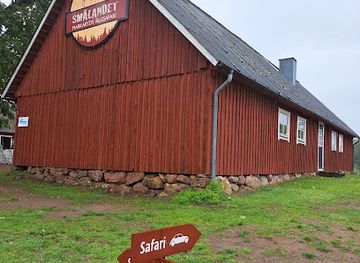
Smålandet Moose Safari
Drive or ride through Sweden's moose kingdom: feed giants of the forest, savor bison burgers, and play in Småland's wild heart—pure Nordic wildlife magic.
Best landmarks in Svealand
Svealand’s landmarks express the region’s roles as royal centre, ecclesiastical heartland, industrial engine and lake-connected cultural landscape. Stockholm’s old town, Gamla Stan, is an exceptionally important urban landmark, with medieval street patterns, the Royal Palace and waterfront views that reveal the capital’s island geography. Uppsala Cathedral dominates the city skyline and symbolises the region’s long religious and academic importance, while the mounds at Gamla Uppsala mark an older royal and ceremonial landscape. Drottningholm Palace on Lovön and Gripsholm Castle at Mariefred represent different phases of Sweden’s royal architectural history. Örebro Castle rises from an island in the Svartån and remains the most recognisable structure in its city. In Dalarna, Falun’s Great Copper Mountain, including its vast historic mine workings, stands for the industrial history of central Sweden; the red-painted timber buildings and lake villages around Siljan provide a contrasting vernacular image. Västerås Cathedral and the historic townscape of Sigtuna add further medieval depth. The broad surfaces of Lake Mälaren, Lake Siljan and Lake Vänern are landmarks in their own right, shaping settlement, travel and regional identity.
-
Tourist attraction
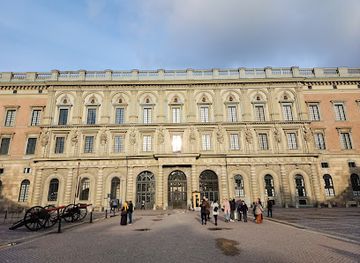
The Royal Palace
Europe's grandest royal seat: explore 600+ rooms of Baroque splendor, crown jewels, and living Swedish monarchy in Stockholm's heart.
-
Tourist attraction
Drottningholm Palace
Sweden's Versailles: UNESCO-listed royal residence with baroque gardens, Chinese Pavilion, and intact 18th-century theatre on Lake Mälaren.
-
Tourist attraction
Brahehus Castle Ruin
Dramatic 17th-century ruins on a Vättern cliff, offering epic lake views and echoes of Count Per Brahe's lavish vision in Småland's heart.
-
Tourist attraction
Bohus Fortress
Unconquered 700-year-old cliffside ruin guarding the Göta River—explore sieges, dungeons, and Nordic legends amid dramatic stone walls and windswept views.

Explore Svealand on the map
Plan your trip on one map. See where the top cities, national parks and sights are, and book hotels and experiences in a few clicks.
Best hotels in Svealand
Best restaurants in Svealand
Dining in Svealand ranges from internationally minded restaurants in Stockholm to cafés, public houses, farm kitchens and seasonal eateries in smaller towns. The region’s food reflects its forests, lakes and agricultural plains: berries, mushrooms, game, freshwater fish, potatoes, grains and locally produced dairy appear alongside modern Swedish cooking. Dalarna is associated with foods such as the thin, crisp bread known as knäckebröd and the traditional potato dumpling kroppkaka in broader Swedish culinary culture, though recipes and names vary by locality. Around Lake Mälaren and Lake Vänern, fish and produce from surrounding farms often feature on seasonal menus. Stockholm offers the widest choice, from bakeries and food halls to contemporary restaurants, while Uppsala, Karlstad, Örebro and Västerås have strong café and restaurant scenes. In rural areas, opening days can be limited outside the main season, so farm shops, bakeries and local markets are useful places to find regional cheeses, breads, preserves, smoked foods and drinks. Swedish fika, the social custom of taking coffee with something sweet, is an essential part of the region’s everyday food culture.
-
Scandinavian
Aifur
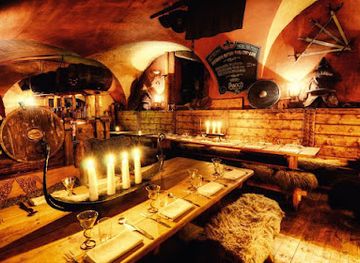
A theatrical, long‑table Viking tavern in Gamla Stan serving hearty Nordic feasts, mead and lively live music in a vaulted cellar setting.
-
Swedish
Stockholms Gästabud
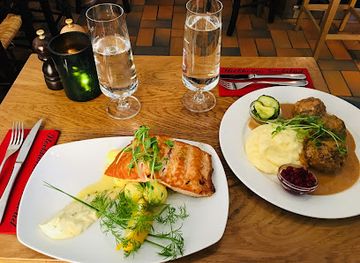
Cozy, traditional Swedish cuisine in the heart of Gamla Stan—hearty plates, a compact dining room and an old‑town feel.
-
Swedish
Restaurant Tradition
Classic Swedish husmanskost crafted with Nordic pantry treasures in Gamla Stan's cozy embrace—timeless flavors, homey vibes, and seasonal simplicity.
-
Fusion restaurant
Tak
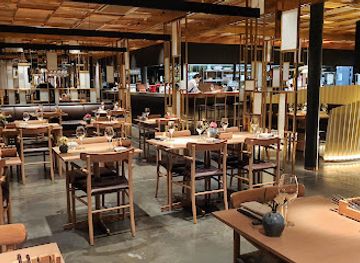
Stockholm's rooftop fusion gem where Nordic ingredients meet Japanese artistry amid breathtaking 360° city panoramas and stylish multi-level vibes.
Best bars in Svealand
Evening life in Svealand is concentrated in Stockholm, Uppsala and the larger inland towns, with a quieter rhythm elsewhere. Stockholm has the broadest range of cocktail bars, breweries, live music rooms, wine bars, late venues and theatre districts, particularly in central neighbourhoods and on Södermalm, Norrmalm and nearby areas. Uppsala’s university population supports a substantial programme of student societies, pubs, concerts and cultural events, although access to some venues may depend on membership or event arrangements. Karlstad, Örebro, Västerås and Falun offer local pubs, restaurants, music venues and seasonal events rather than a continuous metropolitan nightlife scene. In smaller Dalarna and Värmland communities, evenings often centre on traditional pubs, hotel bars, cafés and occasional live performances. Summer brings outdoor terraces and festival activity, while winter nightlife is more closely tied to restaurants, arts venues and local gatherings. Visitors should check current arrangements, age limits and transport home, especially in rural areas where late public transport can be limited.
-
Bar
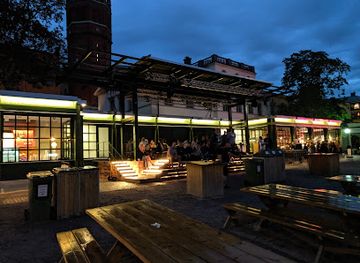
Omnipollos hatt
Södermalm's wood-fired pizza and craft beer haven, brewing bold flavors daily from noon till late in a buzzing brewery-bar vibe.
-
Pub
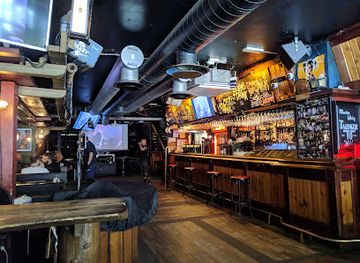
Pub Anchor
Stockholm's rock bastion: burgers, beers, live bands, and karaoke in Vasastan's beating heart—where heavy riffs meet hearty bites until 3am.
-
Irish pub
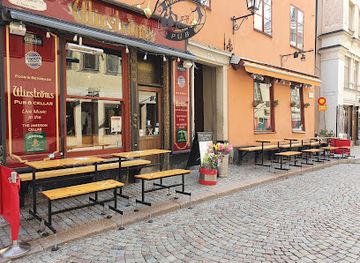
Wirströms Pub
A warm, cavernous Irish pub in Gamla Stan — pints, live music, hearty pub fare and cosy cellar nooks.
-
Bar
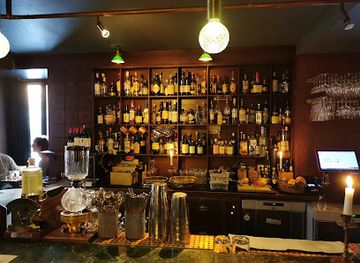
Pharmarium
Alchemy reborn: inventive cocktails and small plates in Sweden's oldest apothecary site, Gamla Stan's intimate mixology gem.
Best nightclubs in Svealand
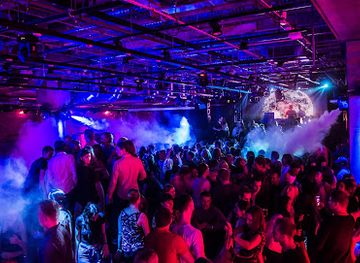
Evening life in Svealand is concentrated in Stockholm, Uppsala and the larger inland towns, with a quieter rhythm elsewhere. Stockholm has the broadest range of cocktail bars, breweries, live music rooms, wine bars, late venues and theatre districts, particularly in central neighbourhoods and on Södermalm, Norrmalm and nearby areas. Uppsala’s university population supports a substantial programme of student societies, pubs, concerts and cultural events, although access to some venues may depend on membership or event arrangements. Karlstad, Örebro, Västerås and Falun offer local pubs, restaurants, music venues and seasonal events rather than a continuous metropolitan nightlife scene. In smaller Dalarna and Värmland communities, evenings often centre on traditional pubs, hotel bars, cafés and occasional live performances. Summer brings outdoor terraces and festival activity, while winter nightlife is more closely tied to restaurants, arts venues and local gatherings. Visitors should check current arrangements, age limits and transport home, especially in rural areas where late public transport can be limited.
-
Night club
Kristall
Discover the lively ambiance and delicious offerings at Kristall, Stockholm's top nightlife destination combining a night club, bar, and grill.
-
Night club
Colosseum Nightclub
Arenavägen’s arena‑scale nightclub: large dance floor, loud music and late‑night DJ nights in Johanneshov’s events quarter.
-
Night club
Rose Club
A velvet-and-rose late-night club in central Stockholm — intimate dancefloor, DJs, cocktails and a dressier crowd on select late evenings.
-
Night club
Hyde Stockholm
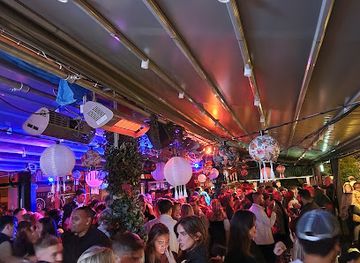
Central Stockholm nightclub igniting weekends with DJ beats, rooftop views, and cocktail-fueled energy on lively Jakobsbergsgatan.

Best shops in Svealand
Shopping in Svealand ranges from Stockholm’s design-led central districts and department stores to the independent shops and market squares of smaller towns. The capital offers the widest choice of Swedish fashion, interiors, books, antiques, jewellery and contemporary craft, while Södermalm and other central areas are known for independent boutiques and vintage shopping. Uppsala, Västerås, Örebro and Karlstad combine conventional high streets and shopping centres with cafés, galleries and smaller specialist retailers. In Dalarna, look for locally made woodwork, textiles, ceramics, painted decorations and the region’s familiar red-painted craft traditions, taking care to distinguish contemporary products from mass-produced souvenirs. Farm shops and seasonal markets sell breads, cheeses, preserves, berries, mushrooms and other regional produce. Historic towns such as Sigtuna and Mariefred have compact selections of craft, homeware, books and gifts, while rural shopping is often dispersed among workshops and producers rather than concentrated in a single district. Opening arrangements and market days vary, particularly outside the main tourist season.
-
Department store
NK Stockholm
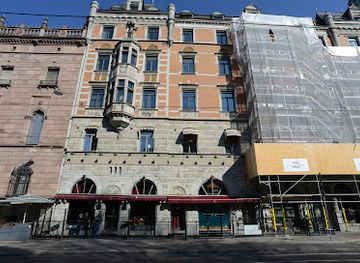
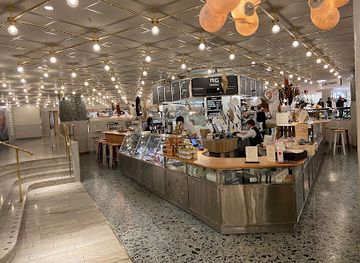
Sweden's grandest luxury department store since 1915, where Art Nouveau architecture frames world-class fashion, design, and gourmet treasures on vibrant Hamngatan.
-
Shopping mall
Hede Fashion Outlet
Sweden's top outlet for 150+ brands with up to 70% savings, free parking, and dining in a traffic-free promenade just outside Gothenburg.
-
Souvenir store
Haga of gothenburg
Unique Swedish souvenirs and local handicrafts in Gothenburg's enchanting Haga district, where historic wooden charm meets artisan creativity.
-
Sporting goods store
Stadium Hundfjälllet
Gear up for Sälen adventures at Stadium Hundfjället: premium ski, snowboard, and outdoor essentials amid Sweden's top winter playground.
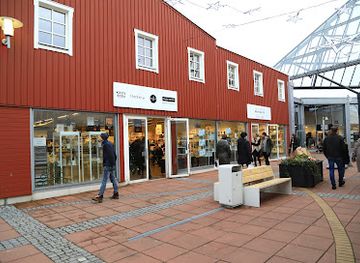
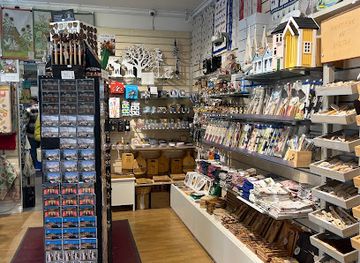
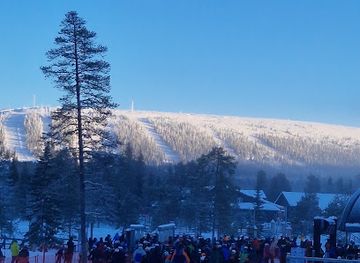
Get your free copy of our complete guide to Svealand, delivered straight to you.
Everything on this page, from attractions and restaurants to essentials and local phrases, in one PDF you can read offline, print or share.
Already have an account? Sign in
Your Svealand guide is ready.
We'll send it to · Not you? Sign out

Getting your guide ready…
We are putting together a fresh copy of the Svealand guide. This can take up to a minute.
This can take a few moments. If your browser asks, choose Allow so the download can start. You'll find the guide in your Downloads folder.
Nothing happened? Download it again
Sorry, the guide is taking longer than usual. Please try again in a minute, or get it by email instead.
Svealand essentials
Currency and Payment
Safety
Emergency Situations
Do's and Don'ts
Local Tips
From Eve
Local phrases worth knowing
You don't need to get them perfect. A few words go a long way, and locals appreciate the effort.
Basics
| English | Local | Say it |
|---|---|---|
| Hello | Hej | [hay] |
| Goodbye | Hejdå | [hay-daw] |
| Yes | Ja | [yah] |
| No | Nej | [nay] |
| Please/You're welcome | Snälla/Tack så mycket | [snel-lah/tahk saw myek] |
| Thank you | Tack | [tahk] |
| Excuse me/Sorry | Ursäkta mig/Förlåt | [oor-sek-tah mai/fur-loht] |
| How are you? | Hur mår du? | [hoor mohr doo] |
| Fine. And you? | Bra. Och du? | [bra. ohk doo] |
| Do you speak English? | Talar du engelska? | [tah-lar doo eng-el-skah] |
| I don't understand | Jag förstår inte | [yahg fur-stor in-teh] |
Eating & Drinking
| English | Local | Say it |
|---|---|---|
| I'd like to see the menu, please | Jag skulle vilja se menyn, snälla | [yahg skoo-leh vil-yah seh meh-nyn, snel-lah] |
| I don't eat meat | Jag äter inte kött | [yahg eh-ter in-teh shurt] |
| Cheers! | Skål! | [skawl] |
| I would like to pay, please | Jag skulle vilja betala, snälla | [yahg skoo-leh vil-yah beh-tah-lah, snel-lah] |
Emergencies
| English | Local | Say it |
|---|---|---|
| Help! | Hjälp! | [yehlp] |
| Go away! | Gå därifrån! | [gaw dair-ee-frawn] |
| Call the Police! | Ring polisen! | [ring poh-li-sen] |
| Call a doctor! | Ring en läkare! | [ring en lay-kah-reh] |
| I'm lost | Jag är vilse | [yahg air vil-seh] |
| I'm ill | Jag är sjuk | [yahg air shoo-k] |
Shopping
| English | Local | Say it |
|---|---|---|
| I'd like to buy... | Jag skulle vilja köpa... | [yahg skoo-leh vil-yah shur-pah...] |
| I'm just looking | Jag tittar bara | [yahg tit-tar bar-ah] |
| How much is it? | Hur mycket kostar det? | [hoor myek-ket cost-ar deh] |
| That's too expensive | Det är för dyrt | [deh air fur deer-t] |
| Can you lower the price? | Kan du sänka priset? | [kan doo sen-kah pree-set] |
Time & Numbers
| English | Local | Say it |
|---|---|---|
| What time is it? | Vad är klockan? | [vahd air kloh-kahn] |
| It's one o'clock | Den är ett | [dehn air eht] |
| Half past (10) | Halv (10) | [halv (ten)] |
| Morning | Morgon | [mor-gon] |
| Afternoon | Eftermiddag | [ef-ter-mid-dahg] |
| Evening | Kväll | [kvel] |
| Yesterday | Igår | [ee-gor] |
| Today | Idag | [ee-dahg] |
| Tomorrow | Imorgon | [ee-mor-gon] |
| 1 | 1 | [ett] |
| 2 | 2 | [två] |
| 3 | 3 | [tre] |
| 4 | 4 | [fyra] |
| 5 | 5 | [fem] |
| 6 | 6 | [sex] |
| 7 | 7 | [sju] |
| 8 | 8 | [åtta] |
| 9 | 9 | [nio] |
| 10 | 10 | [tio] |
Transport & Directions
| English | Local | Say it |
|---|---|---|
| Where's a/the...? | Var är en/den...? | [var air en/dehn...?] |
| What's the address? | Vad är adressen? | [vahd air ah-dress-en] |
| Can you show me (on the map)? | Kan du visa mig (på kartan)? | [kan doo vee-sah mai (poh kar-tahn)?] |
| When's the next (bus)? | När går nästa (buss)? | [nahr gawr nes-tah (boos)?] |
| A ticket (to ....) | En biljett (till ....) | [en bee-yet (til ....)] |
History of Svealand
Stone Age settlement and early lake economies
The landscapes of Svealand have been inhabited since the retreat of the last Ice Age. Early communities followed the shores and waterways of Lake Mälaren, Lake Hjälmaren, Lake Vänern and the great rivers, combining fishing, hunting and gathering with later agriculture. Archaeological evidence from Uppland, Södermanland and Västmanland includes burial sites, settlement remains and tools that reveal changing relationships with water, woodland and cultivated land. As farming expanded during the Bronze and Iron Ages, communities became more established and socially differentiated. Ancient cairns, burial mounds and field systems remain important clues to the long human history beneath the modern landscape.
The Viking Age and Lake Mälaren networks
During the Viking Age, Lake Mälaren formed a major network linking inland settlements with the Baltic Sea. Birka, on Björkö in Uppland, was a significant trading centre where merchants and travellers encountered goods and influences from across northern Europe and beyond. Sigtuna, founded in the late tenth century in Uppland, became one of Sweden’s earliest towns and an important centre of royal authority, Christianity and coin production. Runestones and burial grounds across Uppland and Södermanland preserve evidence of the people, journeys and beliefs associated with this period, while the waterways explain why central Sweden developed as a connected rather than isolated region.
Christianisation and the medieval Swedish kingdom
From the eleventh century onwards, Christianity reshaped Svealand through churches, monasteries, bishoprics and new forms of administration. Uppsala became the ecclesiastical centre of Sweden, and its cathedral remains one of the clearest medieval statements of the region’s religious importance. Royal authority also grew around the Lake Mälaren basin, where castles, market towns and estates supported the consolidation of the Swedish kingdom. Strängnäs, Västerås, Örebro and Stockholm developed as religious, commercial or political centres. Medieval roads and waterways connected these communities, while agricultural expansion and taxation tied rural districts more closely to the emerging central state.
The Vasa era and the centralisation of Sweden
The sixteenth century brought the Reformation and a stronger Swedish monarchy, particularly under Gustav Vasa and his successors. Dalarna occupies a prominent place in the national story because local supporters helped Gustav Vasa during his rebellion against Danish rule in the early 1520s, though later tradition shaped and simplified aspects of the story. Royal administration, taxation and the conversion of church wealth transformed communities throughout Svealand. Stockholm became increasingly important as a political capital, while castles and royal residences around Lake Mälaren, including Gripsholm and the later Drottningholm complex, expressed the monarchy’s authority and cultural ambitions.
Mining, iron and the Bergslagen landscape
Mining and metalworking transformed western and central Svealand over many centuries. The Bergslagen districts of Dalarna, Västmanland, Närke and neighbouring areas developed around iron ore, forests, charcoal and skilled industrial labour. Falun’s copper mine became one of Europe’s most significant mining enterprises and helped finance the Swedish state, while ironworks and foundries created a chain of industrial communities across the interior. Water power, furnaces, workers’ housing and manor houses still survive in parts of the region. This industrial heritage explains the character of towns such as Falun and many smaller settlements better than a purely agricultural history would.
Industrialisation, canals and expanding towns
From the eighteenth century into the nineteenth, Svealand’s waterways and transport infrastructure accelerated economic change. The construction and improvement of canals, including the connection between Lake Vänern and the Baltic through the Göta Canal system, supported timber, iron, grain and manufactured goods. Railways later linked Stockholm and the Lake Mälaren towns with mining districts, western Sweden and Dalarna. Västerås, Örebro, Karlstad, Eskilstuna and other centres acquired factories, engineering works and larger working populations. Industrialisation altered both urban form and rural life, creating the commercial and transport foundations on which contemporary central Sweden was built.
Modern cultural identity and the welfare-state landscape
Twentieth-century Svealand combined rapid urbanisation with strong regional traditions. Stockholm expanded into a national political, cultural and economic centre, while Uppsala retained its university and ecclesiastical role. Dalarna’s music, craft, painted furniture, costume traditions and red-painted farmsteads became widely recognised symbols of Swedish culture, even as local life continued to change. Forestry, engineering, public administration and higher education shaped towns throughout the region. Modern Sweden’s emphasis on public access to nature, social infrastructure and well-connected urban centres is particularly evident here, alongside continuing debates about rural services, industrial transition and the protection of historic landscapes.
Svealand in Photos
Browse through our photo collection highlighting the charm and character of the destination.
Neighbouring regions of Svealand
The closest regions to Svealand, if you have time for more than one.
-

-

-

-

-


Swipe for more regions
Explore more
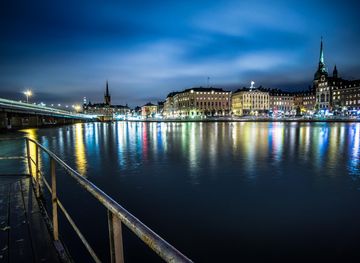
Explore more of Sweden
Discover Sweden's breathtaking landscapes, vibrant cities, and rich cultural heritage. From the Northern Lights to historic castles, experience the essence of Scandinavia.
Explore Sweden