Ekornavallen, Vastergotland Travel Guide
A vast, multi-period burial field near Broddetorp where passage graves, cairns and standing stones record over four millennia of funerary practice.
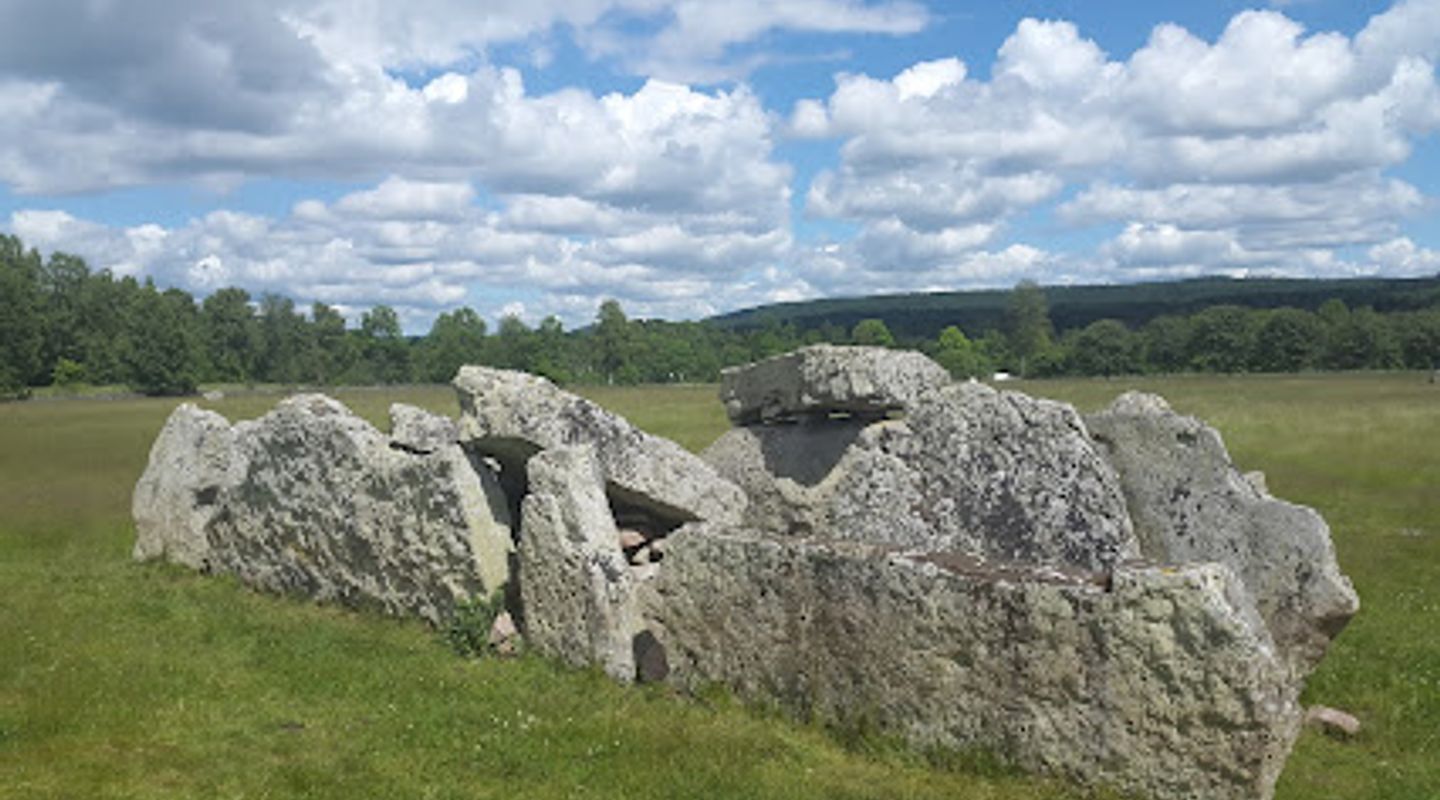
Ekornavallen is a sprawling prehistoric burial ground near Broddetorp, Sweden, with monuments spanning the Neolithic to the Viking Age. The site’s most striking features include a large Neolithic passage grave known as Girommen, Iron Age stone settings, cairns and standing stones aligned across open grassland. Walk the low ridges and you’ll encounter carved slabs, bowl marks and layered funerary features that reveal more than four millennia of ritual landscape use.
A brief summary to Ekornavallen
- Broddetorp, 521 98, SE
- Click to display
- Duration: 0.5 to 2 hours
- Free
-
 Outdoor
- Mobile reception: 3 out of 5

Know before you go
Hi, I'm Eve. Here are a few practical things to know before exploring Ekornavallen.
- Wear sturdy shoes and be prepared for uneven grassy terrain; many monuments are reached across short turf tracks.
- Respect the site: avoid climbing on fragile stone structures and follow any information-board guidance to protect archaeological features.
- Bring a field guide or notes on Scandinavian prehistory to identify passage graves, cairns and cup-marked stones while you explore.
- Visit in early morning or late afternoon for softer light on the stones and fewer other visitors.
Do you manage this location?
Take control to get all the benefits, like improved information, better appearance, and stronger visibility across AI-powered discovery. Learn more about listing your business on Evendo
Activate your presenceOther nearby places you may find interesting
The closest places of the same kind, if this one is not quite what you had in mind.
Explore Ekornavallen on the Map
A handpicked selection of must-see spots near Ekornavallen, mapped for you.
Getting There
-
Car
Private car from Falköping town: typical travel time 15–25 minutes depending on local roads; small roadside parking or laybys may be available but space is limited and surfaces are unpaved, so expect basic parking and possible seasonal mud. No guaranteed paid parking infrastructure; no fee for visiting the field itself.
-
Regional bus + short walk
Regional bus service from Falköping or nearby towns to a stop within approximately 3–6 kilometres of the site, followed by a 30–60 minute walk across rural tracks; bus frequency is limited (several services daily on weekdays), carry exact timetables and warm clothing for exposed sections. Bus fares in the region typically range from 30–80 SEK per journey depending on route and operator.
-
Guided tour or cultural shuttle
Organised cultural tours from nearby museums or heritage providers: typical duration 3–5 hours including other sites; these tours may include a small fee, often in the range 150–400 SEK per person depending on inclusions and seasonality, and operate mainly in spring–autumn.
For the on-the-go comforts that matter to you
-
 Information Boards
-
 Seating Areas
-
 Trash Bins
Discover more about Ekornavallen
Ancestral landscape layered through millennia
Ekornavallen is an extended funerary complex where people buried their dead and marked the landscape for more than 4,000 years. Evidence begins in the Neolithic (around 3300–3000 BCE) and continues through the Bronze and Iron Ages into the Viking period, creating a palimpsest of different grave forms and memorial practices. Scattered across open pasture and low ridgelines are passage graves, cairns, stone circles and standing stones that together read like a long, quiet narrative of changing ritual and community life.Girommen and the big graves
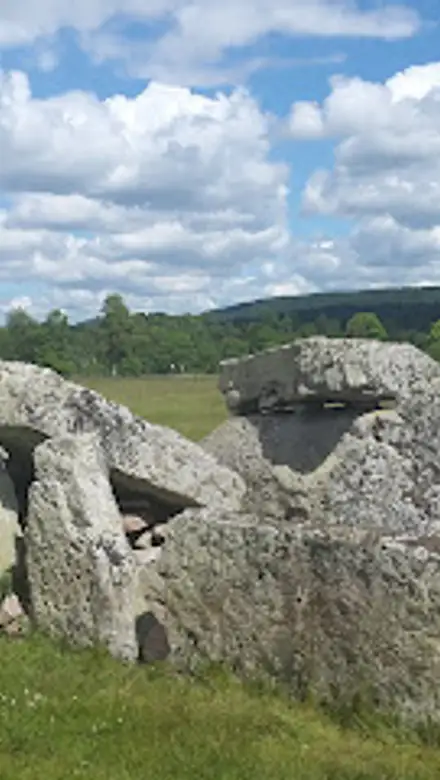
The most visually arresting element at Ekornavallen is the large Neolithic passage grave often called Girommen, a structure defined by heavy sandstone slabs and the remains of a chamber and passage. Nearby lie broad Bronze Age cairns and later Iron Age stone settings; some boulders show cup marks and traces of reuse, suggesting stones were recycled and reinterpreted by successive generations. The visible clusters vary in scale from compact burial pits to metre-high mounds that once carried timber or turf coverings.Patterns in stone: alignment and reuse
Many standing stones and settings trace an almost straight line through parts of the field, an arrangement that has prompted speculation about prehistoric trackways or visual axes. Some stones bear cup marks and smoothing consistent with ancient carving; others were likely repurposed as roof slabs or boundary markers. These patterns of alignment and reuse make the site legible both as discrete monuments and as a deliberately shaped cultural terrain.Texture and atmosphere on the ground
The site feels open and exposed: low grass, occasional gorse and scattered boulders give a stripped, archaic quality to the terrain. On a windy afternoon you’ll hear the scraping of tall grass and the thin ring of stone meeting sky; in spring the turf softens to a deep green and in late summer the lichen on stones brightens to pale yellows. The detailed surfaces of slabs—tool marks, groove scores and shallow hollows—reward close inspection and invite time and quiet to appreciate workmanship lost to millennia.Archaeological traces and finds
Excavations and careful restorations in the 20th century exposed fragments—pottery sherds, small metal and amber fragments, worked flint—that point to long-term ritual use and occasional interments of high status. The mixture of artefacts and structural remains indicates periods of intensive construction separated by long intervals of reuse, which is typical of extensive burial grounds where memory and place-making unfold over centuries.How the site sits in the surrounding countryside
Ekornavallen occupies a gently rolling patch of the Falköping plain, visually connected to other prehistoric monuments in the region. From the highest mounds you can read the agricultural patchwork that has coexisted with these ancient features for centuries. The site’s openness leaves monuments vulnerable to weather and grazing, but it also preserves sightlines and an unobstructed sense of age—stones standing as quiet punctuation marks on a plain shaped as much by human ritual as by natural processes.












Your all‑in‑one travel companion app
Explore expert travel guides, compare and book tours, experiences, hotels, and more—all from the palm of your hand. Download now for seamless trip planning wherever your wanderlust takes you.


Explore More of Vastergotland
Looking beyond Ekornavallen? Discover Vastergotland for broader travel guides, local hot-spots, and regional highlights.
Explore Vastergotland