
Riddarholmen Church (Riddarholmskyrkan)
Stockholm’s medieval brick church turned royal mausoleum, famed for its cast-iron spire and the tombs of Sweden’s monarchs.
A medieval brick church turned royal mausoleum on the islet of Riddarholmen in central Stockholm, Riddarholmen Church dates back to the late 13th century and houses the tombs and memorial chapels of many Swedish monarchs. Notable for its cast-iron openwork spire and richly carved chapels, the church is maintained as a commemorative site rather than a parish church and is typically open to visitors in the warmer months.
A brief summary to Riddarholmen Church
- Birger Jarls Torg 2, Stockholm, 112 28, SE
- Click to display
- Click to display
- Duration: 0.5 to 1.5 hours
- Mid ranged
-
 Outdoor
- Mobile reception: 4 out of 5
- Monday 10 am-5 pm
- Tuesday 10 am-5 pm
- Wednesday 10 am-5 pm
- Thursday 10 am-5 pm
- Friday 10 am-5 pm
- Saturday 10 am-5 pm
- Sunday 10 am-5 pm

Know before you go
Hi, I'm Eve. Here are a few practical things to know before exploring Riddarholmen Church.
- Respect the interior: the floor contains fragile historic tombstones—avoid heavy bags and follow any restrictions about canes or backpacks.
- Check seasonal opening times before you go; general visitor access is usually concentrated in the warmer months and special events may change hours.
- Look for the different royal chapels (Gustavian, Karolinska, Bernadotte) and the coats of arms on the walls to appreciate the church’s role as a royal memorial site.
Do you manage this location?
Take control to get all the benefits, like improved information, better appearance, and stronger visibility across AI-powered discovery. Learn more
Activate your presenceOther nearby places you may find interesting

Getting There
-
Metro and short walk
Take the metro to Gamla Stan station; travel time from central Stockholm transit hubs is typically 10–20 minutes depending on origin, then expect a 5–10 minute walk across the bridge and cobbled streets to the islet. Services run frequently; step-free access at stations varies and cobbles near the church can be uneven, which may affect accessibility. No additional ticket is required beyond local transit fares (single-ride fares in Stockholm city transit area range roughly in the local currency).
-
Bus (local routes)
Use local city buses serving the Old Town and Riddarholmen area; journey times vary from 15–30 minutes from central districts depending on traffic, with regular daytime frequency. Bus stops are a short walk from the church; buses accept city transport cards and single fares in local currency. Note that narrow streets and pedestrian zones near the site mean bus stops are a short walk away and luggage or mobility scooters may require planning.
-
Ferry and walking
A sightseeing or commuter ferry stop near Gamla Stan provides a scenic approach; combined sea-and-walk travel from central quays typically takes 20–40 minutes depending on departure point and service. Ferries operate seasonally with more frequent summer services; fares are payable by city transport card or ticket and vary by operator. Docking points require a short walk across pedestrian areas to the church and may be slippery in wet or icy weather.
For the on-the-go comforts that matter to you
-
 Information Boards
-
 Seating Areas
Discover more about Riddarholmen Church
Origins in a Franciscan priory
Riddarholmen Church began life as the church of a Franciscan (Greyfriars) priory established in the area in the late 1200s; construction of the brick church was well under way by the end of the 13th century and it was largely completed around 1300. Built in brick at a time when stone churches dominated, its medieval fabric—pointed arches, narrow windows and ribbed vaulting in the chancel—still speaks of the austere mendicant order that once used the building.From monastic chapel to royal burial site
Following the Reformation in the 16th century the monastery was dissolved and the church’s role shifted from monastic worship to royal commemoration. Successive centuries saw the addition of royal chapels and elaborate tombs: the Gustavian, the Karolinska and, later, the Bernadotte chapels contain sarcophagi and memorials marking the final resting places of many Swedish rulers and members of the nobility. The interior walls are also punctuated by coats of arms and memorial shields associated with the Order of the Seraphim.Architectural layers and the spire that defines the skyline
The church presents a layered architectural narrative: medieval brickwork and Gothic proportions softened by later Renaissance and Baroque tomb architecture and 19th-century interventions. The most visible landmark is the cast-iron openwork spire—constructed after an earlier wooden spire was destroyed—which gives Riddarholmen Church its distinctive silhouette on Stockholm’s skyline. Inside, funerary art ranging from austere medieval tombstones set into the floor to richly ornamented chapels creates a solemn, museum-like atmosphere.Cultural role and ceremonial details
Though not an active parish church, Riddarholmen retains ceremonial functions: it is managed as a memorial and burial church, and certain ceremonial events—such as bell ringings for knights of the Seraphim—remain part of its life. The building is under the care of royal and state bodies and is used for concerts and special commemorations, reinforcing its dual identity as both sacred space and national monument.Interior highlights and objects of attention
Within the nave and chapels visitors will find a sequence of royal tombs, carved sarcophagi, heraldic shields and memorial plaques. The Gustavian crypt contains the dramatic tomb of Gustav II Adolf, carved in dark veined marble and set with symbolic emblems; other chapels hold Bernadotte-era memorials and family sarcophagi. The floor of the church is an expanse of historic tombstones—delicate and uneven—calling for careful walking and respectful observation.Visiting character and seasonal access
Riddarholmen Church sits on a quiet islet just west of Stockholm’s Old Town and presents a reflective contrast to the busy city nearby. Public visits are commonly concentrated in the warmer months when the site is open more regularly and when guided tours and concerts are scheduled; out of season the church is still visible from outside and is used for specially arranged ceremonies. The exterior restoration work on the spire and maintenance projects can affect how the church looks at any given time, but its historical presence on the islet remains unmistakable.Explore the best of what Riddarholmen Church has to offer













More about Uppland
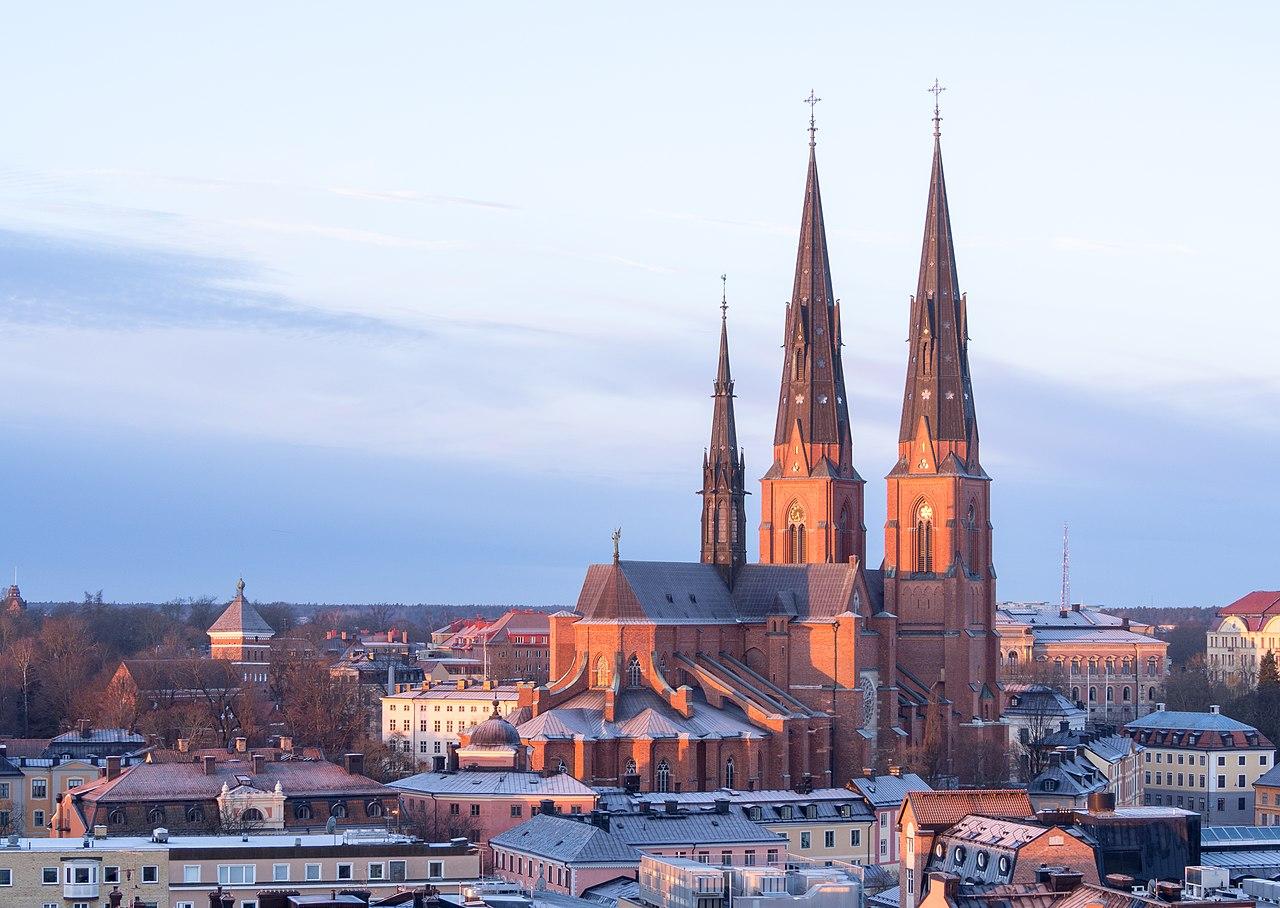
Discover Uppland, Sweden's historic province, with its mix of vibrant cities, serene countryside, ancient Viking sites, and rich cultural heritage.
Tell me more about Uppland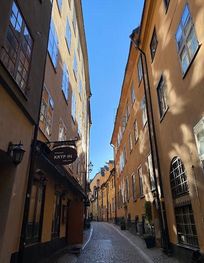
Cobblestone charm in Gamla Stan: Västerlånggatan's historic street buzzes with artisan shops, cozy cafes, and medieval allure in Stockholm's old town heart.
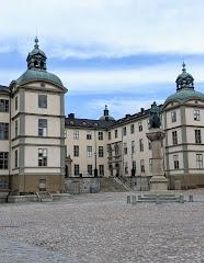
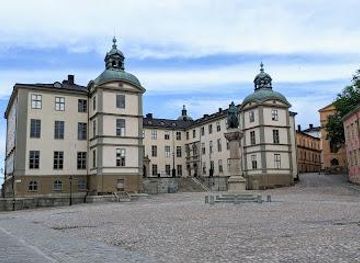
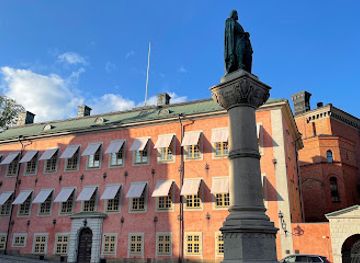
Bronze sentinel honoring Stockholm's legendary founder amid Riddarholmen's palaces and church spires—a timeless nod to medieval might.
