Lejonbacken Travel Guide
Free Guide: Majestic lion-flanked ramps ascending to Stockholm's Royal Palace, unveiling Baroque splendor, panoramic waterways, and medieval depths below.


A brief summary of Lejonbacken
Majestic lion-flanked ramps ascending to Stockholm's Royal Palace, unveiling Baroque splendor, panoramic waterways, and medieval depths below.
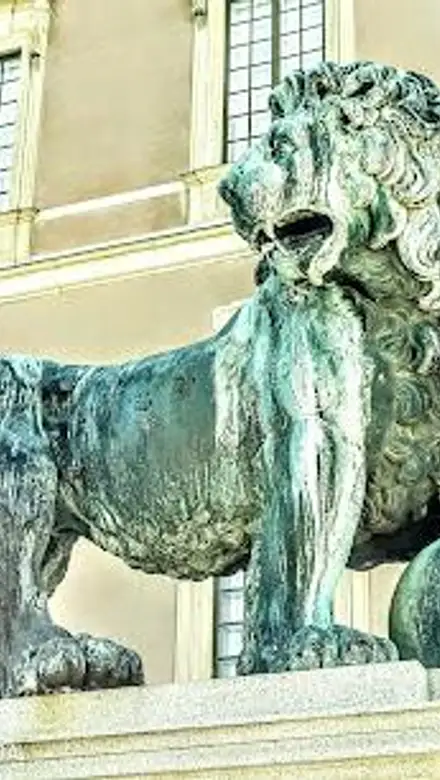
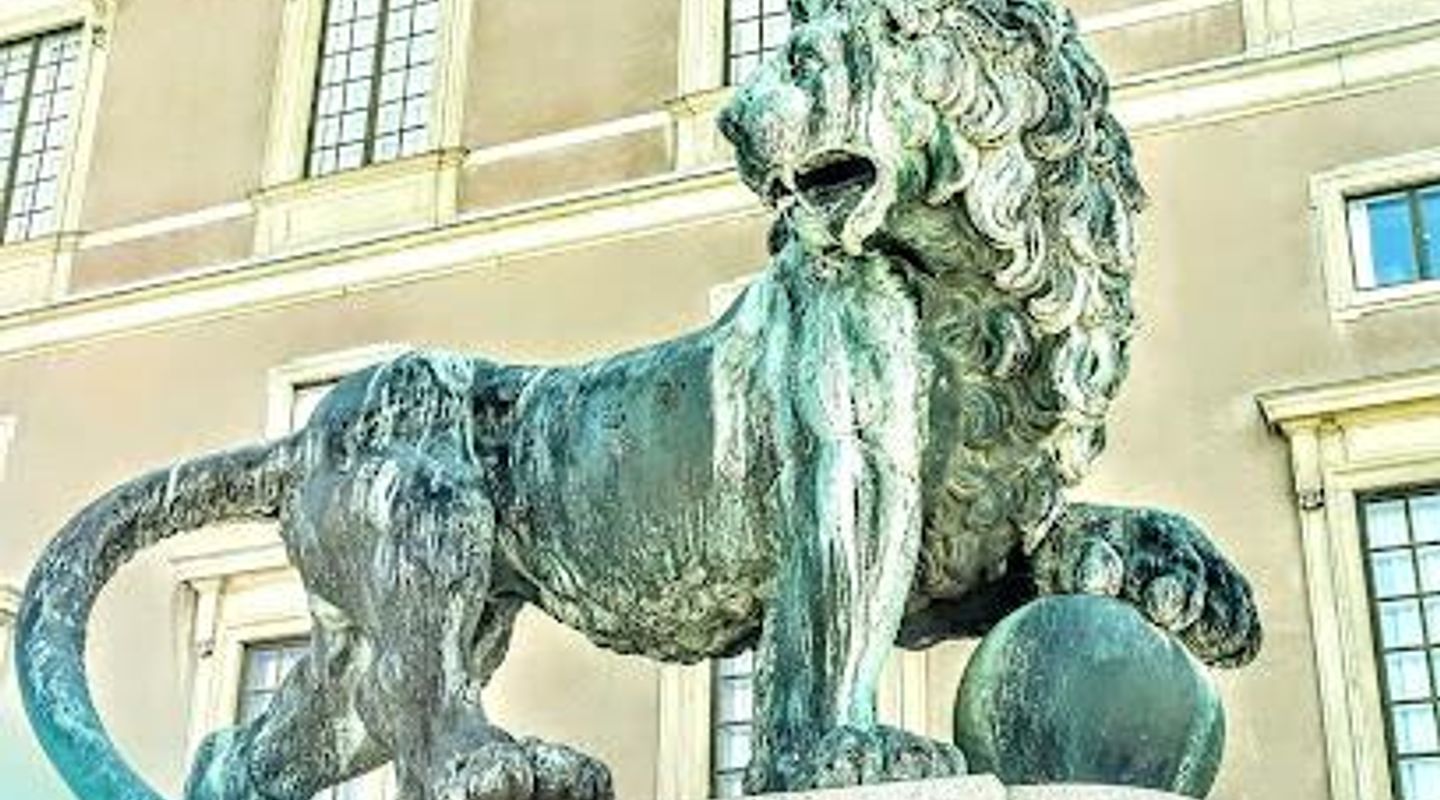
Lejonbacken, the Lion Slope, rises dramatically to the northern entrance of Stockholm's Royal Palace in Gamla Stan. Named for its iconic Medici lion sculptures, this 18th-century Baroque ramp system offers sweeping panoramas of the waterfront, Norrström canal, and city skyline. Beneath lies the Tre Kronor Museum, revealing Viking-era origins and the medieval castle's story. Crafted from local granite, Gotland sandstone, and Kolmården marble, it embodies Sweden's royal grandeur and architectural evolution from 17th-century designs post-Tre Kronor fire.
On-site amenities
 Restrooms
 Drink options
 Food options
 Seating areas
 Trash bins
 Information boards
- Address
- Södermalm, Stockholm
Getting there
Walking
Public Ferry
Metro
Taxi
Discover more about Lejonbacken
Lion-Guarded Ascent to Royalty
Lejonbacken sweeps upward in twin ramps flanking the northern facade of Stockholm's Royal Palace, a monumental Baroque composition completed in stages from the late 17th to mid-19th centuries. Its name derives from the pair of imposing bronze Medici lions perched on stone plinths along the railings, symbols of power sculpted in the style of Renaissance Italy. These guardians frame the central entrance, where towering six-meter granite columns—cut from single blocks—stand as sentinels, evoking the might of Swedish monarchy.The structure integrates seamlessly with the palace, channeling visitors toward its heart while overlooking the Stallkanalen quay below. Eastern and western ramps diverge to connect with Strömbron and Mynttorget, creating a dynamic flow that has defined royal processions for centuries.
Baroque Engineering and Materials
Constructed primarily from Stockholmsgranit, a resilient grey or red stone quarried nearby, Lejonbacken showcases masterful masonry. Finer details employ Gotland sandstone for carvings and Kolmården marble for balustrades and bollards, blending durability with elegance. Original plans by architects like Nicodemus Tessin the Younger envisioned this northern front after the 1697 Tre Kronor fire, with lions installed by 1704 and full completion under Per Axel Nyström in the 1830s.The ramps' vaults and retaining walls, some five meters thick, preserve medieval remnants, linking the site to its fortress origins. Norrbro bridge, extended northward in 1807, complements the design, once planned to reach distant Haga gardens.
Panoramic Vistas Over Stockholm's Waters
From Lejonbacken's elevated platform, gazes extend across the shimmering Norrström to Norrmalm's waterfront, Helgeandsholmen, and the Riksdag buildings. The composition frames Slottskajen canal, where historical views once captured royal stables and old bridges like the vanished Norrbro. Today, it offers unobstructed sights of Stockholm's archipelago essence, with boats gliding under the arches and city spires piercing the horizon.Seasonal light transforms the scene: golden sunsets bathe the lions in warm glows, while winter snow dusts the granite in pristine white, enhancing the dramatic slope.
Gateway to Tre Kronor Secrets
Beneath the ramps hides the Tre Kronor Museum, entered through thick 13th-century defensive walls. This underground space unveils the palace's prehistory, from 10th-century Viking pile dams to the medieval Tre Kronor castle destroyed in 1697. Exhibits feature archaeological finds, brick vaults, historical models, and artifacts like marble columns from Johan III's era, tracing the site's evolution into a grand palace.Inaugurated in 1999, the museum immerses visitors in Stockholm's foundational layers, where fortress gave way to Baroque splendor.
Enduring Symbol of Swedish Power
Lejonbacken embodies Sweden's transition from great power era to modern monarchy, its lions echoing heraldry from Vasa kings onward. Queen Kristina's fabled lion den and legends of royal beasts add mythic allure. As part of daily changing of the guard ceremonies nearby, it pulses with living tradition amid Gamla Stan's cobblestone intimacy.
Evendo Review Centre
 Google
Guest reviews
Best time to go
Quietest: Jan, Feb & Mar · before 8am or from 10pm
Busy times are Evendo estimates for a typical year, to help you plan. Actual crowds vary with events, school holidays and the weather.
Explore Lejonbacken on the map
A handpicked selection of must-see spots near Lejonbacken, mapped for you.
Get your free copy of our complete guide to Lejonbacken, delivered straight to you.
Everything on this page, from opening hours and how to get there to Eve’s tips and the best time to go, in one PDF you can read offline, print or share.
Already have an account? Sign in
Your Lejonbacken guide is ready.
We'll send it to · Not you? Sign out

Getting your guide ready…
We are putting together a fresh copy of the Lejonbacken guide. This can take up to a minute.
This can take a few moments. If your browser asks, choose Allow so the download can start. You'll find the guide in your Downloads folder.
Nothing happened? Download it again
Sorry, the guide is taking longer than usual. Please try again in a minute, or get it by email instead.
Unlock the best of Lejonbacken
Skip-the-line tickets, guided tours with entry, and walking tours of the area, booked in a few clicks.

Other nearby places you may find interesting
The closest places of the same kind, if this one is not quite what you had in mind.
-
-
-
-
-


Swipe for more places
More to explore near Lejonbacken

 Best experiences near Lejonbacken

 Best hotels near Lejonbacken

 Best landmarks near Lejonbacken

 Best attractions near Lejonbacken

 Best shops near Lejonbacken

 Best restaurants near Lejonbacken

 Best bars near Lejonbacken
Do you manage this location?
Take control to get all the benefits, like improved information, better appearance, and stronger visibility across AI-powered discovery.
Explore more

Explore more of Uppland
Discover Uppland, Sweden's historic province, with its mix of vibrant cities, serene countryside, ancient Viking sites, and rich cultural heritage.
Explore Uppland
Explore more of Sweden
Discover Sweden's breathtaking landscapes, vibrant cities, and rich cultural heritage. From the Northern Lights to historic castles, experience the essence of Scandinavia.
Explore Sweden