Free Uppland Travel Guide & Mobile App
Explore Uppland with free travel guides. Discover regional history, expert tips, proposed trips, and audio guides on web or mobile app.


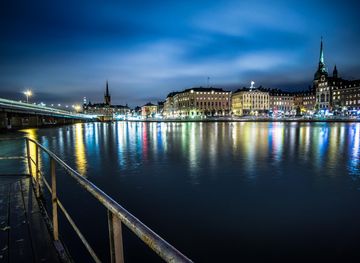
Explore Uppland in Sweden for Uppsala's heritage, Viking-era sites, manor houses, ironworks villages, forests and the Roslagen coast.
Read more about Uppland
When is the best time to visit Uppland?
Best: June–August · 20–22°C| Month | High (°C) | Rainfall (mm) |
|---|---|---|
| January | 1 | 32 |
| February | 1 | 24 |
| March | 5 | 25 |
| April | 9 | 31 |
| May | 15 | 35 |
| June (best) | 20 | 40 |
| July (best) | 22 | 48 |
| August (best) | 21 | 53 |
| September | 17 | 47 |
| October | 11 | 44 |
| November | 5 | 41 |
| December | 2 | 38 |
Getting to and around Uppland
How to get there
Transportation
Top city travel guides in Uppland
The cities of Uppland, and the easiest places to base yourself.
-

-

-


Swipe for more cities
Destinations in Uppland
Resorts, valleys and scenic spots worth a trip of their own.

Swipe for more destinations
Best attractions in Uppland
Uppland's attractions range from major historic institutions to landscapes best explored at a leisurely pace. Uppsala brings together the cathedral, university museums, botanical gardens and the open-air historical setting of Gamla Uppsala. Sigtuna offers medieval remains and a lakeside townscape, while Skokloster Castle provides one of Sweden's most substantial baroque interiors on the shore of Lake Mälaren. Across the northern districts, preserved ironworks such as Lövstabruk explain how forests, waterpower and international trade shaped the region. The Roslagen coast and archipelago add maritime museums, harbour towns, boat excursions and shoreline walks. Nature reserves, forest tracks and bird-rich wetlands provide opportunities for hiking, cycling, canoeing and wildlife observation, with conditions varying markedly between inland plains and exposed islands. Linnaeus-related gardens and countryside sites near Uppsala appeal to visitors interested in botany and scientific history, while family-oriented experiences are concentrated around the larger towns. The region is best approached as a collection of connected cultural and natural landscapes rather than a single attraction circuit.
-
Museum
Vasa Museum
See Vasa — a colossal, beautifully carved 17th‑century warship preserved and displayed in a dramatic purpose‑built museum on Djurgården.
-
 Castle
The Royal Palace
A living baroque palace on Gamla stan’s waterfront — ceremonial rooms, crown jewels, medieval vaults and daily guard ritual in one iconic royal complex.
-
Tourist attraction
Skansen
Step into Sweden's living past at the world's first open-air museum, where historic homes, Nordic wildlife, and festive traditions unfold amid island greenery and city vistas.
-
Park
King's Garden
A compact, event-filled royal garden in central Stockholm — famed for spring cherry blossoms, summer concerts and a winter ice rink.

Best landmarks in Uppland
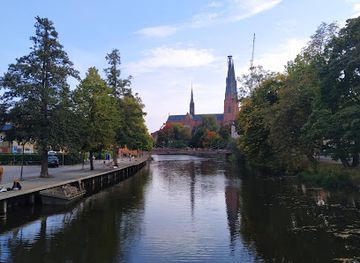
Uppsala Cathedral is Uppland's most recognisable architectural landmark, its red-brick Gothic mass reflecting the medieval importance of the archdiocese and the city. Nearby Uppsala Castle occupies a strategic ridge above the modern centre and symbolises the power of the Swedish monarchy after the Reformation. At Gamla Uppsala, the royal burial mounds and medieval church form a landmark landscape rather than a single monument, linking visible archaeology with the region's earliest royal traditions. Sigtuna's ruined medieval churches and runestones mark one of Sweden's first urban settlements, while Skokloster Castle presents the wealth and ambition of the seventeenth-century nobility. In northern Uppland, Lövstabruk is significant as a planned ironworks community, combining industrial buildings, housing, gardens and an estate setting. The coastline provides a different class of landmark: the harbour town of Öregrund, rocky Roslagen shores and the low islands shaped by ongoing land uplift express Uppland's enduring relationship with the Baltic.
-
Castle
The Royal Palace
A living royal palace in Stockholm: baroque state rooms, medieval vaults and the crown jewels within a working royal residence.
-
Cathedral
Uppsala Cathedral
Sweden's grandest Gothic cathedral: royal tombs, soaring spires, and organs that resonate through 700 years of history in Uppsala's heart.
-
City or town hall
Stockholm City Hall
Discover Stockholm's brick-built icon: grand halls, Nobel legacy, and tower views over the archipelago from this waterfront landmark of Swedish pride.
-
National park
Tyresta National Park and Nature Reserve
Escape Stockholm's hum into southern Sweden's primeval forest paradise: ancient pines, shimmering lakes, and 55 km of trails in a 5,000-hectare wilderness haven.
Explore Uppland on the map
Plan your trip on one map. See where the top cities, national parks and sights are, and book hotels and experiences in a few clicks.
Best hotels in Uppland
Best restaurants in Uppland
Dining in Uppland reflects the region's agricultural plains, freshwater and Baltic coast, as well as its university-city population. Uppsala has the broadest choice, from cafés and bakeries to contemporary restaurants, traditional Swedish cooking and international food shaped by its student and research communities. Around the coast, menus may feature fish and shellfish, while inland kitchens make use of potatoes, game, dairy, berries and mushrooms when in season. Farm shops, food halls and local markets provide opportunities to buy bread, preserves, vegetables and other regional produce, although opening patterns vary outside the towns. Historic inns and rural restaurants are common around manor districts and former ironworks, where meals can complement visits to heritage buildings. Swedish fika remains an important part of the day, with coffee and baked goods served in cafés throughout the region. Alcoholic drinks are regulated nationally, and local beer, cider and spirits may be available in restaurants and licensed producers, while wine is more widely encountered in urban dining rooms than in remote villages.
-
Scandinavian
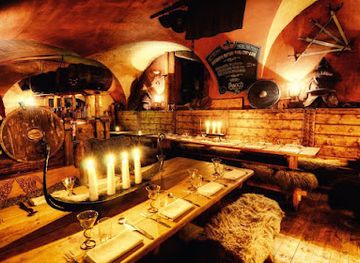
Aifur
Journey to Viking times in Stockholm's Old Town: authentic feasts, mead, and mead in a historic cellar tavern that revives 700-1100 AD Scandinavia with immersive flair.
-
Swedish
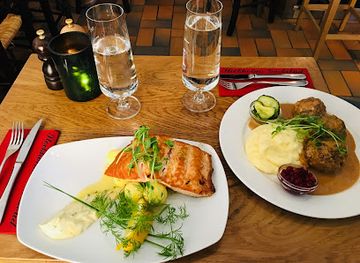
Stockholms Gästabud
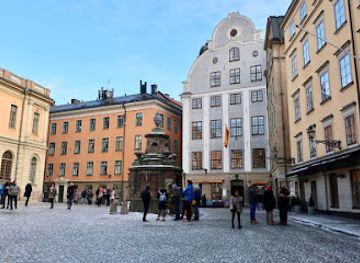
Cozy, traditional Swedish cooking in a compact Gamla Stan dining room—classic meatballs, gravlax and pickled fish near the Royal Palace.
-
American
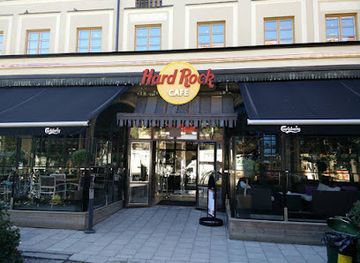
Hard Rock Cafe
Rock your taste buds with legendary burgers, ribs, and live music vibes at Hard Rock Cafe Stockholm—prime city-center spot blending American classics and music memorabilia for unforgettable meals.
-
Fusion restaurant
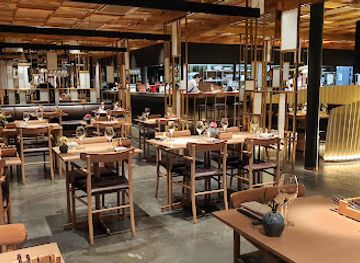
Tak
A multi-level rooftop destination in central Stockholm mixing Nordic ingredients with Japanese technique, panoramic city views and a strong cocktail and sake programme.
Best bars in Uppland
Uppsala has Uppland's most varied evening scene, shaped by its university population, historic centre and year-round cultural calendar. Pubs, beer-focused bars, cocktail rooms, cafés that stay open late and live-music venues are concentrated around the central streets, while student nations provide distinctive social settings with membership and guest arrangements that can change. Sigtuna, Norrtälje and other towns favour traditional pubs, hotel bars, restaurants and occasional live music rather than a large club scene. On the Roslagen coast, summer brings a more active harbour and waterfront atmosphere, but many venues are seasonal. In smaller villages and ironworks communities, evenings generally centre on dining, local events or a pub rather than late-night entertainment. Check current arrangements before travelling, especially outside Uppsala, and remember that Swedish alcohol sales and licensing rules are national rather than particular to Uppland.
-
Bar
Kvarnen
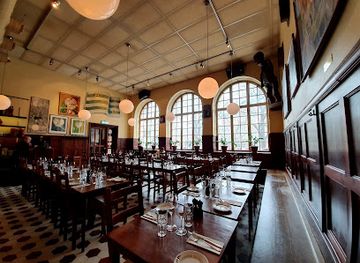
A century‑old Södermalm beer hall serving hearty Swedish classics and an extensive beer selection in a warm, convivial interior.
-
Bar
Tak
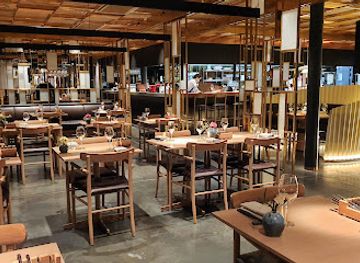
Stockholm’s elevated Nordic–Japanese destination — panoramic rooftop views, seasonal small plates and crafted cocktails above Brunkebergstorg.
-
Cocktail bar
ICEBAR Stockholm by ICEHOTEL
World's first permanent icebar: sip cocktails from frozen glasses in a -5°C Arctic wonderland rebuilt yearly with stunning themes.
-
Pub
Oliver Twist
Sweden's original craft beer haven: 23 drafts, 200+ bottles, real ales, and hearty eats in cozy Södermalm pub vibes since 1993.
Best nightclubs in Uppland
Uppsala has Uppland's most varied evening scene, shaped by its university population, historic centre and year-round cultural calendar. Pubs, beer-focused bars, cocktail rooms, cafés that stay open late and live-music venues are concentrated around the central streets, while student nations provide distinctive social settings with membership and guest arrangements that can change. Sigtuna, Norrtälje and other towns favour traditional pubs, hotel bars, restaurants and occasional live music rather than a large club scene. On the Roslagen coast, summer brings a more active harbour and waterfront atmosphere, but many venues are seasonal. In smaller villages and ironworks communities, evenings generally centre on dining, local events or a pub rather than late-night entertainment. Check current arrangements before travelling, especially outside Uppsala, and remember that Swedish alcohol sales and licensing rules are national rather than particular to Uppland.
-
Night club
Engelen
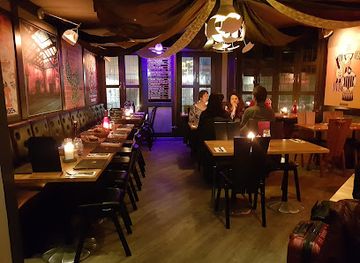
Rustic Gamla Stan tavern serving Swedish köttbullar and plankstek, with live music nightly and a pulsing cellar nightclub amid historic cobblestones.
-
Club
Trädgården
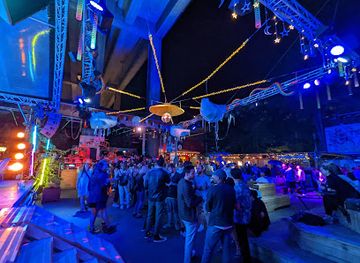
An industrial-chic open-air club under Skanstull bridge where festival energy, DJs and pop-up food meet Stockholm nightlife.
-
Night club
Patricia Restaurang & Nattklubb
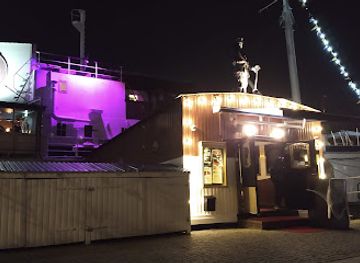
A moored party boat on Södermalm offering multiple bars, live music, karaoke and a summer terrace with skyline vistas.
-
Night club
Lemon Bar
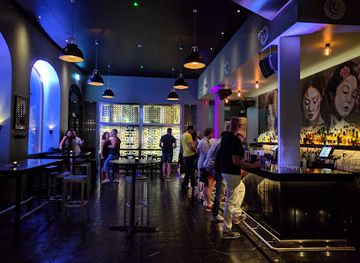
A compact Kungsholmen bar that pairs Asian-fusion bites with cocktails by night and a friendly, schlager-fuelled dance floor into the small hours.

Best shops in Uppland
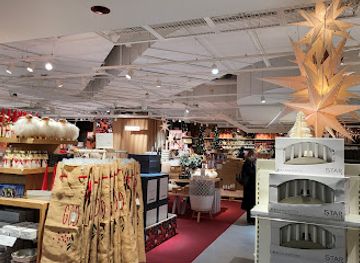
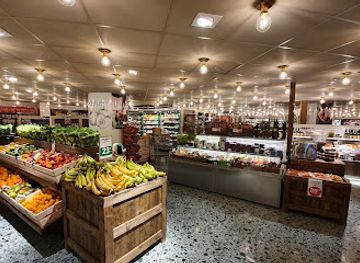
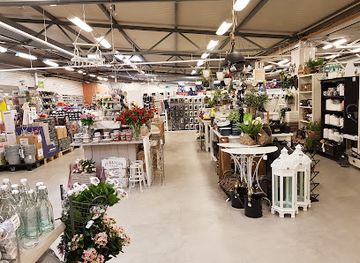
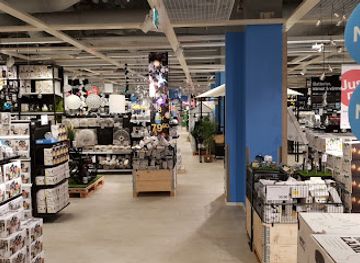
Shopping in Uppland is strongest in Uppsala, where central streets combine national retailers with independent bookshops, design stores, cafés, galleries and shops serving the university community. Sigtuna offers a more compact selection of small lifestyle, craft and food shops within its historic streets, while Norrtälje functions as a practical shopping centre for the Roslagen coast and nearby islands. Rural districts are better suited to farm shops, seasonal produce stalls, antique shops and craft outlets than extensive retail browsing. Around historic estates and ironworks, visitors may find locally made goods, books, textiles or food products, though availability is seasonal and business hours vary. Useful regional purchases include Swedish confectionery and baking, preserves, honey, woollen goods, ceramics and carefully sourced outdoor or maritime crafts. Markets and farmers' stalls can be particularly rewarding in summer and early autumn, but visitors should check dates locally rather than assume that a market operates daily.
-
Department store
Åhléns City
Stockholm’s central, multi-level department store for fashion, beauty, homeware and casual dining on Klarabergsgatan.
-
Department store
NK Stockholm
Stockholm’s iconic luxury department store — historic architecture, curated design, gourmet food halls and signature window theatre in the city centre.
-
Clothing store
Albert Thun AB - Thun's
A large, family-focused Uppland department store with practical variety, bargains and a cosy on-site café, serving Almunge and the surrounding countryside.
-
Home improvement store
Clas Ohlson Sverige
Sweden's trusted fix-it chain: tools, tech, and home hacks for every challenge, right in Uppsala's bustling gallerian.
Get your free copy of our complete guide to Uppland, delivered straight to you.
Everything on this page, from attractions and restaurants to essentials and local phrases, in one PDF you can read offline, print or share.
Already have an account? Sign in
Your Uppland guide is ready.
We'll send it to · Not you? Sign out

Getting your guide ready…
We are putting together a fresh copy of the Uppland guide. This can take up to a minute.
This can take a few moments. If your browser asks, choose Allow so the download can start. You'll find the guide in your Downloads folder.
Nothing happened? Download it again
Sorry, the guide is taking longer than usual. Please try again in a minute, or get it by email instead.
Uppland essentials
Currency and Payment
Safety
Emergency Situations
Do's and Don'ts
Local Tips
From Eve
Local phrases worth knowing
You don't need to get them perfect. A few words go a long way, and locals appreciate the effort.
Basics
| English | Local | Say it |
|---|---|---|
| Hello | Hej | [hey] |
| Goodbye | Hejdå | [hay-daw] |
| Yes | Ja | [yah] |
| No | Nej | [nay] |
| Please/You're welcome | Snälla/Varsågod | [snel-lah/vahr-shoh-good] |
| Thank you | Tack | [tack] |
| Excuse me/Sorry | Ursäkta/Förlåt | [oor-sek-tah/fur-loht] |
| How are you? | Hur mår du? | [hoor mohr doo] |
| Fine. And you? | Bra. Och du? | [bra. ohk doo] |
| Do you speak English? | Talar du engelska? | [ta-lar doo eng-els-kah] |
| I don't understand | Jag förstår inte | [yog fur-stor in-teh] |
Eating & Drinking
| English | Local | Say it |
|---|---|---|
| I'd like to see the menu, please | Jag skulle vilja se menyn, snälla | [yog skool-leh vil-yah seh meh-nyn, snel-lah] |
| I don't eat meat | Jag äter inte kött | [yog eh-ter in-teh shutt] |
| Cheers! | Skål! | [skawl] |
| I would like to pay, please | Jag skulle vilja betala, snälla | [yog skool-leh vil-yah beh-tah-lah, snel-lah] |
Emergencies
| English | Local | Say it |
|---|---|---|
| Help! | Hjälp! | [yelp] |
| Go away! | Gå bort! | [gaw bort] |
| Call the Police! | Ring polisen! | [ring poh-lee-sen] |
| Call a doctor! | Ring en läkare! | [ring en leh-kah-reh] |
| I'm lost | Jag har gått vilse | [yog har got vil-seh] |
| I'm ill | Jag är sjuk | [yog air shook] |
Shopping
| English | Local | Say it |
|---|---|---|
| I'd like to buy... | Jag skulle vilja köpa... | [yog skool-leh vil-yah shur-pah] |
| I'm just looking | Jag tittar bara | [yog tit-tar bah-rah] |
| How much is it? | Hur mycket kostar det? | [hoor my-ket koss-tar deh] |
| That's too expensive | Det är för dyrt | [deh air fur deer-t] |
| Can you lower the price? | Kan du sänka priset? | [kan doo sen-kah pree-set] |
Time & Numbers
| English | Local | Say it |
|---|---|---|
| What time is it? | Vad är klockan? | [vahd air klok-kahn] |
| It's one o'clock | Klockan är ett | [klok-kahn air ett] |
| Half past (10) | Halv (10) | [halv (ten)] |
| Morning | Morgon | [mor-gon] |
| Afternoon | Eftermiddag | [ef-ter-mid-dahg] |
| Evening | Kväll | [kvehll] |
| Yesterday | Igår | [ee-gor] |
| Today | Idag | [ee-dahg] |
| Tomorrow | Imorgon | [ee-mor-gon] |
| 1 | 1 | [ett] |
| 2 | 2 | [två] |
| 3 | 3 | [tre] |
| 4 | 4 | [fyra] |
| 5 | 5 | [fem] |
| 6 | 6 | [sex] |
| 7 | 7 | [sju] |
| 8 | 8 | [åtta] |
| 9 | 9 | [nio] |
| 10 | 10 | [tio] |
Transport & Directions
| English | Local | Say it |
|---|---|---|
| Where's a/the...? | Var är en/den...? | [var air en/den...?] |
| What's the address? | Vad är adressen? | [vahd air ah-dress-en] |
| Can you show me (on the map)? | Kan du visa mig (på kartan)? | [kan doo vee-sah may (poh kar-tahn)?] |
| When's the next (bus)? | När går nästa (buss)? | [nair gorr nes-tah (booss)?] |
| A ticket (to ....) | En biljett (till ....) | [en bee-yett (till ....)] |
History of Uppland
Prehistoric Uppland and the Royal Centre at Gamla Uppsala
Uppland's lowlands were settled and farmed long before written history, and archaeological evidence records Bronze Age communities, iron production and extensive burial landscapes. Gamla Uppsala became an important political and religious centre during the late Iron Age, represented by its monumental royal mounds and later church. Medieval writers connected the site with royal authority and pre-Christian cults, although interpretations of its religious role remain complex. Its location also reflects a changing shoreline: land uplift has transformed what was once a more maritime environment into today's inland plain.
Viking-Age Trade and the Rise of Sigtuna
During the Viking Age, Uppland occupied a strategic position between the Baltic, Lake Mälaren and the interior of Sweden. Sigtuna emerged around the late tenth century as a royal and commercial settlement, producing some of Scandinavia's earliest coinage and attracting craftsmen and traders. Stone runes, church foundations and the town's surviving street pattern reveal the transition from a pre-Christian society to a Christian kingdom. The settlements around the Mälaren shore connected Uppland to wider networks extending across the Baltic and into eastern Europe.
Christianisation and Medieval Uppsala
Christian institutions gradually reshaped Uppland during the eleventh and twelfth centuries. Uppsala became the centre of the archdiocese in 1164, and the cathedral was eventually established at the present city after the older centre at Gamla Uppsala proved less suitable. Construction of Uppsala Cathedral began in the thirteenth century and continued for generations, reflecting the resources and ambitions of the medieval church. Monasteries, parish churches and royal administration strengthened Uppsala's importance within the emerging Swedish state.
The Vasa Monarchy and Uppsala's Political Importance
The sixteenth-century Reformation transformed religious life and transferred much church property to the Swedish Crown. Uppsala remained politically important, and the castle, begun under Gustav Vasa in the sixteenth century, developed as a royal residence and administrative stronghold. The city also hosted the Uppsala Meeting of 1593, which confirmed Lutheranism as the creed of the Swedish Church. The period left a visible legacy in the cathedral, castle and the changing relationship between royal power, church institutions and the university.
Ironworks, Forests and the Industrial Landscape
From the seventeenth century, Uppland became one of Sweden's major iron-producing areas. Water-powered forges and hammers were established where forests supplied charcoal and waterways moved raw materials and finished iron. Estates such as Lövstabruk developed into planned communities combining industrial works, workers' housing, a manor and formal gardens. The iron trade connected Uppland to Swedish export ports and international markets, while shaping settlement patterns across the northern countryside. Many bruk villages still preserve the architecture and landscape of this industrial era.
Science, Education and Modern Regional Change
Uppsala University helped make Uppland a major centre of scholarship, particularly from the seventeenth and eighteenth centuries. Carl Linnaeus, professor at Uppsala, developed influential systems for classifying the natural world and studied the surrounding landscape through excursions and botanical observation. In the modern period, railways, improved roads and the growth of Stockholm's metropolitan area altered settlement and commuting patterns, while Uppsala expanded as a university, research and cultural centre. Coastal communities and former industrial villages retain more specialised maritime and industrial identities.
Uppland in Photos
Browse through our photo collection highlighting the charm and character of the destination.
Neighbouring regions of Uppland
The closest regions to Uppland, if you have time for more than one.
-

-

-

-

-


Swipe for more regions