Sigtuna Town Hall, Uppland Travel Guide
Sweden’s small but storied wooden town hall — a compact 18th-century civic building with original Baroque-era interior detail and a reused tower.
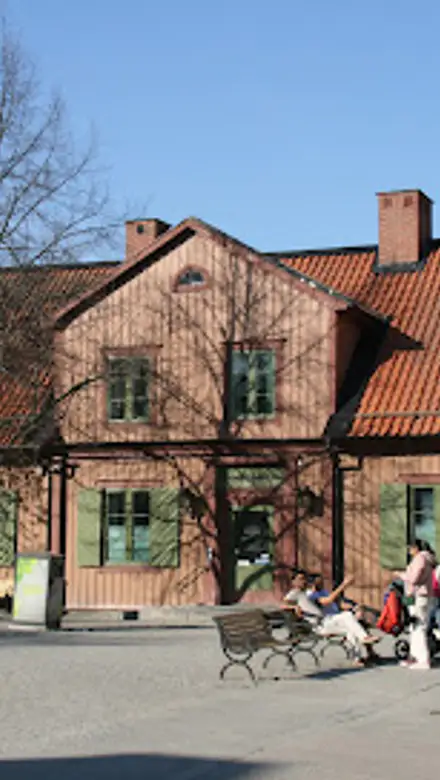
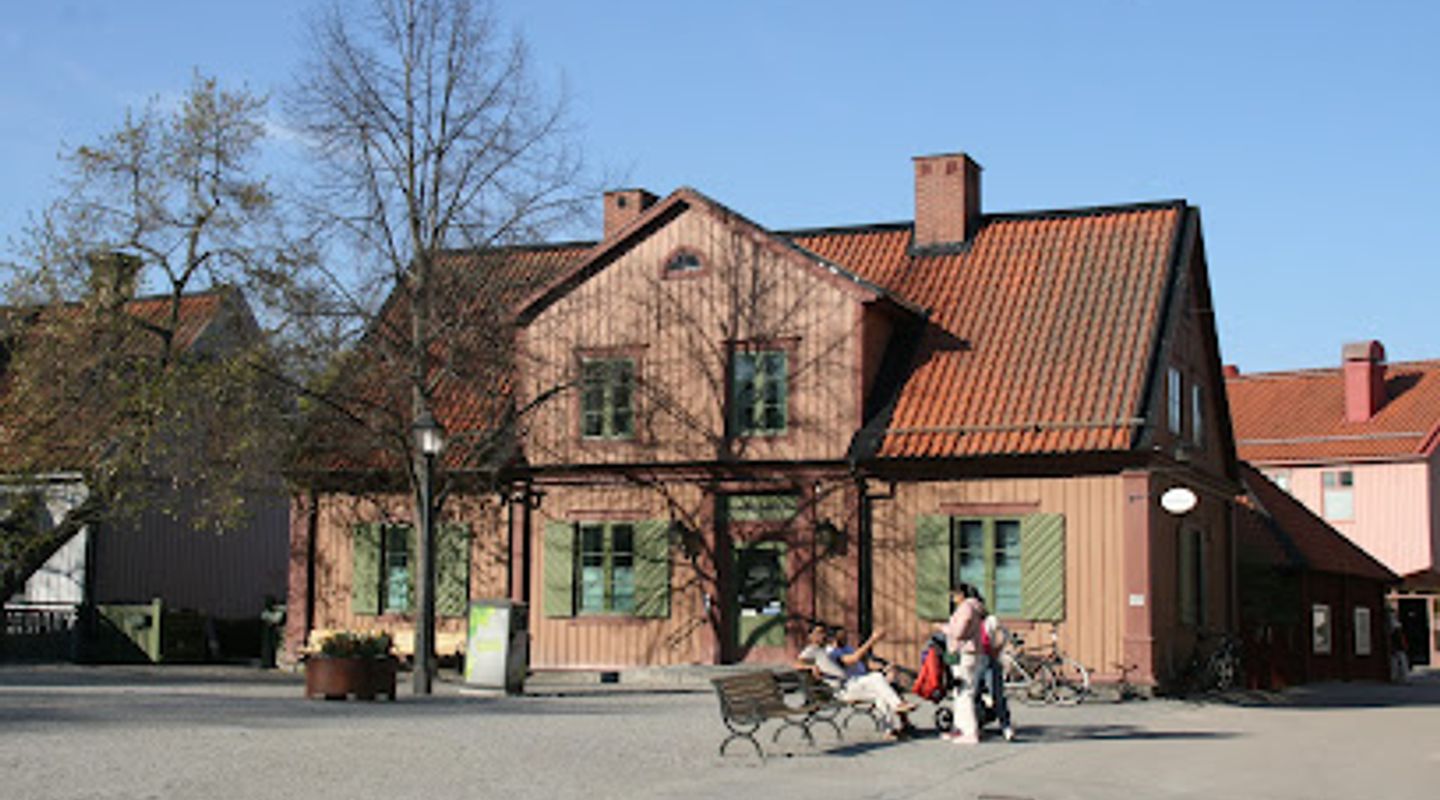
A petite 18th-century wooden town hall on Sigtuna’s main square, Sigtuna Town Hall dates from 1744 and is often described as Sweden’s — and possibly Scandinavia’s — smallest town hall. Intimate interior rooms recall civic life with a council chamber and former guardroom, preserved Baroque furnishings and a tower salvaged from an earlier building; today it sits as a charming historical showcase and occasional wedding venue in the heart of Sweden’s oldest town.
A brief summary to Sigtuna Town Hall
- Stora Gatan 4D, Sigtuna, 193 30, SE
- Click to display
- Click to display
- Duration: 0.25 to 1 hours
- Budget
-
 Outdoor
- Mobile reception: 4 out of 5

Know before you go
Hi, I'm Eve. Here are a few practical things to know before exploring Sigtuna Town Hall.
- Check seasonal opening times before planning a visit; the town hall has limited public hours outside peak summer months.
- Pause at the square to view the town hall’s exterior and tower — its small scale is best appreciated from the pavement where surrounding buildings give context.
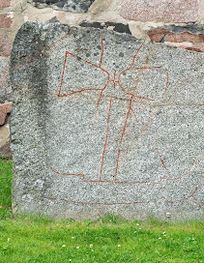
- Combine your visit with nearby runestones, church ruins and the Sigtuna Museum to get a fuller picture of the town’s long history.
Do you manage this location?
Take control to get all the benefits, like improved information, better appearance, and stronger visibility across AI-powered discovery. Learn more about listing your business on Evendo
Activate your presenceOther nearby places you may find interesting
The closest places of the same kind, if this one is not quite what you had in mind.

Explore Sigtuna Town Hall on the Map
A handpicked selection of must-see spots near Sigtuna Town Hall, mapped for you.
Unlock the Best of Sigtuna Town Hall
Buy tickets
-
No tickets available
Book tours with entry


Book tours without entry

Getting There
-
Local bus from Märsta station
Public regional bus service from Märsta station to Sigtuna town centre — travel time typically 15–25 minutes depending on timetables; buses run frequently during daytime but less often early morning or late evening; single-ride ticket approx. SEK 30–70 depending on fare zone and operator, payable by app or card.
-
Train + short bus connection
Regional train to Märsta (from Stockholm or Uppsala) taking ~20–35 minutes, then a connecting local bus to Sigtuna town centre taking 10–20 minutes; combined journey typically 35–60 minutes including transfer; train fares vary by operator and class (approx. SEK 80–200 return depending on advance purchase and discounts).
-
Car from Stockholm or Arlanda area
Driving from nearby Arlanda or Stockholm takes around 20–35 minutes depending on traffic; town centre streets are narrow and parking is limited near the square — short-term paid parking is available nearby and fees depend on location and season (expect SEK 20–40 per hour); the historic centre’s streets are pedestrian-friendly and may restrict vehicle access during events.
For the on-the-go comforts that matter to you
-
 Information Boards
-
 Seating Areas
-
 Visitor Center
Discover more about Sigtuna Town Hall
A compact symbol of civic life
Sigtuna Town Hall is a deliberately small, carefully proportioned wooden building erected in 1744 to serve the administrative needs of a town that predates Stockholm by centuries. Its scale is striking: where municipal palaces elsewhere assert civic power through size, this town hall conveys municipal authority through presence and detail — a two-room plan with a council chamber and what was once a police guardroom. Many original fixtures and Baroque-era furnishings survive, giving a clear sense of how public business and local justice were conducted in a small Swedish community.Materials, thrift and a shifted tower
The building’s fabric tells a story of reuse and local resourcefulness: timbers and fittings from an earlier town hall were incorporated into the new 1740s structure, and a tower salvaged from its predecessor was re-erected here, lending a layered, almost palimpsest quality to the exterior silhouette. The painted wood façades and scaled eaves are typical of the region’s vernacular traditions, while interior woodwork, joinery and painted surfaces reflect mid-18th-century civic taste adapted to a modest budget.Interior character and surprising authenticity
Inside, the larger room — the council hall — is arranged with the kind of modest dignity you’d expect in a small-town seat of government: a raised area for deliberation, benches, and period furnishings that create a theatrical, almost stage-like sense of governance. The former guardroom retains its compactness and historic sense of restraint: a space that once combined holding cells and practical municipal needs now reads as a vignette of everyday life a few centuries ago. Interpretive panels and curated displays add context without overwhelming the original material.A place for ceremony and community memory
While the town hall’s everyday role as an administrative hub ended decades ago, its ceremonial life continues: the building is used for intimate events and weddings, where the small scale transforms ceremony into a private act framed by historic woodwork and period light. The town hall’s presence on the square anchors a cluster of historic streets and runestones, creating a compact historical precinct where layers of Sigtuna’s long past sit close together.Reading the building today
Approach the town hall as an object of craft and social memory: the patina of paint, the careful proportions and the economy of plan are all legible evidence of 18th-century municipal priorities in a small Swedish town. The building rewards close looking — details of joinery, painted surfaces and the juxtaposition of public and penal space — and functions now as a carefully preserved touchstone that links municipal practice to the wider material history of Sigtuna.












Your all‑in‑one travel companion app
Explore expert travel guides, compare and book tours, experiences, hotels, and more—all from the palm of your hand. Download now for seamless trip planning wherever your wanderlust takes you.


Explore More of Uppland
Looking beyond Sigtuna Town Hall? Discover Uppland for broader travel guides, local hot-spots, and regional highlights.
Explore Uppland