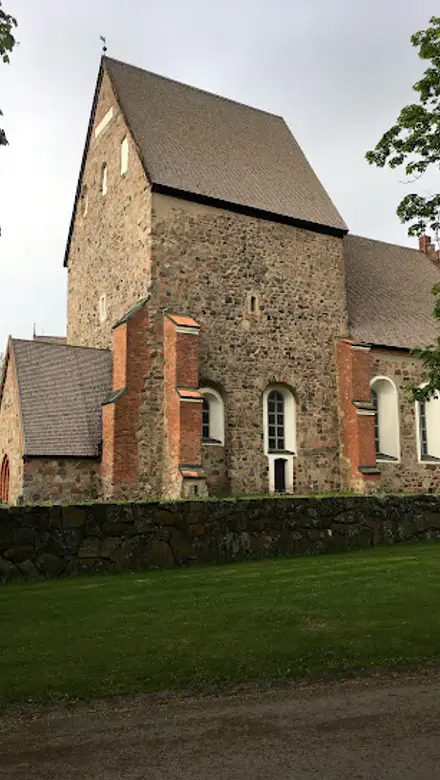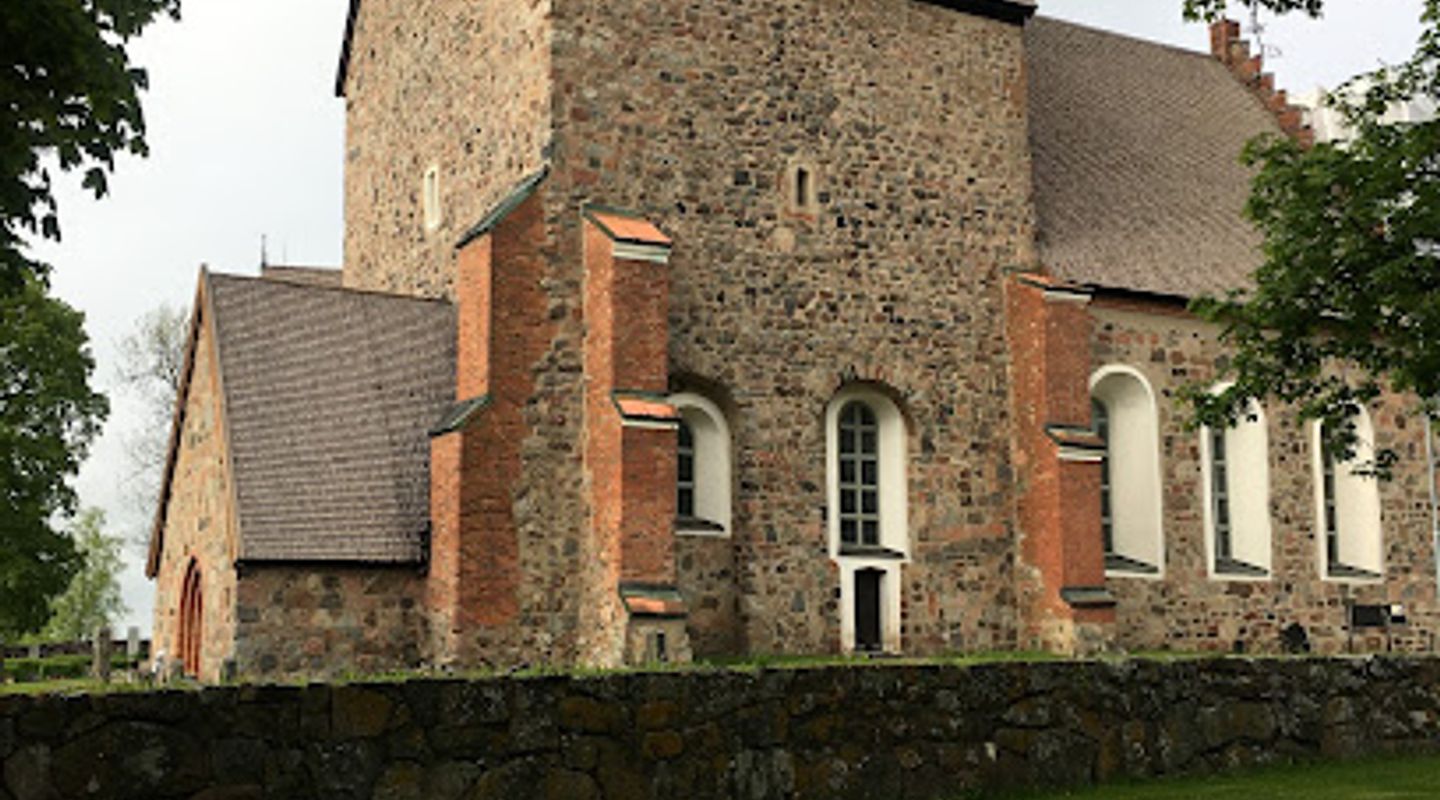
Runenbildsteine Wikingerzeit, Uppsala Travel Guide
Weathered Viking Age runestones on Disavägen — carved memorials that bridge pagan imagery and early Christianity in Uppland.
A cluster of Viking Age runestones set near Disavägen in Uppsala, these carved stones date mainly to the 11th century and carry names, memorial formulas and decorative motifs that bridge Norse pagan imagery and emerging Christian symbols. They are part of Uppland’s extraordinary concentration of runic monuments and offer a tangible link to local families, voyages and beliefs from the Viking era.
A brief summary to Runenbildsteine Wikingerzeit
- Disavägen 8, Uppsala, 754 40, SE
- Duration: 0.25 to 1 hours
- Free
-
 Outdoor
- Mobile reception: 4 out of 5

Know before you go
Hi, I'm Eve. Here are a few practical things to know before exploring Runenbildsteine Wikingerzeit.
- Treat the stones with care: do not touch fragile carved surfaces where signs warn, and avoid leaning on or climbing the monuments.
- Bring a camera with a macro option for detail shots and a small notebook—lighting at oblique angles reveals shallow runes best.
- Check for information boards nearby that summarise inscriptions and historical context; many stones have recorded transcriptions.
Do you manage this location?
Take control to get all the benefits, like improved information, better appearance, and stronger visibility across AI-powered discovery. Learn more about listing your business on Evendo
Activate your presenceOther nearby places you may find interesting
The closest places of the same kind, if this one is not quite what you had in mind.


Explore Runenbildsteine Wikingerzeit on the Map
A handpicked selection of must-see spots near Runenbildsteine Wikingerzeit, mapped for you.
Getting There
-
Local bus
Regional city bus from Uppsala central hub to a stop within 2–3 km of Disavägen; typical journey time 15–25 minutes depending on route and traffic, services run at frequent intervals on weekdays but may be less frequent evenings and Sundays; single-ride fares typically charged in Swedish krona with contactless card or mobile payment accepted, expect approximately 30–50 SEK per adult.
-
Taxi or ride-hail
Taxi from Uppsala city centre to Disavägen takes about 10–20 minutes depending on traffic; fares vary by operator but typical meter cost is roughly 120–250 SEK; note that peak-hour traffic can increase journey time and price, and some smaller taxis require advance booking.
-
Cycling
Bicycle ride from central Uppsala is practical and typically takes 15–30 minutes depending on route and rider; terrain is flat with paved cycle lanes for much of the approach, but weather can affect comfort and there may be limited dedicated cycle parking immediately beside some stones.
For the on-the-go comforts that matter to you
-
 Information Boards
-
 Seating Areas
-
 Trash Bins
Discover more about Runenbildsteine Wikingerzeit
What these stones are and why they survive
Runestones are upright slabs of local stone that were carved during the Viking Age with runic inscriptions and often decorative serpent or cross motifs. Many in Uppland were raised in the 10th–11th centuries as memorials commissioned by relatives to commemorate the dead, record journeys or assert inheritance; others mark territorial or ritual sites. Their survival owes to hard-wearing stone, periodic reuse and later antiquarian interest that rescued dozens of stones from plough and wall into curated settings.Art, language and the meeting of faiths
The carved runes combine a written message with vivid ornament: interlaced animals, serpent bands and occasionally ships or weapons. Several stones in the region show Christian crosses alongside older iconography, reflecting a period when runic literacy and Christian belief overlapped in everyday life. The inscriptions preserve personal names, kinship terms and short formulas — direct, human traces of a society where memory and reputation were carved for posterity.What you will notice at close range
Up close the work is tactile: shallow grooves that follow twisting lines, weathered edges softened by centuries of rain, and tool marks that reveal how carvers chased designs across granite and gneiss. Letter forms vary — some are crisp and formal, others irregular and compact — hinting at different carvers and local styles. Lichen and moss colonize sheltered hollows, lending a muted palette of greys and green to surfaces that were once regularly painted or oiled to increase contrast.Local significance and landscape context
These stones belong to Uppland, the region with the planet’s highest concentration of runic monuments; many were originally sited beside roads, bridges or assembly places so they could be read by passersby. In the local landscape they served as durable statements of commemoration, ownership and social ties. Even when relocated for preservation, each stone carries the imprint of a specific family story or event — a waypoint between present-day Uppsala and the networks of kin, trade and travel that shaped the Viking Age.Conservation, interpretation and visible clues
Conservators stabilise fragile faces, mount fragments where feasible and record inscriptions for study; some fragments have been reassembled while others remain in situ. Look for carved crosses, rune bands and name phrases such as ‘‘X raised this stone in memory of Y’’. Photographs or small labels often accompany stones in curated settings; the patina and repair scars can be as telling as the carved lines themselves.How to read the stones without specialist training
You don’t need to learn runes to appreciate these pieces: start by tracing the main decorative band, identify any obvious pictorial motif (cross, animal, ship) and then note any single repeated personal name — those are memorial markers. Imagine the stone standing beside a road a thousand years ago, visible to travellers and neighbours; doing so often makes the inscriptions read less like cryptic marks and more like deliberate, public messages left by people for their community.More to explore near Runenbildsteine Wikingerzeit













Your all‑in‑one travel companion app
Explore expert travel guides, compare and book tours, experiences, hotels, and more—all from the palm of your hand. Download now for seamless trip planning wherever your wanderlust takes you.


Explore More of Uppsala
Looking beyond Runenbildsteine Wikingerzeit? Discover Uppsala for broader travel guides, local hot-spots, and regional highlights.
Explore Uppsala
A richly decorated 1887 Beaux‑Arts centrepiece of Uppsala University—ceremony, scholarship and preserved 19th‑century interiors in the heart of University Park.

Medieval church atop Viking temple grounds: where pagan blots yield to pilgrim prayers amid Uppsala's ancient royal mounds.