Täby Kyrka
Step into 13th-century Uppland at Täby Kyrka, where Albertus Pictor's unrestored frescoes dance across vaults in biblical splendor and a runestone whispers Viking echoes.
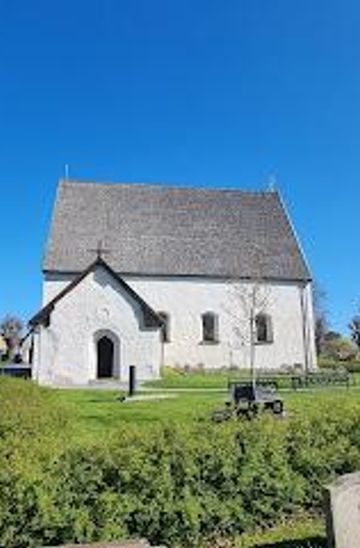
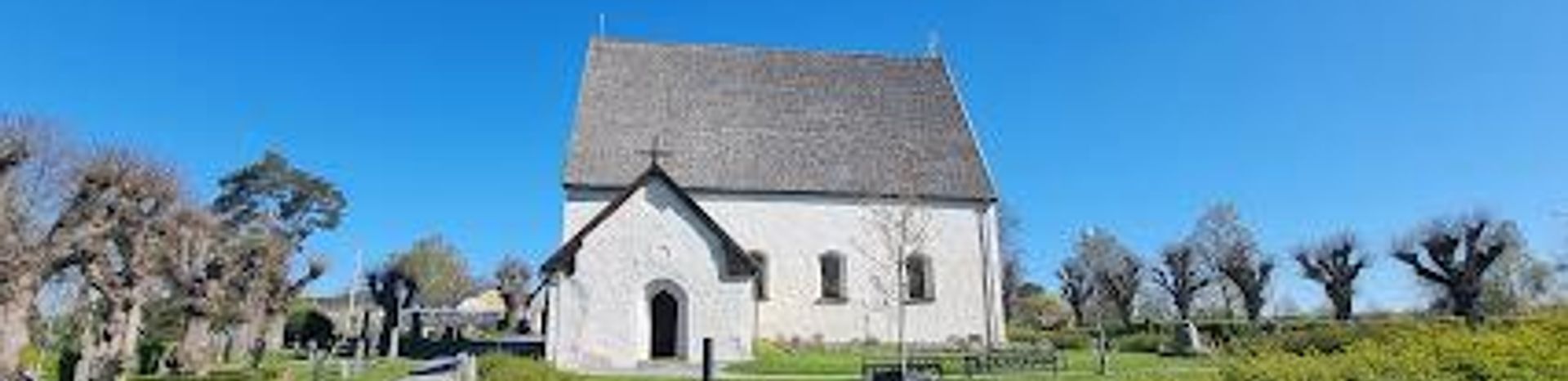
Täby Kyrka stands as a medieval gem in Täby, north of Stockholm, renowned for its exceptionally preserved frescoes by Albertus Pictor from the 1480s. Built in the late 13th century as a hall church, it features vaulted ceilings adorned with vivid biblical scenes, including the rare chess game with Death. A runestone embedded in the porch and a 15th-century altarpiece add to its historical depth, offering a serene portal to Sweden's medieval heritage amid tranquil surroundings.
A brief summary to Täby Kyrka
- Kyrkvägen 7-9, Täby, 187 70, SE
- Click to display
- Click to display
- Duration: 0.5 to 1.5 hours
- Free
-
 Outdoor
- Mobile reception: 5 out of 5
- Monday 8 am-4:30 pm
- Tuesday 8 am-4:30 pm
- Wednesday 1 pm-4:30 pm
- Thursday 8 am-4:30 pm
- Friday 8 am-4:30 pm
- Saturday 10 am-5:30 pm
- Sunday 9 am-4 pm

Know before you go
Hi, I'm Eve. Here are a few practical things to know before exploring Täby Kyrka.
- Examine the Death chess fresco closely; its rarity inspired cinematic legend and symbolizes life's fleeting game.
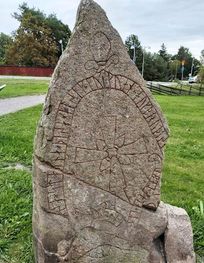
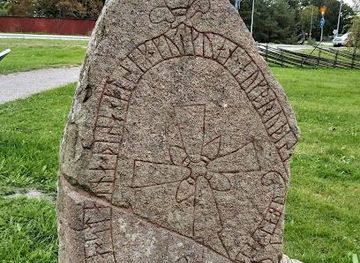
- Trace the runestone in the porch wall for a tangible Viking link to Jarlabanke's era.
- Visit midweek mornings for quiet reflection amid the vivid colors before crowds arrive.
- Note the altarpiece's Golgotha details and pulpit's royal provenance from Stockholm's lost castle.
Do you manage this location?
Take control to get all the benefits, like improved information, better appearance, and stronger visibility across AI-powered discovery. Learn more
Activate your presenceOther nearby places you may find interesting
Getting There
-
Bus
Roslagsbanan train to Täby Kyrkby station, then 10-minute walk on flat paths; frequent services from Stockholm center take 25-35 minutes, adult fare 35-40 SEK.
-
Car
Drive from Stockholm via Roslagsvägen, 20-30 minutes for 18 km; limited street parking nearby, no dedicated lot, avoid peak service times.
-
Bicycle
Cycle from Täby centrum on dedicated paths, 10-15 minutes over easy terrain; bike racks available near entrance, suitable year-round.
-
Walking
From Täby Galeria shopping area, 25-35 minute stroll on sidewalks and minor roads, paved and accessible but longer in winter snow.
For the on-the-go comforts that matter to you
-
 Restrooms
-
 Seating Areas
-
 Information Boards
-
 Trash Bins
Discover more about Täby Kyrka
Medieval Foundations and Evolution
Täby Kyrka emerged in the second half of the 13th century as a rectangular hall church, or salkyrka, with a unified nave and chancel under a simple wooden roof. This early design reflects the architectural norms of Uppland's parish churches around 1280, serving a unified socken community centered on Täby kyrkby. A vestry appeared in the 14th century, followed by a porch between 1425 and 1460, where a Viking-era runestone (U 133) was immured into the wall, linking the site to the region's pre-Christian past dominated by figures like Jarlabanke.Vivid Frescoes by Albertus Pictor
The church's vaults and walls burst with frescoes executed by Albertus Pictor in the 1480s, following a mid-15th-century fire that prompted vaulting over the original flat ceiling. These 66 biblical scenes, drawn from Biblia Pauperum, remained uncovered—unlike many of Pictor's works whitewashed in later centuries—preserving ochre, red, and green hues amid floral and vegetal motifs. Standouts include the Crucifixion paired with the Sacrifice of Isaac, Noah's drunkenness, Jonah spewed by the whale, and the iconic man checkmated by Death in a chess game, a motif echoed in Ingmar Bergman's The Seventh Seal.Sacred Furnishings and Artistic Legacy
Dominating the chancel is a late-15th-century altarpiece depicting the Golgotha scene with St. Olof flanking Christ, possibly German-made or influenced. The 1630s pulpit, crafted by Dutchman Kasper Panten as a gift from Karl XI, originated in Stockholm's Tre Kronor chapel, its ornate carvings evoking royal devotion. Grace Throne in the chancel portrays God cradling the dead Christ, Mary's death, and the Ascension, weaving Old and New Testament narratives into a theological tapestry that filled every space with late Gothic exuberance.Restoration and Enduring Presence
Comprehensive restoration in 1994 unveiled the frescoes' full splendor, removing plaster to reveal Pictor's technical mastery and narrative richness. The church, protected under cultural heritage laws, maintains its medieval core amid subtle modern adaptations, like 1929 northern steps. Surrounded by a graveyard with 15th-century southern steps and a 1763 bell tower replacement, it anchors Täby kyrkby as the spiritual heart from Viking times through the Middle Ages, when plagues and wars halved the population before recovery.Cultural and Theological Depth
Albertus Pictor's oeuvre here excels for preservation and complexity, connecting typological scenes like the Red Sea parting with baptismal themes. The fear of empty spaces drove dense decoration, from tumbling figures in waves to ashamed sons veiling Noah. This visual sermon, never overpainted, invites contemplation of mortality, salvation, and divine order, cementing Täby Kyrka as a pinnacle of Swedish medieval art amid Uppland's ancient landscape.Explore the best of what Täby Kyrka has to offer













More about Uppland
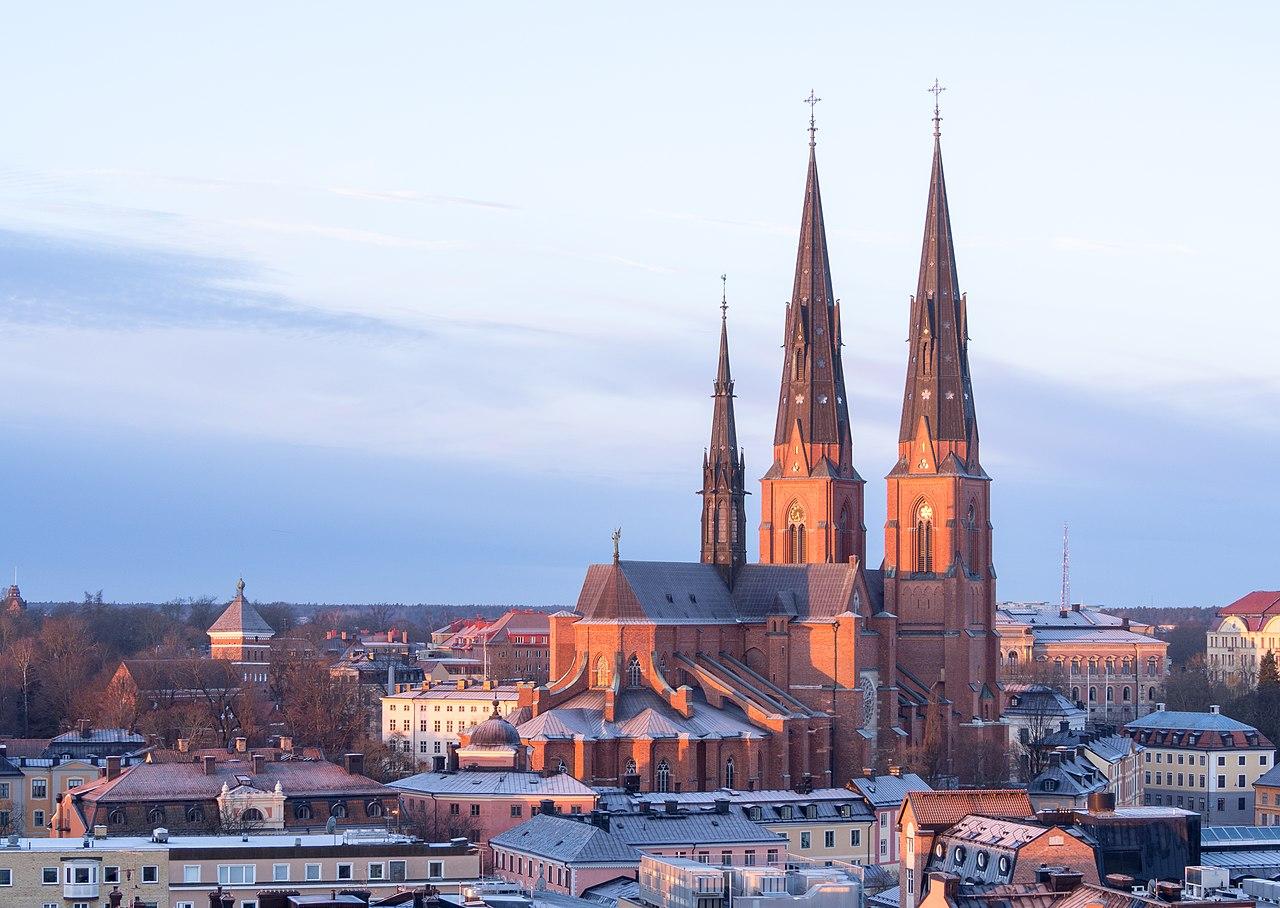
Discover Uppland, Sweden's historic province, with its mix of vibrant cities, serene countryside, ancient Viking sites, and rich cultural heritage.
Tell me more about Uppland