Mörby Castle, Varmland Travel Guide
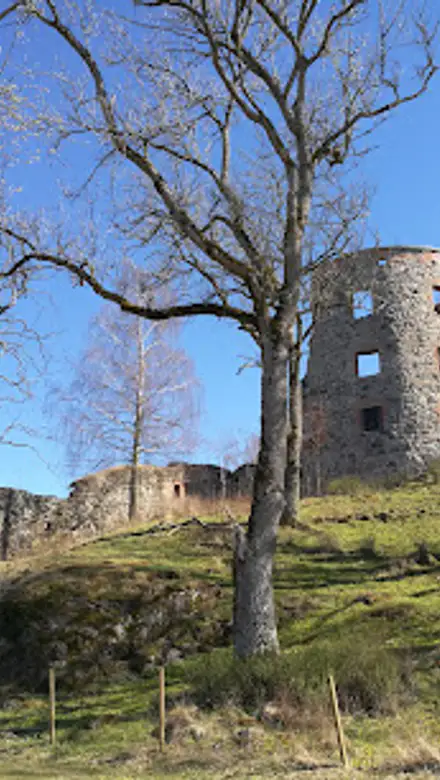
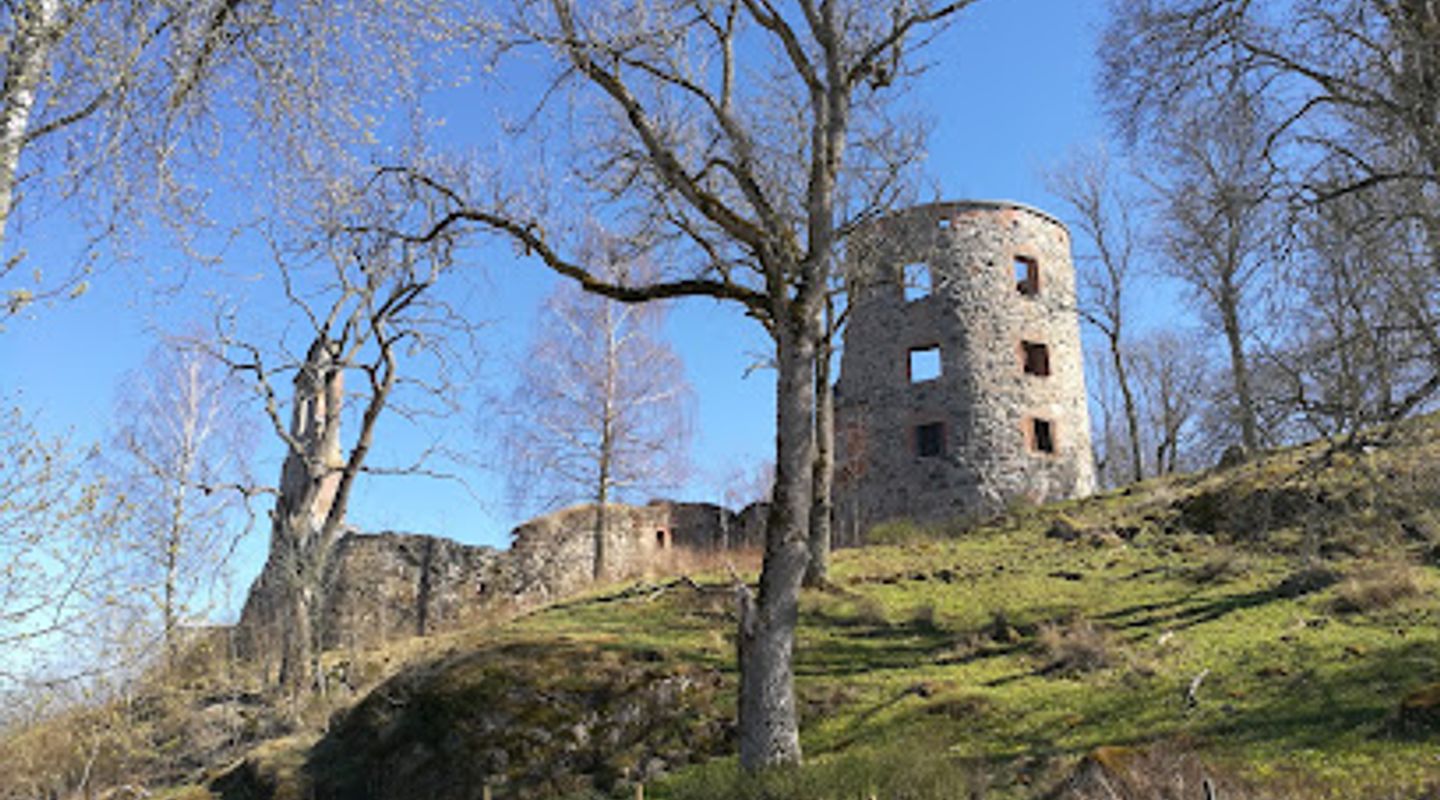
A serene Renaissance ruin in the Rånäs landscape—mossed stone walls, low towers and quiet fields that keep centuries of manor-house memory.
A windswept Renaissance ruin tucked into the cultivated fields and small woods near Rånäs, Mörby Castle began as a medieval manorial site and was transformed in the 1500s into an elegant fortified residence. Today its crumbling stone walls, low towers and grassy interior form a quiet, atmospheric ruinscape that evokes layered centuries of noble ownership, decay and local legend.
A brief summary to Mörby Castle
- Mörby Gård, Rånäs, 762 96, SE
- Click to display
- Duration: 0.5 to 2 hours
- Free
-
 Outdoor
- Mobile reception: 3 out of 5

Know before you go
Hi, I'm Eve. Here are a few practical things to know before exploring Mörby Castle.
- Wear sturdy footwear; surfaces inside and immediately around the ruin are uneven flagstone and rubble.
- Bring water and weatherproof layers—the site is exposed and has limited shelter in wind or rain.
- Respect fragile masonry: do not climb on remaining walls or remove stones; the ruin is an archaeological resource.
- Visit at different times of day—early morning and late afternoon light emphasise the texture of the stone and the surrounding fields.
Do you manage this location?
Take control to get all the benefits, like improved information, better appearance, and stronger visibility across AI-powered discovery. Learn more about listing your business on Evendo
Activate your presenceOther nearby places you may find interesting
The closest places of the same kind, if this one is not quite what you had in mind.
Explore Mörby Castle on the Map
A handpicked selection of must-see spots near Mörby Castle, mapped for you.
Getting There
-
Car
Private car: typical travel time from central Rimbo or local towns is around 20–30 minutes depending on route and local roads; parking is informal near the nearby farm lanes and small parking clearings, which may be limited at busy times and is unpaved; no paid lot—free access but vehicle suitability varies with weather (mud in wet seasons).
-
Regional bus + walk
Regional bus services connect larger towns in the Roslagen area to stops near Rånäs; total journey time from a regional hub typically ranges 35–60 minutes including a 10–25 minute walk over farm tracks to the ruin; service frequency may be infrequent outside weekday daytime hours and schedules are seasonal—check local timetables before travel; fares are paid with local transit tickets or card and normally cost in the low tens of SEK per person.
-
Taxi / Rideshare
Taxi from nearby towns or stations typically takes 15–25 minutes; direct drop-off near the farm lanes is possible but availability varies in rural areas and fares are generally 200–500 SEK depending on pickup point and time of day; evening and weekend surcharges may apply.
For the on-the-go comforts that matter to you
-
 Seating Areas
-
 Information Boards
Discover more about Mörby Castle
Origins and aristocratic transformation
Mörby began as a medieval manorial centre whose ownership and fortunes shifted through marriage and noble purchase; by the 16th century Gabriel Kristiernsson Oxenstierna enlarged the estate into a Renaissance castle that, in its heyday, was counted among the grand houses of the province. The surviving masonry, foundations and fragments of towers preserve that sequence – a medieval core refashioned into a more embellished, fortified residence during the period when Uppland’s landowning families consolidated status through stone architecture.Slow decline and the ruin we see
From the 17th and 18th centuries the house passed through owners and financial strain; partial dismantling, removal of valuable roofing material and deliberate neglect reduced the building to its present ruined outline. The absence of a continuous roofline and the weathered faces of the walls tell the story of gradual disassembly rather than a single catastrophic event, and fragments of dressed stone and mortar show where rooms, staircases and defensive elements once stood.Landscape and setting
The ruin sits amid rolling cultivated land, fields and patches of secondary woodland typical of the Roslagen–Uppland fringe. Approaching the site you notice the horizon line punctuated by low towers and lichen-streaked masonry; within the ruin a grassy interior collects leaf litter and spring wildflowers, providing a calm, rural counterpoint to the monument’s stoic stonework. Nearby historic farmsteads and the broader estate environment place the ruin within a network of manorial sites and industrial-era holdings.Material traces and archaeological interest
Visible masonry, foundation trenches and reused building stone point to several building phases; some dressed blocks were quarried and shaped when the castle received its Renaissance upgrades, while smaller rubble infill and later stone robbing indicate later reuse. These physical traces are valuable for local archaeology and for understanding construction techniques and the sequence of occupation at a modest regional seat of power.Local stories and memorable details
The place is threaded with local legends and traditional attributions that link the site to earlier strongholds and to the families who owned it for generations. Whether mentioned as a grand house that declined under economic pressure or as a setting for rural folklore, the ruin invites quiet imagination: birds nesting on a windowsill, the sound of wind over long grass, and the human scale of rooms now open to the sky.Visitor character and what to expect on-site
Mörby Castle Ruin is a contemplative, low-key heritage fragment rather than an active museum: expect open-air exploration, uneven stone surfaces and limited built facilities. The atmosphere emphasizes texture and time—sunlit masonry, damp moss in deeper wall shadows and seasonal changes in colour. The site is best appreciated by those curious about architectural fragments, rural estate landscapes and the lived traces of centuries of local history.












Your all‑in‑one travel companion app
Explore expert travel guides, compare and book tours, experiences, hotels, and more—all from the palm of your hand. Download now for seamless trip planning wherever your wanderlust takes you.


Explore More of Varmland
Looking beyond Mörby Castle? Discover Varmland for broader travel guides, local hot-spots, and regional highlights.
Explore Varmland
A small cast‑metal tram post on Sysslomansgatan that quietly marks where Uppsala’s streetcars once ran through the neighbourhood.

Timeless Swedish manor by Lake Syningen: from Oxenstierna nobility to serene Adventist school, blending history, architecture, and tranquil lakeside parklands.