

Free Värmland Travel Guide & Mobile App
Explore Värmland with free travel guides. Discover regional history, expert tips, proposed trips, and audio guides on web or mobile app.


Explore Värmland’s forests, Lake Vänern shores, literary homes, canoe routes and welcoming towns in western Sweden.
Read more about Värmland
When is the best time to visit Värmland?
Best: June–August · 20–23°C| Month | High (°C) | Rainfall (mm) |
|---|---|---|
| January | 1 | 40 |
| February | 1 | 35 |
| March | 5 | 30 |
| April | 10 | 35 |
| May | 16 | 40 |
| June (best) | 20 | 50 |
| July (best) | 23 | 60 |
| August (best) | 22 | 60 |
| September | 17 | 55 |
| October | 10 | 50 |
| November | 4 | 45 |
| December | 1 | 40 |
Getting to and around Värmland
How to get there
Transportation
Top city travel guides in Värmland
The cities of Värmland, and the easiest places to base yourself.
-

-


Swipe for more cities
Best attractions in Värmland
Värmland’s attractions are spread through a landscape of lakes, forests, river valleys and industrial communities. Karlstad offers museums, galleries, riverside walks and Mariebergsskogen, a city park with natural and family-oriented features. Around Sunne, Mårbacka provides a carefully preserved literary setting connected with Selma Lagerlöf, while Rottneros Park combines gardens and sculpture. Arvika’s Rackstadmuseet introduces the artists who settled around Lake Racken and helped create one of Sweden’s notable artistic communities. For outdoor travellers, Glaskogen Nature Reserve has marked walking routes, campsites and canoeing opportunities, and the northern uplands around Hovfjället and Branäs support hiking, skiing and mountain biking. Lake Vänern brings beaches, boating, fishing and birdlife to the southern part of the region, with the shoreline changing from open water to sheltered bays and islands. Former ironworks, mining settlements and engineering museums explain the industrial history of inland Värmland, while theatres, local galleries and seasonal cultural programmes add depth beyond the natural scenery.
-
Park
Mariebergsskogen
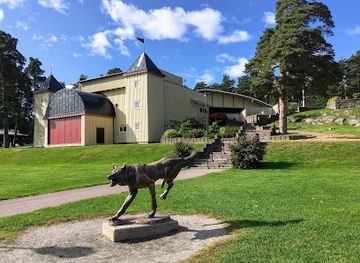
Karlstad's 78-hectare woodland paradise: farm animals, beaches, playgrounds, theater, and year-round nature magic just steps from the city.
-
Shopping mall
Charlottenbergs Shoppingcenter Nord
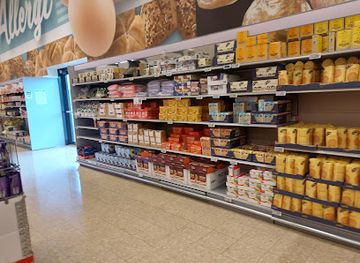
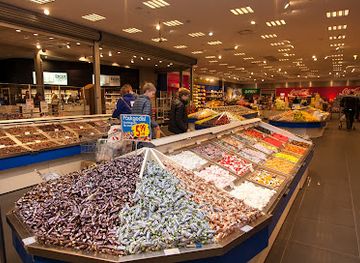
A practical, full‑service borderland mall with wide choice, family amenities and long hours — built for shopping, stocking up and convenient dining.
-
Shopping mall
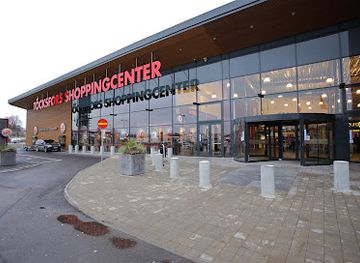
Töcksfors Shoppingcenter
Practical, value-focused shopping at the Swedish–Norwegian border with supermarkets, outlets and abundant parking.
-
Art gallery
Sandgrund Lars Lerin
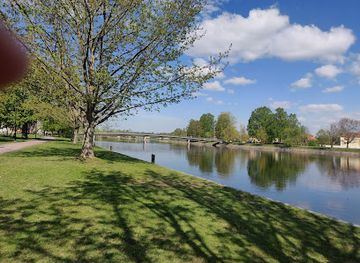
A converted riverside dance hall turned intimate gallery presenting Lars Lerin’s luminous watercolours, a quiet, light‑sensitive experience in central Karlstad.
Best landmarks in Värmland
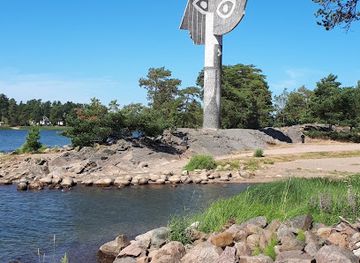
Karlstad Cathedral, begun in the eighteenth century after earlier churches on the site, is one of the clearest historic markers in the regional capital, whose identity is also shaped by the Klarälven’s branching waterways and its meeting with Lake Vänern. In Kristinehamn, the monumental Picasso sculpture at Vålösundsvägen is set on the lakeshore and has become one of Värmland’s most recognisable modern landmarks. Mårbacka near Sunne is significant not only as an historic estate but as the home associated with Selma Lagerlöf and her enduring literary image of Värmland. Borgvik’s church, manor environment and former ironworks preserve the physical setting of an older industrial community, while the mining and iron landscapes around Filipstad and Hagfors reveal how deeply metal production shaped the interior. In the north, Hovfjället’s wooded upland and open summit provide a natural landmark distinct from the broad, low horizons of Lake Vänern. Together these places show the region’s unusual combination of literary memory, industry, waterways and forested high ground.
-
Castle
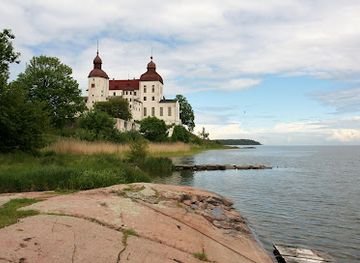
Läckö Castle
Sweden's Baroque jewel on Vänern's edge: opulent halls, formal gardens, and 700 years of noble legacy amid island archipelago serenity.
-
Sculpture
Picasso sculpture
World's largest Picasso sculpture: a 15m concrete tribute to Jacqueline, dramatically perched on Lake Vänern's edge in Sweden's serene archipelago.
-
Tourist attraction
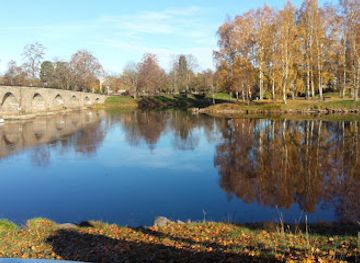
Gamla Stenbron
Sweden's longest stone arch bridge graces Karlstad's Klarälven River, blending 18th-century engineering with timeless river views and pedestrian charm.
-
Tourist attraction
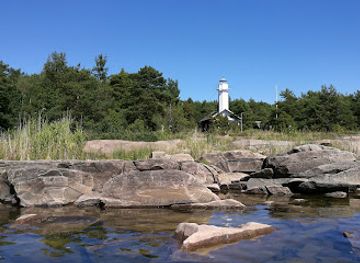
Hammarö Sydspets
Protruding cape on Lake Vänern with Skage lighthouse, epic bird migrations, hiking trails through forests and rocky shores—prime Swedish nature immersion.
Explore Värmland on the map
Plan your trip on one map. See where the top cities, national parks and sights are, and book hotels and experiences in a few clicks.
Best hotels in Värmland
Best restaurants in Värmland
Dining in Värmland reflects Swedish rural produce and the region’s connection with forests and water. Menus commonly draw on freshwater fish, game, potatoes, root vegetables, mushrooms, berries and locally produced dairy, while bread, cakes and coffee remain central to the café tradition. Around Lake Vänern, fish and simple summer meals suit the waterside setting; inland farm shops and cafés are good places to look for preserves, pastries, cheese and other regional produce. Karlstad has the broadest choice, from contemporary restaurants and cafés to traditional Swedish cooking, while smaller towns tend towards pubs, bakeries, rural inns and family-run dining rooms. In the countryside, opening days can be seasonal and distances between establishments are considerable, so advance planning is sensible. Värmland is also part of Sweden’s wider craft-drinks culture, with local breweries and producers appearing alongside established national beverages rather than defining a single regional drink.
-
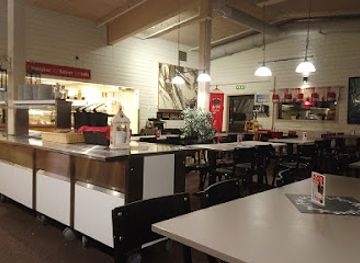
Restaurant
Rasta Värmland
A practical, family-friendly service stop on the E18 offering Swedish home-style dishes, coffee, fuel and a convenience shop for travellers.
-
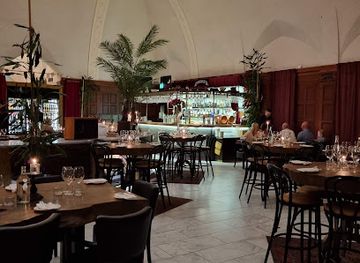
Tapas
Barón
A Mediterranean tapas bar in a restored bank hall — intimate vaulted dining, shareable plates and cocktails in central Karlstad.
-
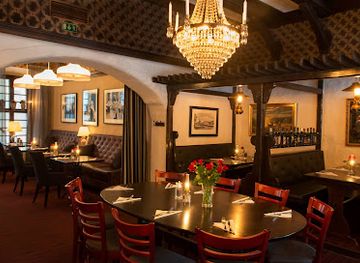
Italian
Restaurang Fontana di Trevi
Karlstad's vaulted Italian gem since the 1980s, serving passionate pastas, pizzas, and seafood in a warm, convivial atmosphere.
-
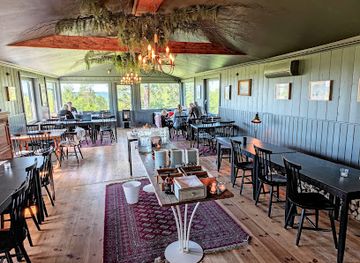
Restaurant
Big Hill Lodge
Rustic timber lodge on Storhöjden serving hearty Swedish dishes with panoramic forest views—part restaurant, part cabin retreat.
Best bars in Värmland
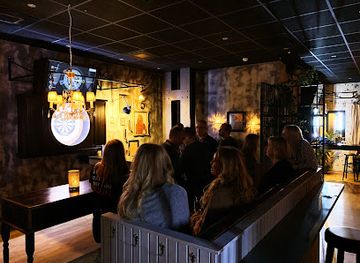
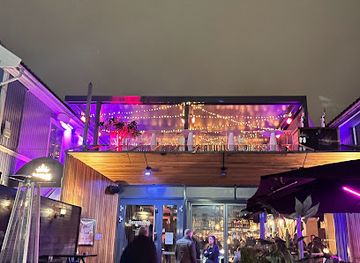
Karlstad has the region’s broadest evening scene, including pubs, beer-focused venues, cocktail bars, restaurants, live music and cultural events, with activity concentrated in the central area rather than spread across a large nightlife district. The university contributes to a younger social scene, but the city’s evening life also includes theatres, concerts and relaxed cafés. Arvika, Sunne, Kristinehamn and other larger towns offer pubs, restaurants and occasional live music, while rural Värmland generally becomes quiet after dinner apart from local events and seasonal venues. Traditional pubs and hotel bars are often more characteristic than large nightclubs. In summer, lakeside terraces and cultural programmes extend the evening, whereas winter nightlife tends to centre on indoor dining, music and community gatherings. Check current arrangements locally, since smaller venues may operate on limited or seasonal schedules.
-
Bar
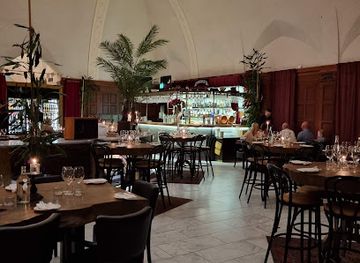
Barón
A cosy tapas and cocktail bar in a converted bank room — Spanish flavours with a Swedish seasonal twist for sharing and lingering evenings.
-
American
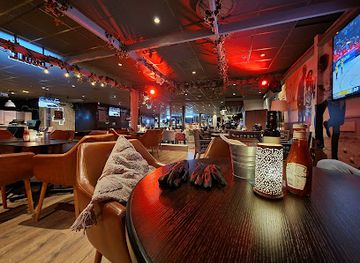
O'Learys Karlstad
Karlstad’s lively American sports bar — big screens, burgers and games (bowling, shuffleboard, mini‑golf and karaoke) for groups and nights out.
-
Gastropub
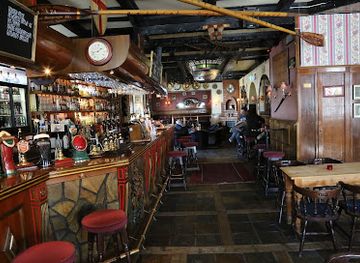
The Bishops Arms
Classic English gastropub on Karlstad’s riverfront — deep beer and whisky lists, cosy wood-panel rooms and a welcoming atmosphere.
-
Bar
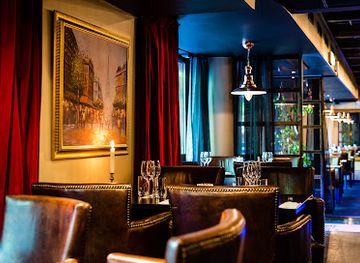
Brasseriet
A central Karlstad brasserie blending local ingredients, a focused wine list and relaxed bar energy from lunch through late-night service.
Best nightclubs in Värmland
Karlstad has the region’s broadest evening scene, including pubs, beer-focused venues, cocktail bars, restaurants, live music and cultural events, with activity concentrated in the central area rather than spread across a large nightlife district. The university contributes to a younger social scene, but the city’s evening life also includes theatres, concerts and relaxed cafés. Arvika, Sunne, Kristinehamn and other larger towns offer pubs, restaurants and occasional live music, while rural Värmland generally becomes quiet after dinner apart from local events and seasonal venues. Traditional pubs and hotel bars are often more characteristic than large nightclubs. In summer, lakeside terraces and cultural programmes extend the evening, whereas winter nightlife tends to centre on indoor dining, music and community gatherings. Check current arrangements locally, since smaller venues may operate on limited or seasonal schedules.
-
Night club
Nöjesfabriken
Karlstad's all-in-one playground: bowl by day, rock the night away at this lively entertainment nexus with music, food, and fun for every crowd.
-
Disco club
Frathouse
A compact Danderyd disco with pulsing sound, late‑night sets and a close, clubby dance floor that comes alive after 22:00.
-
Casino
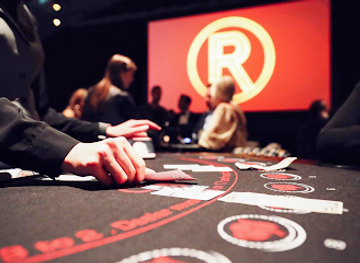
Royale Bistro & Casino
Karlstad's vibrant all-in-one venue: casino thrills, bistro bites, cocktail artistry, and nightclub beats under one electrifying roof.
-
Night club
Nini Beach
Dive into Fredrikstad's electric nightlife at Nini Beach, where masterful cocktails and DJ beats create unforgettable nights in the heart of Storgata.

Best shops in Värmland
Shopping in Värmland is centred on Karlstad’s central streets and retail areas, where national chains sit alongside cafés, bookshops, galleries and independent businesses. Smaller towns such as Arvika, Sunne, Kristinehamn and Filipstad offer more compact high streets, antiques, craft shops and local services rather than extensive department-store shopping. Arvika is particularly associated with artistic and craft traditions, and visitors may find ceramics, textiles, glass, woodwork and locally designed objects in galleries and studios. Farm shops and seasonal markets provide regional food gifts such as berry preserves, bread, cheese and other forest or farm products. Markets and independent businesses vary by season and weekday, so rural shopping is best treated as part of a planned route rather than assumed to be available every day. Swedish design, outdoor equipment and practical wool or wooden goods are widely available, but the most regionally distinctive purchases are usually small-scale crafts and locally made foods.
-
Shopping mall
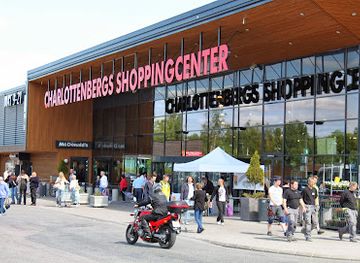
Charlottenbergs Shoppingcenter
Sweden's borderland shopping haven: 60+ stores, free parking, open 362 days amid Värmland's forests.
-
Shopping mall
Töcksfors Shoppingcenter
Sweden's premier border shopping haven with 100+ stores, unbeatable deals, and easy E18 access—just one hour from Oslo.
-
Department store
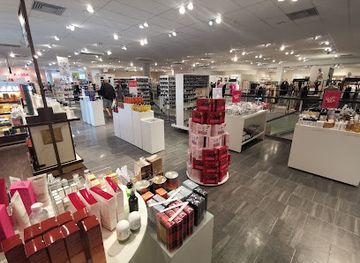
Åhléns
A practical, centrally located Åhléns store in Karlstad — everyday fashion, beauty and homewares under one urban roof.
-
Store
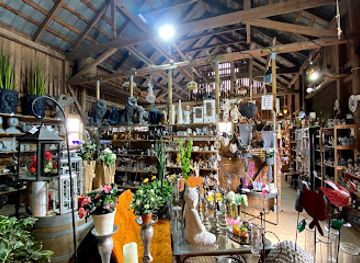
GIANT flea market in Stöpafors
Uncover antiques, crafts, and local flavors at Värmland's giant weekend loppis—a treasure-filled escape in Sunne's rural heart.
Get your free copy of our complete guide to Värmland, delivered straight to you.
Everything on this page, from attractions and restaurants to essentials and local phrases, in one PDF you can read offline, print or share.
Already have an account? Sign in
Your Värmland guide is ready.
We'll send it to · Not you? Sign out

Getting your guide ready…
We are putting together a fresh copy of the Värmland guide. This can take up to a minute.
This can take a few moments. If your browser asks, choose Allow so the download can start. You'll find the guide in your Downloads folder.
Nothing happened? Download it again
Sorry, the guide is taking longer than usual. Please try again in a minute, or get it by email instead.
Värmland essentials
Currency and Payment
Safety
Emergency Situations
Do's and Don'ts
Local Tips
From Eve
Local phrases worth knowing
You don't need to get them perfect. A few words go a long way, and locals appreciate the effort.
Basics
| English | Local | Say it |
|---|---|---|
| Hello | Hej | [hay] |
| Goodbye | Hejdå | [hay-daw] |
| Yes | Ja | [yah] |
| No | Nej | [ney] |
| Please/You're welcome | Snälla/Tack så mycket | [snel-lah/tahk so mye-ket] |
| Thank you | Tack | [tahk] |
| Excuse me/Sorry | Ursäkta/Mi ledsen | [ur-sek-ta/mee led-sen] |
| How are you? | Hur mår du? | [hoor mor doo] |
| Fine. And you? | Bra. Och du? | [bra. ok doo] |
| Do you speak English? | Talar du engelska? | [tah-lar doo en-gel-ska] |
| I don't understand | Jag förstår inte | [yag fur-stor in-te] |
Eating & Drinking
| English | Local | Say it |
|---|---|---|
| I'd like to see the menu, please | Jag skulle vilja se menyn, snälla | [yag skoo-leh vil-yah se men-yun, snel-lah] |
| I don't eat meat | Jag äter inte kött | [yag eh-ter in-te yurt] |
| Cheers! | Skål! | [skawl] |
| I would like to pay, please | Jag skulle vilja betala, snälla | [yag skoo-leh vil-yah beh-tah-lah, snel-lah] |
Emergencies
| English | Local | Say it |
|---|---|---|
| Help! | Hjälp! | [yelp] |
| Go away! | Gå bort! | [gaw bort] |
| Call the Police! | Ring polisen! | [ring po-lee-sen] |
| Call a doctor! | Ring en läkare! | [ring en leh-kah-reh] |
| I'm lost | Jag är vilse | [yag air vil-seh] |
| I'm ill | Jag är sjuk | [yag air shoo-k] |
Shopping
| English | Local | Say it |
|---|---|---|
| I'd like to buy... | Jag skulle vilja köpa... | [yag skoo-leh vil-yah shuh-pah...] |
| I'm just looking | Jag tittar bara | [yag tit-tar bar-ah] |
| How much is it? | Hur mycket kostar det? | [hoor my-ket koh-star deh] |
| That's too expensive | Det är för dyrt | [deh air fur deert] |
| Can you lower the price? | Kan du sänka priset? | [kan doo sen-kah pree-set] |
Time & Numbers
| English | Local | Say it |
|---|---|---|
| What time is it? | Vad är klockan? | [vahd air klok-kahn] |
| It's one o'clock | Det är ett på klockan | [deh air ett paw klok-kahn] |
| Half past (10) | Halv (10) | [halv (10)] |
| Morning | Morgon | [mor-gon] |
| Afternoon | Eftermiddag | [ef-ter-mid-dahg] |
| Evening | Kväll | [kvel] |
| Yesterday | Igår | [ee-gore] |
| Today | Idag | [ee-dahg] |
| Tomorrow | Imorgon | [ee-mor-gon] |
| 1 | 1 | [ett] |
| 2 | 2 | [två] |
| 3 | 3 | [tre] |
| 4 | 4 | [fyra] |
| 5 | 5 | [fem] |
| 6 | 6 | [sex] |
| 7 | 7 | [sju] |
| 8 | 8 | [åtta] |
| 9 | 9 | [nio] |
| 10 | 10 | [tio] |
Transport & Directions
| English | Local | Say it |
|---|---|---|
| Where's a/the...? | Var finns en...? | [var fins en...?] |
| What's the address? | Vad är adressen? | [vahd air ad-reh-sen] |
| Can you show me (on the map)? | Kan du visa mig (på kartan)? | [kan doo vee-sah may (paw kar-tan)?] |
| When's the next (bus)? | När går nästa (buss)? | [nair gor nes-ta (boos)?] |
| A ticket (to ....) | En biljett (till....) | [en bil-yet (till....)] |
History of Värmland
Early Settlement and the Forest Frontier
People have lived around Värmland’s lakes and rivers since the retreat of the Ice Age, using waterways, forests and seasonal hunting grounds. Early settlements developed along the Klarälven, the Vänern shoreline and fertile river valleys, while the interior remained comparatively sparsely populated. Medieval expansion brought farming communities, churches and closer links with both central Sweden and Norway. The border position gave western Värmland a distinctive relationship with Norwegian settlements and trade, although political control belonged to Sweden for much of the region’s documented history.
Ironmaking and Mining from the Medieval Period
Värmland became an important iron-producing area as ore, woodland fuel and waterpower combined to support mines, furnaces and forges. Filipstad, founded in the seventeenth century, grew in connection with the Bergslagen mining economy, while settlements such as Borgvik developed around ironworking and transport. Small works were distributed through the forests and river valleys, and their owners built manor houses, workers’ communities and churches. Although many furnaces later closed, mining and ironmaking shaped the region’s settlement pattern and left an industrial heritage that remains visible in museums and former works.
The Klarälven, Timber and Commercial Growth
From the eighteenth and nineteenth centuries, forestry and timber became increasingly important to Värmland’s economy. The Klarälven provided a natural route for floating logs towards Karlstad and Lake Vänern, where timber could be processed and shipped. Karlstad grew as a commercial centre, while sawmills, railways and river transport connected remote forest districts to wider markets. Timber remains significant, but the same landscape now supports recreation, conservation and outdoor tourism as well as modern forestry.
Industrialisation and Engineering
The nineteenth and twentieth centuries brought more mechanised industry to Värmland, including pulp and paper production, engineering, metalworking and expanded transport networks. Hagfors became associated with steel and engineering, while towns and villages across the interior were linked to mills and factories. Industrialisation changed land use and encouraged movement from rural districts towards larger centres. Railway development also strengthened Karlstad’s role between Stockholm, Gothenburg and Norway, helping the region participate in national and international trade.
Selma Lagerlöf and Värmland’s Literary Imagination
Värmland’s forests, estates, lakes and rural communities became central to the writing of Selma Lagerlöf, who was born at Mårbacka near Sunne in 1858. Her novels transformed local landscapes and social memory into internationally known literature, including The Wonderful Adventures of Nils and Gösta Berling’s Saga. Lagerlöf returned to Mårbacka and later restored it as a home and estate. Her influence is a major part of Värmland’s cultural identity, alongside the region’s broader tradition of storytelling, theatre and folk culture.
Migration, Borders and Twentieth-Century Change
During the nineteenth century, poverty, limited agricultural land and changing employment encouraged many people from Värmland to emigrate, particularly to North America. The region also experienced internal migration as industrial towns expanded and small rural communities declined. Its Norwegian border gave the area continuing cross-border connections, while the Second World War made western Sweden a sensitive frontier zone. In the later twentieth century, forestry and manufacturing were joined by education, public services, culture and nature-based tourism as important parts of the regional economy.
Värmland in Photos
Browse through our photo collection highlighting the charm and character of the destination.
Neighbouring regions of Värmland
The closest regions to Värmland, if you have time for more than one.
-

-

-

-

-


Swipe for more regions
Explore more
Explore more of Sweden
Discover Sweden's breathtaking landscapes, vibrant cities, and rich cultural heritage. From the Northern Lights to historic castles, experience the essence of Scandinavia.
Explore Sweden