

Valvbro, Varmland Travel Guide
Timeless stone arch bridge on Värmland's historic iron road, bridging centuries of travel, trade, and rugged Swedish countryside.
Valvbro is a historic stone arch bridge on the old road between Svartåhyttan and Älvsbacka in rural Värmland. Built in the 1700s amid Sweden's iron trade boom, this sturdy structure replaced wooden bridges to handle heavier loads from local forges. Nestled along Halgåvägen in Ekshärad, it stands as a quiet testament to engineering ingenuity and the vital transport routes that shaped the region's industrial past. Ideal for history buffs seeking off-the-beaten-path heritage sites amid serene countryside.
A brief summary to Valvbro
- Halgåvägen, Ekshärad, 683 62, SE
- Duration: 0.5 to 1.5 hours
- Free
-
 Outdoor
- Mobile reception: 3 out of 5

Know before you go
Hi, I'm Eve. Here are a few practical things to know before exploring Valvbro.
- Visit in early morning for solitude and soft light illuminating the arch's curves.
- Combine with a drive through Ekshärad's backroads to spot other old milestones and bridges.
- Bring a camera; the bridge's symmetry creates striking compositions against forest backdrops.
Do you manage this location?
Take control to get all the benefits, like improved information, better appearance, and stronger visibility across AI-powered discovery. Learn more about listing your business on Evendo
Activate your presenceOther nearby places you may find interesting
The closest places of the same kind, if this one is not quite what you had in mind.
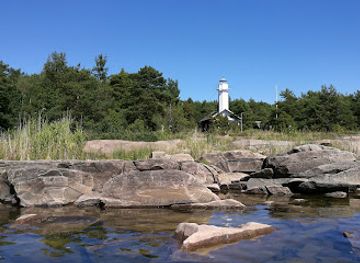
Explore Valvbro on the Map
A handpicked selection of must-see spots near Valvbro, mapped for you.
Getting There
-
Driving
From Hagfors center, drive south on Route 239 toward Ekshärad, 25-35 minutes covering 30 km; free roadside parking available but limited, watch for narrow rural lanes.
-
Bus
Take Värmlandstrafiken bus 300 from Hagfors to Ekshärad centrum, 30-40 minutes, then walk 2 km along Halgåvägen; SEK 50-80 one-way, services 4-6 times daily weekdays.
-
Cycling
Cycle from Ekshärad parish center via quiet gravel paths paralleling Route 239, 15-25 minutes for 5 km; flat terrain suitable for hybrids, but seasonal mud possible after rain.
For the on-the-go comforts that matter to you
-
 Trash Bins
Discover more about Valvbro
Engineering Marvel of Värmland's Iron Era
Valvbro exemplifies the revolutionary shift to stone arch bridges in 18th-century Sweden. Constructed along the ancient route linking Svartåhyttan and Älvsbacka, it addressed the limitations of wooden spans that buckled under growing traffic. These stone valvbroar, or arch bridges, offered superior stability and load-bearing capacity, essential for hauling iron and ore from Värmland's bergslag to Vänern's loading ports.The bridge's design reflects practical innovation driven by economic needs. During Karl IX's reign, patents mandated road improvements, but it was the 1700s that saw widespread adoption of stone arches. Valvbro's robust form endures, a survivor of harsh winters and floods in the Klarälven valley.Pathways of Kings and Merchants
This bridge lies on one of Sweden's oldest documented roads, traced back to routes used by Olof the Holy fleeing Norway and King Birger in 1305. Chronicles describe it as treacherous, with steep hills and poor conditions plaguing travelers into the 1500s. Hertig Karl rode horseback here, underscoring the era's rudimentary infrastructure.By the 1700s, roads like this gained milestones—stone slabs or iron plaques marking miles—and shared maintenance across härader (districts). Frykdals and Kils härader contributed labor, timber, and iron spikes, turning muddy tracks into viable arteries for Värmland's iron exports.Rural Heart of Ekshärad
Situated on Halgåvägen in Ekshärad, part of Hagfors municipality, Valvbro sits in a landscape blending forests, rivers, and scattered farms. Ekshärad's history weaves through agriculture and small-scale industry, with the bridge anchoring a stretch once bustling with mule trains and wagons.The surrounding Värmland countryside evokes timeless rural Sweden. Towering pines frame the site, while the gentle flow of nearby streams recalls the waterways that powered early forges. Today, it offers peaceful immersion in a region where nature and heritage intertwine seamlessly.Enduring Legacy of Road Reforms
19th-century enclosure reforms reshaped Värmland's roads, dispersing farms and necessitating new paths. Valvbro persisted as a key link, its stone arches defying the changes. Standardized road widths—often 10,688 meters per mil with precise milestones—modernized travel, easing burdens on merchants and locals alike.This bridge symbolizes Värmland's transition from medieval trails to industrial lifelines. Its preservation highlights ongoing appreciation for cultural artifacts that narrate Sweden's economic ascent, inviting reflection on how infrastructure forged national progress.Serene Spot for Heritage Exploration
Approaching Valvbro, visitors encounter a structure harmoniously integrated into its environment. Moss-covered stones and lichen add patina, while wildflowers bloom along the banks in summer. The site's tranquility contrasts its industrious past, perfect for contemplative walks amid birdsong and rustling leaves.












Your all‑in‑one travel companion app
Explore expert travel guides, compare and book tours, experiences, hotels, and more—all from the palm of your hand. Download now for seamless trip planning wherever your wanderlust takes you.


Explore More of Varmland
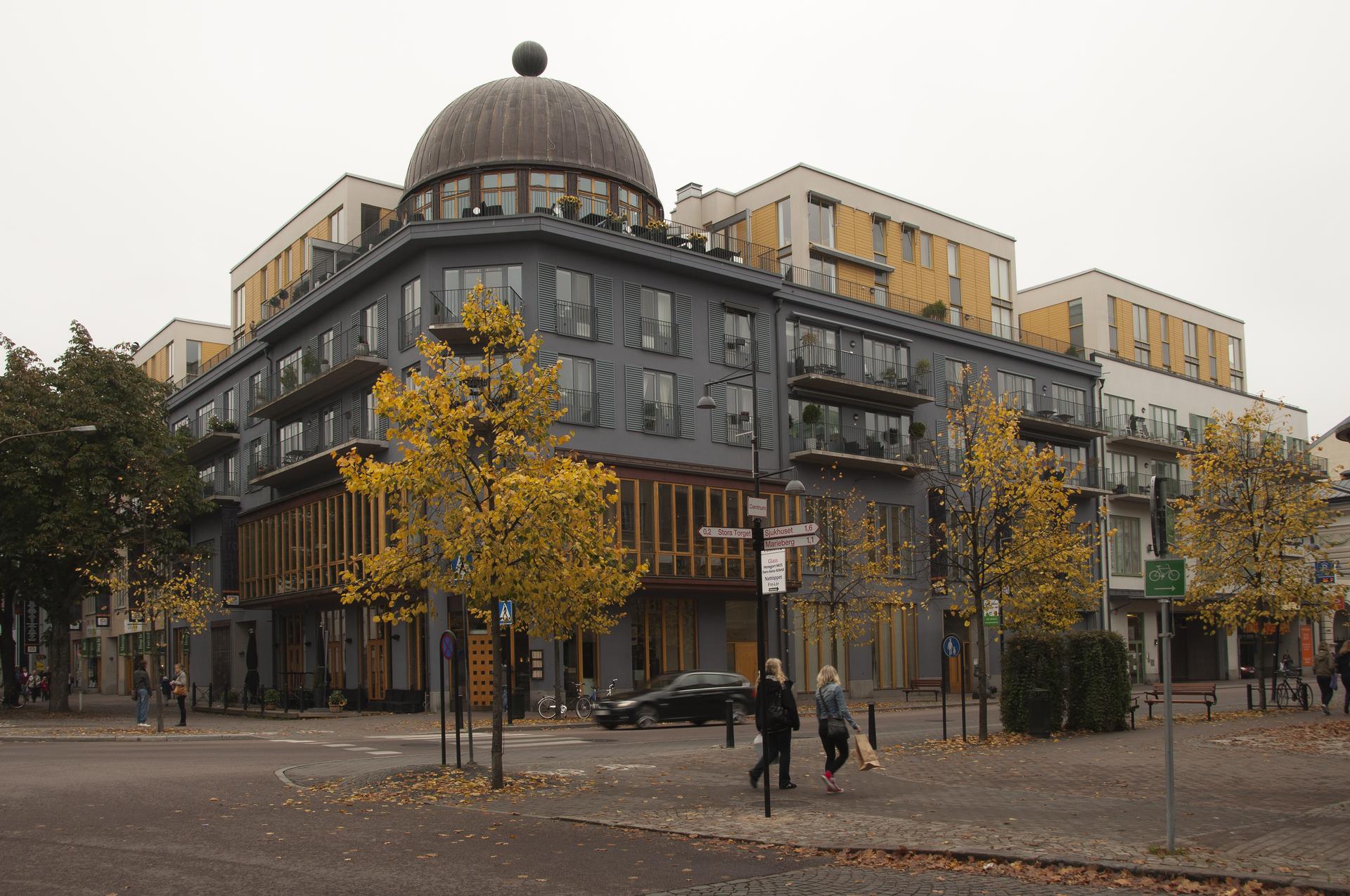
Looking beyond Valvbro? Discover Varmland for broader travel guides, local hot-spots, and regional highlights.
Explore Varmland
Discover the charm of Storfjällsgraven, a cozy cafeteria in Transtrand offering delicious local cuisine and a perfect retreat for travelers.
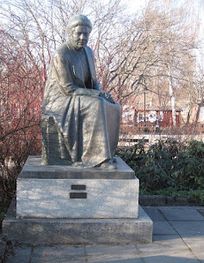
Bronze tribute to Nobel laureate Selma Lagerlöf in Sunne, capturing her Värmland-inspired tales amid serene Swedish countryside.
