Johannisberg, Vasteras Travel Guide
A compact coastal woodland on Lake Mälaren — sandy bathing shores, spring wood‑anemones and quiet walks on Västerås’s southern fringe.
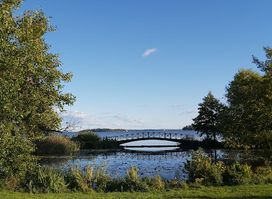
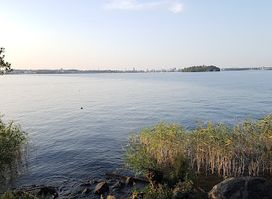
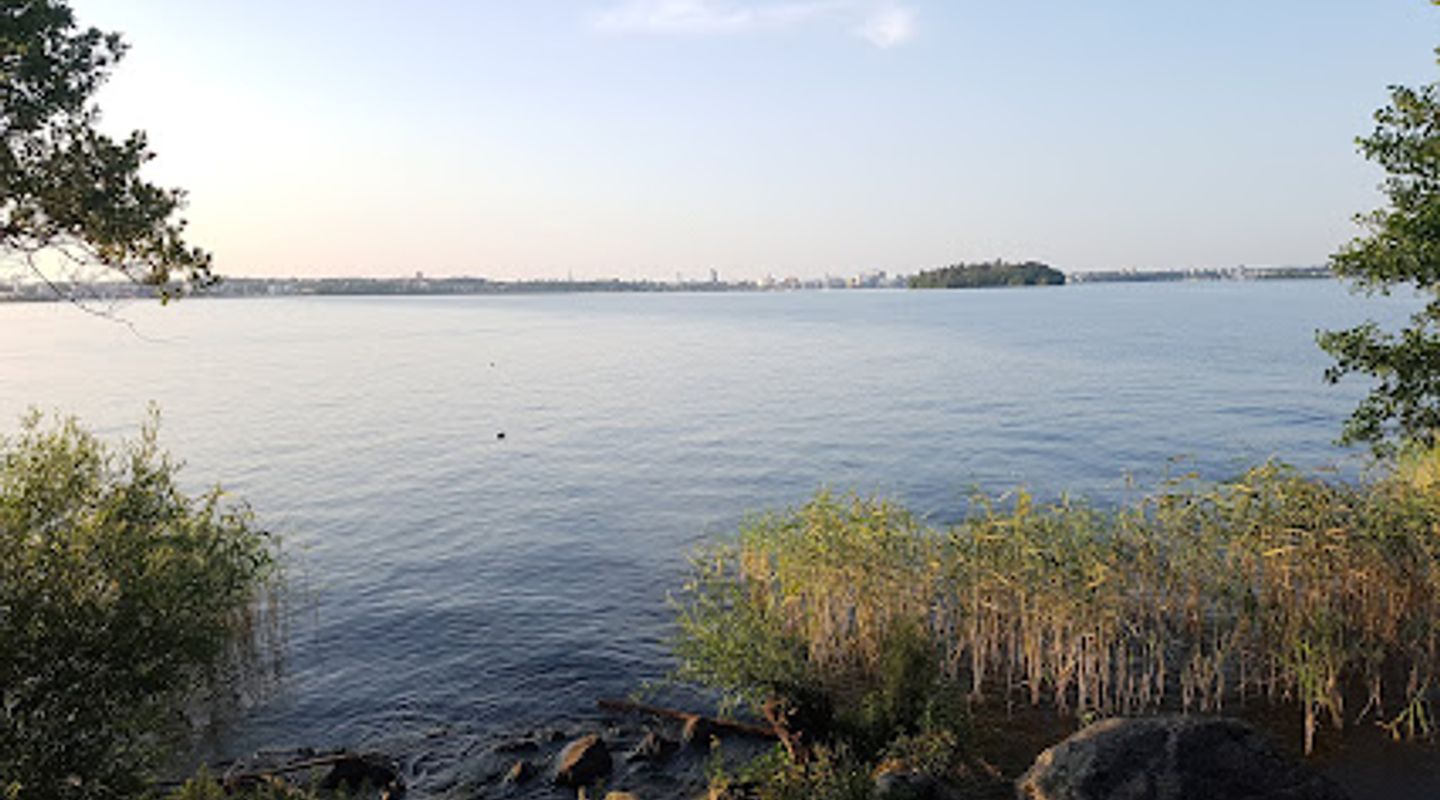
Johannisberg is a compact nature reserve on the southern edge of Västerås where mixed broadleaf woodland meets the shallow bays of Lake Mälaren; it offers a sandy, long‑shore bathing beach, informal camping and shaded walking among old oaks, lindens and hazel with rich spring flowers and active birdlife, plus shoreline views across the archipelago-like inlets of the fjord.
A brief summary to Johannisberg
- Västerås, SE
- Duration: 0.5 to 4 hours
- Free
-
 Outdoor
- Mobile reception: 4 out of 5

Know before you go
Hi, I'm Eve. Here are a few practical things to know before exploring Johannisberg.
- Bring layered clothing and insect repellent in warmer months; shade is plentiful but exposed beach areas get strong sun.
- Respect fragile shoreline vegetation and use designated clearings for camping or picnics to avoid trampling spring flowers.
- Early morning and late afternoon deliver the best bird activity and softer light for photography.
Do you manage this location?
Take control to get all the benefits, like improved information, better appearance, and stronger visibility across AI-powered discovery. Learn more about listing your business on Evendo
Activate your presenceOther nearby places you may find interesting
The closest places of the same kind, if this one is not quite what you had in mind.
Explore Johannisberg on the Map
A handpicked selection of must-see spots near Johannisberg, mapped for you.
Getting There
-
Bus from Västerås central station
Regional bus service departs from Västerås central area with an approximate travel time of 15–25 minutes; services run at moderate frequency with reduced schedules on evenings and Sundays; a single adult ticket typically costs SEK 20–45 depending on fare zones and ticket type, payable by card or regional transport app; expect a short uphill walk of uneven ground from the nearest stop to reach the reserve entrance.
-
Ferry (summer seasonal)
A small passenger ferry operates in summer months between Västerås harbour and the Johannisberg landing; crossing time is about 10–20 minutes and services run on a seasonal timetable with limited departures; fares are typically in the range SEK 30–80 per person per trip and may accept card or on‑board payment; schedules vary by season so check local notices when planning.
-
Car from Västerås
Driving from central Västerås usually takes 10–20 minutes depending on traffic; nearby parking is limited and informal near access points so space can be restricted on warm weekends; no paid parking enforcement is typical but availability varies; note that last sections may be on narrow roads and short unpaved tracks, and some viewpoints require short walks over uneven terrain.
For the on-the-go comforts that matter to you
-
 Seating Areas
-
 Trash Bins
-
 Information Boards
Discover more about Johannisberg
Where lake shore meets leafy hillside
Johannisberg occupies a narrow coastal wedge where Mälaren laps against gently rising, largely deciduous terrain just south of Västerås. The reserve’s character is defined by the contrast of open, sunlit shoreline — a long, gently shelving sand beach well suited to swimming — and the dappled, shady slopes above, where mature oaks, lind and hazel create an intimate woodland. The landscape reads as a close‑to‑town refuge: you can stand by the water and feel removed from the city while still sensing Västerås on the horizon.Plants, seasons and small‑scale nature
Understorey and spring flora give Johannisberg much of its seasonal charm: fierce carpets of wood anemones in early spring, flowering shrubs and a scattering of berry‑bearing plants in late summer. Trees range from veteran oaks to younger birch and conifers in sheltered hollows; along the waterline alder and other moisture‑tolerant species hold the shore. The mix of habitats — scrubby edges, grassy clearings and shaded woodland — supports insects, small mammals and a variety of woodland birds that can be heard readily in warmer months.A simple recreational rhythm
Recreation here is unstructured and low‑key. The sand and shallow gradient make the bathing area popular on warm days; informal camping and day‑use picnicking take place in designated clearings rather than manicured sites. Walking routes wind through the reserve rather than following rigidly engineered paths, offering short strolls and longer loops that reward those who like a quiet rinse of nature close to an urban centre. Benches and a few information posts mark principal access points and viewpoints.Human layers: estate, airfield and reclamation
Johannisberg’s cultural layering is subtle but present. The area sits near the historic Johannisbergs manor and the broader district has a past that touches agriculture and, in the twentieth century, aviation activity on nearby airfields. More recently, efforts to manage stormwater and wetlands in the vicinity have shaped small new habitats and reedbeds, adding an engineered ecological layer to the reserve’s older natural fabric.Birdlife, wildlife behaviour and seasonal highlights
Birdwatchers will notice a woodland songscape in spring and summer: smaller woodpeckers, tits and warblers move through the canopy, while nutcrackers and other seed‑gathering species visit hazel‑rich patches in autumn. Inshore water birds use the shallow bays for feeding; amphibians and invertebrates are abundant in wet hollows and reed edges. Each season reveals a different face of the reserve — vivid wildflowers in spring, lush green canopy in summer, seed and berry activity in autumn and a pared‑down quiet in winter.How the place feels and what to expect
The reserve’s scale gives it a human, approachable feel: sounds carry — waves lapping the sand, wind in leaves — and the scent of lake water mixes with warmed earth and flowering shrubs on warm days. Facilities are basic and the atmosphere informal; days here are about slowing down, listening and using the shoreline and woodland as a gentle setting for swimming, reading, sketching or short nature walks.












Your all‑in‑one travel companion app
Explore expert travel guides, compare and book tours, experiences, hotels, and more—all from the palm of your hand. Download now for seamless trip planning wherever your wanderlust takes you.


Explore More of Vasteras

Looking beyond Johannisberg? Discover Vasteras for broader travel guides, local hot-spots, and regional highlights.
Explore Vasteras