

Johannisbergs Vattenpark, Västerås Travel Guide
Free Guide: A purpose-built wetland of ponds, boardwalks and meadows that cleans stormwater, nurtures wildlife and offers peaceful nature walks on Västerås’ western edge.


A brief summary of Johannisbergs Vattenpark
A purpose-built wetland of ponds, boardwalks and meadows that cleans stormwater, nurtures wildlife and offers peaceful nature walks on Västerås’ western edge.
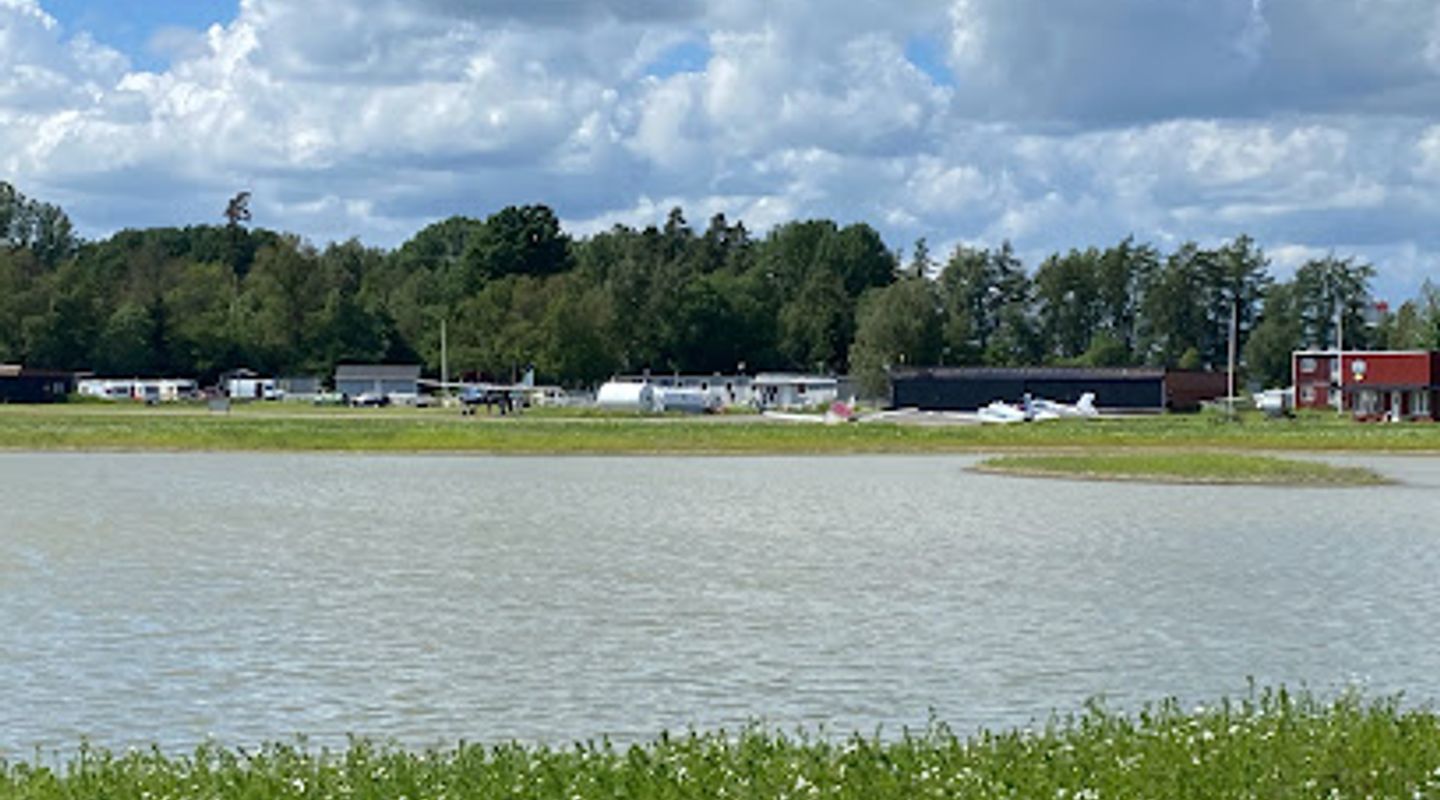
A multifunctional wetland park on the western edge of Västerås, Johannisbergs Våtmarkspark is a purpose-built landscape of ponds, boardwalks and meadows that cleanses urban runoff while creating habitat and a calm place for walking, birdwatching and informal learning about water and biodiversity.
On-site amenities
 Seating areas
 Picnic areas
 Trash bins
 Information boards
Opening hours
- Every dayOpen 24 hours
Opening hours as listed on the venue’s Google Business Profile. Hours can change for services and special events, so check with the venue before you go.
- Address
- Johannisbergsvägen, 725 91 Västerås
Getting there
Local bus
Car
Cycle or walking approach
Discover more about Johannisbergs Vattenpark
Why this wetland was built
Johannisbergs Våtmarkspark was created to treat polluted stormwater from Västerås’ western districts before it reaches Lake Mälaren. The park’s engineered ponds and connected channels slow and filter runoff, removing heavy metals and other contaminants through sedimentation and natural processes. The site is a demonstration of urban water management where infrastructure and nature are combined to meet environmental goals.
How the landscape works
The park covers a substantial area of interconnected basins and wetland cells, with roughly half the site made up of open water and the remainder as wet meadows, shallow marsh edges and paths. Water is routed through a sequence of ponds and planted swales so solids settle and plants and microbes break down pollutants. Bridges and viewing platforms cross the water, letting you peer into different zones: open pond, reed margins and shallows where dragonflies patrol and amphibians breed.
Wildlife and biodiversity features
Planted margins, reedbeds and scattered trees are designed to boost biodiversity: there are bird boxes, bat boxes and insect hotels placed to attract nesting species and beneficial invertebrates. The absence of site lighting in many areas helps nocturnal animals like bats and owls, while shallow littoral zones provide habitat for frogs, dragonflies and aquatic plants that gradually establish themselves as the park matures.
Visitor experience and sensory atmosphere
The park reads as a calm, slightly wild landscape punctuated by human-made structures. Underfoot, the trail surfaces vary between compacted gravel and short boardwalks; the air carries wet-earth and reed scents, and the water surface mirrors the sky and surrounding trees. Benches and picnic clearings are set so groups can pause and listen to bird song or watch insects skim the water. In different seasons the palette changes from fresh greens and insect hum in summer to a spare, reed-gold stillness in late autumn and winter.
Educational and civic role
Beyond its environmental function, the wetland acts as an outdoor classroom and a model for similar projects. It was implemented as part of a larger regional initiative to improve water quality and shares design lessons with other Swedish wetland projects. Informal interpretation is available at points around the site, and the park is used for study visits by schools and local organisations interested in nature-based solutions for stormwater.
Practical character and setting
Set between the local district’s energy plant and the small airfield, the park has a slightly industrial-adjacent character that quickly softens into wetland vegetation and meadow. Paths loop around the ponds and link to neighbouring trails, creating convenient short walks or longer nature loops. The overall tone is low-key and restorative rather than highly manicured, encouraging quiet observation rather than active recreation.
Evendo Review Centre
 Google
Guest reviews
Best time to go
Quietest: Jan, Feb & Dec · before 6am or at 10pm
Busy times are Evendo estimates for a typical year, to help you plan. Actual crowds vary with events, school holidays and the weather.
Explore Johannisbergs Vattenpark on the map
A handpicked selection of must-see spots near Johannisbergs Vattenpark, mapped for you.
Get your free copy of our complete guide to Johannisbergs Vattenpark, delivered straight to you.
Everything on this page, from opening hours and how to get there to Eve’s tips and the best time to go, in one PDF you can read offline, print or share.
Already have an account? Sign in
Your Johannisbergs Vattenpark guide is ready.
We'll send it to · Not you? Sign out

Getting your guide ready…
We are putting together a fresh copy of the Johannisbergs Vattenpark guide. This can take up to a minute.
This can take a few moments. If your browser asks, choose Allow so the download can start. You'll find the guide in your Downloads folder.
Nothing happened? Download it again
Sorry, the guide is taking longer than usual. Please try again in a minute, or get it by email instead.
Other nearby places you may find interesting
The closest places of the same kind, if this one is not quite what you had in mind.
-
-
-
-
-


Swipe for more places
More to explore near Johannisbergs Vattenpark
-
 Best experiences near Johannisbergs Vattenpark
-
 Best hotels near Johannisbergs Vattenpark
-
 Best landmarks near Johannisbergs Vattenpark
-
 Best attractions near Johannisbergs Vattenpark
-
 Best shops near Johannisbergs Vattenpark
-
 Best restaurants near Johannisbergs Vattenpark
-
 Best bars near Johannisbergs Vattenpark


Do you manage this location?
Take control to get all the benefits, like improved information, better appearance, and stronger visibility across AI-powered discovery.
Explore more

Explore more of Västerås
Discover Västerås, a captivating blend of history, nature, and modernity by the scenic Lake Mälaren, offering a rich tapestry of experiences for every traveler.
Explore Västerås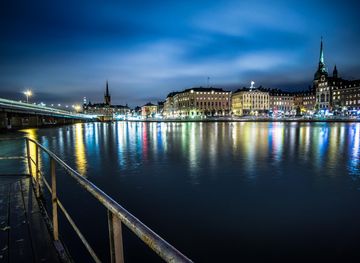
Explore more of Sweden
Discover Sweden's breathtaking landscapes, vibrant cities, and rich cultural heritage. From the Northern Lights to historic castles, experience the essence of Scandinavia.
Explore Sweden
