

Västerås historiska skeppsmuseum, Västerås Travel Guide
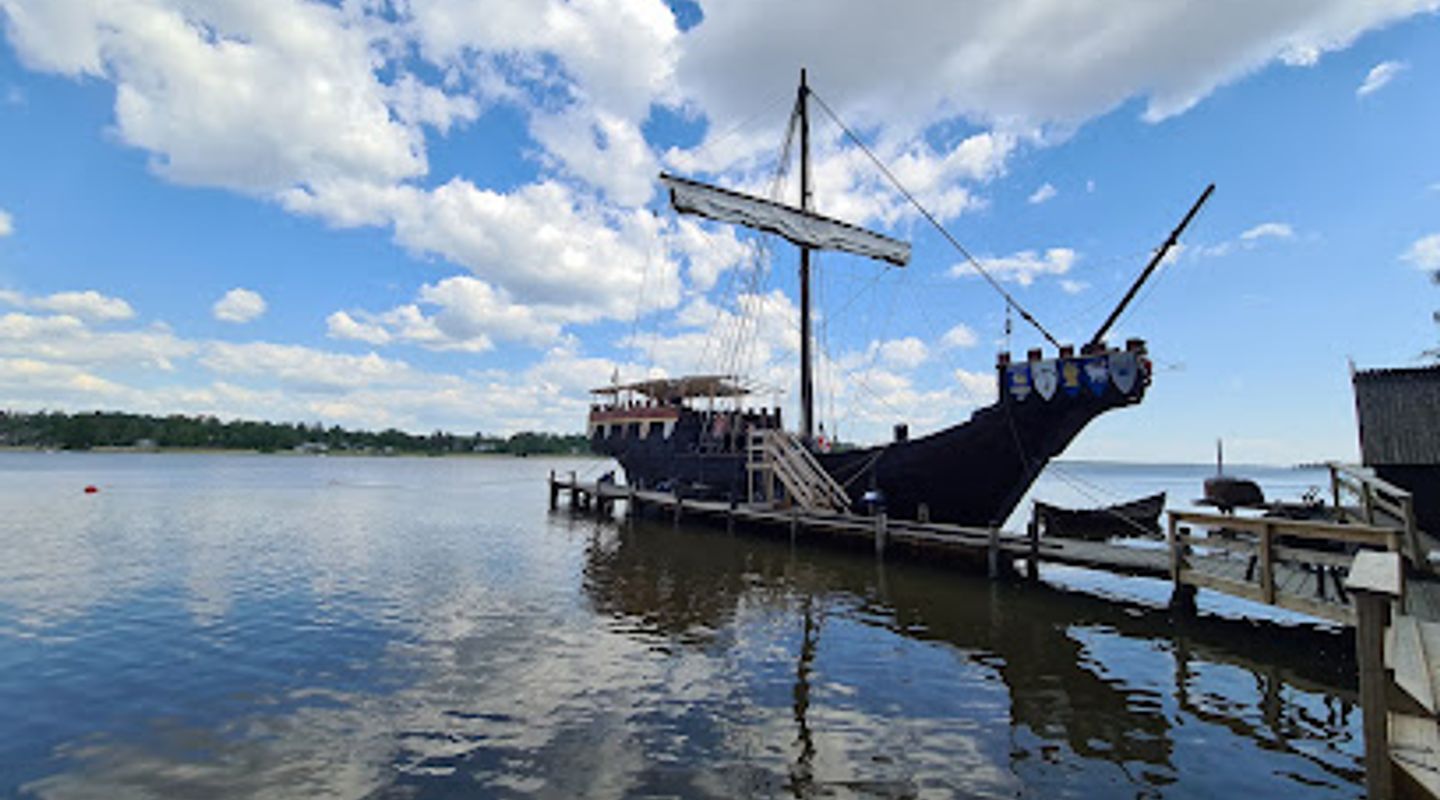
Free Guide: A living, floating collection of Viking-style longships and traditional Swedish boats moored on Mälaren — tactile maritime history against a tranquil harbour shore.


A brief summary of Västerås historiska skeppsmuseum
A living, floating collection of Viking-style longships and traditional Swedish boats moored on Mälaren — tactile maritime history against a tranquil harbour shore.
A unique floating boat museum on the shores of Mälaren, Västerås historiska skeppsmuseum at Frösåkers Brygga displays a large collection of historic and replica vessels — from Viking-style longships to traditional allmogebåtar — set against a working harbour and a relaxed café atmosphere. The site blends maritime craft, living-history demonstrations and waterfront views, making it a scenic, family-friendly stop for anyone curious about Sweden’s seafaring past.
On-site amenities
 Restrooms
 Drink options
 Food options
 Seating areas
 Sheltered areas
 Trash bins
 Information boards
- Address
- Frösåker Brygga 7, 725 97 Västerås
- Phone
Getting there
Regional bus
Car or taxi
Guided tour shuttle / group transfer
Discover more about Västerås historiska skeppsmuseum
Where ships and shore meet
Frösåkers Brygga is a waterside complex built around a working guest harbour and a cluster of historic boats moored along floating pontoons. The museum’s collection is primarily floating: an evolving group of over twenty vessels ranging from Viking-revival longships and medieval-style reconstructions to local traditional craft, all presented side by side on the water. Wooden hulls, carved prows and hemp ropes create an immediate tactile sense of age and craft, while the slow surface of Mälaren frames the display and reflects the boats’ silhouettes.
Craft, construction and maritime lifeways
The focus here is on traditional boatbuilding and the daily routines of seafaring communities. Many vessels are built and maintained using period techniques: plank-on-frame joining, clinker lapstrake seams, and visible iron or wooden fastenings. Onsite demonstrations and hands-on activities that occur at times throughout the season reveal how sails, oars and rigging worked together, and how small-boat navigation relied on local knowledge of wind and shallow-water channels.
Historic threads and modern stewardship
Although the collection includes contemporary replica builds designed to interpret earlier eras, each hull speaks to long regional traditions of lake and coastal sailing in central Sweden. The site blends interpretation with ongoing conservation: volunteers and craftspeople undertake routine caulking, painting and rigging maintenance, a cycle that keeps boats seaworthy and preserves traditional skills. That continuing care gives the museum a lived-in quality rather than the sealed-case feel of an indoor display.
Sense of place and seasonal rhythms
Situated about two dozen kilometres east of Västerås city center, the setting is exposed to the temperate rhythms of Mälaren: crisp, silvery mornings in spring; warm, reflective afternoons in summer; and quieter, more contemplative tones off-season when the pontoons are still and gulls call. The museum functions partly outdoors and partly as a harbour ensemble, so weather and light are a key part of the visitor experience — bright sun catches varnished wood and rigging, while low light emphasizes textures and joinery.
Facilities, food and family experiences
Frösåkers Brygga combines museum boats with a small café and harbour services. The café offers seasonal refreshments and simple fare that suit watching boats and waterfront activity, while picnic areas and sheltered seating invite extended visits. Programming often includes guided demonstrations, themed events and occasionally larger gatherings; these add a social dimension to the site without altering its primary role as a living collection of craft and skills.
What makes this museum different
The museum’s identity is defined by its floating exhibits and emphasis on craft continuity: rather than static artifacts behind glass, you encounter wooden boats in their natural element, maintained by people who know how to keep them sailing. The result is an approachable, sensory experience of maritime history — a place where the smell of tar, the creak of timber, the flash of water and the sight of traditional rigs all combine to tell the story of inland and coastal seafaring in this part of Sweden.
Evendo Review Centre
 Google
Guest reviews
Best time to go
Quietest: Jan, Feb & Dec · before 6am or at 10pm
Busy times are Evendo estimates for a typical year, to help you plan. Actual crowds vary with events, school holidays and the weather.
Explore Västerås historiska skeppsmuseum on the map
A handpicked selection of must-see spots near Västerås historiska skeppsmuseum, mapped for you.
Get your free copy of our complete guide to Västerås historiska skeppsmuseum, delivered straight to you.
Everything on this page, from opening hours and how to get there to Eve’s tips and the best time to go, in one PDF you can read offline, print or share.
Already have an account? Sign in
Your Västerås historiska skeppsmuseum guide is ready.
We'll send it to · Not you? Sign out

Getting your guide ready…
We are putting together a fresh copy of the Västerås historiska skeppsmuseum guide. This can take up to a minute.
This can take a few moments. If your browser asks, choose Allow so the download can start. You'll find the guide in your Downloads folder.
Nothing happened? Download it again
Sorry, the guide is taking longer than usual. Please try again in a minute, or get it by email instead.
Other nearby places you may find interesting
The closest places of the same kind, if this one is not quite what you had in mind.
-
-
-
-
-


Swipe for more places
More to explore near Västerås historiska skeppsmuseum
-
 Best experiences near Västerås historiska skeppsmuseum
-
 Best hotels near Västerås historiska skeppsmuseum
-
 Best landmarks near Västerås historiska skeppsmuseum
-
 Best attractions near Västerås historiska skeppsmuseum
-
 Best shops near Västerås historiska skeppsmuseum
-
 Best restaurants near Västerås historiska skeppsmuseum
-
 Best bars near Västerås historiska skeppsmuseum


Do you manage this location?
Take control to get all the benefits, like improved information, better appearance, and stronger visibility across AI-powered discovery.
Explore more

Explore more of Västerås
Discover Västerås, a captivating blend of history, nature, and modernity by the scenic Lake Mälaren, offering a rich tapestry of experiences for every traveler.
Explore Västerås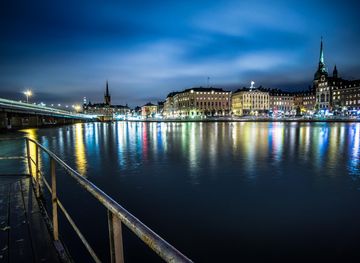
Explore more of Sweden
Discover Sweden's breathtaking landscapes, vibrant cities, and rich cultural heritage. From the Northern Lights to historic castles, experience the essence of Scandinavia.
Explore Sweden
