

Björnlandets Nationalpark Travel Guide
Free Guide: A remote Lapland stronghold of ancient pines, mossy swamp forest and granite blockfields—quiet, wild and rooted in centuries of natural change.


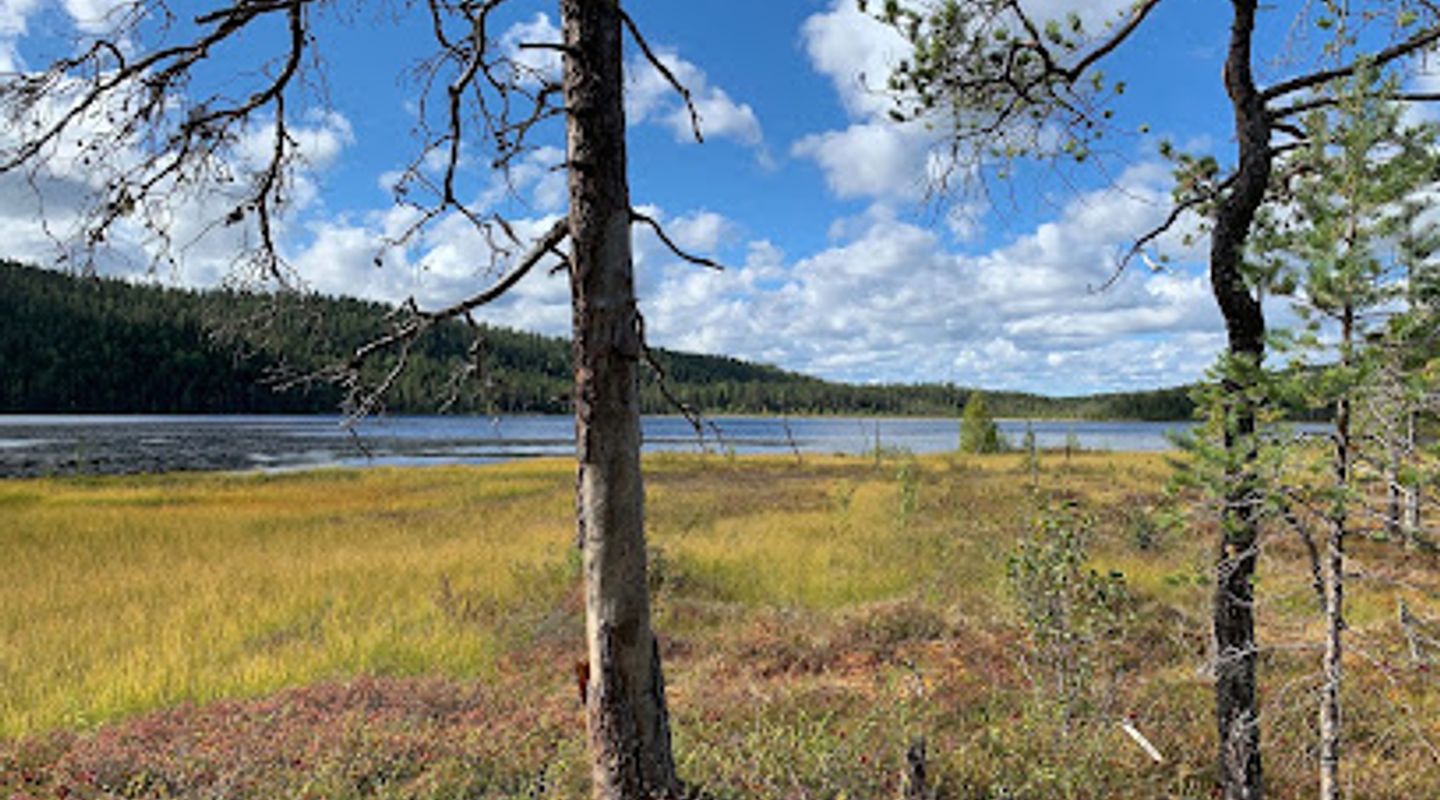
A brief summary of Björnlandets Nationalpark
A remote Lapland stronghold of ancient pines, mossy swamp forest and granite blockfields—quiet, wild and rooted in centuries of natural change.
Björnlandets Nationalpark is a remote, ancient pine-and-spruce wilderness in southern Lapland noted for its primeval forests, moss-draped swamp woods and dramatic blockfields and cliffs. Trails thread past Angsjön lake, through 500-year-old pines, and up to Björnberget viewpoint; the park includes marked loops, two simple shelters and boardwalks that protect fragile ground while offering close encounters with old-growth nature.
On-site amenities
 Restrooms
 Seating areas
 Sheltered areas
 Picnic areas
 Information boards
Opening hours
- Every dayOpen 24 hours
Opening hours as listed on the venue’s Google Business Profile. Hours can change for services and special events, so check with the venue before you go.
- Address
- 919 93 Fredrika
- Website
Getting there
By car from regional hubs
Local bus + taxi
Multi-day hike or ski approach
Discover more about Björnlandets Nationalpark
An intact boreal archive
Björnlandets Nationalpark preserves a stretch of near-pristine boreal forest where veteran Scots pines and spruce swamp stands form living records of centuries of natural disturbance. The ground underfoot is a collage of hummocks, moss carpets and fallen, lichen-draped trunks; scattered blockfields and exposed granite outcrops tell of glacial and frost-driven processes that have sculpted the landscape. Traces of historic wildfires thread the forest story here, creating a mosaic of regrowth and ancient trees that is rare in managed forests.
Water, mire and the Angsjön heart
At the eastern edge of the park lies the bright, sheltered basin of Angsjön, with adjoining mires and wetlands that concentrate birdlife and seasonally shifting water flows. Boardwalks and short ramps lead from the main entrance out toward water and bog margins, allowing visitors to observe reed-fringed shallows and mossy hummocks without damaging fragile peat. The contrast between open water, wet ground and the surrounding dark, needle-carpeted woodland gives the area a layered, sensory feel—reeds whisper, water glints and the forest exhales a resinous pine scent.
Marked trails and rugged viewpoints
A network of marked routes of varying length crosses the park: short nature loops from the Angsjö entrance, longer multi-kilometre circuits and more demanding ridge trails that climb to Björnberget and other vantage points. Wooden boardwalks protect wet sections, and the approach to higher ground passes over boulder-strewn ground and exposed roots; rewards include wide panoramas from rocky ledges and sheltered grill sites where quiet pauses feel well earned. Several waymarked options allow you to tailor a walk from an easy 1–2 hour nature loop to full-day excursions.
Shelters, simple services and seasonal rhythms
The park provides two basic overnight shelters and a service shelter at the main entrance near Angsjön; these are simple, communal spaces intended for self-sufficient visitors rather than staffed accommodation. Facilities at the entrance include an accessible ramped path, an information board and a maintained toilet—practical touches that sit alongside the park’s wild character. In winter the landscape quiets under snow, some services become seasonal and certain tracks may be reachable only by skis.
Wildlife, tracks and quiet stories
Björnlandet’s name recalls an iconic Scandinavian species, yet the park is better known for its mosaic of forest-dwelling animals and the signs they leave: tracks, droppings and dens in soft ground and snow. Birdlife concentrates around the lake and mires at key seasons, while mammals—elusive and largely unseen—use the park’s cover. The park’s ecological value comes from its continuity: places where natural processes run largely undisturbed, producing substrates and niches for specialized plants, lichens and fungi.
Character for the careful visitor
The park’s atmosphere is quietly austere: a mix of deep-green shadow under high pines, sudden sunlit clearings, wind-carved rock faces and the steady sound of water in bog channels. Paths are intentionally restrained—boardwalks where needed, simple signs and a deliberate lack of visitor infrastructure deeper in the reserve—so the place feels more like a protected living landscape than a managed park. Time here rewards slow observation and respect for a forest that has endured for centuries.
Evendo Review Centre
 Google
Guest reviews
Best time to go
Quietest: Jan, Feb & Nov · before 7am
Busy times are Evendo estimates for a typical year, to help you plan. Actual crowds vary with events, school holidays and the weather.
Explore Björnlandets Nationalpark on the map
A handpicked selection of must-see spots near Björnlandets Nationalpark, mapped for you.
Get your free copy of our complete guide to Björnlandets Nationalpark, delivered straight to you.
Everything on this page, from opening hours and how to get there to Eve’s tips and the best time to go, in one PDF you can read offline, print or share.
Already have an account? Sign in
Your Björnlandets Nationalpark guide is ready.
We'll send it to · Not you? Sign out

Getting your guide ready…
We are putting together a fresh copy of the Björnlandets Nationalpark guide. This can take up to a minute.
This can take a few moments. If your browser asks, choose Allow so the download can start. You'll find the guide in your Downloads folder.
Nothing happened? Download it again
Sorry, the guide is taking longer than usual. Please try again in a minute, or get it by email instead.
Other nearby places you may find interesting
The closest places of the same kind, if this one is not quite what you had in mind.
-
-
-
-
-


Swipe for more places
More to explore near Björnlandets Nationalpark
-
 Best experiences near Björnlandets Nationalpark
-
 Best hotels near Björnlandets Nationalpark
-
 Best landmarks near Björnlandets Nationalpark
-
 Best attractions near Björnlandets Nationalpark
-
 Best shops near Björnlandets Nationalpark
-
 Best restaurants near Björnlandets Nationalpark
-
 Best bars near Björnlandets Nationalpark


Do you manage this location?
Take control to get all the benefits, like improved information, better appearance, and stronger visibility across AI-powered discovery.
Explore more

Explore more of Västerbotten
Discover Västerbotten: A Swedish haven of natural beauty, rich culture, and endless adventure, from the majestic Vindelfjällen Nature Reserve to the vibrant city of Umeå.
Explore Västerbotten
Explore more of Sweden
Discover Sweden's breathtaking landscapes, vibrant cities, and rich cultural heritage. From the Northern Lights to historic castles, experience the essence of Scandinavia.
Explore Sweden
