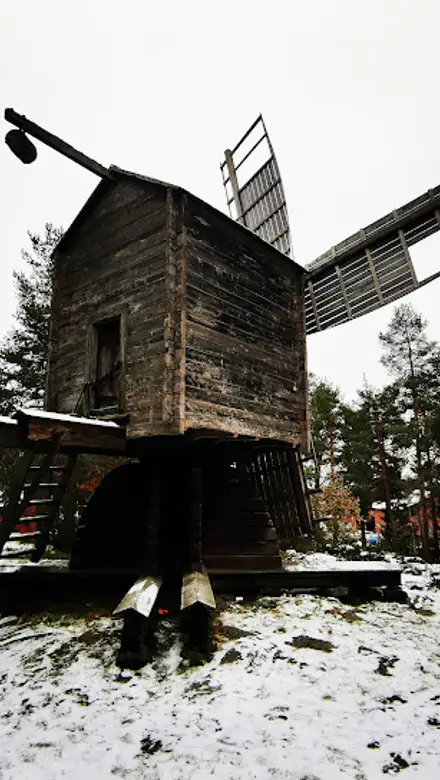
Gammlia friluftsmuseum Travel Guide
Free Guide: A living patchwork of restored farmhouses, Sami displays and seasonal craft demonstrations that bring Västerbotten’s past vividly to life.


A brief summary of Gammlia friluftsmuseum
A living patchwork of restored farmhouses, Sami displays and seasonal craft demonstrations that bring Västerbotten’s past vividly to life.
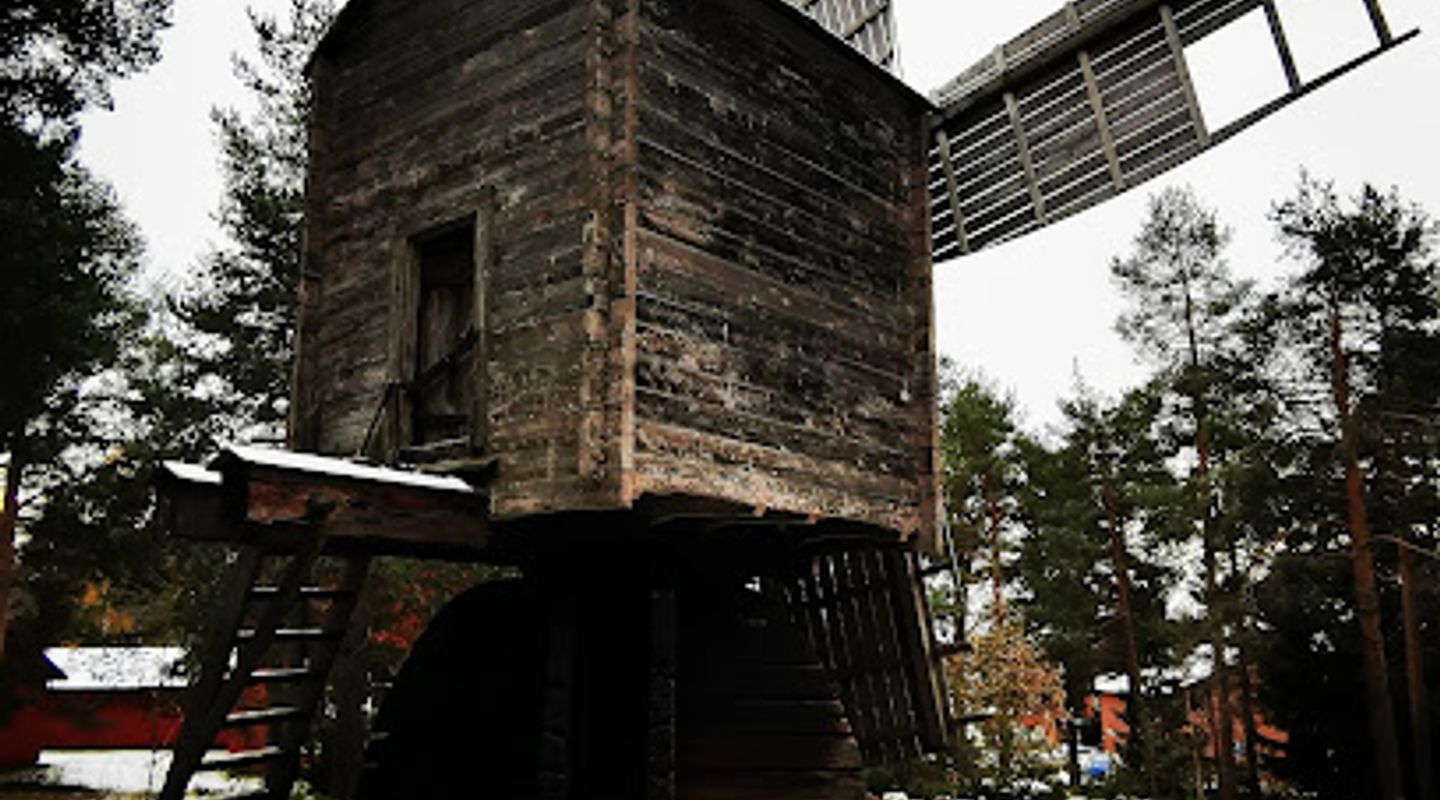
Gammlia is an open‑air section of Västerbottens museum on the Gammlia estate in Umeå, showcasing thirty or so historic buildings, traditional Sami displays and living-history demonstrations that trace life in northern Sweden from prehistory through the early 20th century. Set in parkland close to the city, it combines reconstructed homes, farmsteads and craft buildings with seasonal activities and a museum café and shop.
On-site amenities
 Restrooms
 Drink options
 Food options
 Seating areas
 Information boards
- Address
- 903 42 Umeå
- Website
Getting there
Local bus
Taxi or rideshare
Walking from central Umeå
Discover more about Gammlia friluftsmuseum
Historic houses and northern lifeways
Gammlia groups roughly thirty restored and reconstructed buildings across a gentle parkland site, each building representing a different aspect of rural life in Västerbotten through the 18th, 19th and early 20th centuries. Timber farmhouses, barns and outbuildings display local carpentry, agricultural methods and household layouts that contrast with exhibits focused on indigenous Sami material culture and traditional winter living. The resulting ensemble reads like a compact history of northern domestic life and the adaptations people used to thrive in a subarctic environment.
Everyday objects and craft traditions
Inside the buildings you’ll encounter tools, textiles and domestic objects arranged as working interiors rather than as isolated museum pieces. Hand‑stitched textiles, household implements, wooden kitchenware and seasonal gear give an immediate sense of how families organised daily routines and labour. Specialist workshops and craft demonstrations are scheduled at times, showing techniques such as woodwork, textile mending and traditional food preparation that connected homes to the surrounding landscape.
The landscape and seasonal programme
The museum sits within open lawns, birch copses and cultivated garden plots that change character with the seasons: snow‑bright and skeletal in winter; green, buzzing and eventful in summer. Seasonal programmes—harvest festivals, historical markets and living‑history events—animate the site so the past is not only visible but audible and tactile: the smell of wood smoke, the clink of tools, the texture of handwoven cloth. In winter the setting takes on a quieter, more restorative feel while in summer the area becomes a family‑oriented outdoor classroom.
Sami heritage and northern identity
Curated displays within Gammlia address Sami culture alongside settler farming life, underscoring the region’s layered human stories. Exhibits and interpretive panels present material culture and seasonal practices that emphasise mobility, reindeer husbandry traditions and the connections between people and the boreal environment. These displays situate local histories within a broader northern Scandinavian context and invite reflection on cultural continuity and change.
Visitor facilities and atmosphere
Although an open‑air museum, Gammlia is part of the wider Västerbottens museum complex and benefits from visitor services: a café, a small museum shop and event spaces that support workshops and family programming. Paths between buildings are generally level and the site’s parkland character encourages lingering: a slow stroll from house to house, pausing to examine garden plots, heritage breeds or seasonal demonstrations. The overall mood balances documentary care with the informal warmth of a community green.
Educational value and experiential learning
Gammlia functions as both a repository of artefacts and a living pedagogy: school groups, craft enthusiasts and history seekers encounter material traces alongside sensory experiences that clarify everyday survival in a northern climate. Because many exhibits are set up as functioning rooms rather than vitrines, visitors gain a practical impression of scale, seasonality and the physical demands of past domestic life, making the site especially useful for those interested in vernacular architecture, craft traditions and regional cultural history.
Evendo Review Centre
 Google
Guest reviews
Best time to go
Quietest: Jan, Feb & Dec · before 8am or from 8pm
Busy times are Evendo estimates for a typical year, to help you plan. Actual crowds vary with events, school holidays and the weather.
Explore Gammlia friluftsmuseum on the map
A handpicked selection of must-see spots near Gammlia friluftsmuseum, mapped for you.
Get your free copy of our complete guide to Gammlia friluftsmuseum, delivered straight to you.
Everything on this page, from opening hours and how to get there to Eve’s tips and the best time to go, in one PDF you can read offline, print or share.
Already have an account? Sign in
Your Gammlia friluftsmuseum guide is ready.
We'll send it to · Not you? Sign out

Getting your guide ready…
We are putting together a fresh copy of the Gammlia friluftsmuseum guide. This can take up to a minute.
This can take a few moments. If your browser asks, choose Allow so the download can start. You'll find the guide in your Downloads folder.
Nothing happened? Download it again
Sorry, the guide is taking longer than usual. Please try again in a minute, or get it by email instead.
Other nearby places you may find interesting
The closest places of the same kind, if this one is not quite what you had in mind.
-
-
-
-
-


Swipe for more places
More to explore near Gammlia friluftsmuseum

 Best experiences near Gammlia friluftsmuseum
 Best hotels near Gammlia friluftsmuseum
 Best landmarks near Gammlia friluftsmuseum
 Best attractions near Gammlia friluftsmuseum
 Best shops near Gammlia friluftsmuseum
 Best restaurants near Gammlia friluftsmuseum
 Best bars near Gammlia friluftsmuseum
Do you manage this location?
Take control to get all the benefits, like improved information, better appearance, and stronger visibility across AI-powered discovery.
Explore more

Explore more of Västerbotten
Discover Västerbotten: A Swedish haven of natural beauty, rich culture, and endless adventure, from the majestic Vindelfjällen Nature Reserve to the vibrant city of Umeå.
Explore Västerbotten
Explore more of Sweden
Discover Sweden's breathtaking landscapes, vibrant cities, and rich cultural heritage. From the Northern Lights to historic castles, experience the essence of Scandinavia.
Explore Sweden